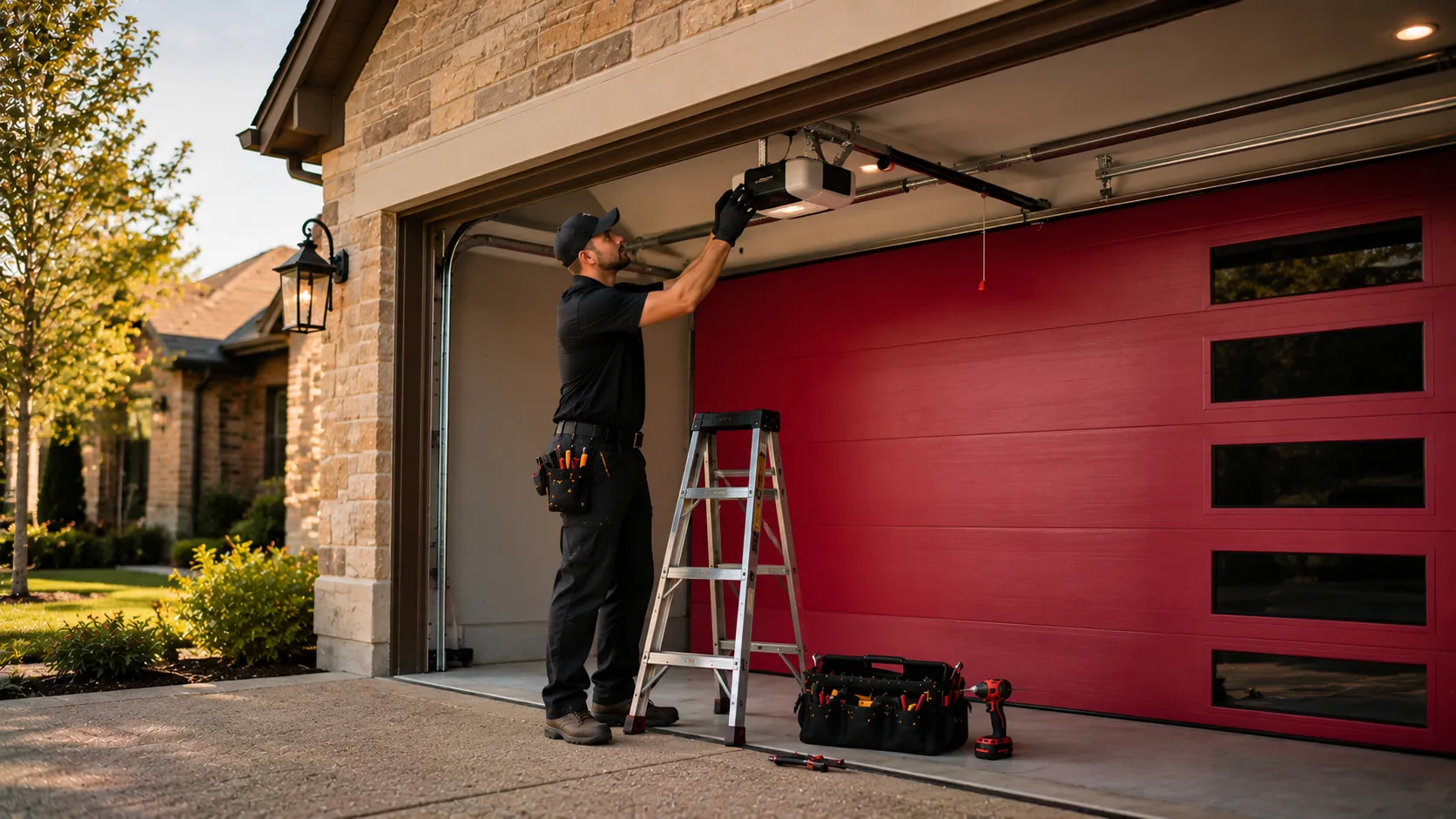
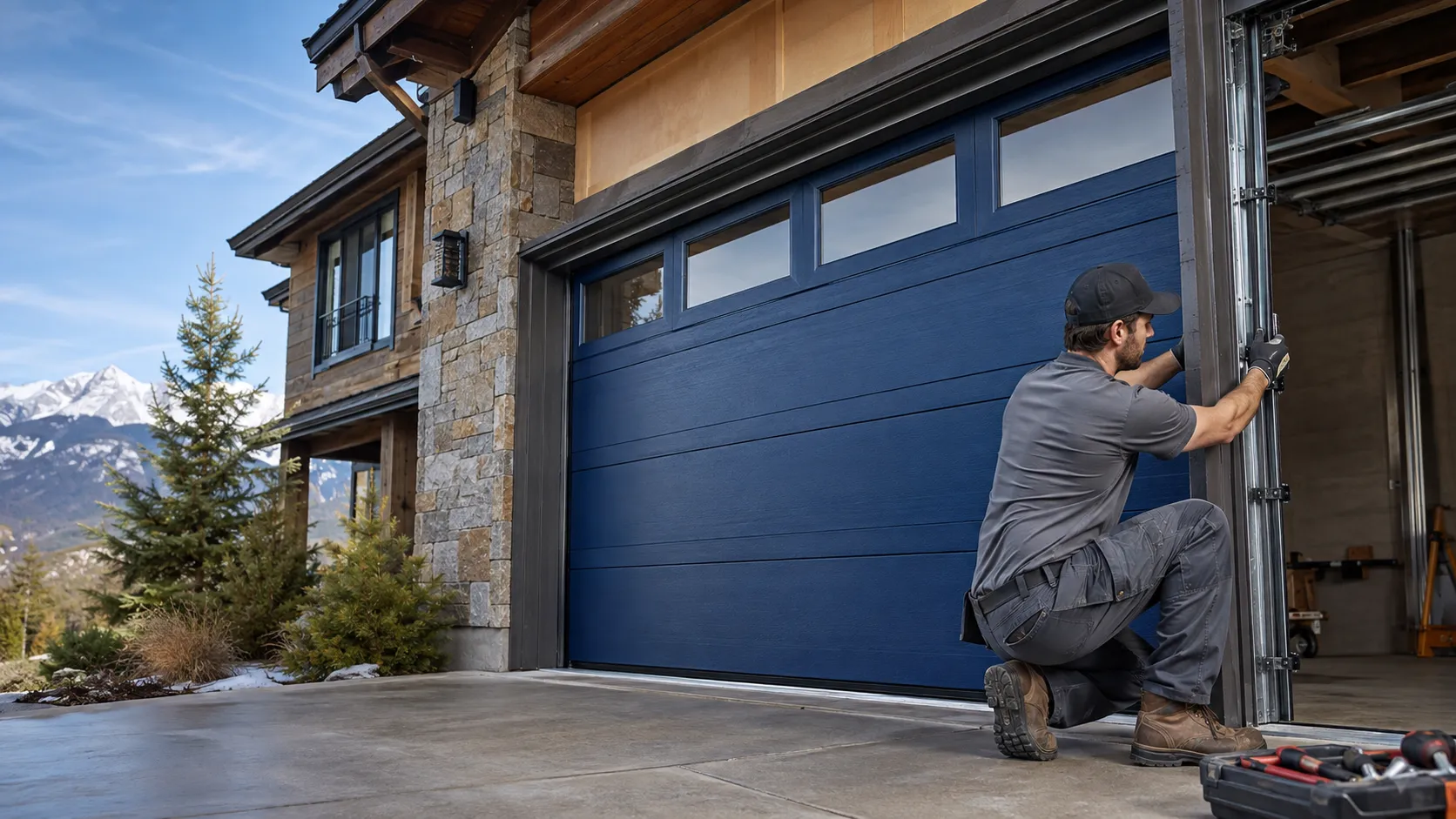
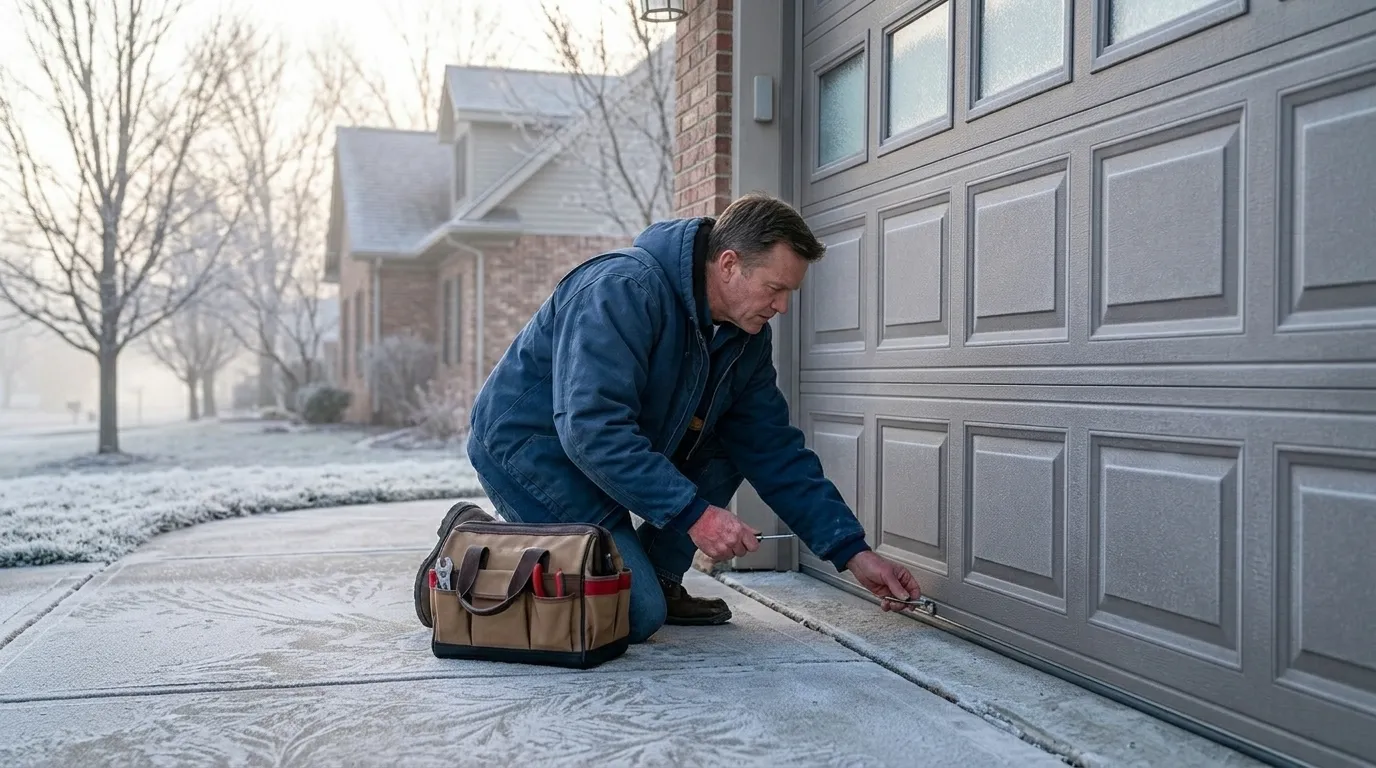
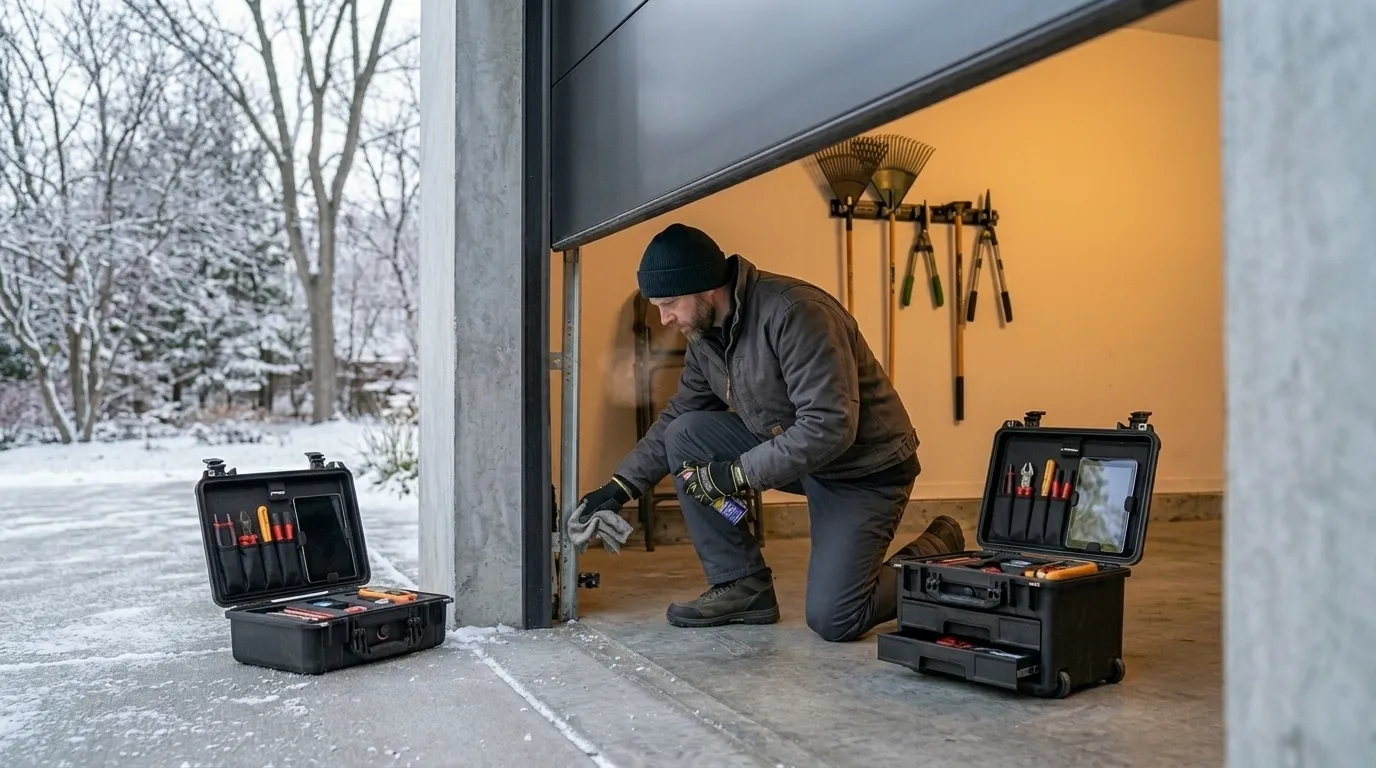
Springfield Garage Door Pros serves Westhampton, MA, 18 miles out, where most houses date to 1970 and cold-climate hardware wears differently than in town.
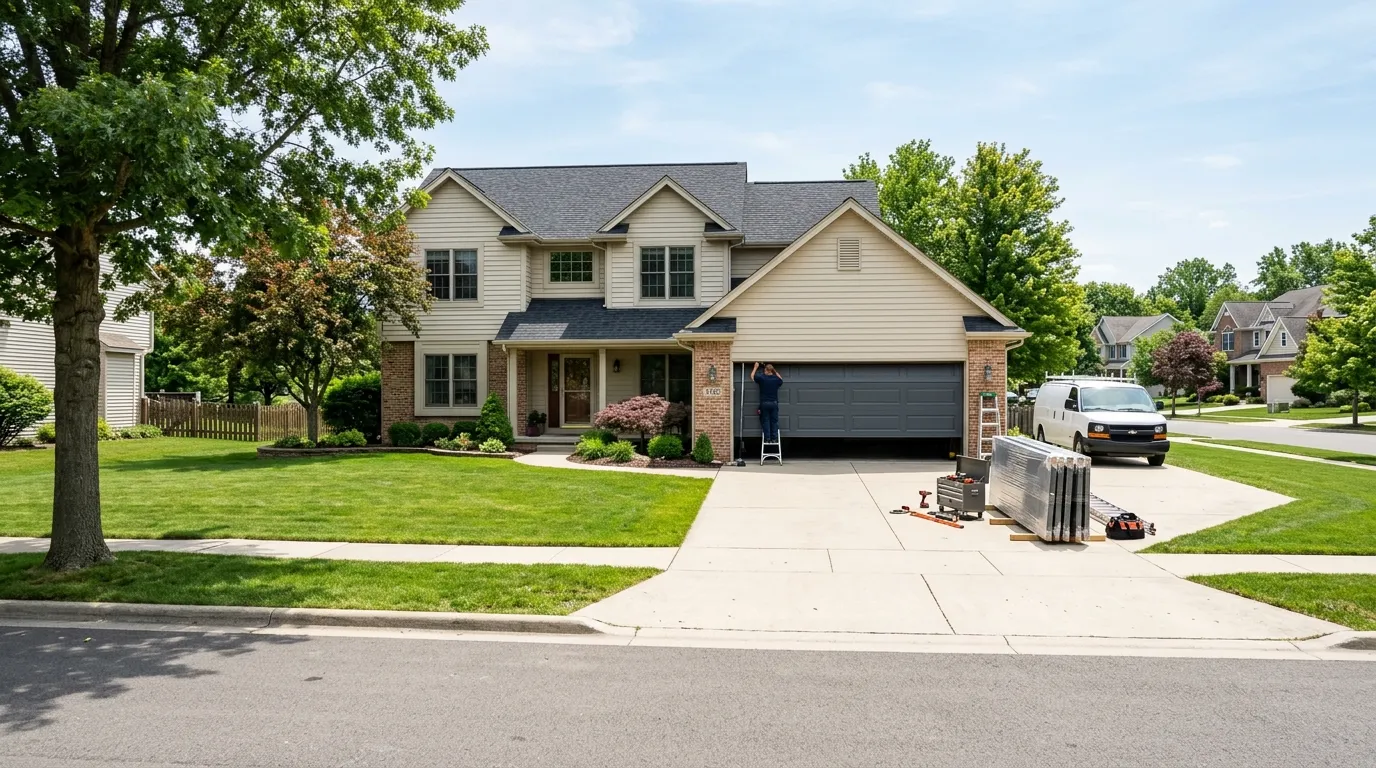
Westhampton sits about 18 miles from our shop in Springfield, and the housing stock out here skews to one era: most of these homes were built around 1970, a good bit later than the 1938-1989 spread you see across the wider service area. That matters more than it sounds. A 1970-built house usually came with an extension-spring setup or an early torsion system, sized for a lighter wood door, not the heavier steel or insulated doors people put in later. There are 622 households in Westhampton, a small fraction of the roughly 98,700 across our whole coverage area, and the housing here is more uniform because most of it went up in the same building push. Median household income here runs around $95,192, a bit above the area-wide $93,808, which tends to mean owners replace worn parts before they fail outright rather than waiting for a full breakdown. When we make the drive out, we're usually looking at original or first-generation hardware that's simply aged out, not a mismatch of eras stacked on top of each other like you find in older neighborhoods closer to Springfield.
Common Jobs Here
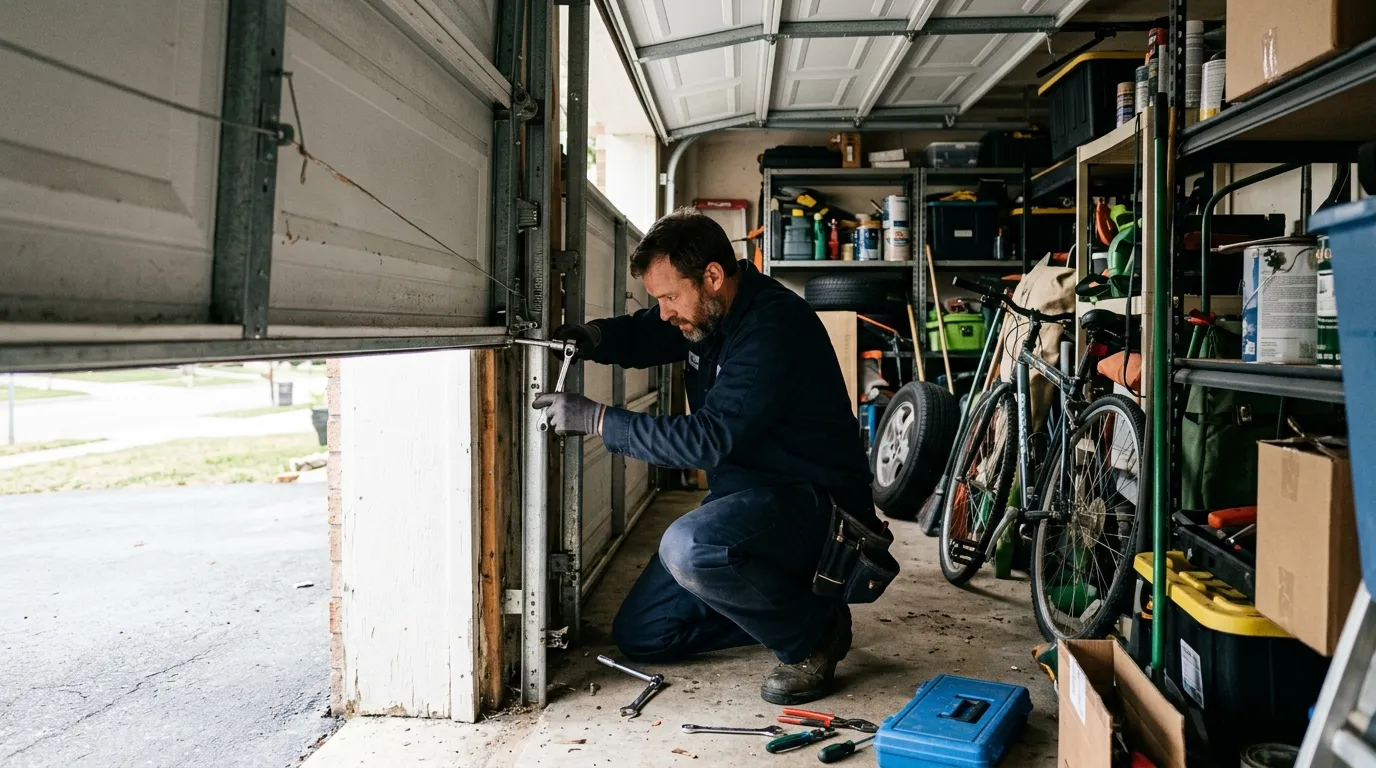
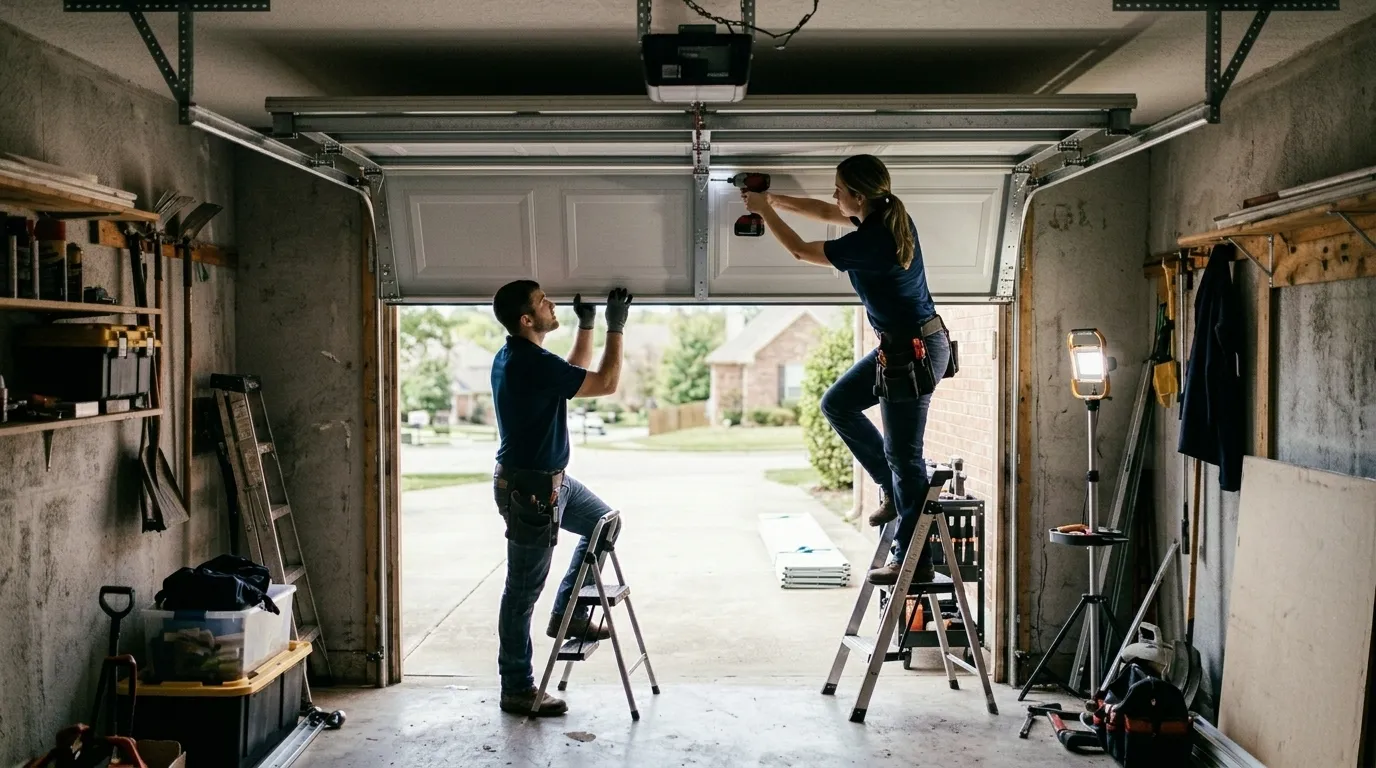
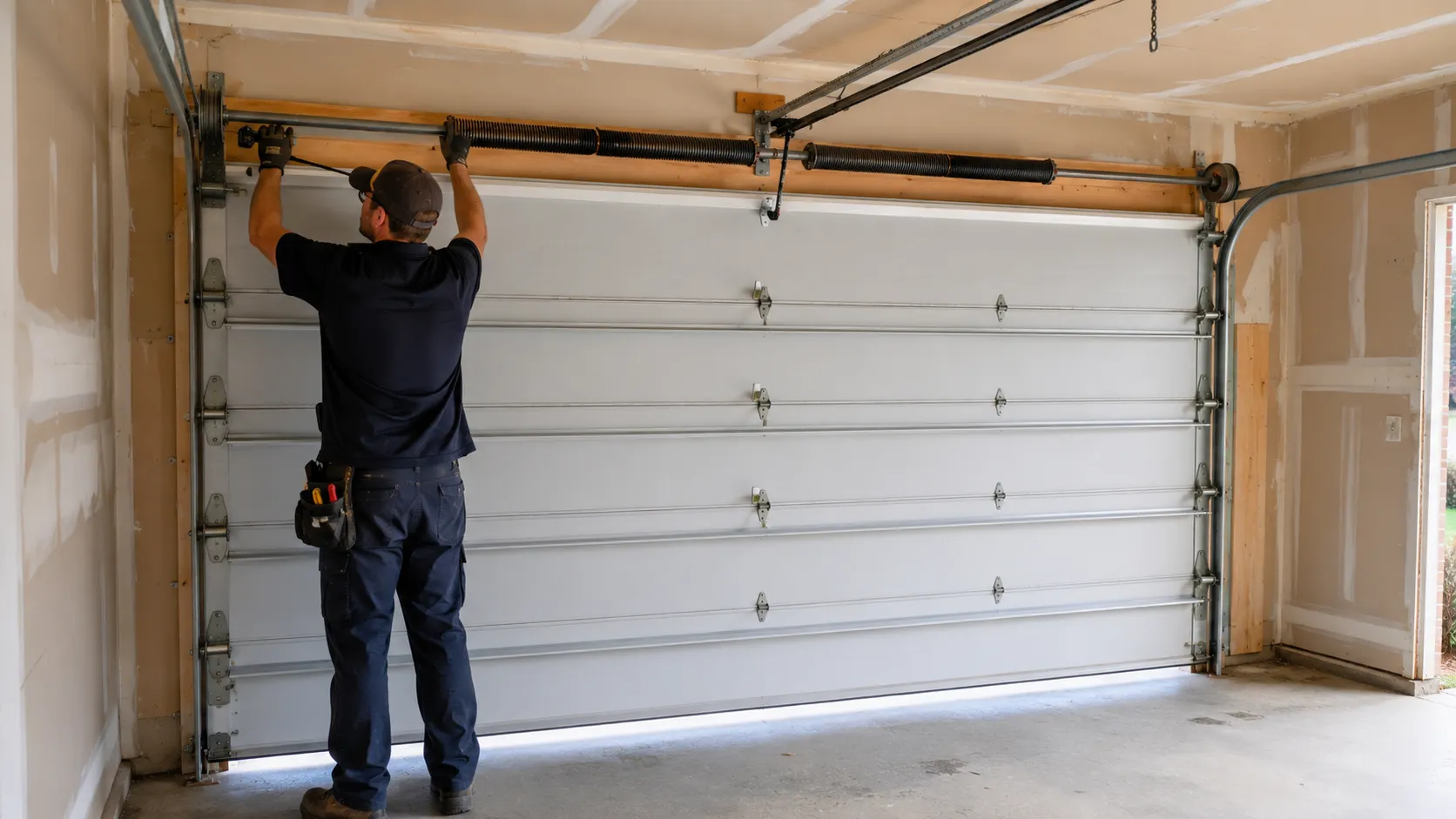
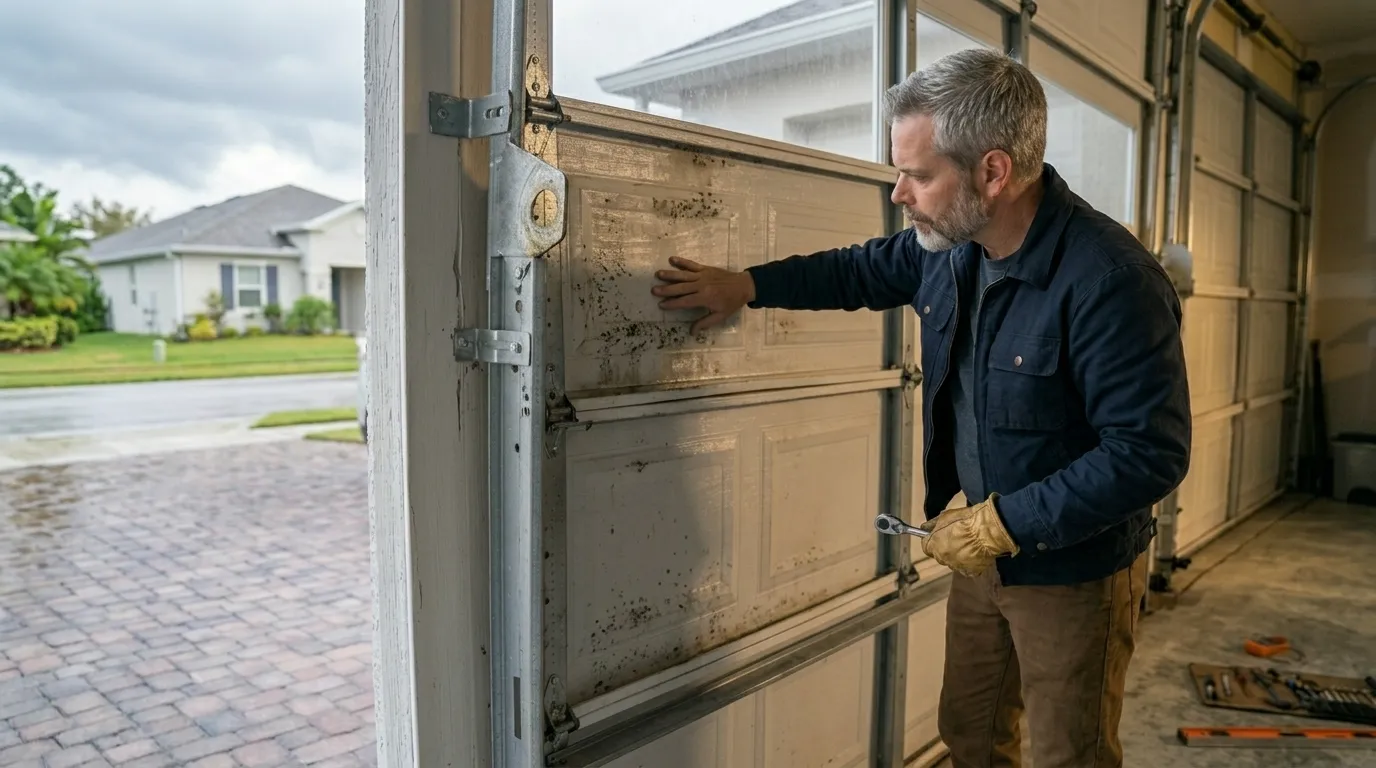
On a 1970 door, the most common call is a torsion spring that's finally given out after decades of cold-weather cycling - the metal fatigues faster in a severe cold climate than a mild one, and Westhampton sits in that same cold band as the rest of our territory. Rollers on these older doors are often the original steel type, which get noisy and start binding in the track well before the door itself is unsafe to use. Openers from that build era, if they haven't already been swapped once, are usually chain-drive units on their second or third motor, and when they fail it's rarely the opener itself - it's a worn drive gear or a capacitor. We also see a fair number of cable replacements, since original cables on 1970s doors weren't galvanized to the standard used today, and they show surface rust well before they snap. None of this is exotic work. It's the predictable wear pattern of a door that's been doing its job, without much complaint, for over fifty years.
What We Do Not Do
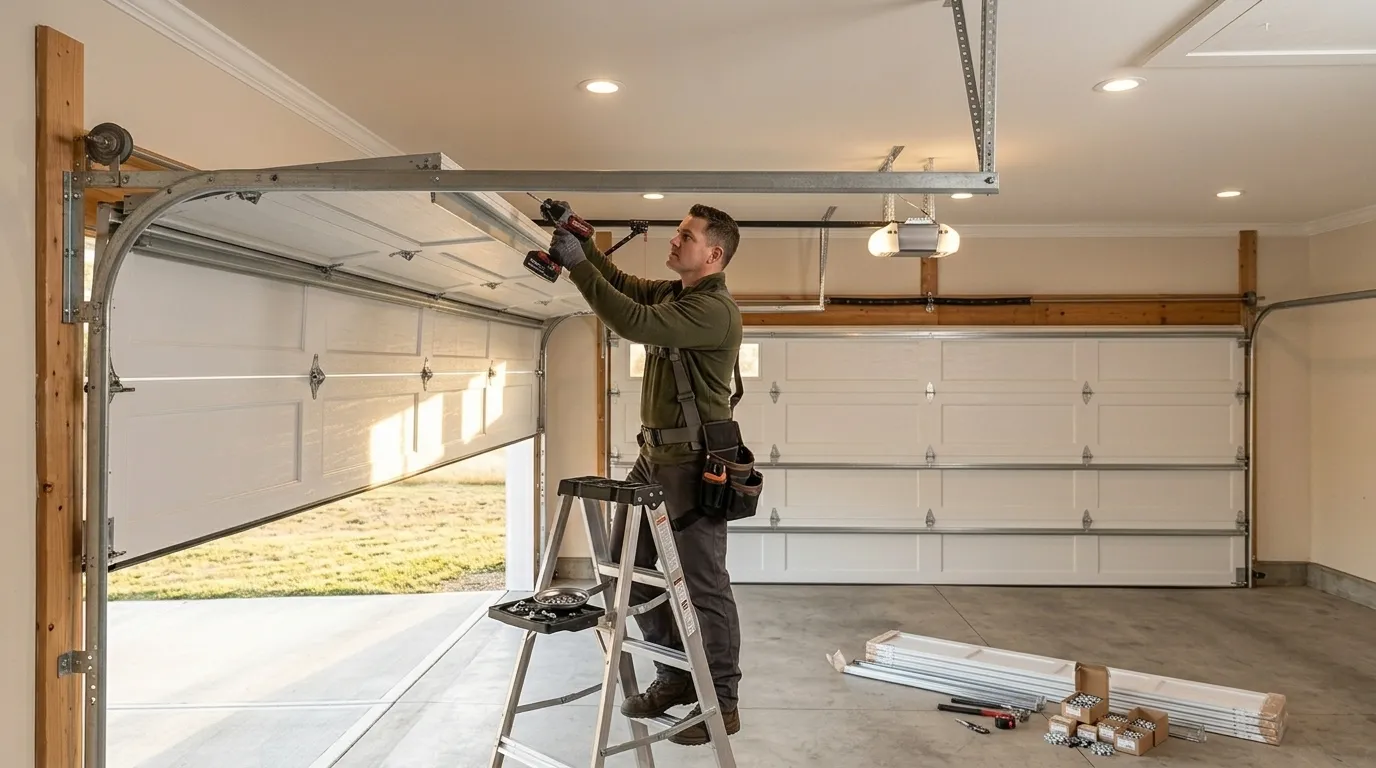
We don't keep a truck stationed in Westhampton and we don't promise a same-day arrival out this far - every job here starts with a drive from Springfield, about 18 miles each way, and that adds real time to scheduling compared to a call closer to the shop. We also don't try to force a repair on a door that's past the point of it making sense. If a 1970-era torsion spring has failed and the drum, shaft, and track show the same age-related wear, patching one part often just moves the next failure a few months down the road. We'll tell you straight when replacement is the better math instead of stacking a repair onto hardware that's already near the end of its run. And we don't guess at parts sight unseen - a call to schedule a look is the only way we quote a job honestly, especially on older setups where the spring size or track width isn't standard anymore.
How That Shows Up in the Door
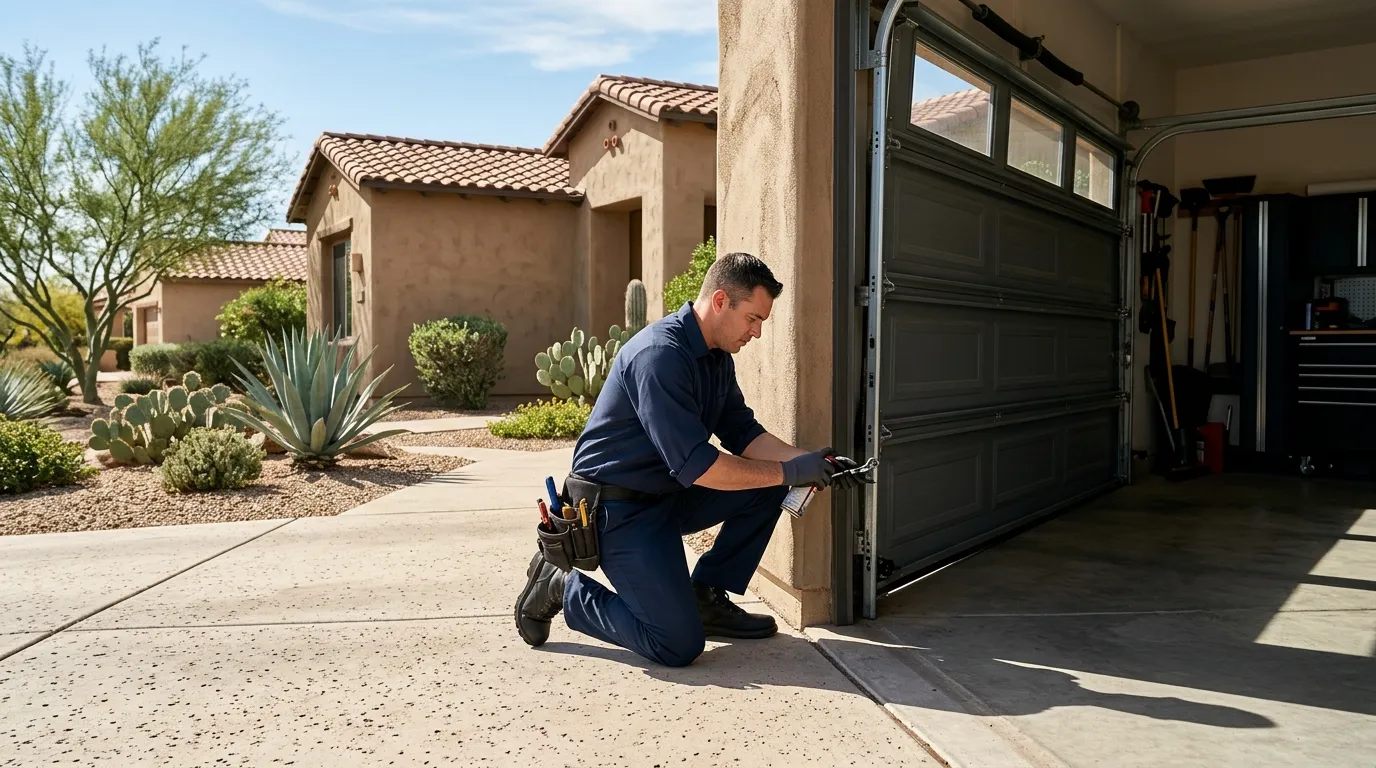
Walk up to a Westhampton garage on a cold morning and you'll often hear it before you see it - a groan or a hard catch as the door lifts, which on a house from this era usually means the torsion spring has lost tension gradually rather than snapped clean. Because the cold band here is severe, metal fatigue moves faster in winter, so a spring that was fine in October can bind by January. The door itself, if original, tends to be a lighter panel than what's sold today, which means the torsion spring was sized lighter too - swapping in a heavier modern door without recalculating spring size is a common mistake we see when a prior owner did a partial upgrade. On these 1970-built homes, the fix is rarely cosmetic. It's almost always the spring, the cable, or the roller track catching up with decades of the same cold-weather cycle, repeating itself the same way it has on every other door built the same year on this side of the service area.
How it works
From “it’s stuck” to “it’s fixed”
1
Tell us what’s wrong
Describe the symptom - won’t open, loud bang, opener runs but the door won’t move.
2
On-site diagnosis
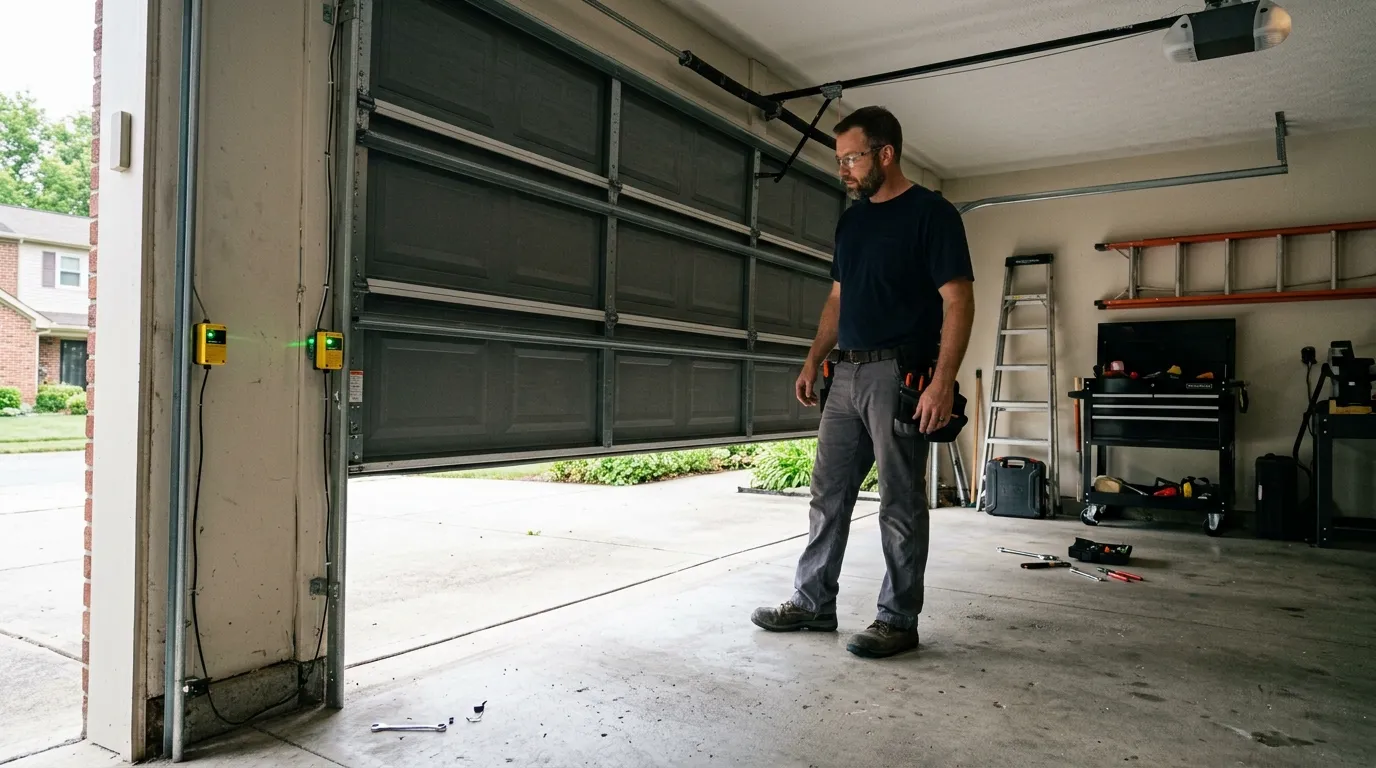
A technician tests the door under power and by hand and finds what actually failed.
3
Clear, up-front plan
You get the fix that’s needed and what drives the cost - before any work starts.
4
Repaired & tested
The repair is done, the door is set true and tested, and the work area left clean.
Serving Springfield, MA - tell us what your door’s doing and we’ll take it from there.
Straight answers about garage door repair in Springfield. Still unsure? Ask us directly.
How far out is Westhampton from your shop, and does that affect scheduling?
It's about 18 miles from our Springfield location, so a Westhampton call takes longer to fit into the day than one closer to the shop. We don't stage a truck out there, so we schedule the trip rather than promising a same-day window.
Why do doors in Westhampton fail differently than newer construction?
Most homes here were built around 1970, so the torsion or extension spring hardware was sized for lighter, older-style doors. Combined with a severe cold climate that speeds up metal fatigue, springs and cables here tend to wear out on a fairly predictable schedule tied to that build era.
Is it worth repairing an original 1970s door instead of replacing it?
Sometimes, but not always. If the track, drum, and shaft show the same age-related wear as the failed part, a single repair often just delays the next one. We'll tell you honestly whether a repair or a full swap makes more sense once we see the door.