Checking It Yourself
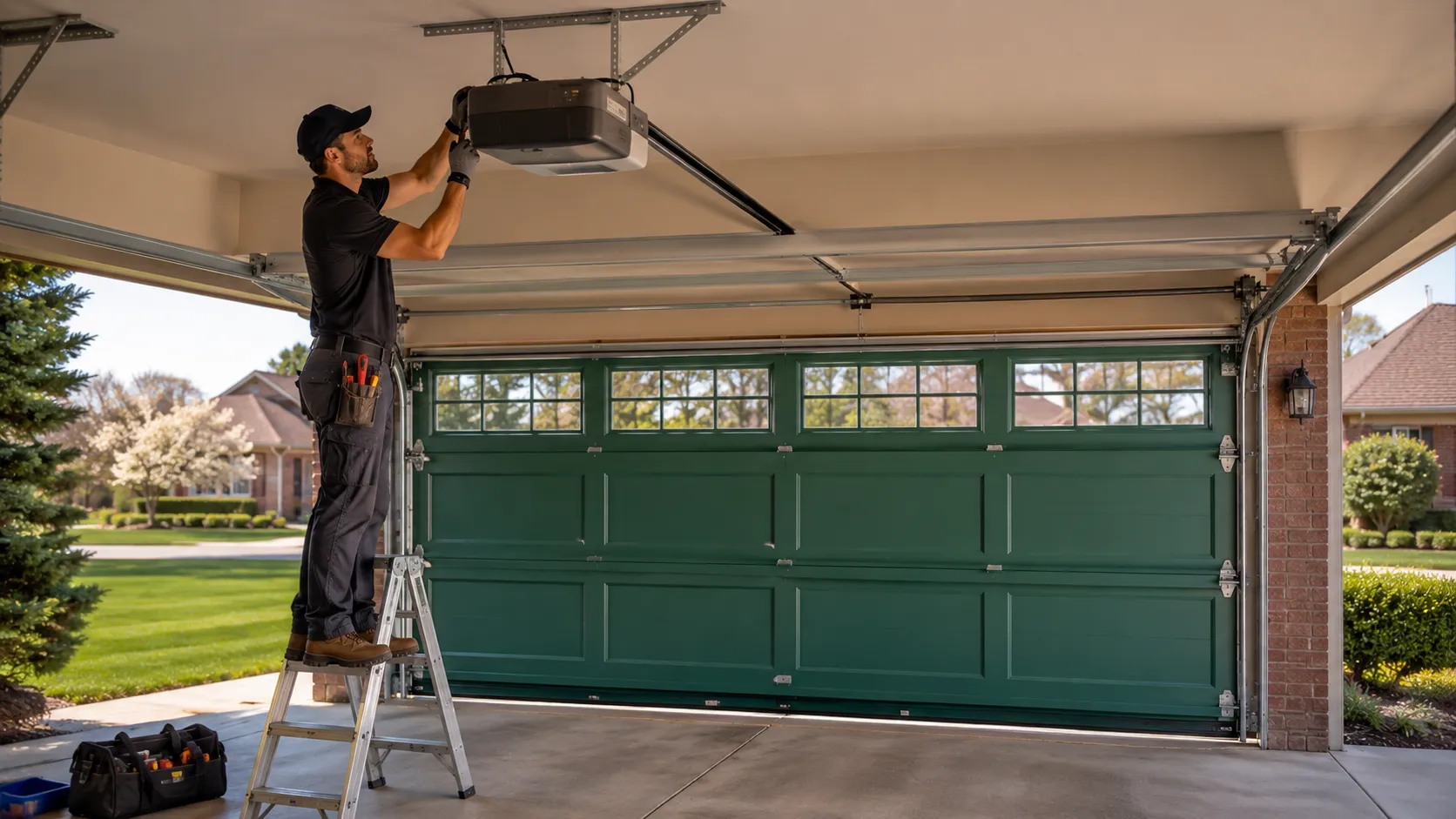
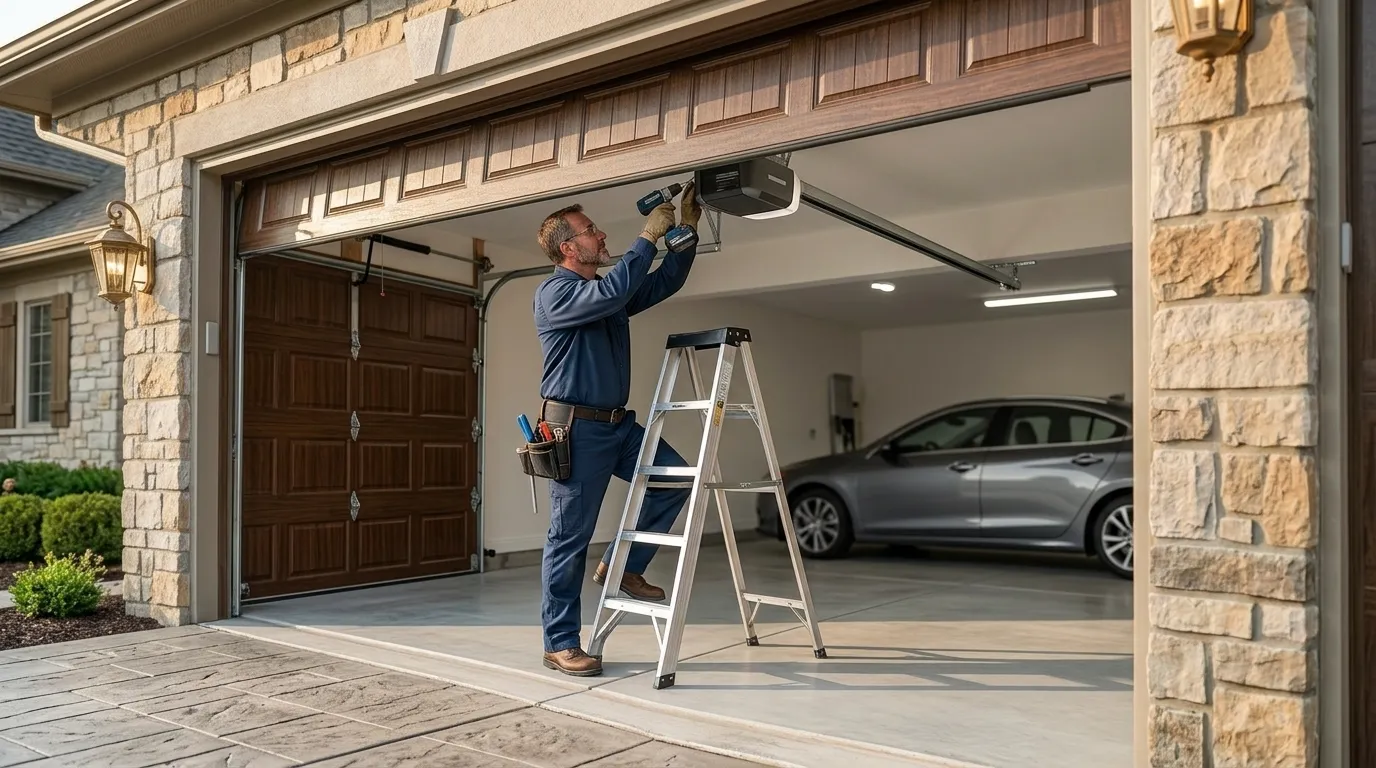
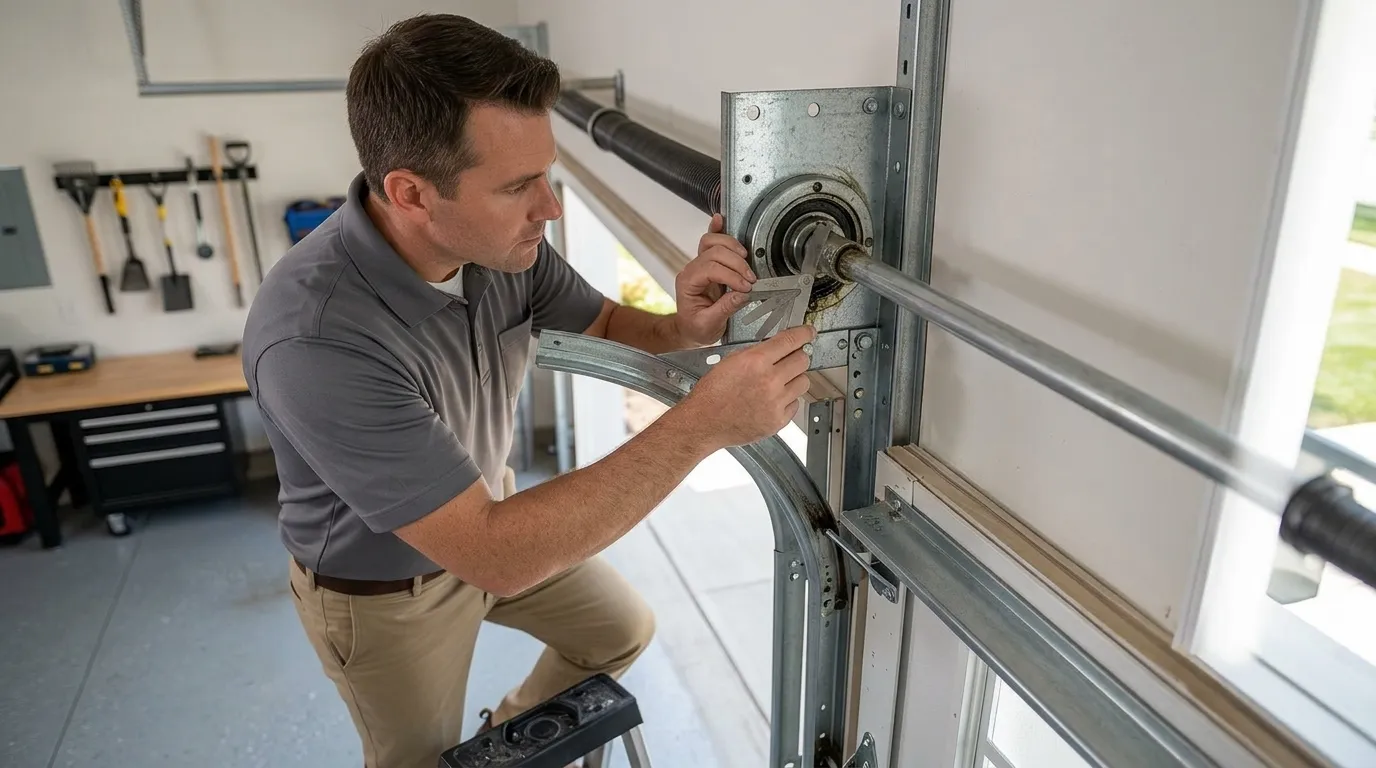
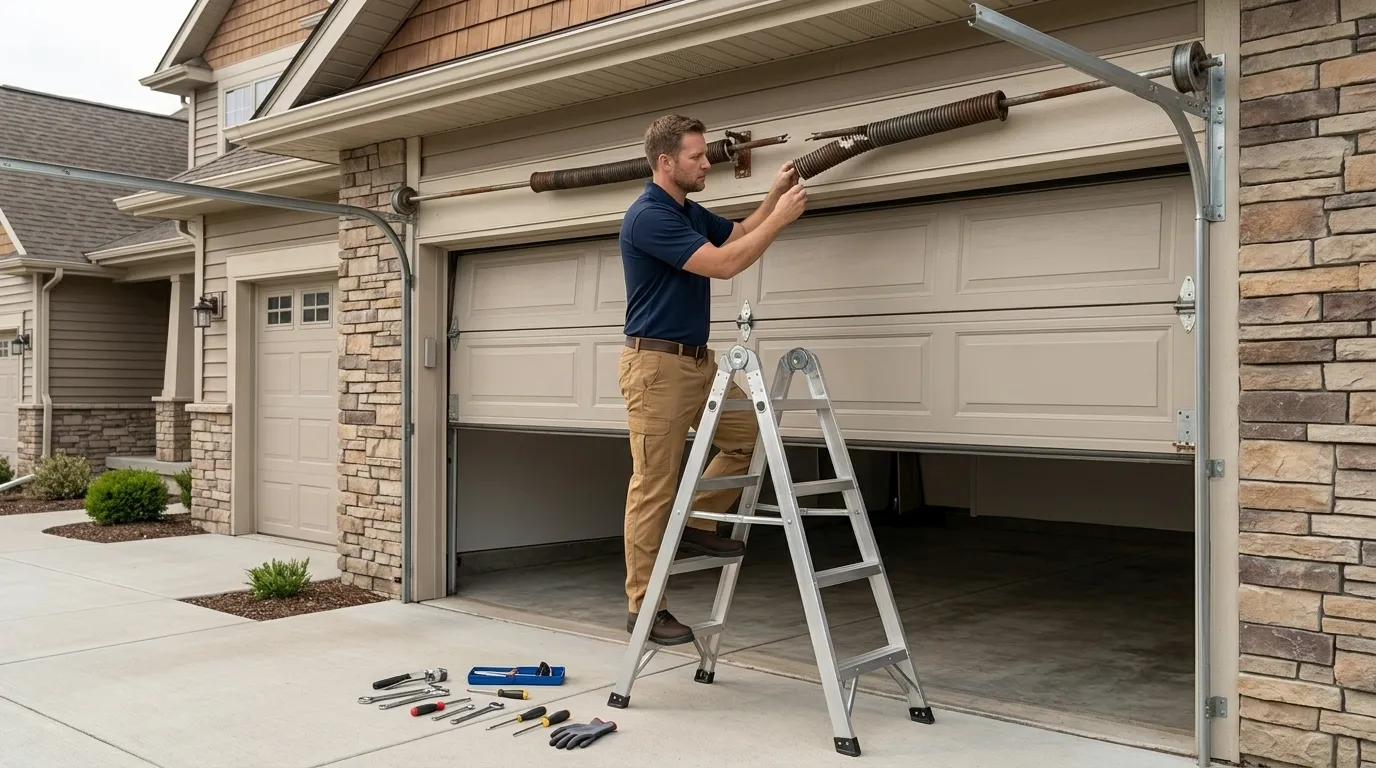
Find the manual release - it's the red-handled cord hanging from the trolley on the opener rail, usually a few feet in front of the motor head. Pull it down and toward the back of the garage; you'll feel it disengage with a small clunk. Once it's pulled, the door should lift by hand with moderate effort. If it takes real muscle, or one side lifts easier than the other, that's not an opener problem - that's a spring problem, and pulling the release won't fix it. In the older housing stock around here, a lot of doors still run original hardware from a build era before openers were standard, so the release mechanism itself is sometimes decades newer than the door it's bolted to. Check that the cord isn't frayed or seized, and that reconnecting it re-engages with a solid click rather than a soft catch. If it doesn't reconnect cleanly, that's worth a call before you need it in an emergency, not after.
The Common Mistake
The mistake we see most is people forcing the door while it's still engaged to a dead opener, assuming it's stuck rather than just locked to a motor that isn't running. That strains the drive gear and can bend the trolley arm, turning a five-minute manual release into a parts replacement. The second mistake, more specific to houses built in this median-1965 range, is owners who've never located the release because the opener was installed by a previous owner and nobody passed along where the cord is or how stiff it should feel. We're not going to pretend every job here is complicated - checking and testing a release is something most people can do in five minutes once they know where to look. Where it gets real is when the release itself has seized from age, which happens more often in units that predate current opener models by ten or fifteen years.