Garage door repair and spring work for Warren, a town 19 miles ENE of Springfield with housing mostly built between 1938 and 1989 and full New England winters.
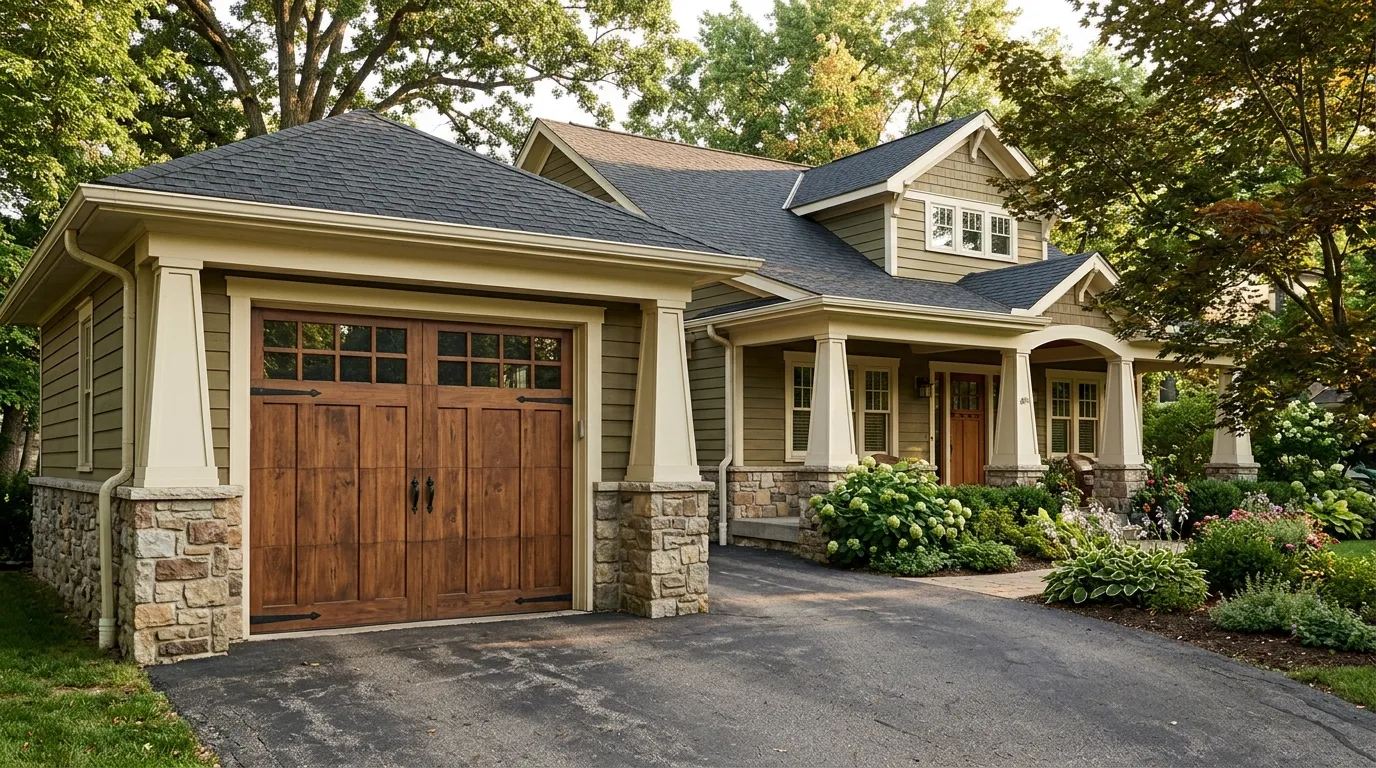
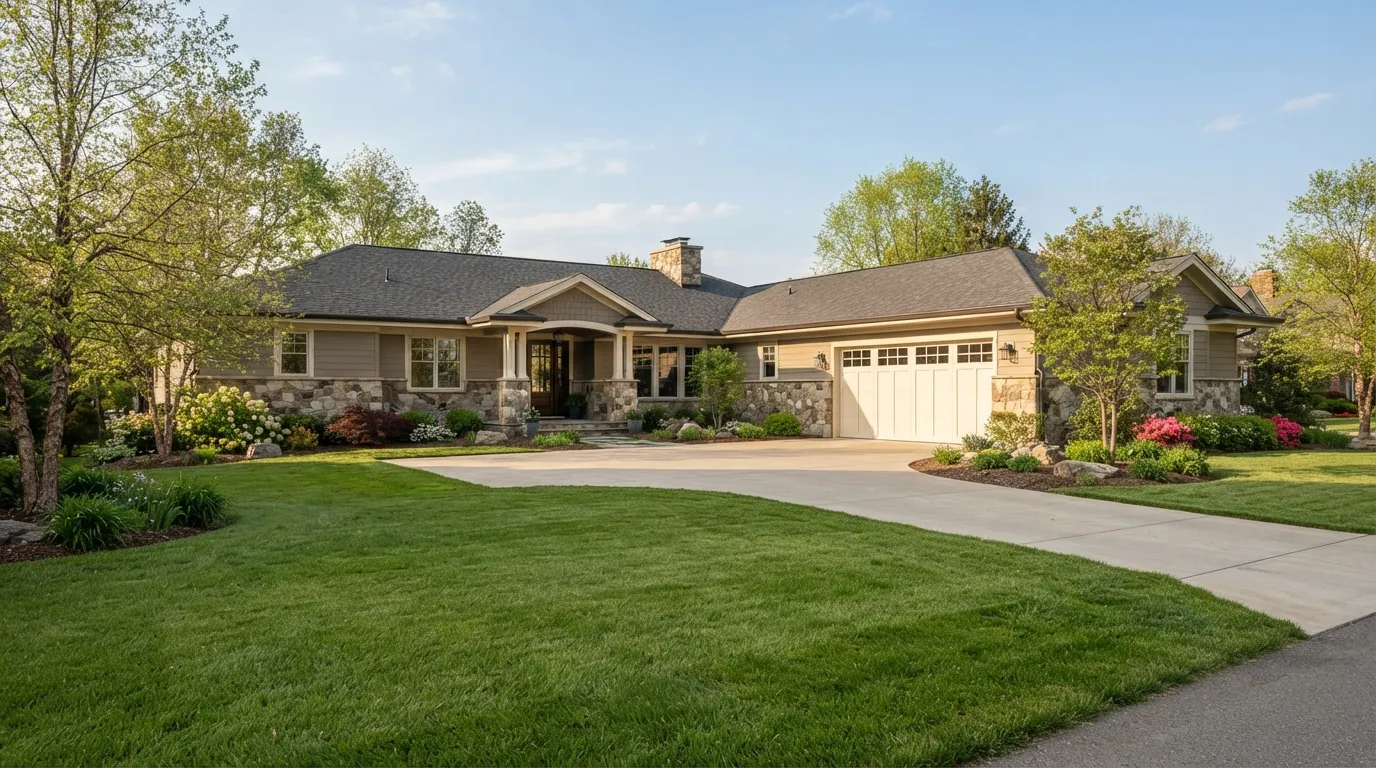
We don't have a street-by-street list for Warren, but the housing stock across this part of the service area runs from 1938 to 1989, with the median build year landing around 1965. That puts a lot of Warren garages in the same bracket as the rest of the region's 1960s and '70s construction. Doors from that era were built for a different climate reality and a different set of expectations. Torsion springs sized for lighter panels, single-run cable setups, and openers that have long since been swapped out at least once - sometimes more than once, sometimes not at all. If your garage hasn't been touched since the house was built, the spring is likely original or close to it, and that's not a guess we make lightly, it's just what the age range tells us. We won't pretend to know which block you're on or what your door looks like from the driveway. What we can tell you is that a house from this build window almost never has the hardware a big-box store stocks off the shelf, and that mismatch is the most common reason a quick fix turns into a return visit.
Where This Is
Warren sits about 19 miles east-northeast of downtown Springfield, out past West Warren and well beyond the closer-in areas like East Longmeadow or Wilbraham. It's one of the farther points we cover, which matters for how a call gets scheduled - a job out here isn't the same drive as one in Forest Park or Metro Center. We're not going to claim we know every corner of town, but the distance and direction are real, and it factors into when we can get a truck there and how we plan the day.
Typical Work
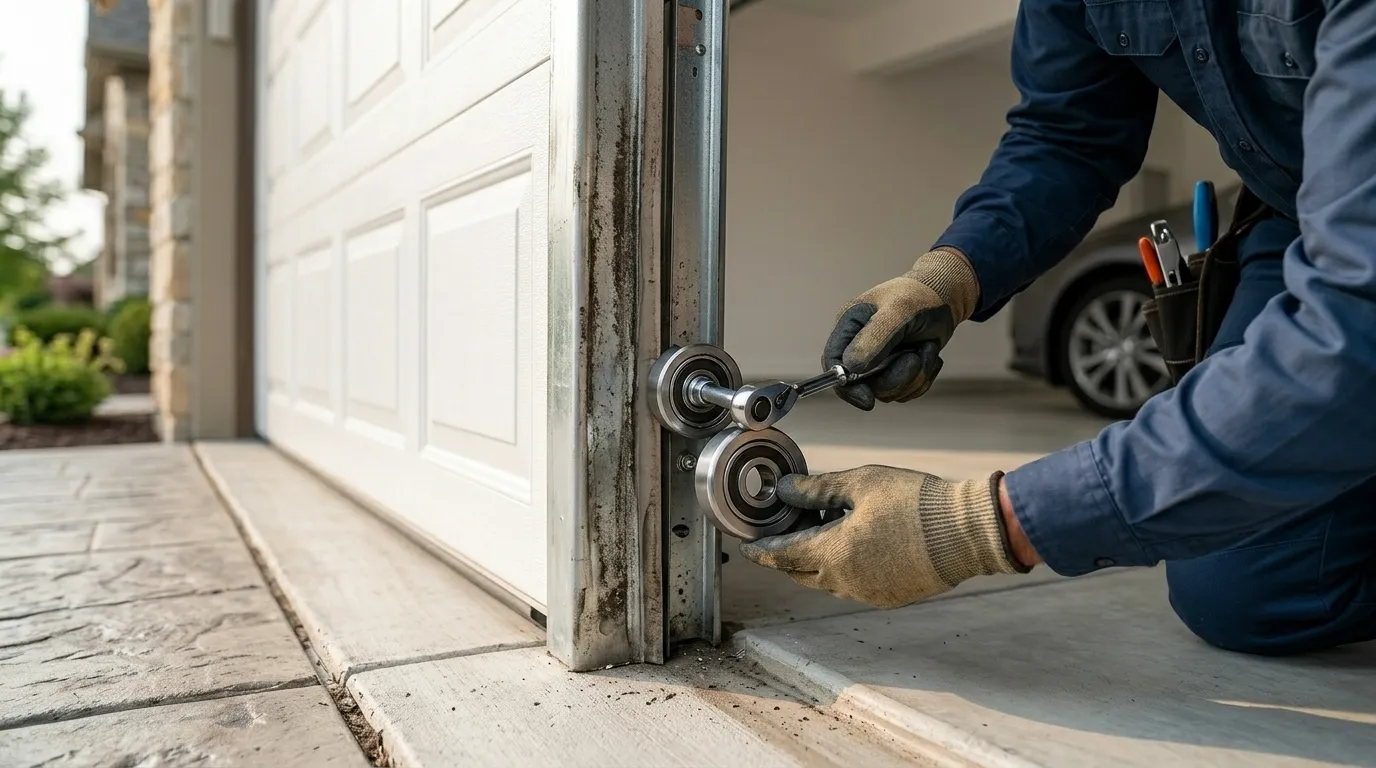
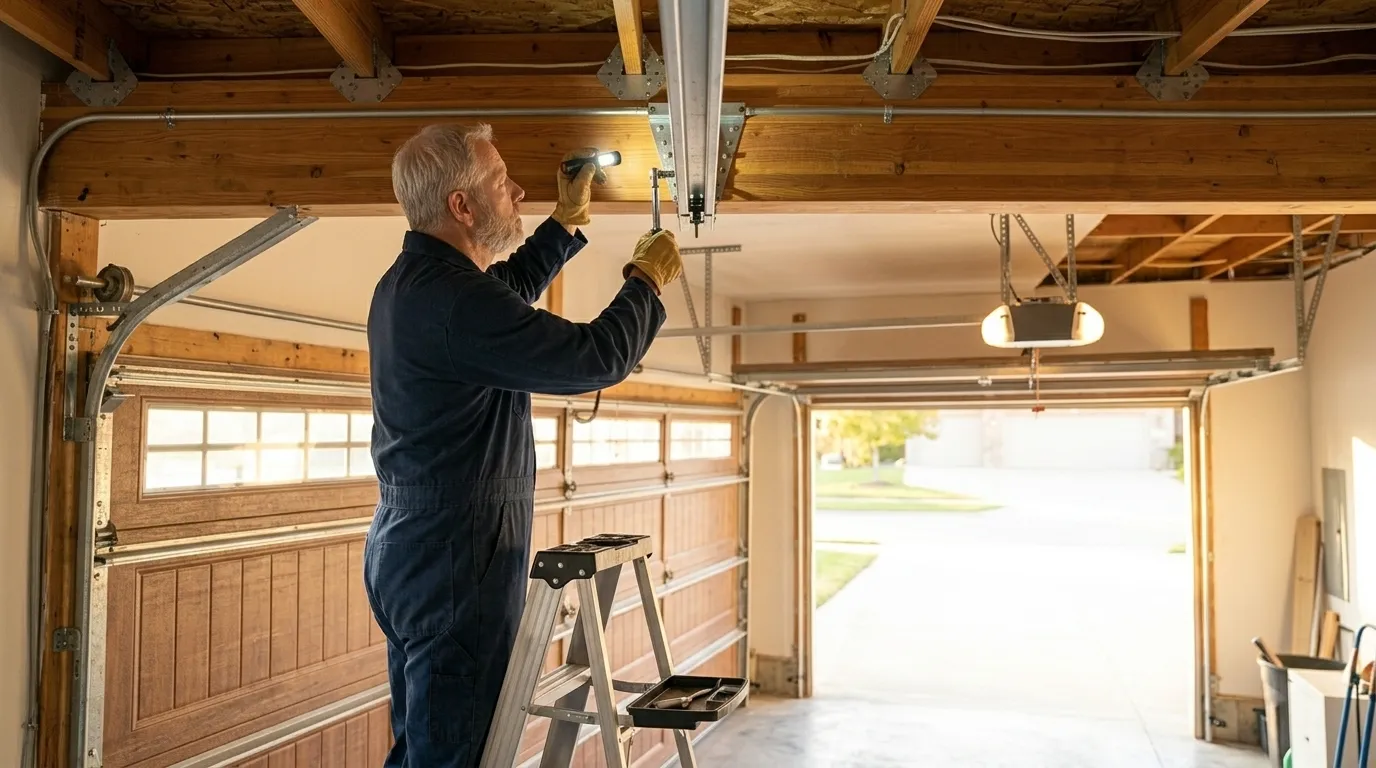
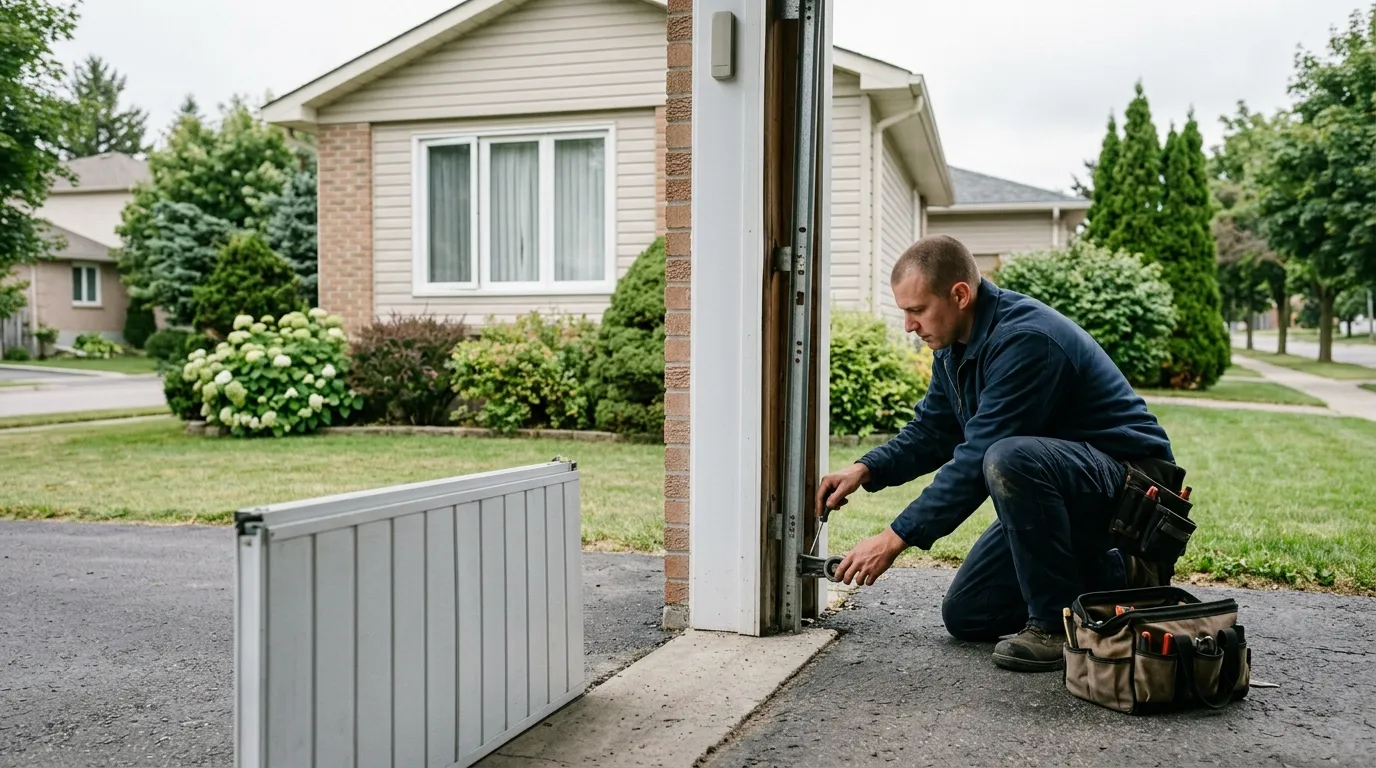
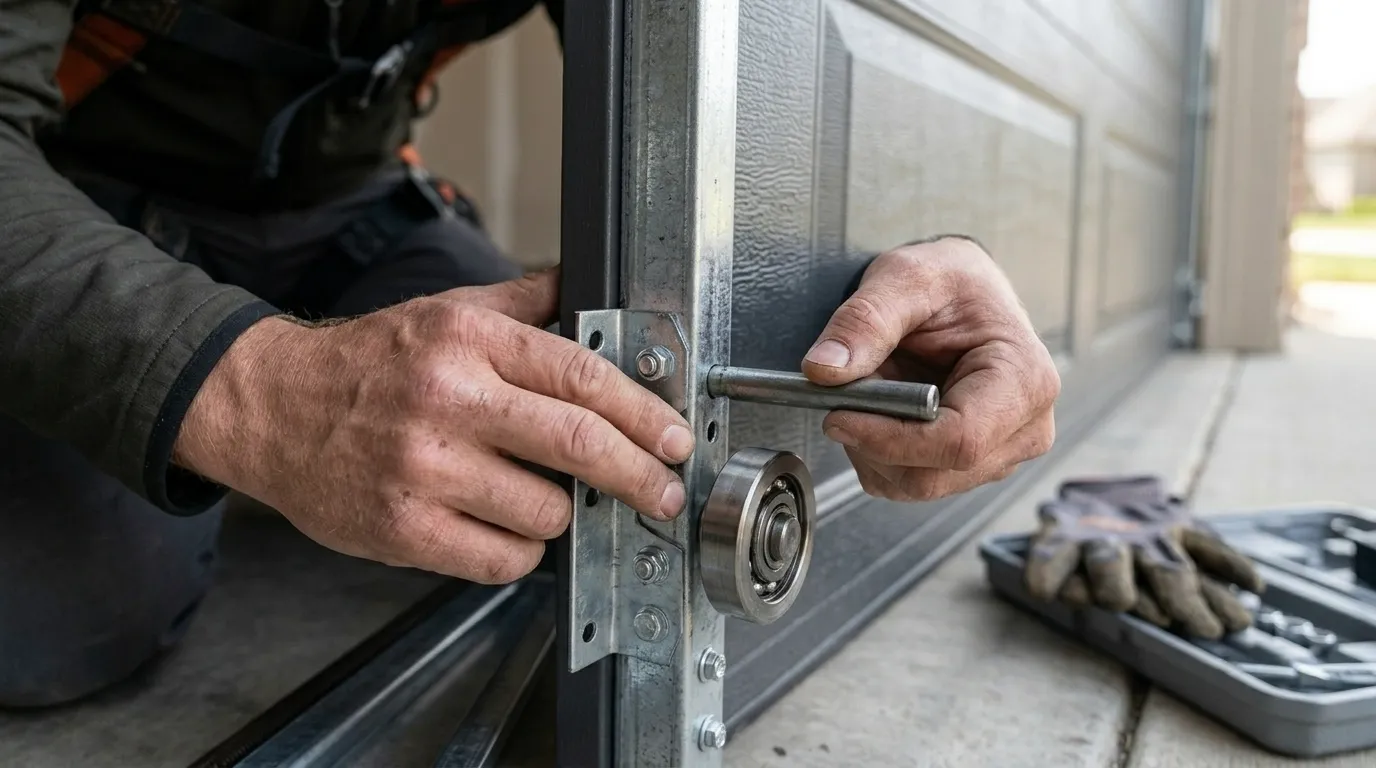
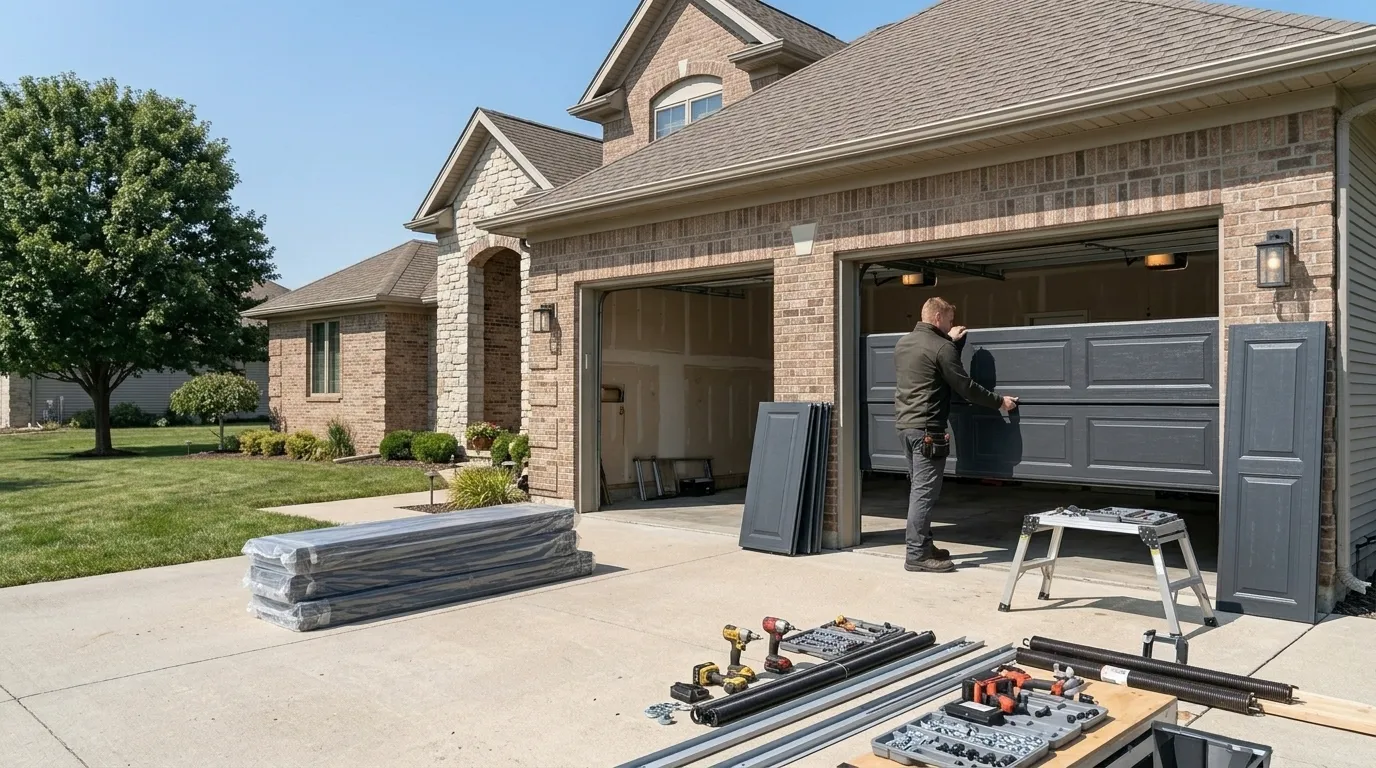
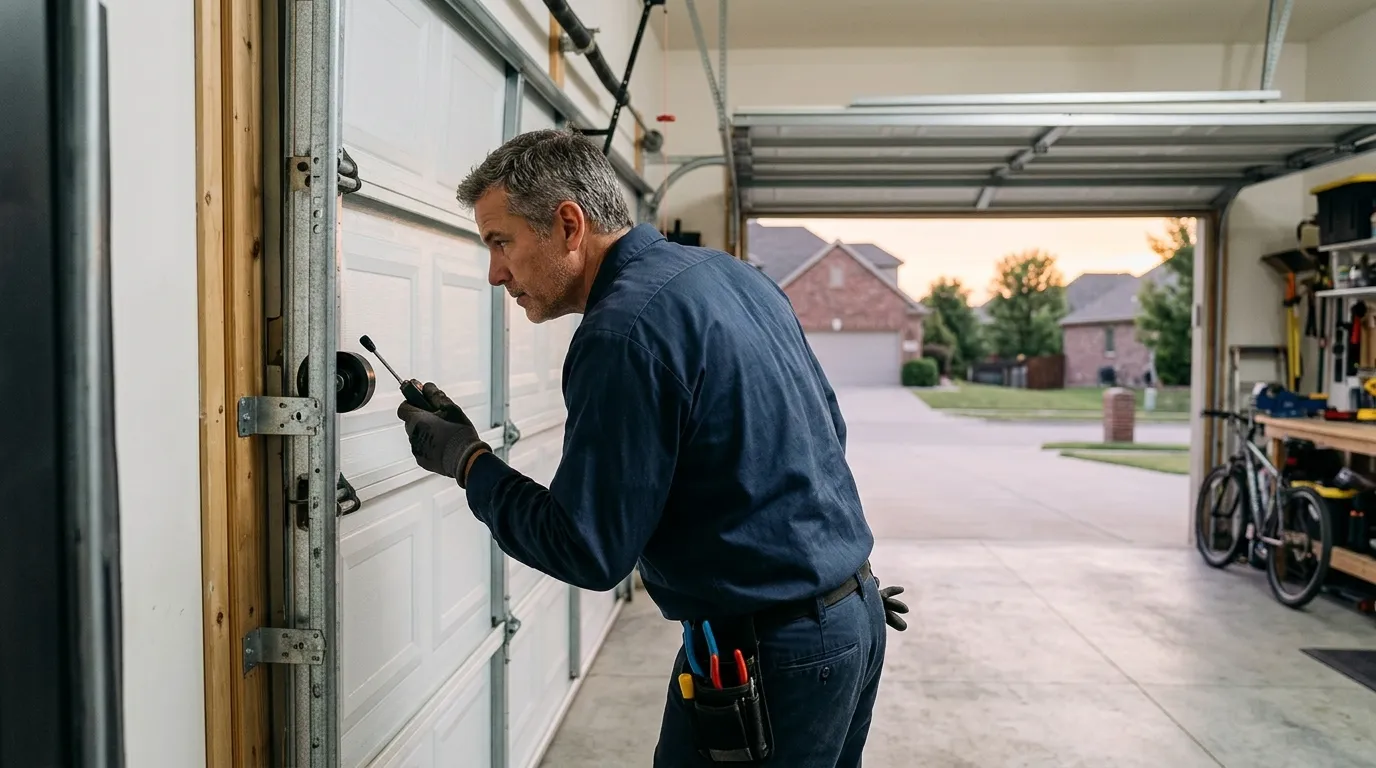
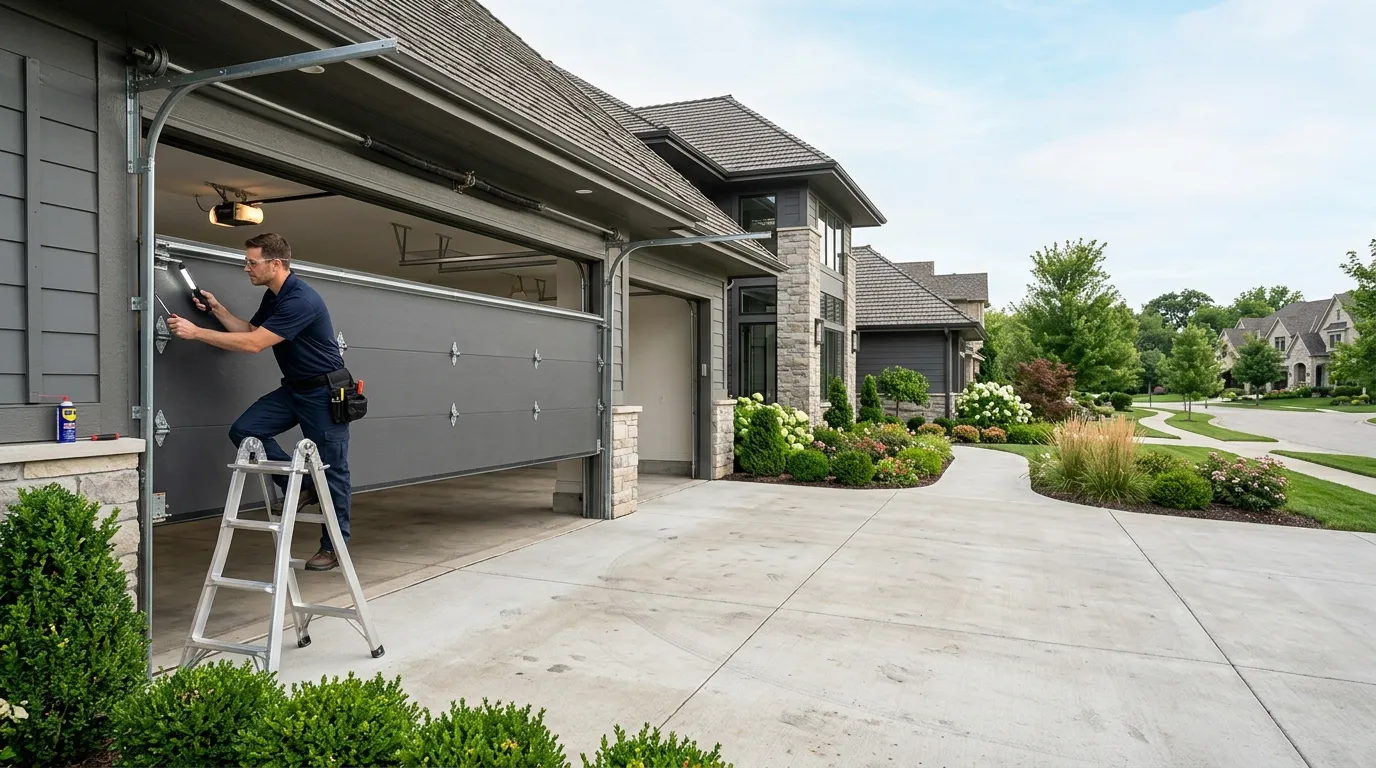
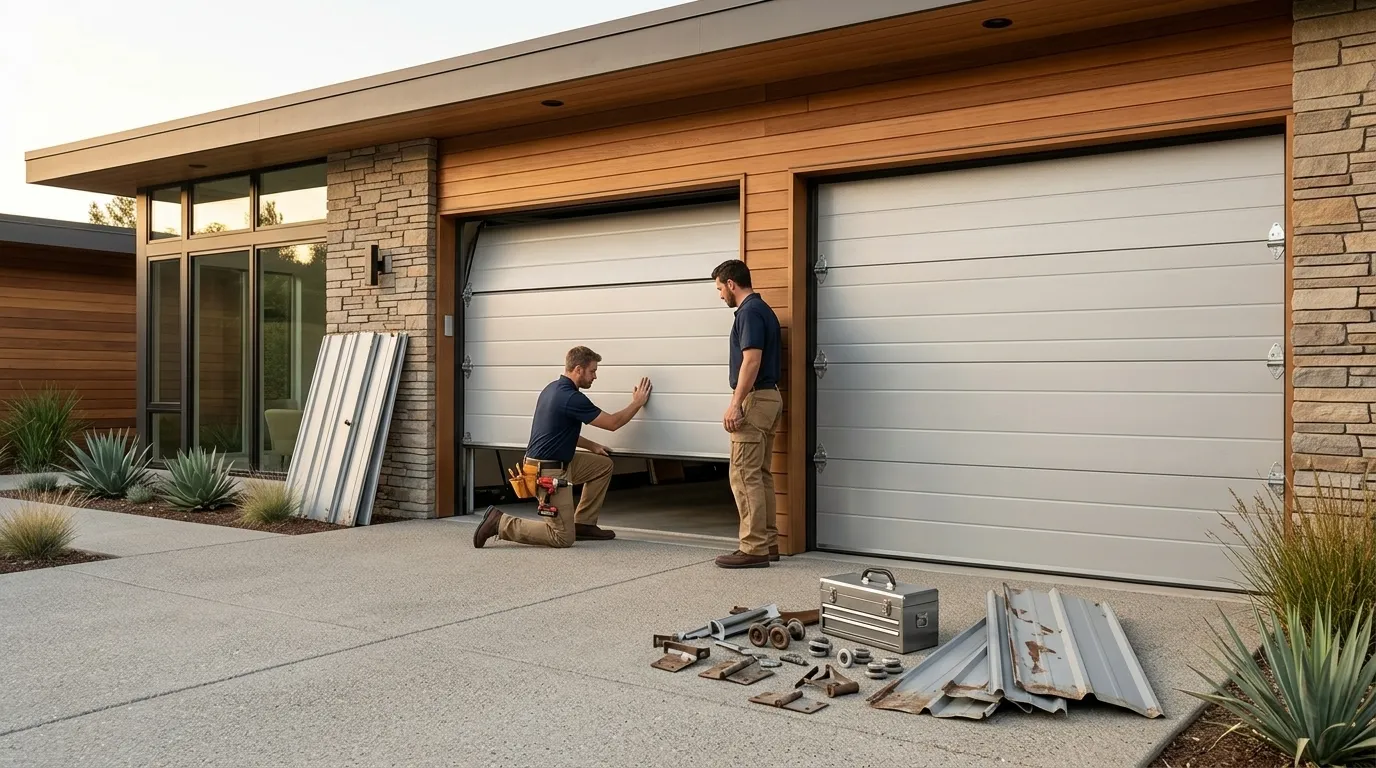
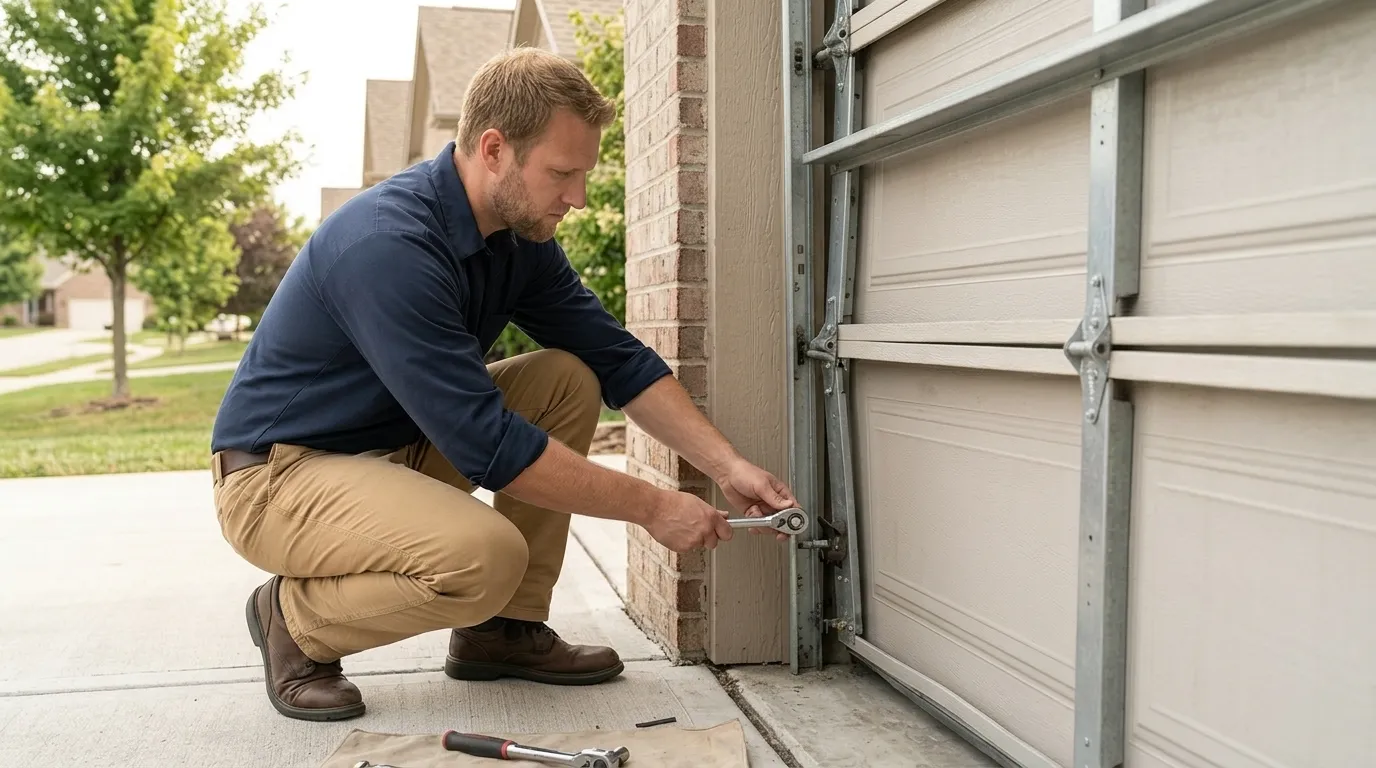
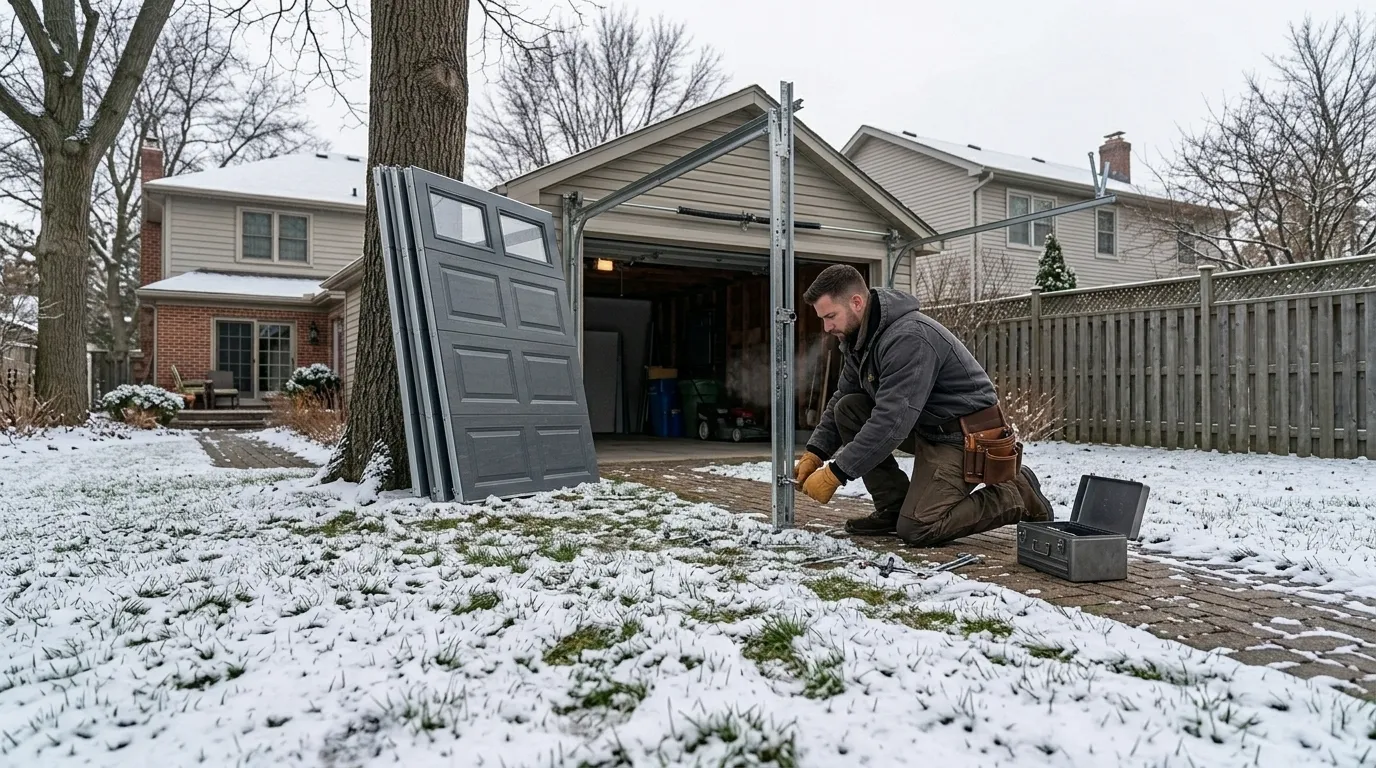
On houses from the 1938-1989 window, the calls we get tend to repeat: a torsion spring that finally lets go after decades of cycles, rollers that have worn grooves into the track, and openers original to a mid-century remodel that just stop responding. Cold-climate wear shows up here too - this is a severe cold zone, and steel springs and cables that spend all winter contracting and expanding fail faster than the same parts would somewhere milder. We handle spring replacement, cable and roller work, and opener swaps. What we don't do is guess at a fix over the phone for a door we haven't seen - on an older setup, half the job is figuring out what's actually original and what's already been patched by somebody else.
The Doors Around Here
Given the build era, a fair number of doors in Warren are either the original steel panel unit or a first-generation replacement from the '80s or '90s. Both categories are past the point where
How it works
From “it’s stuck” to “it’s fixed”
1
Tell us what’s wrong
Describe the symptom - won’t open, loud bang, opener runs but the door won’t move.
2
On-site diagnosis
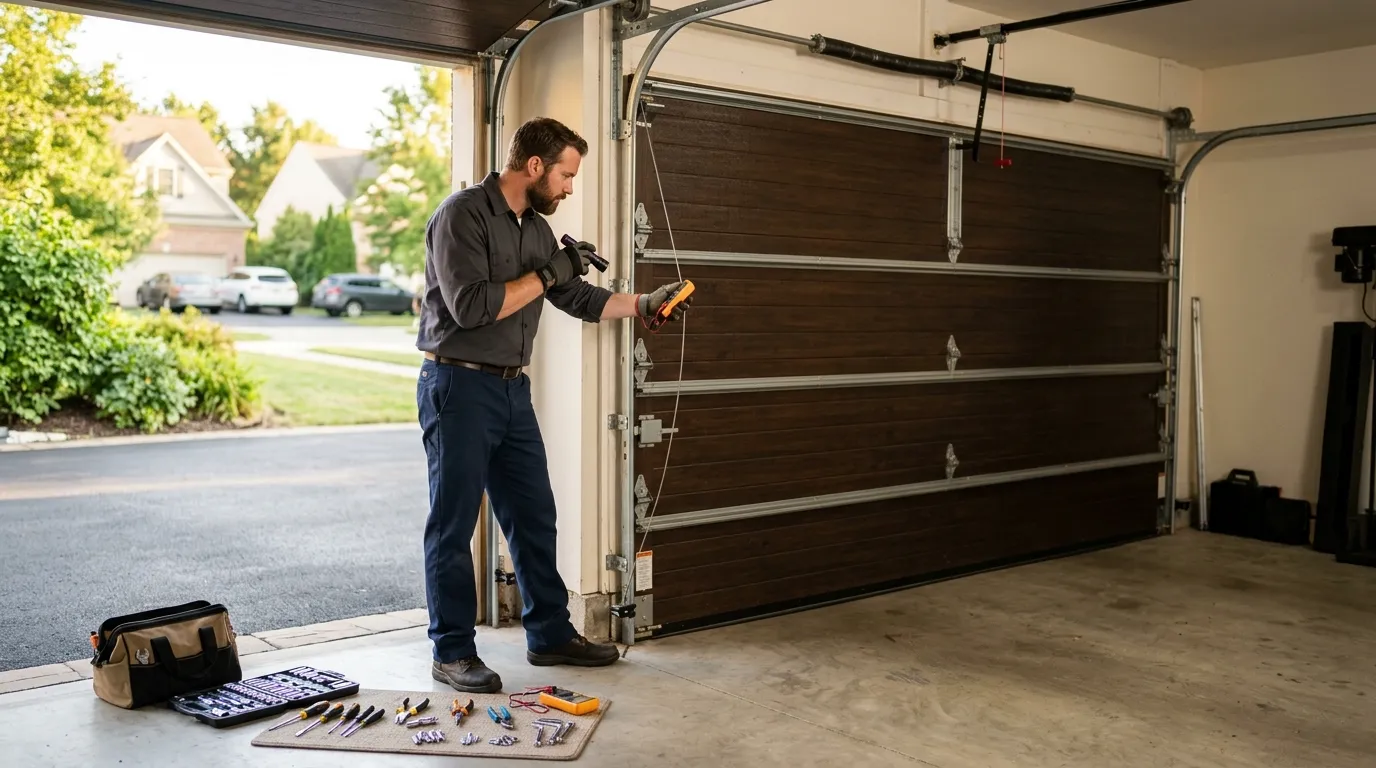
A technician tests the door under power and by hand and finds what actually failed.
3
Clear, up-front plan
You get the fix that’s needed and what drives the cost - before any work starts.
4
Repaired & tested
The repair is done, the door is set true and tested, and the work area left clean.
Serving Springfield, MA - tell us what your door’s doing and we’ll take it from there.
Straight answers about garage door repair in Springfield. Still unsure? Ask us directly.
How far out is Warren from your base?
Warren is about 19 miles east-northeast of downtown Springfield, which puts it among the farther towns we cover. It doesn't change the work we do, but it does affect scheduling, so same-day slots are more limited than for closer neighborhoods.
Is a house built in the 1960s likely to still have its original spring?
It's possible. A lot of the housing stock in this part of the service area was built between 1938 and 1989, median around 1965, and plenty of those garages never had the spring swapped. If it's original, it's well past any reasonable service life.
Do cold winters really affect garage door hardware?
Yes. This area sits in a severe cold climate band, and steel springs and cables that cycle through hard freezes and thaws all winter wear faster than the same parts in a milder climate. It's one more reason older, original hardware tends to fail here rather than just age gracefully.
Can you tell me what my door needs without seeing it?
Not honestly. We can talk through symptoms on the phone, but on a house this age we often find prior patch jobs or mismatched parts that change the fix. We'd rather look at it than guess and have you pay twice.