Checking It Yourself
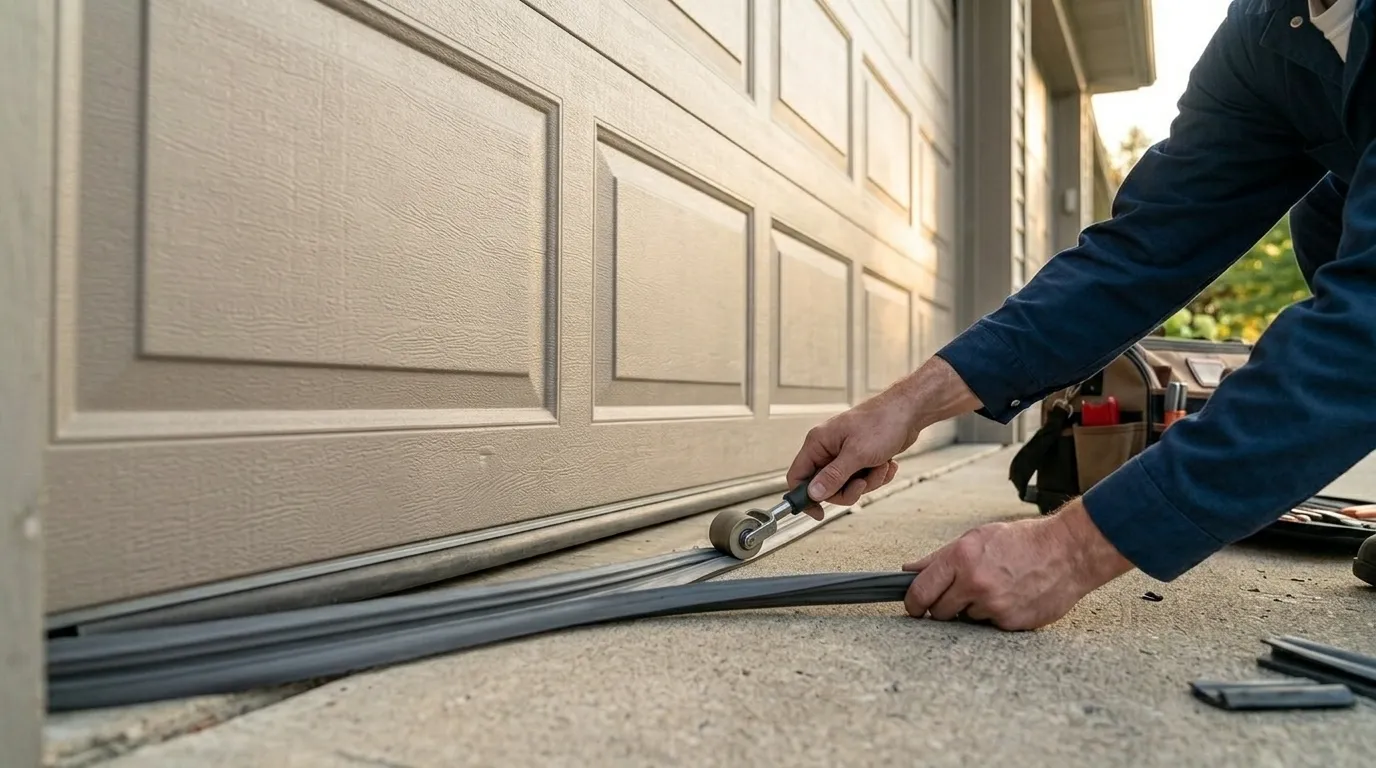
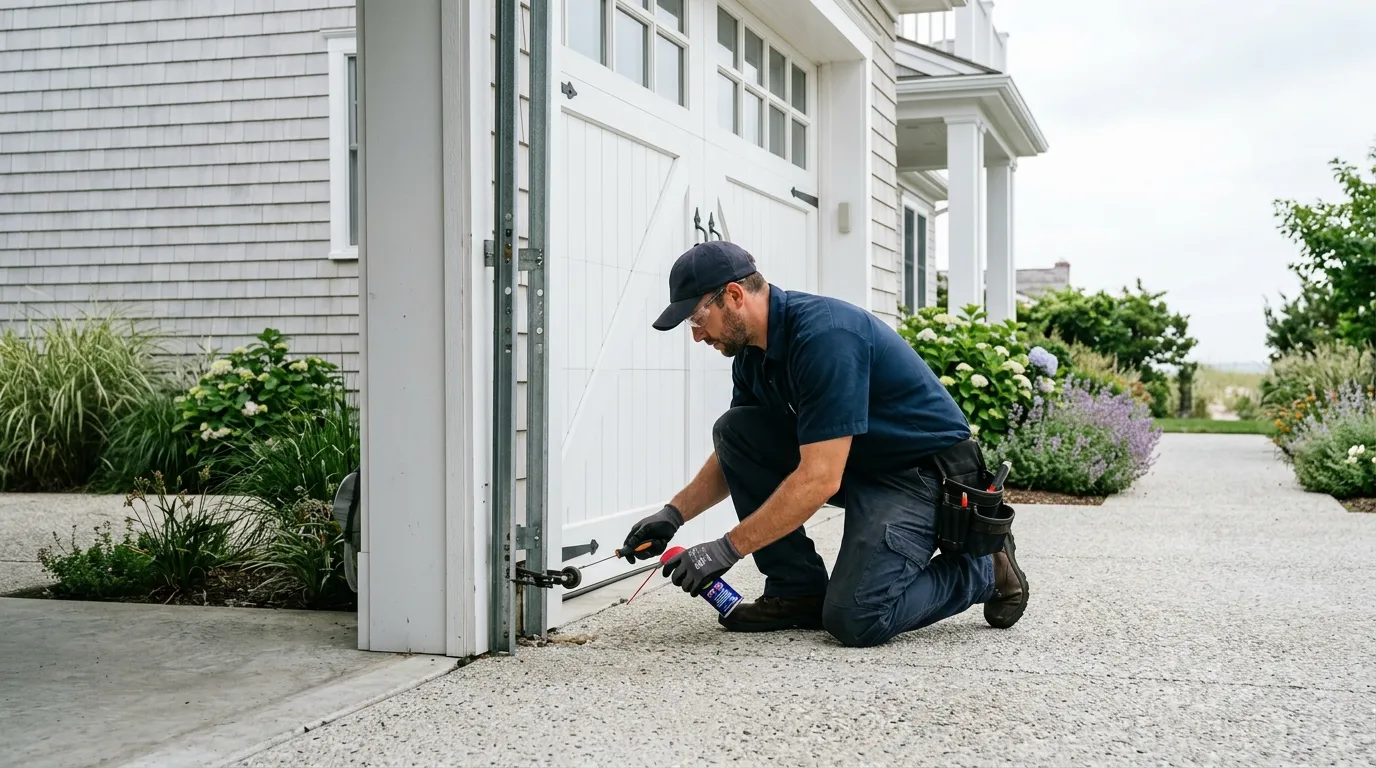
Start at the bottom seal. On a 1960s-era door in this climate band, the rubber gasket along the floor is the first thing to harden and crack, and a hardened seal lets cold air and meltwater straight into the garage. Press a thumb into it - if it doesn't flex back, it's done.
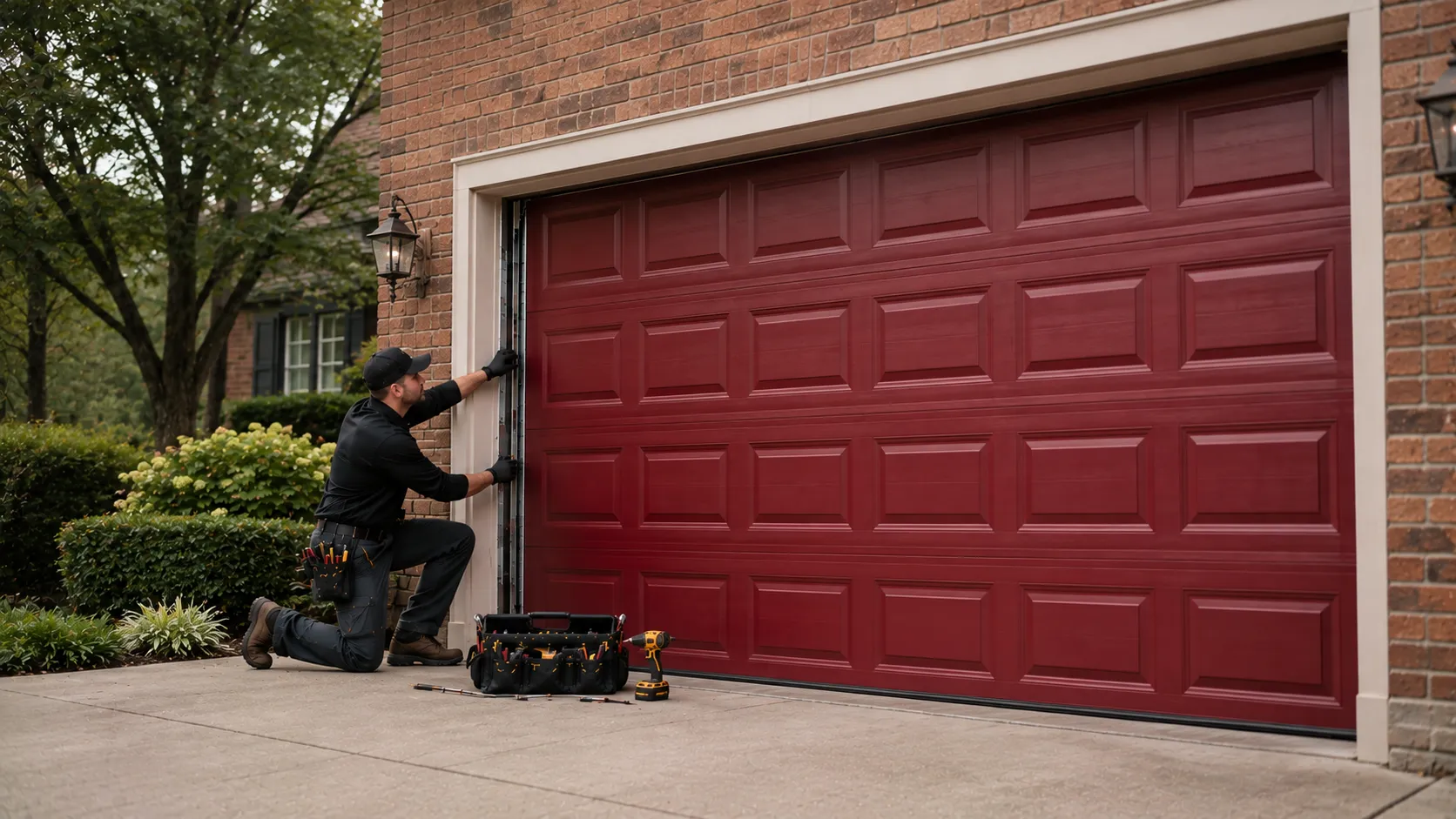
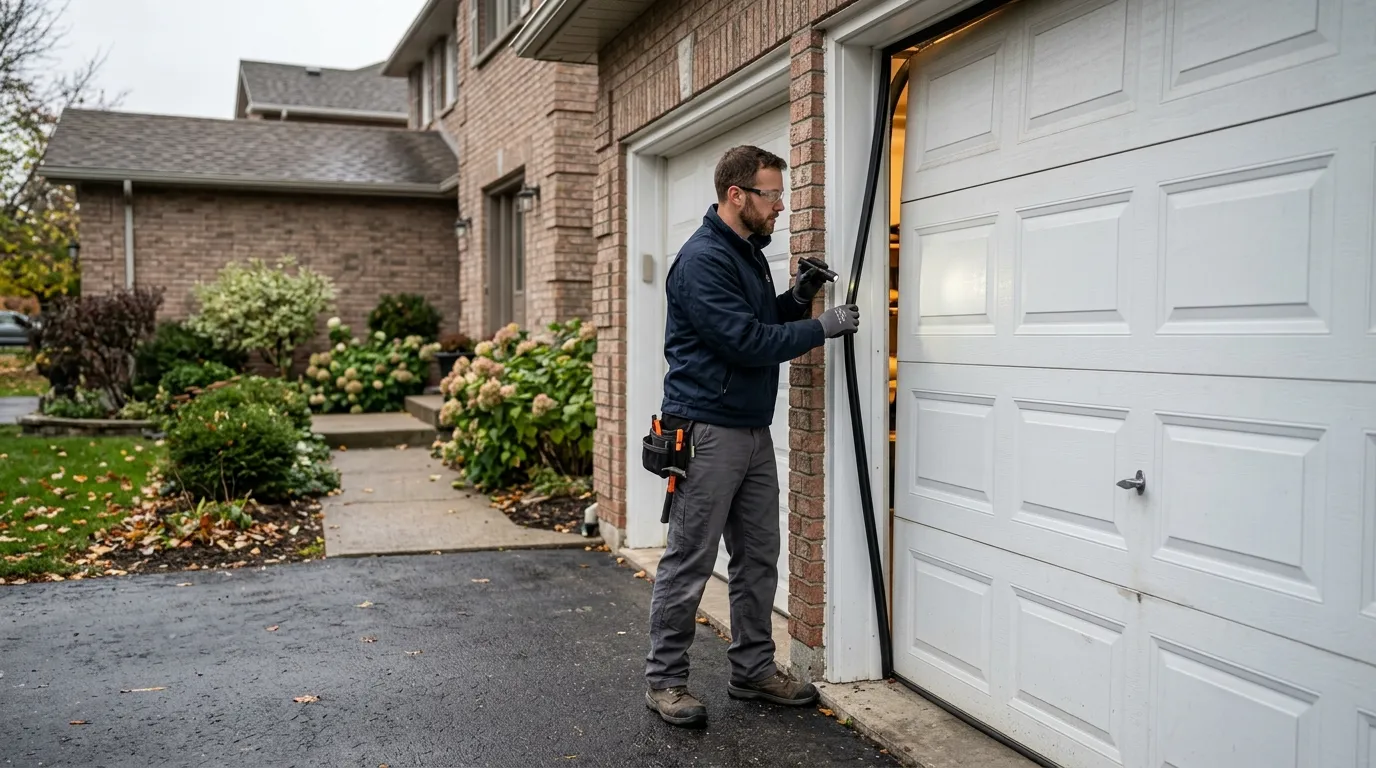
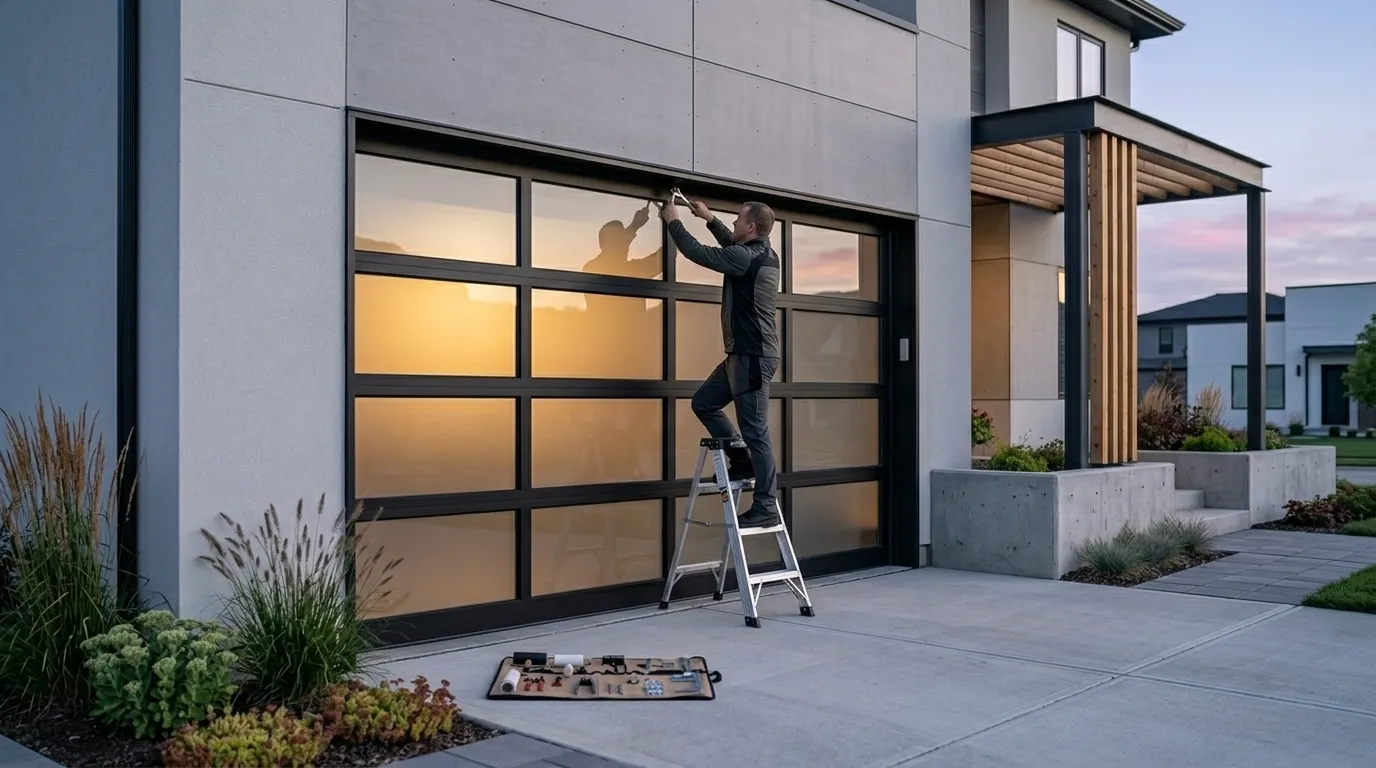
Next, run your hand along the side and top weather seals where the panel meets the frame. On older tracks and jambs that have shifted slightly over sixty years of freeze-thaw, you'll often feel a draught before you see daylight through the gap. That draught is the tell.
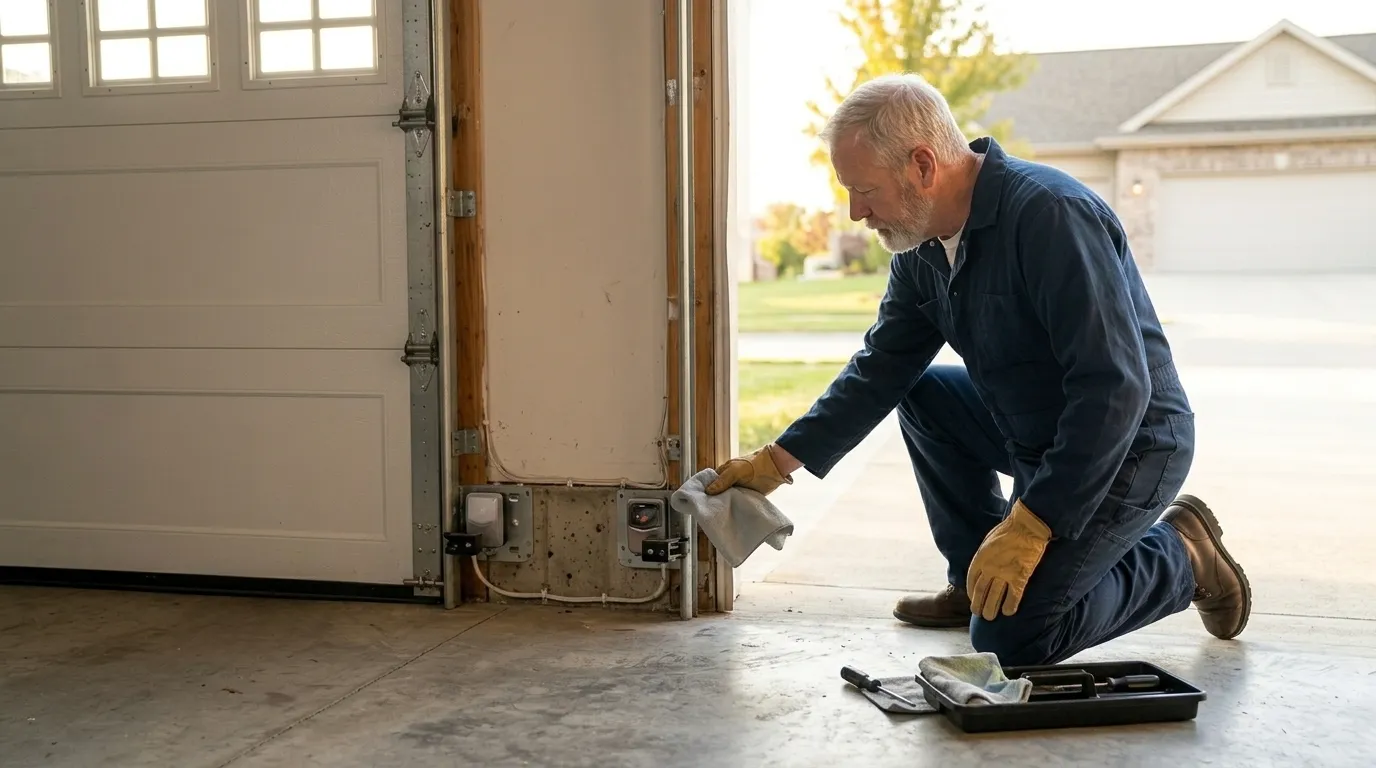
Then look at the torsion spring and cable. Cold makes steel more brittle, not less, and a spring that's cycled through decades of severe winters is closer to its fatigue limit than its rating card suggests. You're not diagnosing a break, you're looking for rust bloom at the coil ends and any fraying on the cable near the drum. If either shows up, that's not a weekend fix - that's a call.
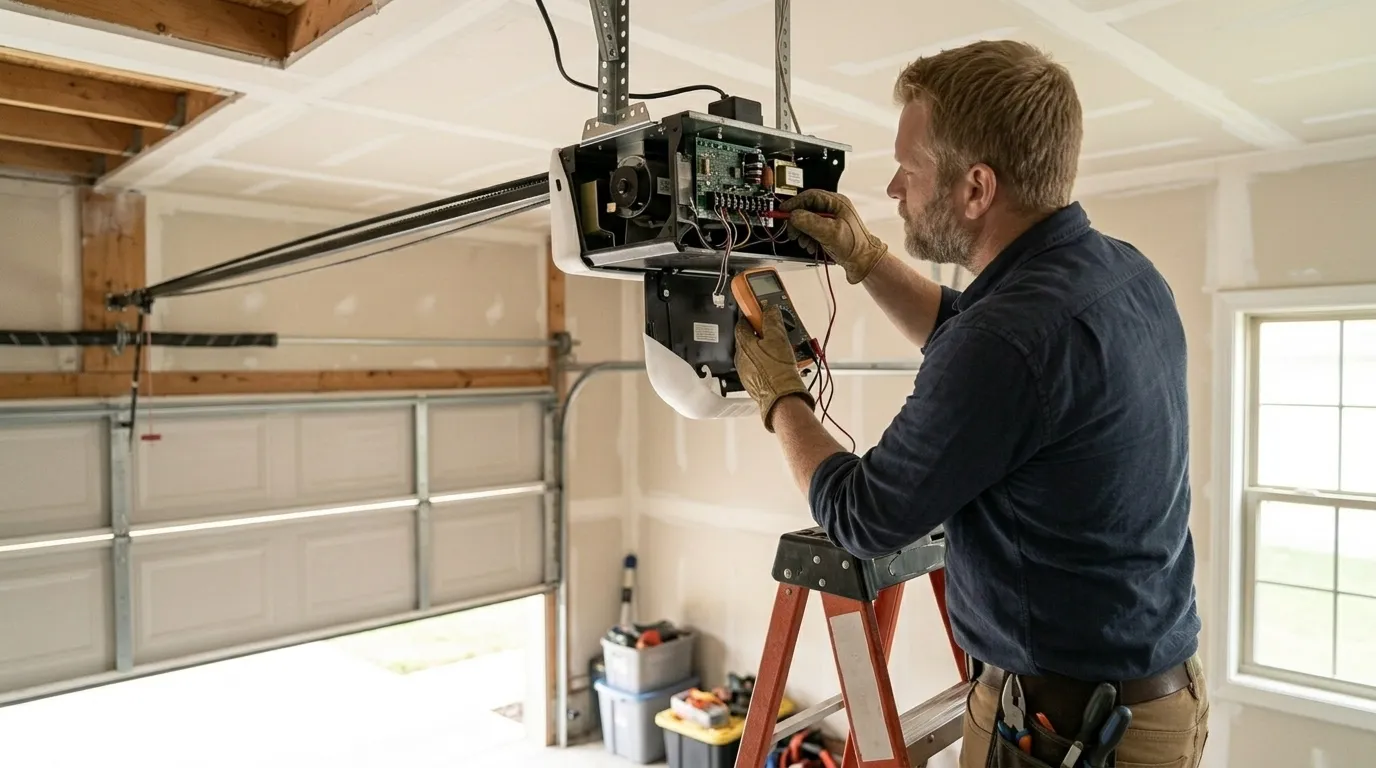
Last, listen to the opener. A motor working harder in cold months because the door's binding on ice-stiffened rollers will hum different than it did in July. That change in sound is data, not paranoia.
The Common Mistake
The mistake we see most in houses across this service area - Sixteen Acres, East Springfield, out toward Wilbraham - is treating the weather seal like cosmetic trim instead of the only thing standing between the garage and outside air. People replace the opener, tighten the track, even swap a spring, and leave the original 1960s-vintage bottom seal because it still looks intact from three feet away.
A cracked or compressed seal doesn't fail all at once. It fails by degree, and each degree costs you in ice buildup on the slab, in a door that drags in January, and eventually in a track that's been fighting frozen rollers long enough to bend. By the time the door won't open, the seal problem has usually been visible for two winters.
We won't tell you a $12 seal fixes every cold-weather symptom. If the track's already out of plumb or the spring is showing wear, the seal is necessary but not sufficient, and no amount of new weatherstripping substitutes for correcting hardware that's genuinely tired. That's the honest limit of a seal job: it stops air, it doesn't straighten steel.