Liberty Heights: Garage Doors Built for 1960s and 70s Homes
Garage door repair for Liberty Heights homes near Springfield, MA, built mostly in the 1960s and 70s, sized for cold-climate torsion springs and hardware.
Liberty Heights sits inside a stretch of Springfield where the housing stock runs older than most people guess. Across the wider service area, homes were built between 1938 and 1989, and the bulk of that construction lands in the 1960s and 70s. That matters more than it sounds like it should, because a door installed on a house built in 1965 has usually been replaced once already, and the hardware behind it - the track brackets, the spring anchor, the header clearance - was sized for panel weights and door widths that were standard fifty-some years ago. We don't have street-level records for this neighborhood, so we won't pretend to know which block has which vintage. What we do know is the pattern: original torsion setups on these homes are frequently undersized for the insulated steel doors homeowners have swapped in since, which throws off spring balance and shortens opener life. If your door feels heavy to lift by hand, or the opener strains and slows partway up, that mismatch is the first thing worth checking, not the motor.
Where This Is
Liberty Heights is about 2 miles WNW of downtown Springfield. East Springfield sits roughly 2 miles NNW, Metro Center is about 2 miles WSW, and Memorial Square is around 3 miles west. Forest Park is close by too, about 2 miles SSW. That puts Liberty Heights among the closer-in neighborhoods on this side of the city, rather than out toward the towns that ring Springfield at greater distances. We work this pocket along with the rest of the city's named areas, and the same service area extends out to East Longmeadow, Longmeadow, and Wilbraham a few miles further on. Knowing exactly where a neighborhood sits relative to downtown and its neighbors isn't just geography for its own sake - it tells us what housing era we're likely walking into before we even open the truck, and it means a call from Liberty Heights doesn't route through unfamiliar territory.
Typical Work
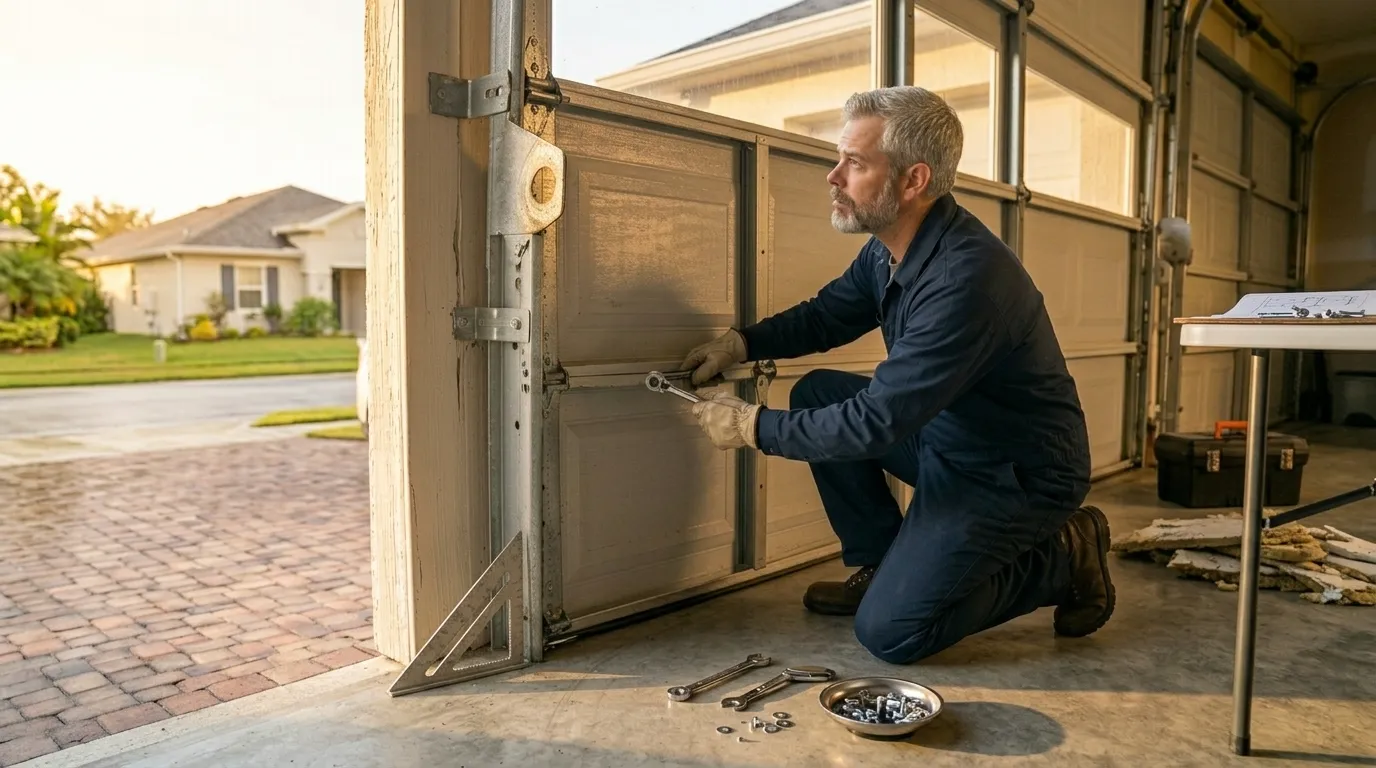
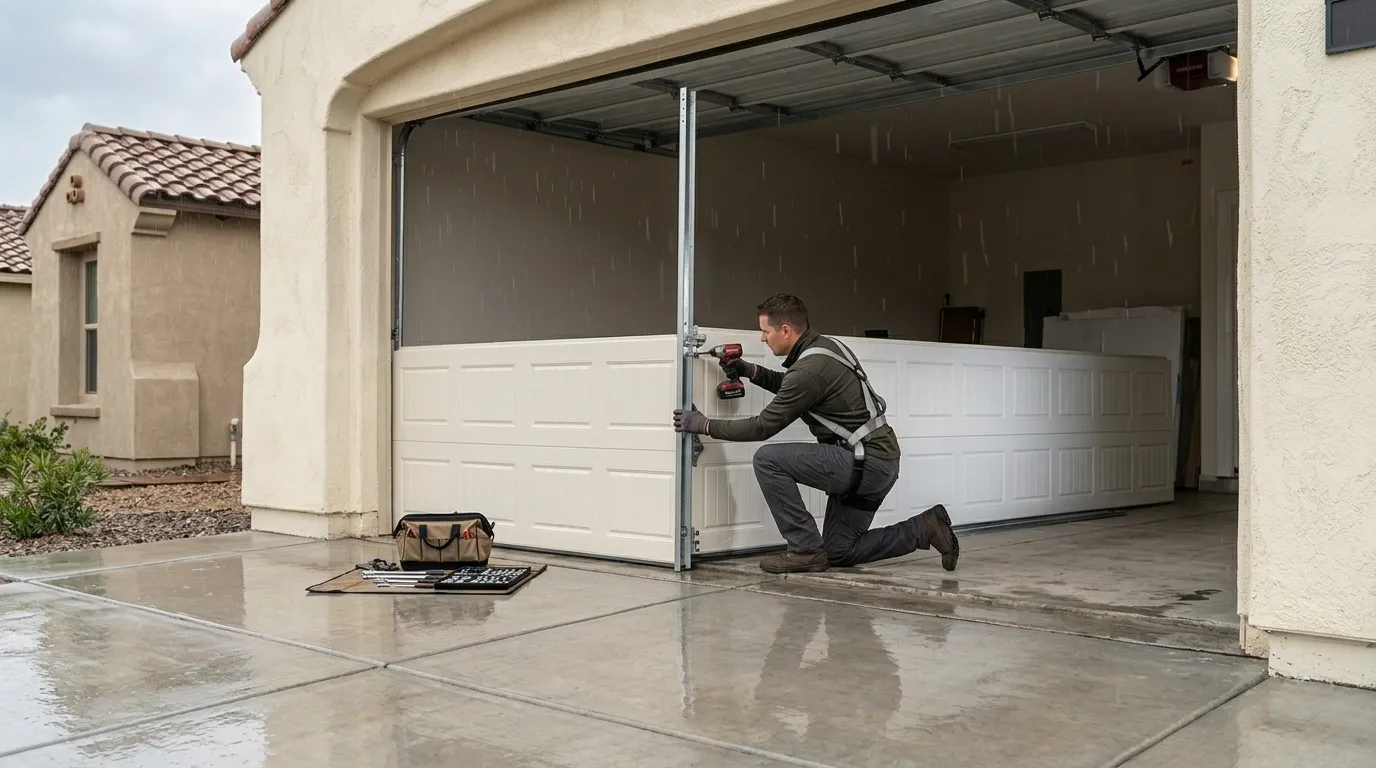
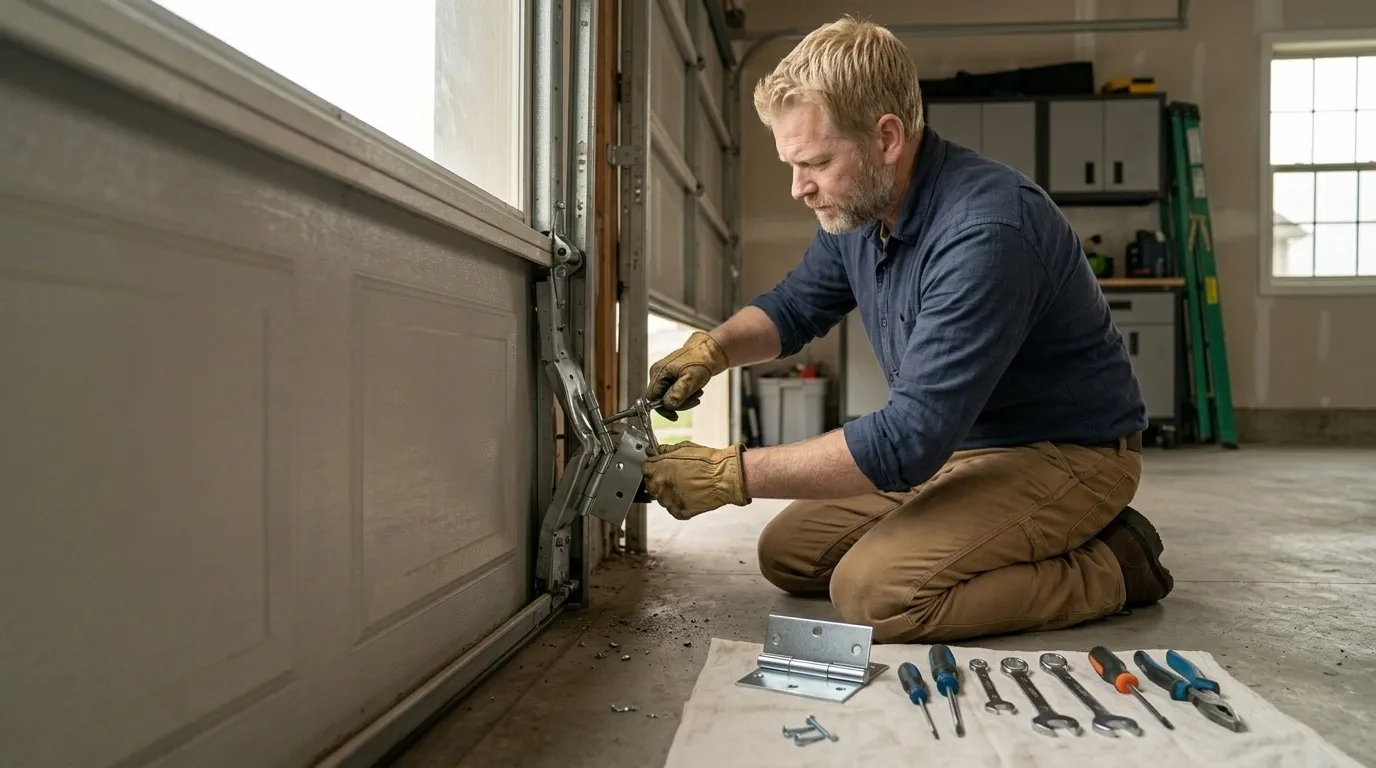
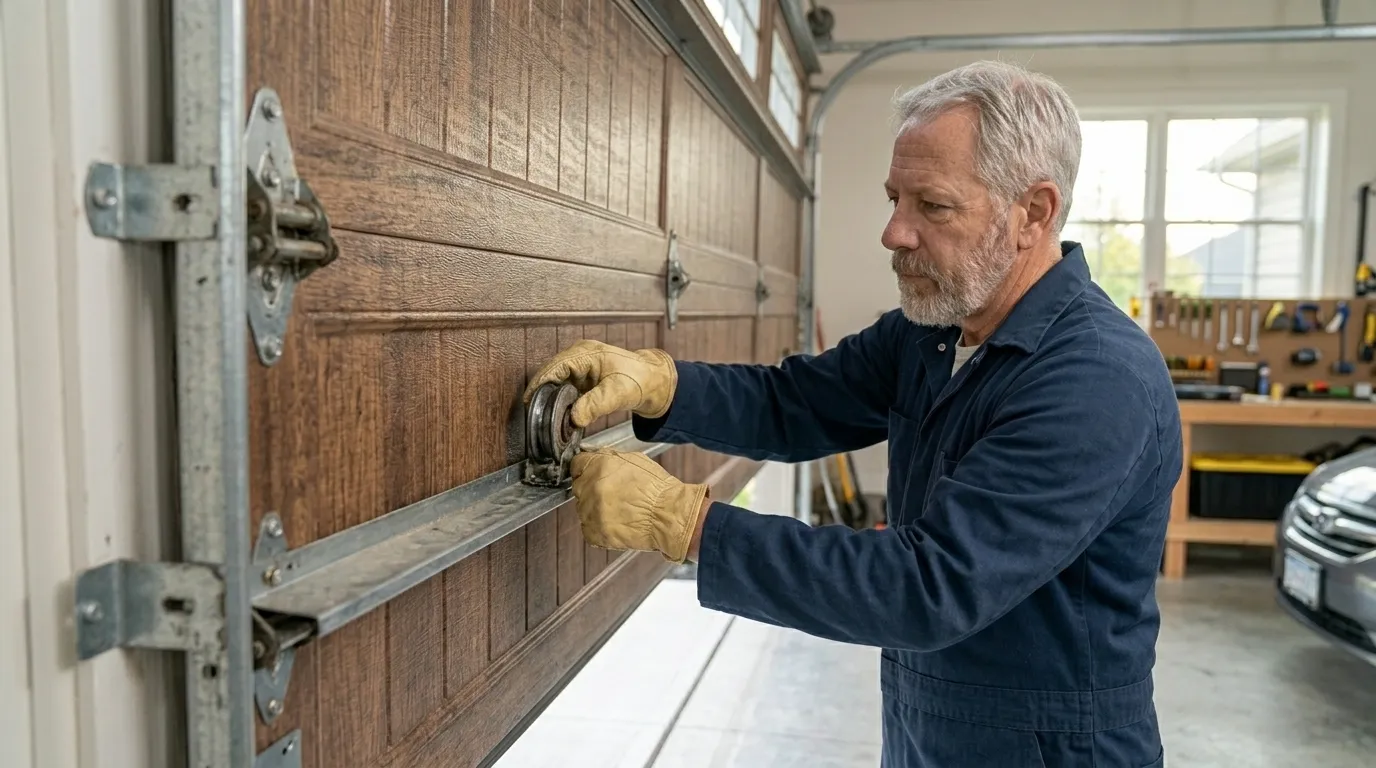
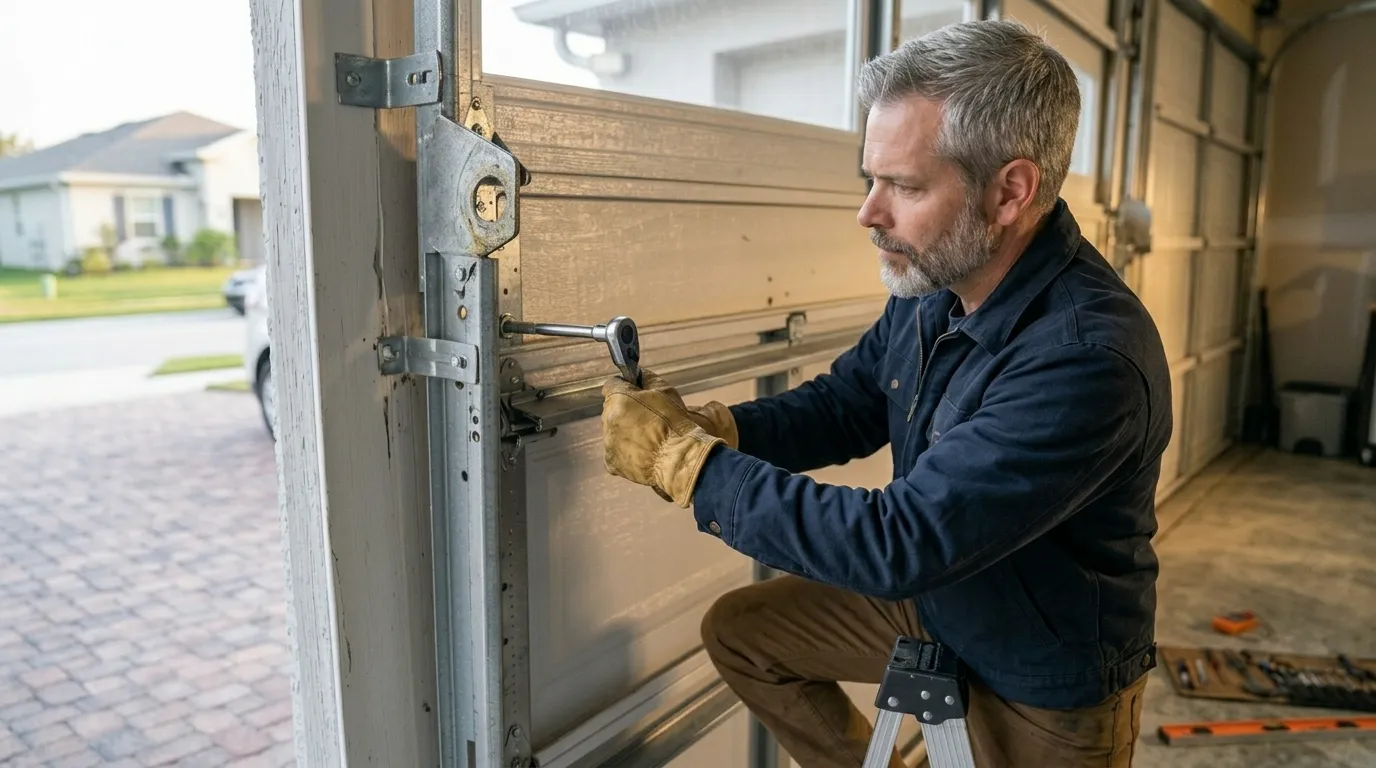
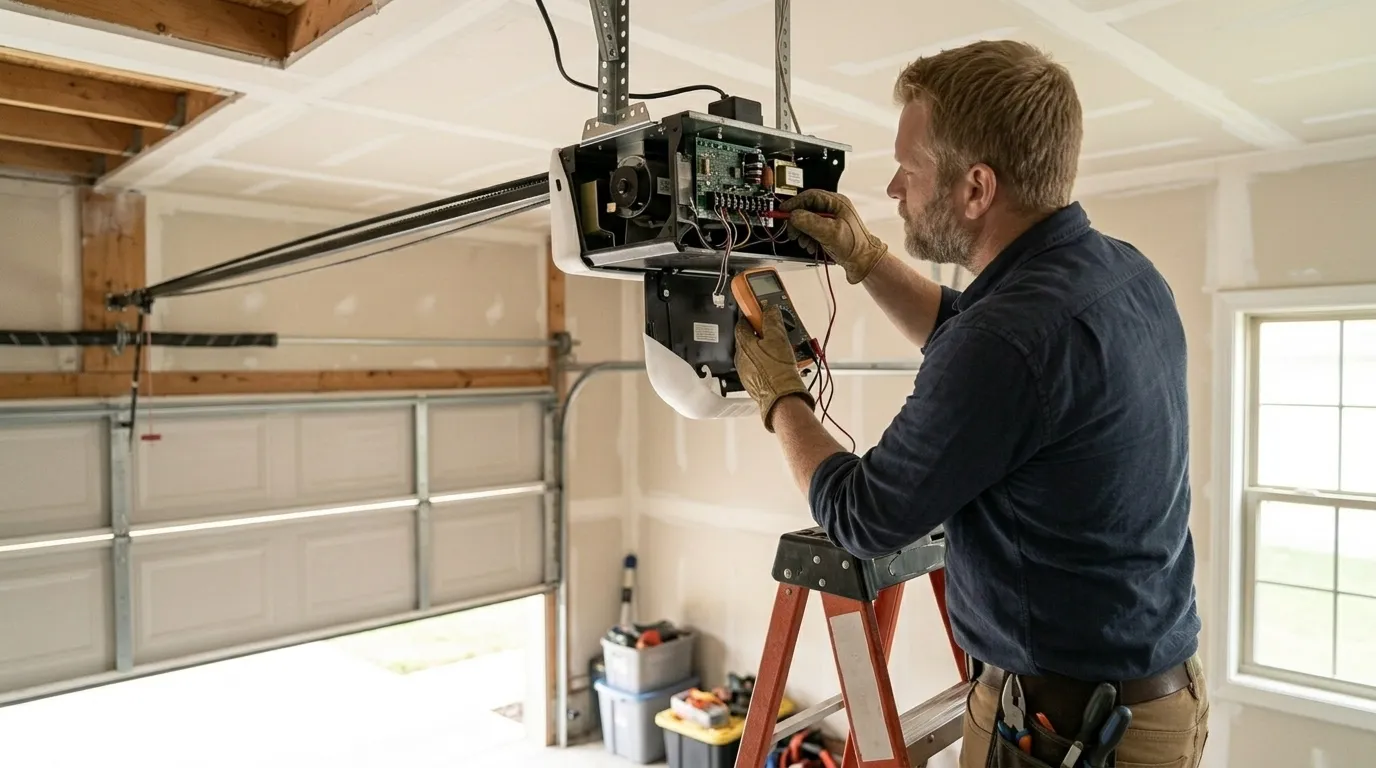
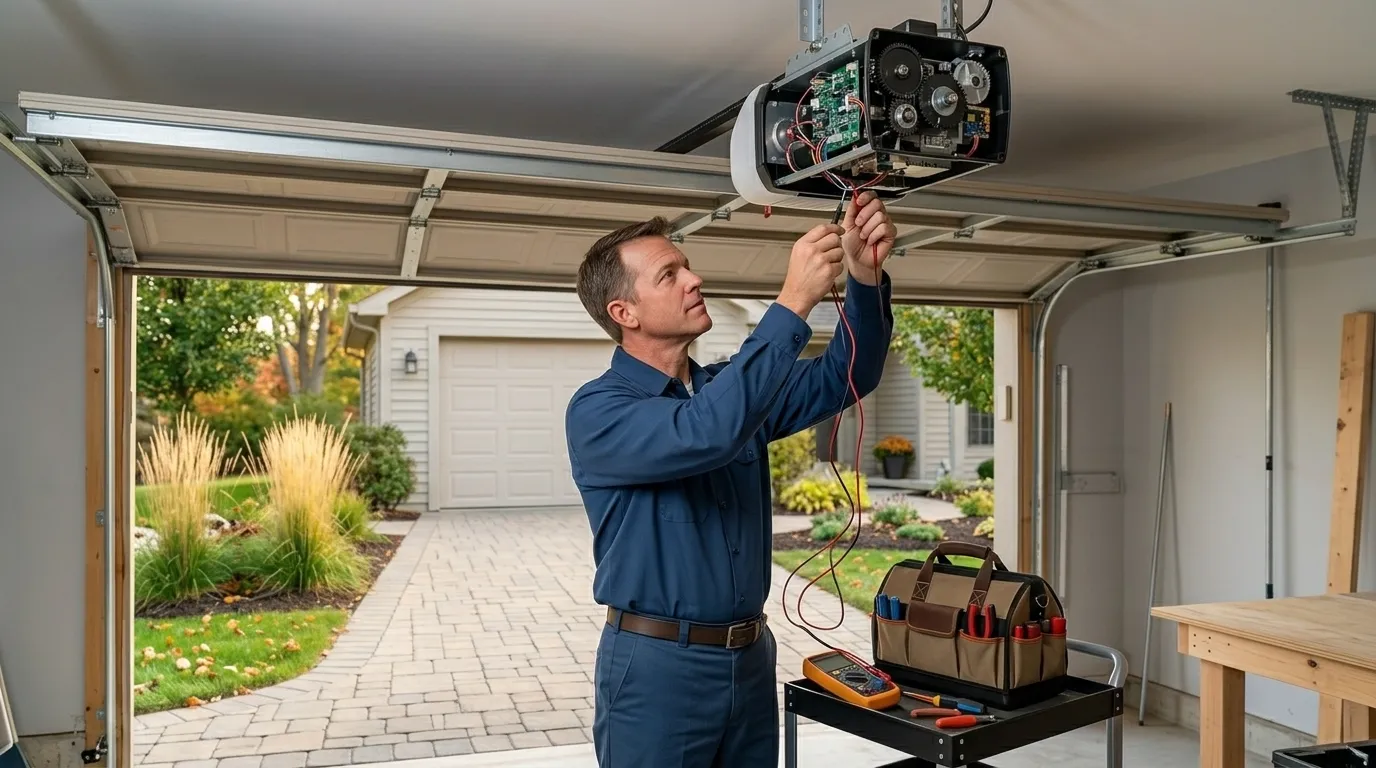
Springfield sits in a climate band the federal data marks as cold, and severely so. That shows up in garage doors as brittle plastic rollers, stiff torsion springs that snap on a cold morning instead of a mild one, and openers that draw harder in winter because the door itself has gotten heavier to lift with age. On houses from the 1960s and 70s, the most common calls we see are broken torsion springs, worn rollers on the original track, and openers that have simply outlived their gearing. Cable fraying near the bottom bracket is common too, especially on doors that haven't had the hardware serviced since installation. We don't do full home renovation work or structural framing around the opening - if the header or jamb has shifted enough to need carpentry, that's a call for a contractor first, and we'll say so rather than force a door into an opening that isn't square.
The Doors Around Here
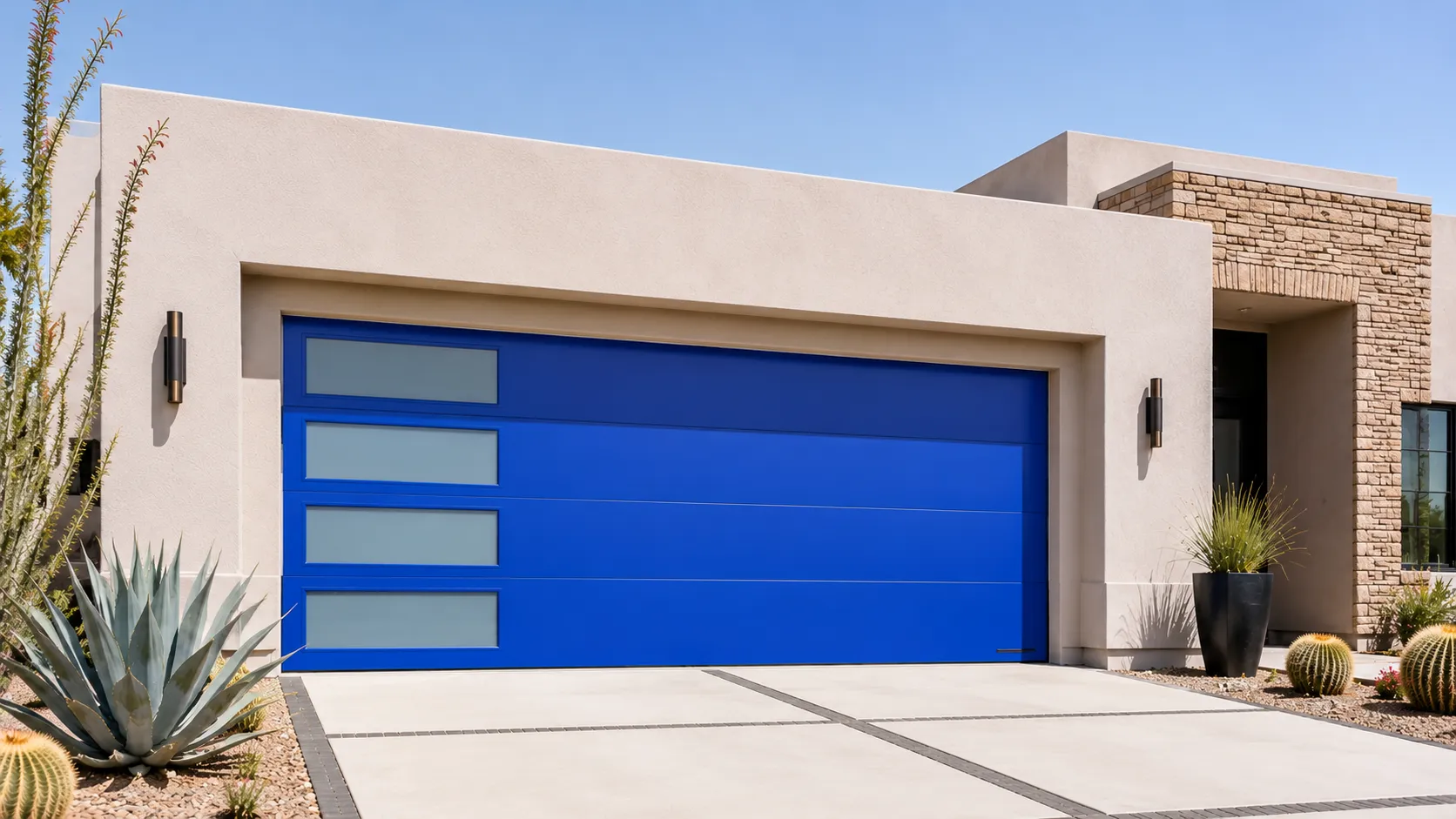
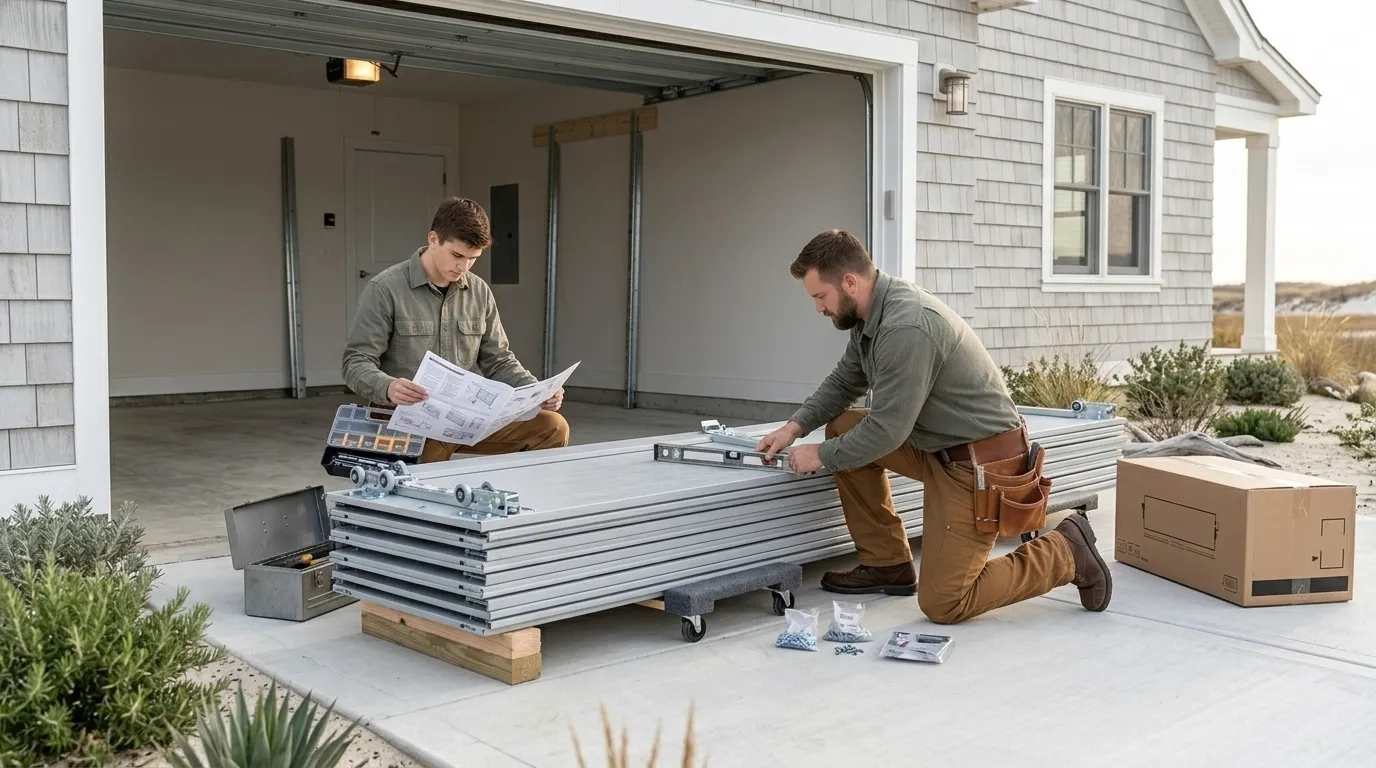
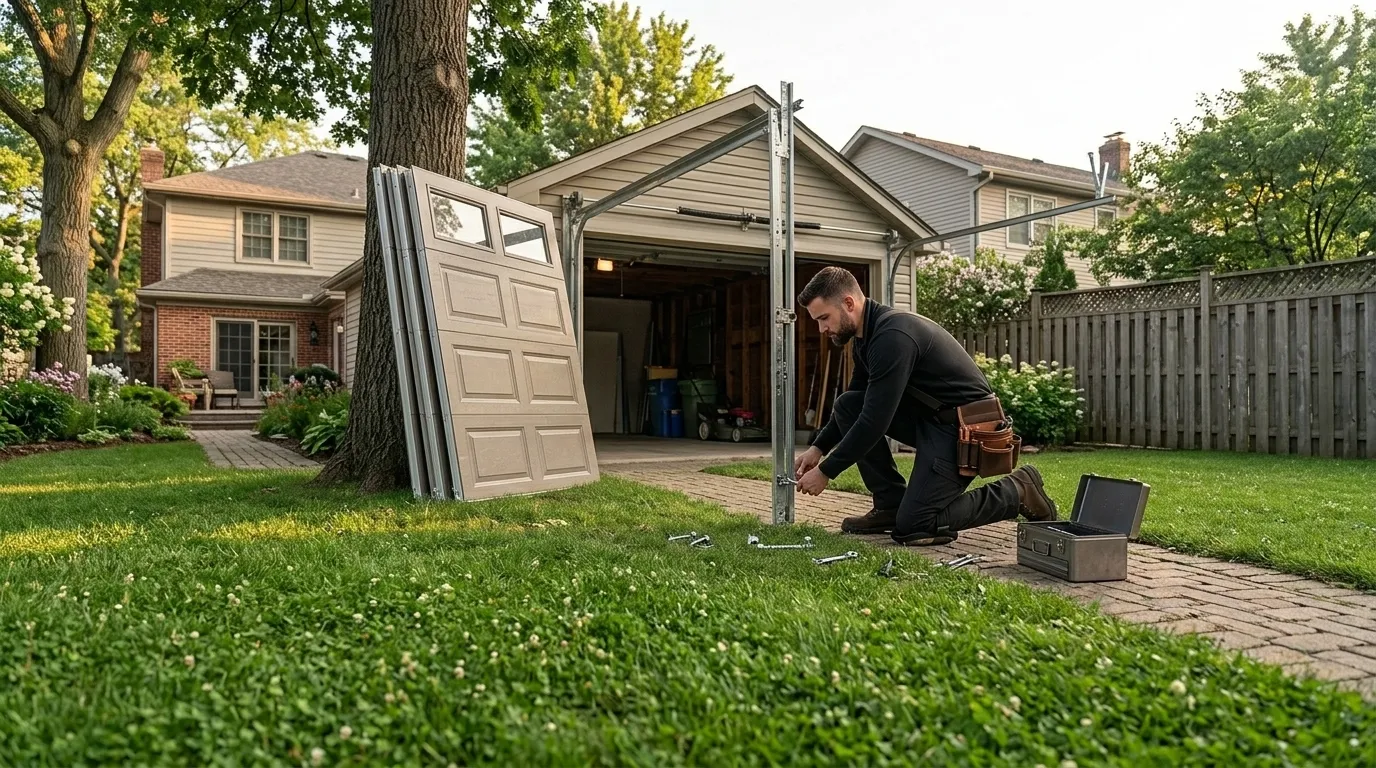
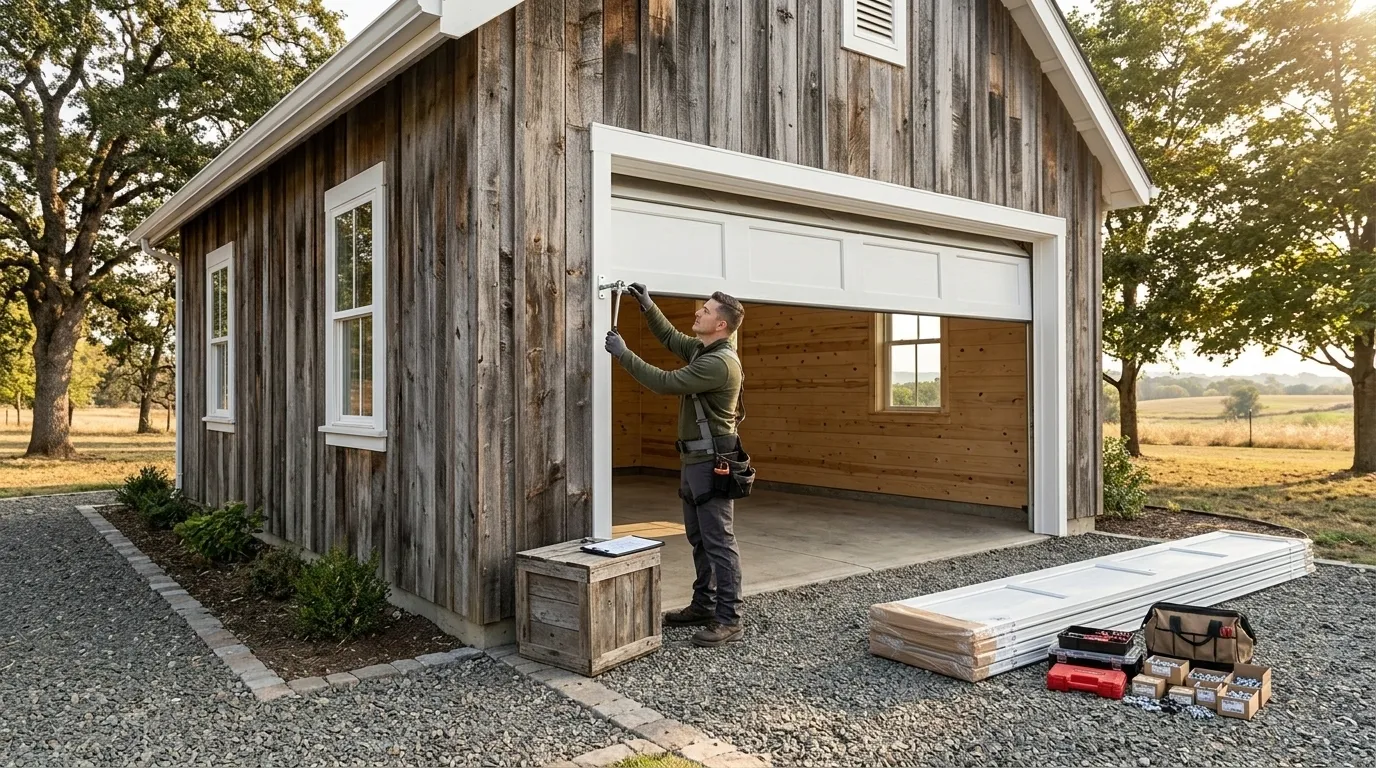
A house built in the Liberty Heights era typically started with a single-panel or early sectional door, and most of those have been swapped for insulated steel sectional doors at some point since. The tell is usually the track: original side-mounted torsion hardware paired with a newer, heavier door is the mismatch we run into most on this side of the city. With a median household income of $93,808 across the service area, plenty of homeowners here choose to replace an aging door outright rather than keep patching a forty-year-old torsion system, and given the cold-climate wear on hardware, that's often the more sensible math once a spring has already gone once. We can't tell you sight-unseen whether your specific door needs a spring swap or a full replacement - that call depends on the track condition and the door's actual weight, not just its age.
How it works
From “it’s stuck” to “it’s fixed”
1
Tell us what’s wrong
Describe the symptom - won’t open, loud bang, opener runs but the door won’t move.
2
On-site diagnosis
A technician tests the door under power and by hand and finds what actually failed.
3
Clear, up-front plan
You get the fix that’s needed and what drives the cost - before any work starts.
4
Repaired & tested
The repair is done, the door is set true and tested, and the work area left clean.
Serving Springfield, MA - tell us what your door’s doing and we’ll take it from there.
Straight answers about garage door repair in Springfield. Still unsure? Ask us directly.
How old is a typical garage door in Liberty Heights?
Most houses in this part of Springfield were built in the 1960s or 70s, so the door and track hardware behind them, even if replaced once, is often working off an opening and header sized to that era. That affects spring sizing and track fit more than most homeowners expect.
Why do springs seem to fail more in winter here?
Springfield falls in a climate band the federal data classes as severely cold, and torsion springs get more brittle and prone to snapping in low temperatures, especially on hardware that's already older. A spring that's been fine for years can fail on the first hard cold snap.
Do you handle jobs beyond spring and opener repair?
We work on doors, springs, openers, tracks, and cables. If the problem turns out to be a shifted header or jamb that needs carpentry, that's outside what we do, and we'll tell you that up front rather than force a fix that won't hold.
Is replacement ever better than repair on an older door?
On original torsion setups from the 1960s or 70s paired with a heavier replacement door, yes, often. Once a spring has failed once on mismatched hardware, patching it again usually just delays the same failure. We'll walk you through the actual condition before recommending either way.