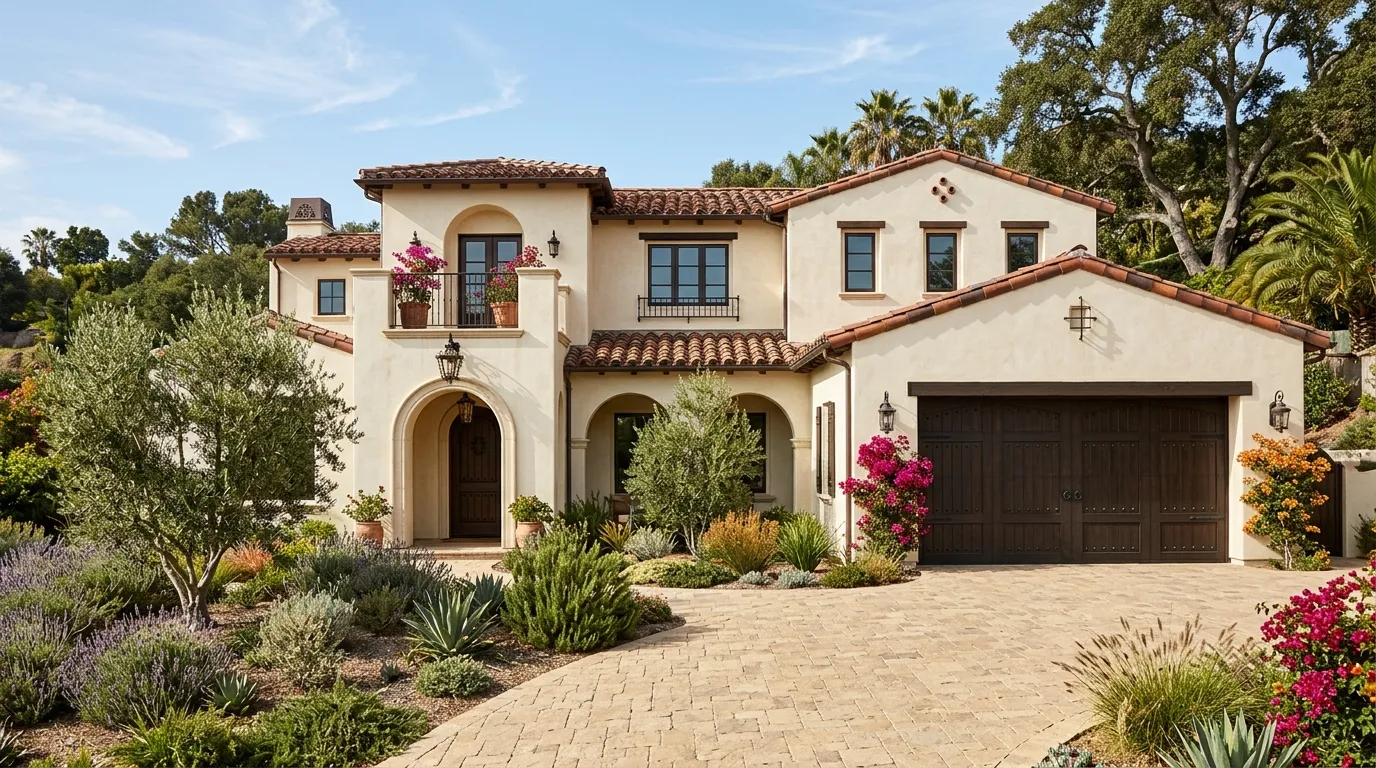
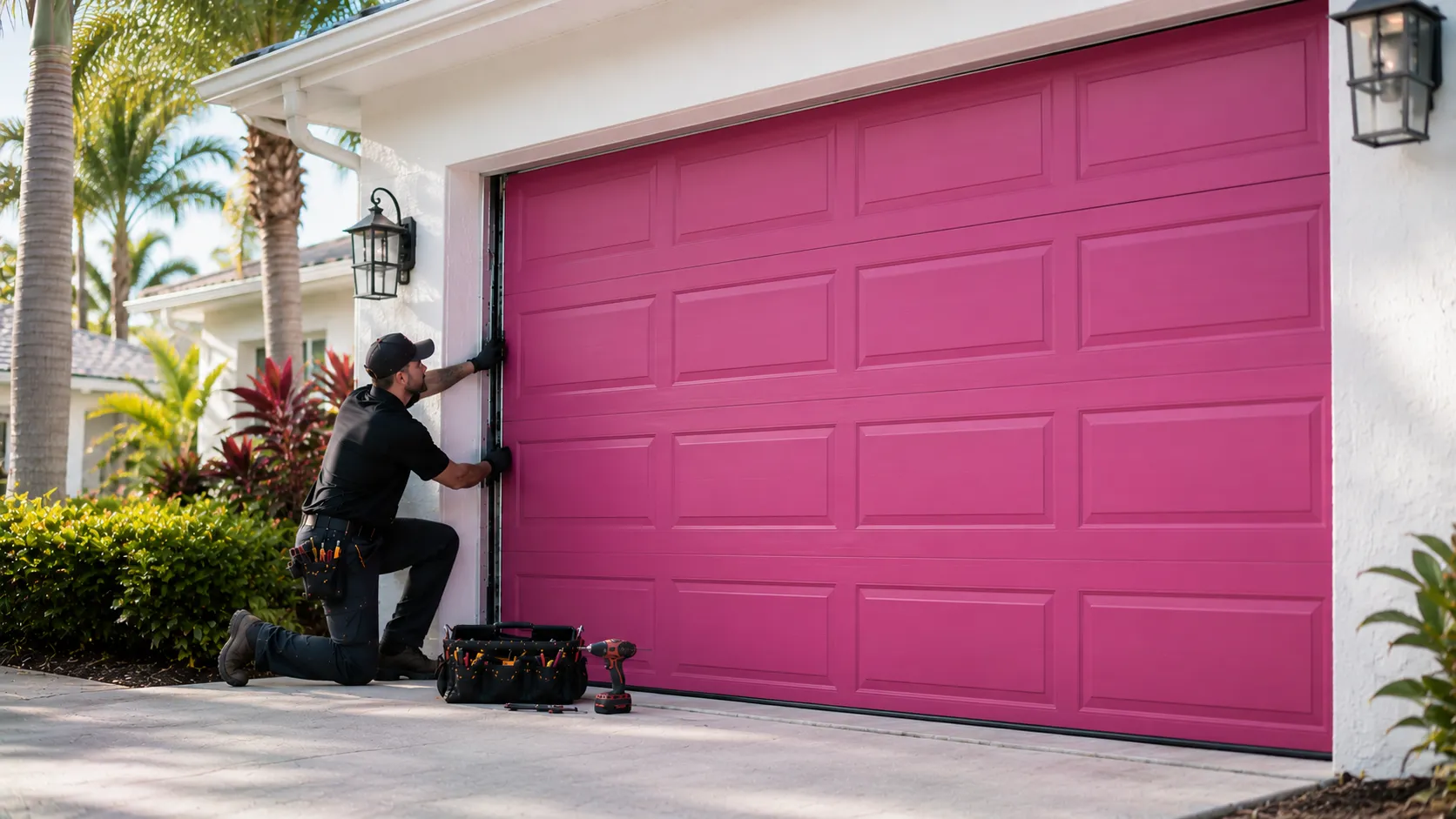
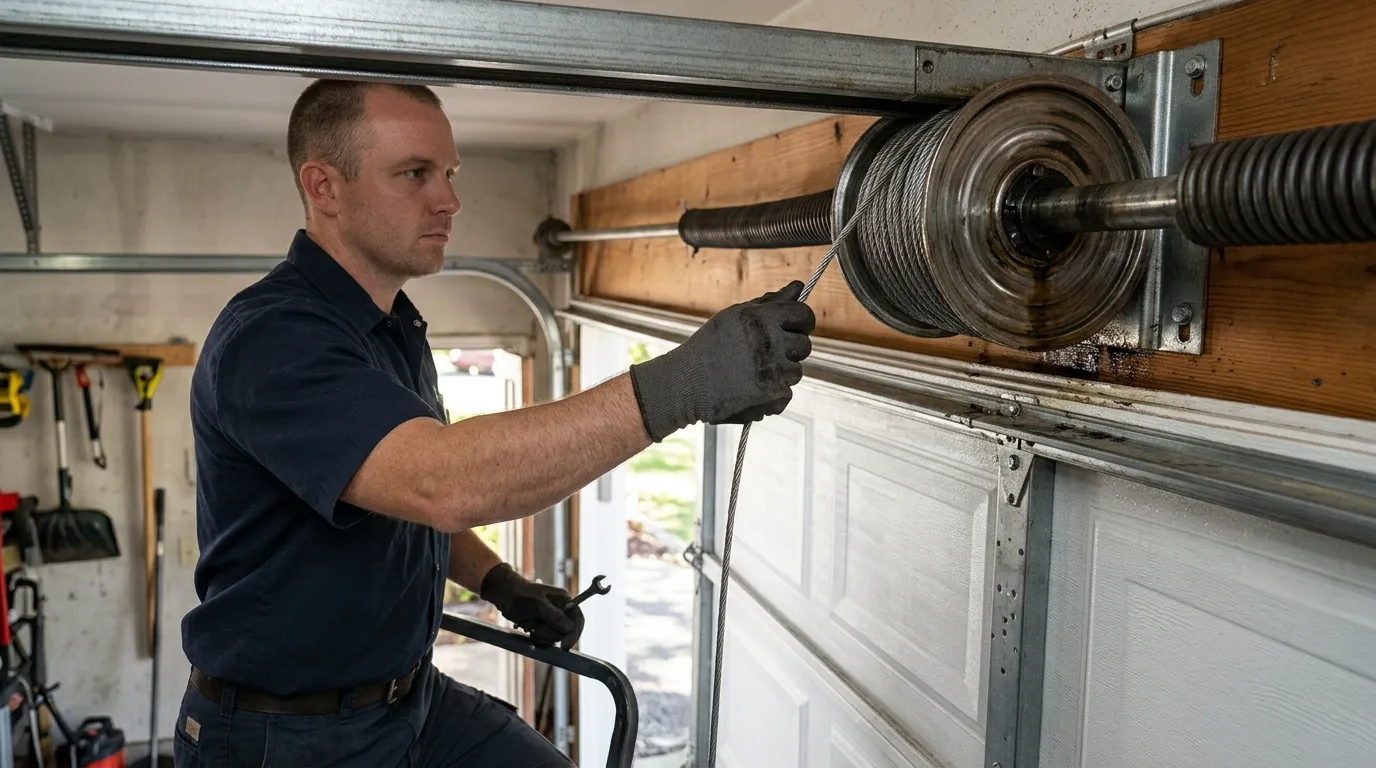
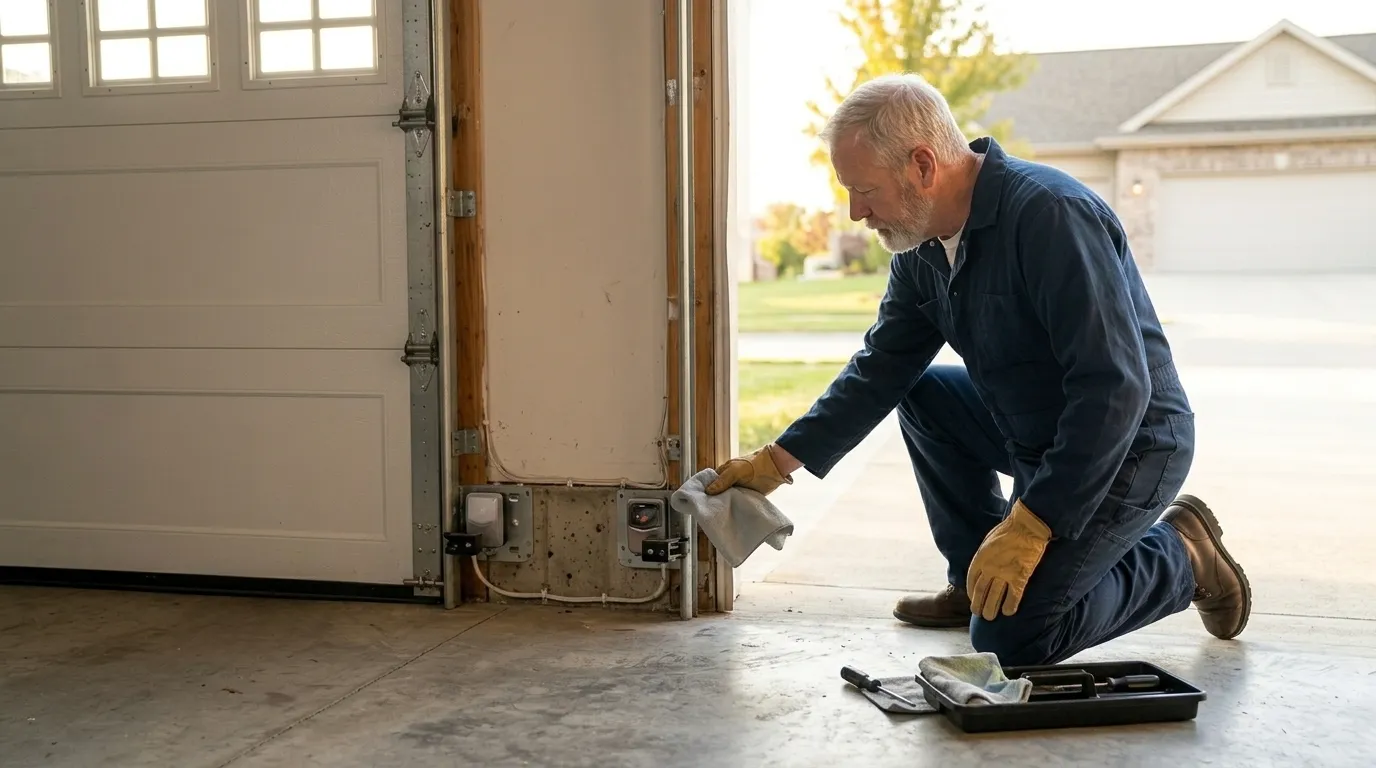
East Springfield sits two miles north-northwest of downtown Springfield, with 1960s-70s houses that still run original torsion hardware. We know the doors on this side of town.
East Springfield falls inside the same building wave that shaped most of this side of the city: houses put up between 1938 and 1989, with the bulk of that stock going in during the 1960s and 70s. That puts the typical East Springfield garage on original or first-replacement hardware - a single-panel door on side-mounted torsion springs, or an early sectional door with rollers that were never swapped out.
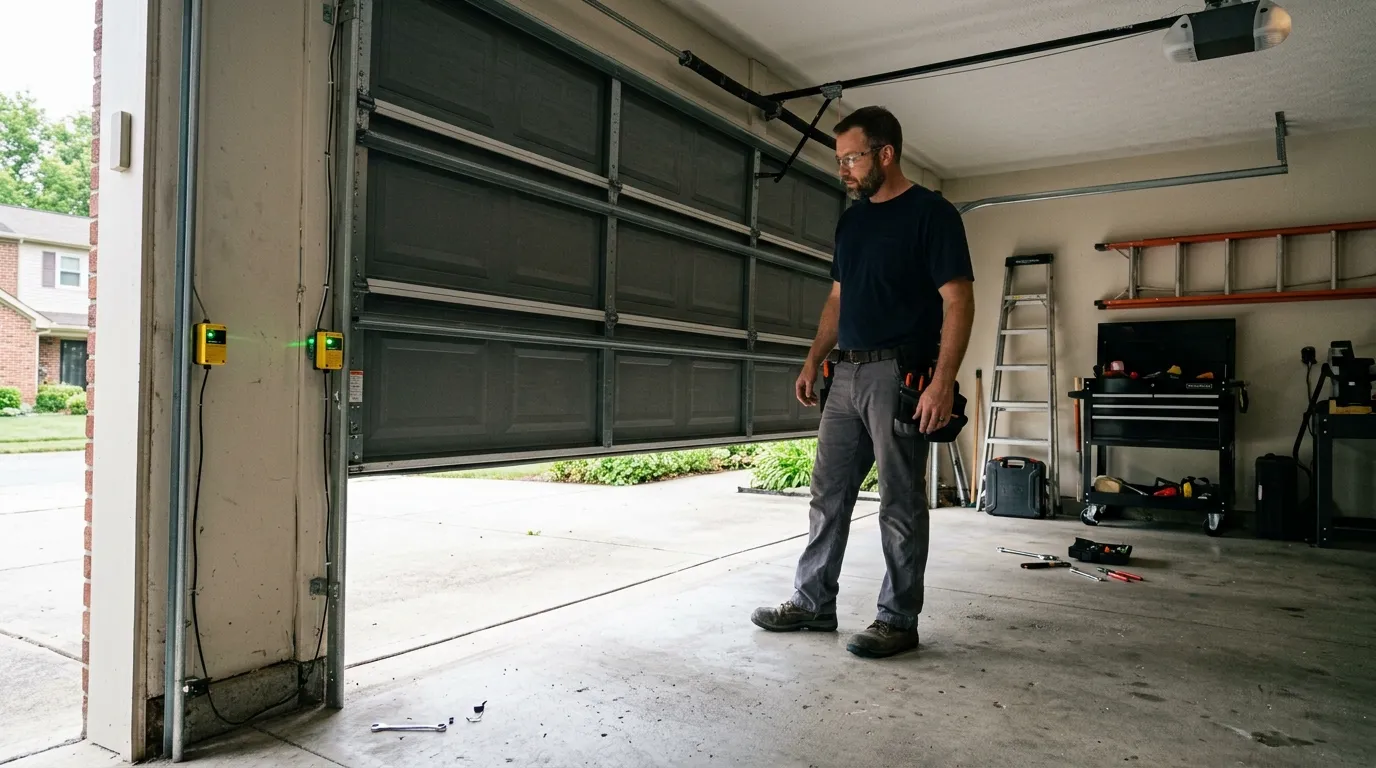
We don't have a street-by-street list for this neighborhood, so we won't pretend to know which block has which door. What we can tell you is what that build era means for the hardware: steel is thinner than what's sold today, spring wire gauges have changed twice over since these doors went in, and openers from that stretch (where they exist at all) are chain-drive units with no safety reversing sensors, which is a real issue if you've got kids or pets in the driveway.
If your door still has the manufacturer tag from installation, that tag is worth more to us than a street address - it tells us the spring size and the panel width faster than a guess ever will. Bring it to the truck when we come out.
Where This Is
East Springfield sits about two miles north-northwest of downtown Springfield. It's one of the closer neighborhoods on our route, tucked in with East Forest Park, Sixteen Acres, Forest Park, Metro Center, and Liberty Heights - all within two to three miles of the center in different directions, and Indian Orchard a little further out to the northeast.
Across the wider service area we cover - roughly 98,700 households, about 49,300 of them owner-occupied houses - the median household income runs $93,808. That number matters here in a practical way: it's the reason a lot of East Springfield owners choose to fix a spring or a section rather than replace a door that's structurally fine but showing its age. Replacement isn't off the table, but it's not the default either.
We don't have named landmarks or cross streets for this pocket of the city, and we're not going to invent any. What guides a job here is the house, not the block it sits on.
Typical Work
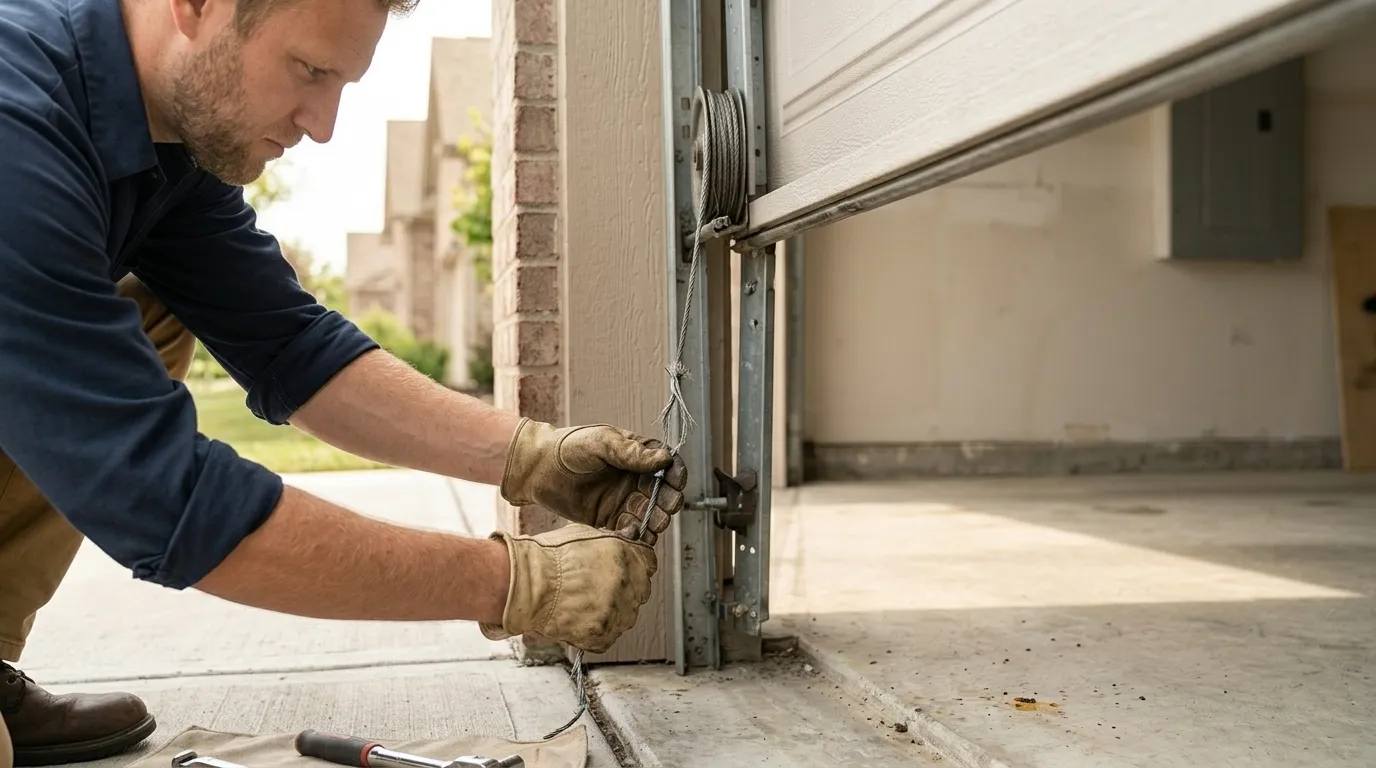
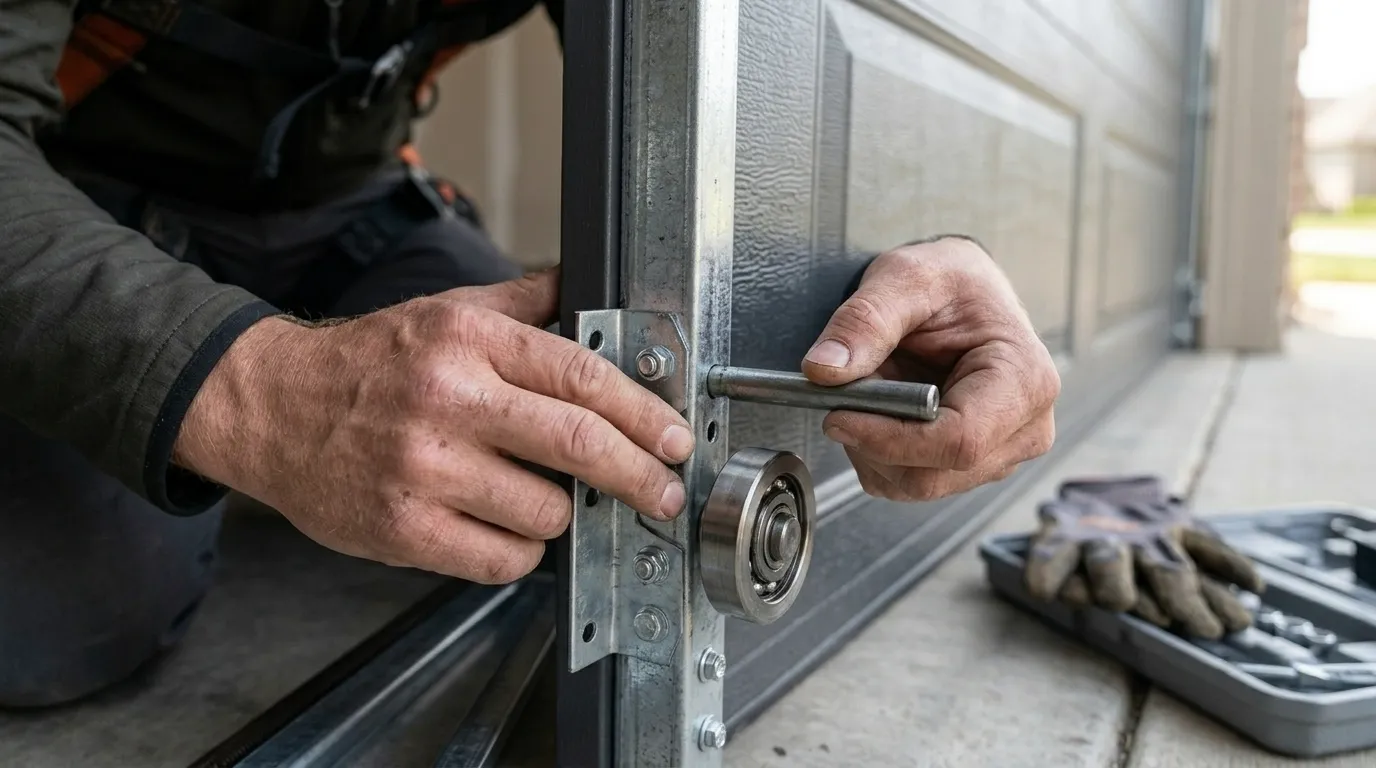
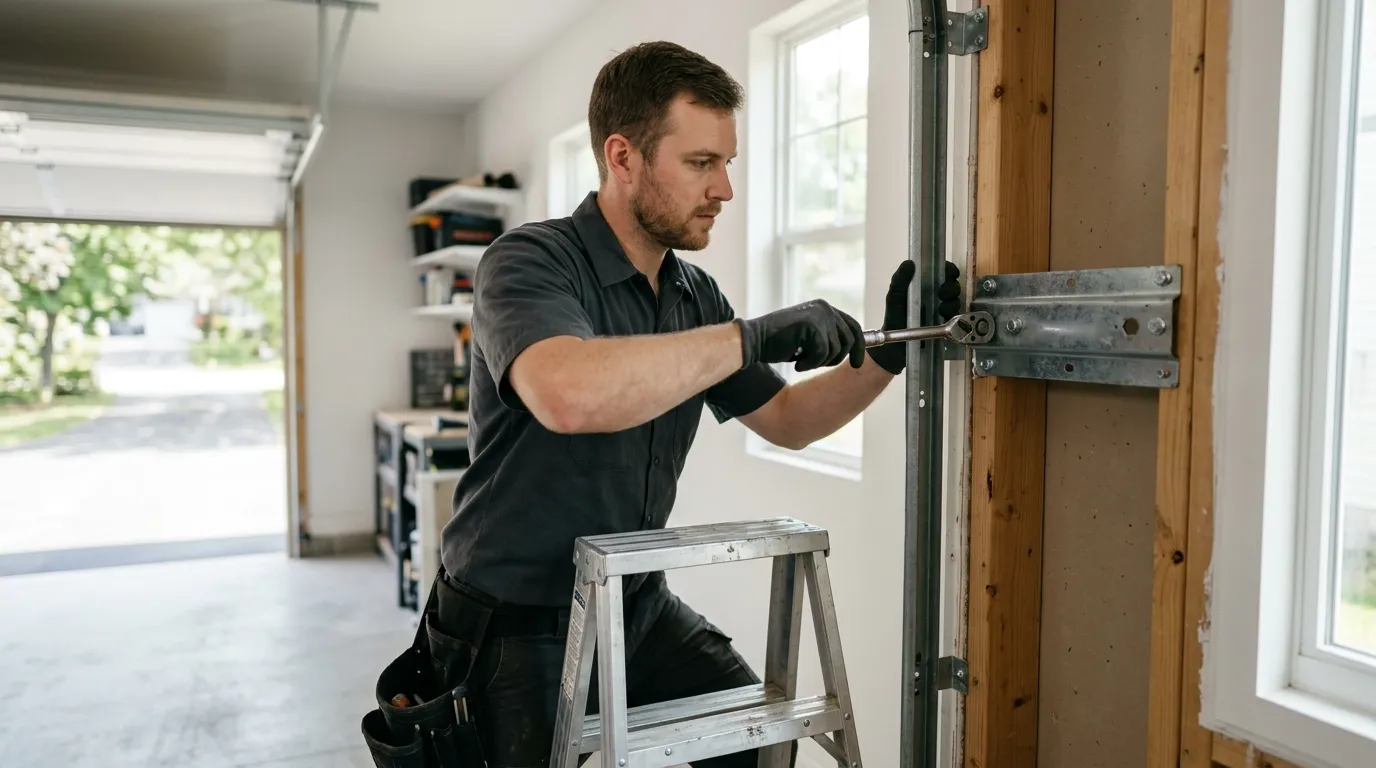
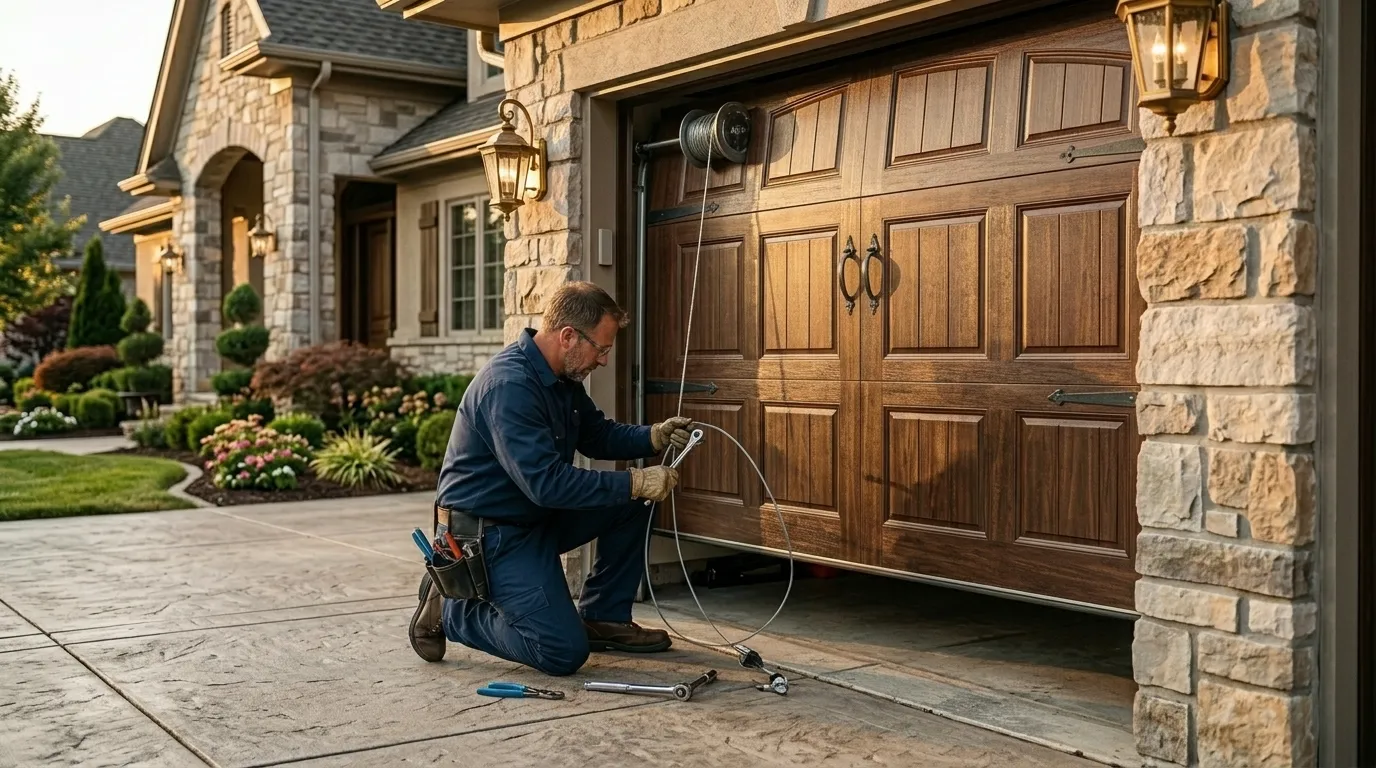
The calls that come out of this part of town track pretty closely with the age of the housing. Broken torsion springs top the list - original springs from a 1960s or 70s install are well past the cycle count they were rated for, and when they go, they usually go without warning. Second most common: rollers and hinges that have worn enough to make the door bind or drop out of track, especially on doors that still run on their factory hardware.
Opener swaps come up often too, not because the old chain-drive units are unsafe on their own, but because parts for units that old are hard to source and a new opener with a battery backup and rolling code is a better use of the money than chasing down an obsolete part.
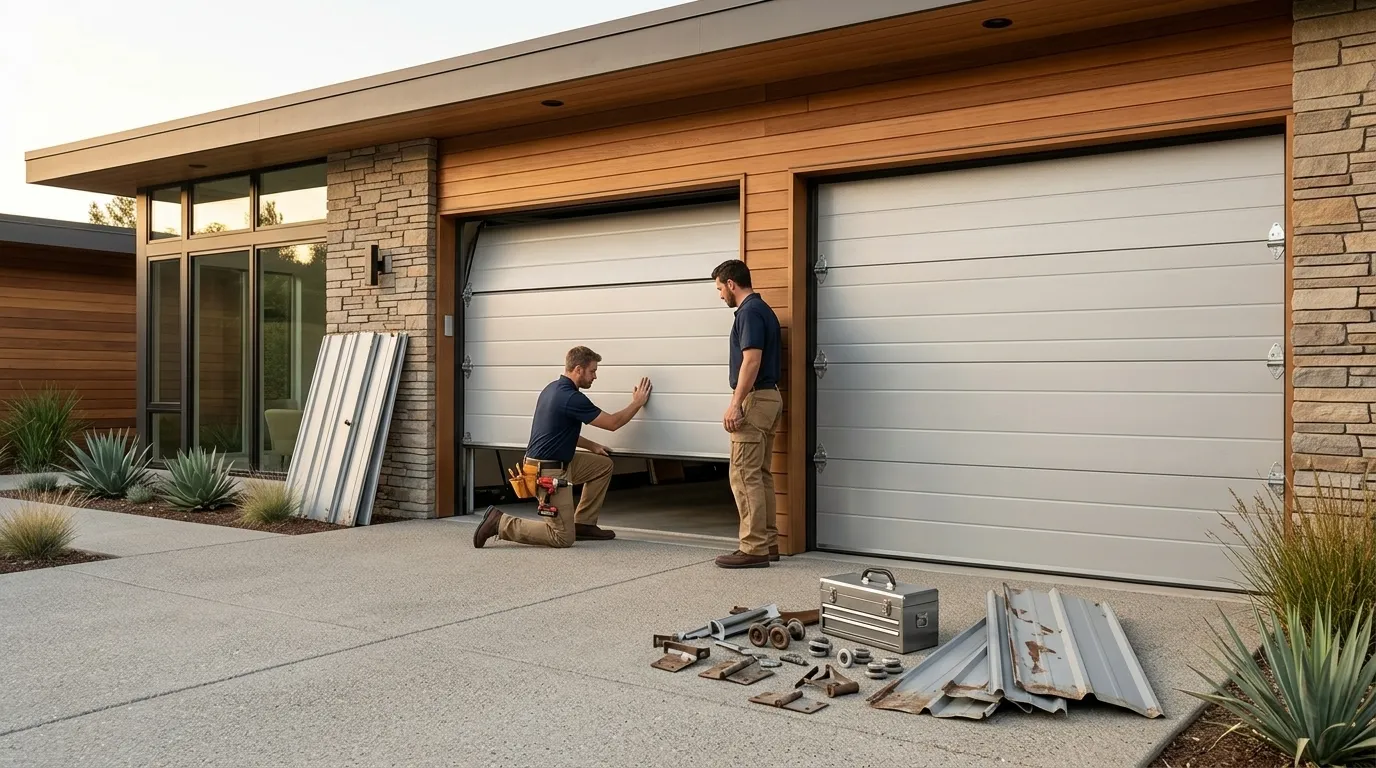
One limitation worth being straight about: on some of the oldest doors here, the panel size or track width doesn't match anything currently manufactured. When that happens, patch repair beats full replacement of a section, because a like-for-like panel may not exist anymore. We'll tell you when that's the case instead of quoting a part we can't actually get.
The Doors Around Here
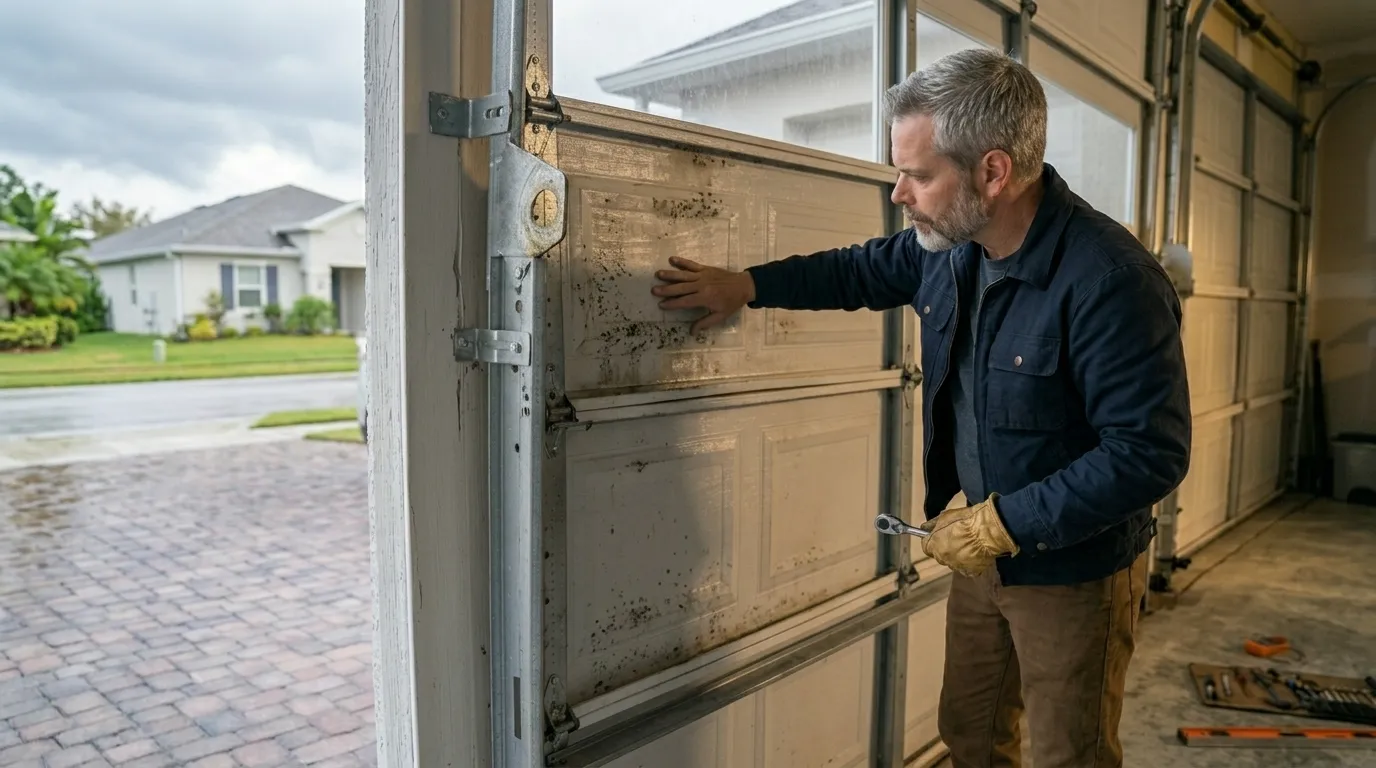
Given the build era, most doors in East Springfield are steel, either a single raised-panel slab from the earlier end of that window or a basic sectional from later on. Insulation is thin to none on the originals, which is a real cost in a climate this cold - winters here run in the severe end of the cold band for this region, and an uninsulated steel door does very little to keep a garage above freezing.
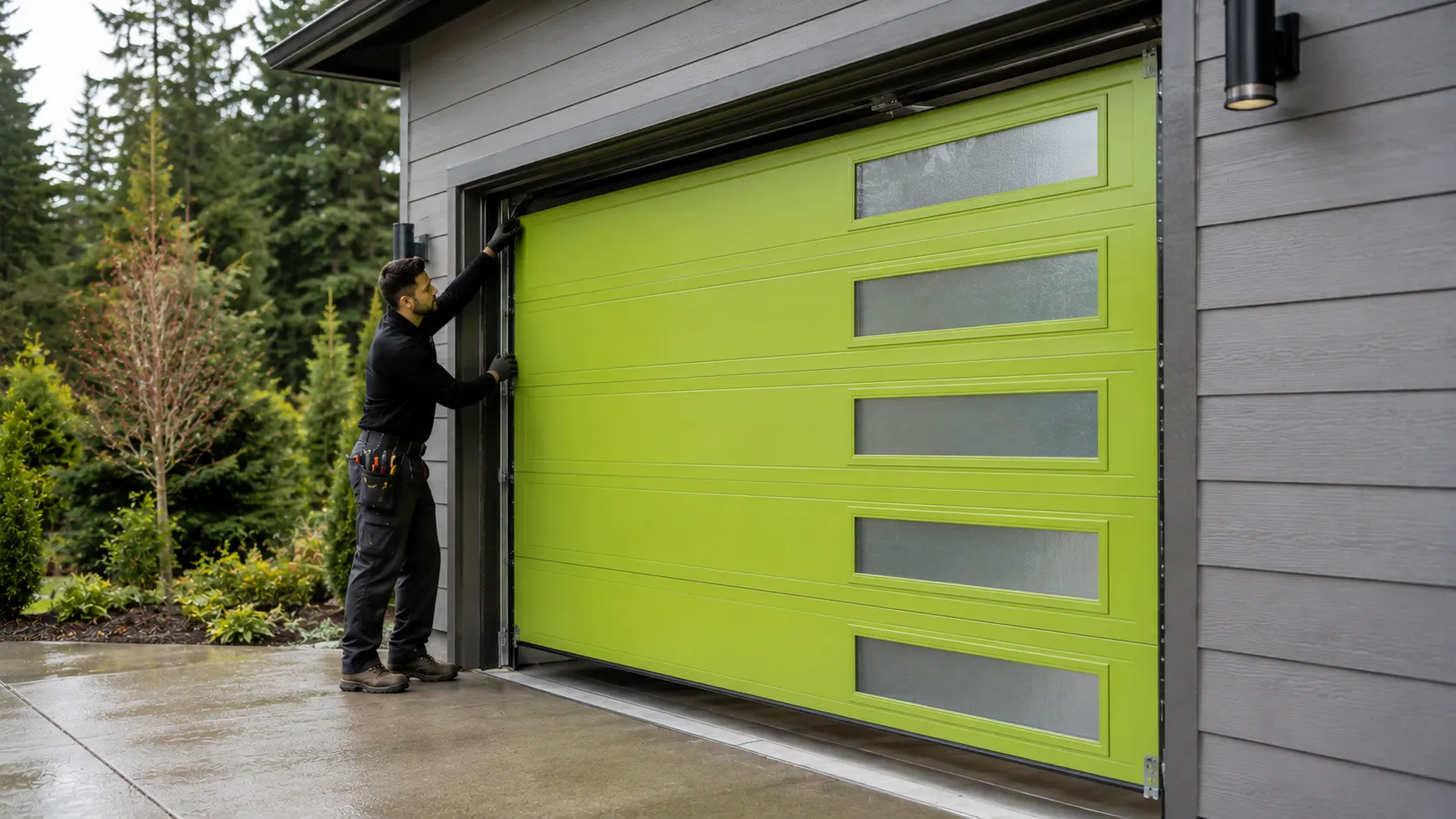
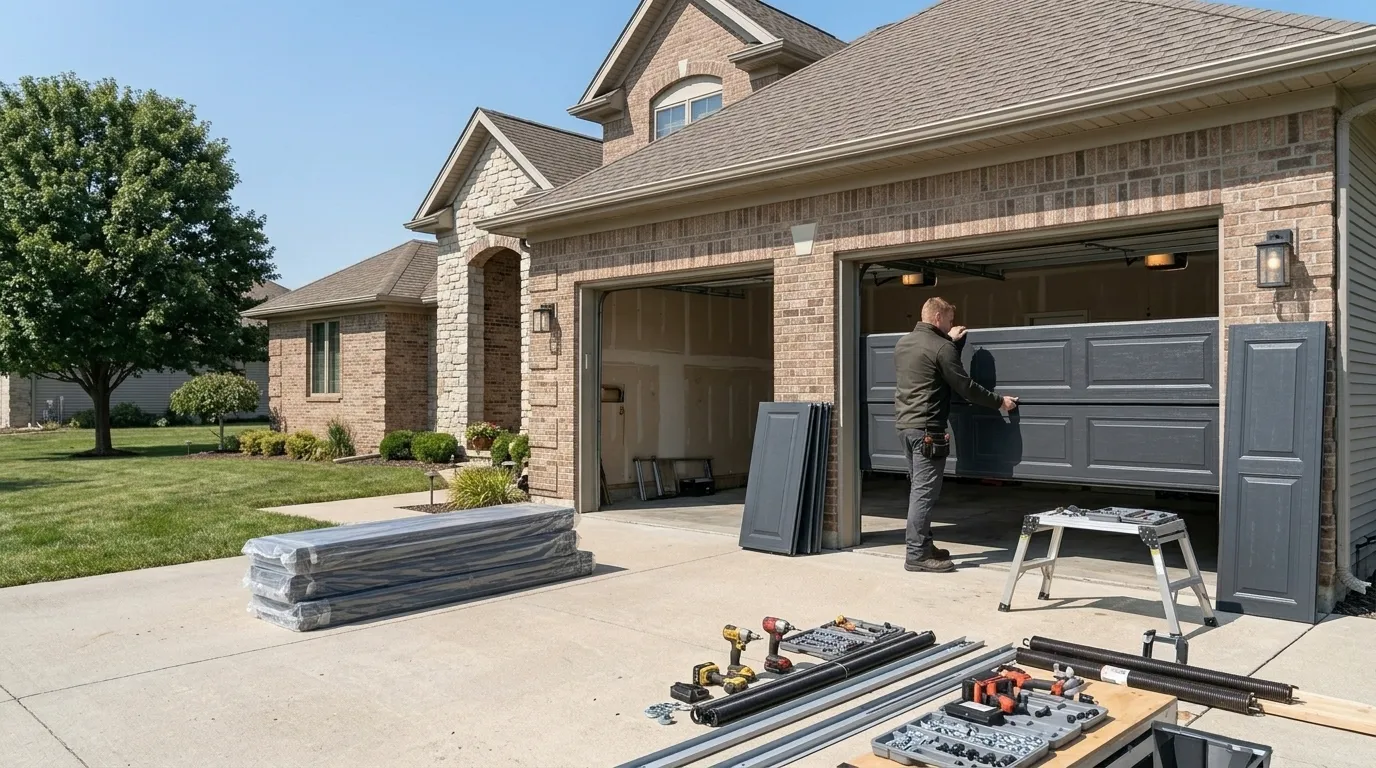
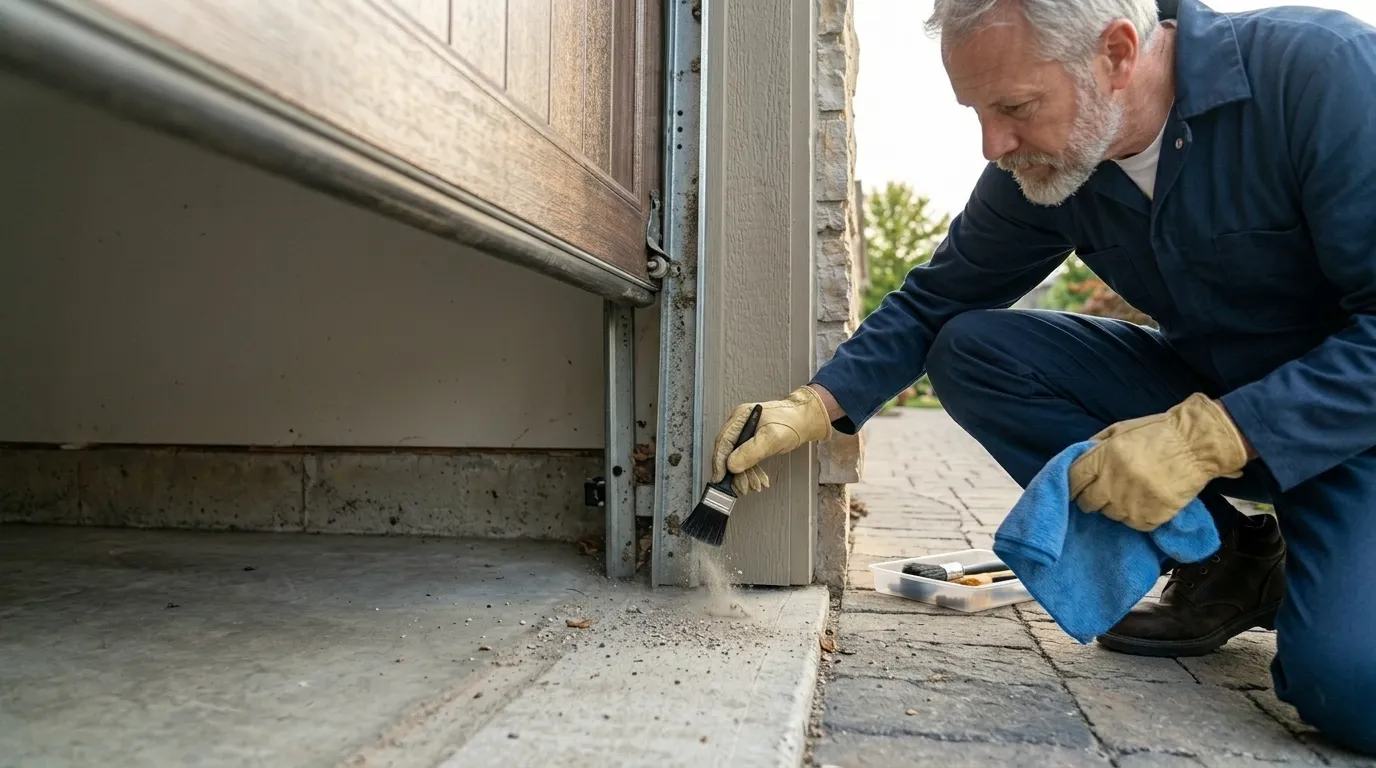
That's the main upgrade conversation we have on this side of town: not styling, but a switch to an insulated steel section with weatherstripping that actually seats, since the original seals on a door this old have usually hardened and cracked. Wood doors show up occasionally on older houses but they're the minority here, and we don't stock custom wood replacements - that's a job we'll point you toward someone else for.
Spring sizing is the other detail that matters more here than in newer construction. A door built to 1960s specs needs a spring matched to that door's actual weight, not a generic size off a shelf, and getting it wrong means a door that's hard to lift by hand if the opener ever fails.
How it works
From “it’s stuck” to “it’s fixed”
1
Tell us what’s wrong
Describe the symptom - won’t open, loud bang, opener runs but the door won’t move.
2
On-site diagnosis
A technician tests the door under power and by hand and finds what actually failed.
3
Clear, up-front plan
You get the fix that’s needed and what drives the cost - before any work starts.
4
Repaired & tested
The repair is done, the door is set true and tested, and the work area left clean.
Serving Springfield, MA - tell us what your door’s doing and we’ll take it from there.
Straight answers about garage door repair in Springfield. Still unsure? Ask us directly.
How far out is East Springfield from your shop?
About two miles north-northwest of downtown Springfield. It's one of the shorter drives on our route, which usually means we can fit a same-day look at a broken spring or a door off its track without a long wait.
Are the garage doors in East Springfield old enough to need full replacement?
Not usually. Most houses here went up in the 1960s or 70s, and steel doors from that era hold up fine structurally. What fails first is hardware - springs, rollers, seals - which is a repair, not a reason to replace the whole door.
Do you carry parts for really old openers?
Not always. Chain-drive openers from the 1960s and 70s often use parts nobody makes anymore. When that's the case we'll say so and talk through a new opener instead of promising a part we can't get.
Is it worth insulating an old steel door before winter?
Given how cold it gets in this area, yes, if the door and seals are otherwise sound. An insulated retrofit or a insulated replacement section holds heat a lot better than a bare 1960s-era steel slab, and it's usually cheaper than full replacement.