Garage door repair for Granville, MA homes built around 1970, 19 miles from our Springfield base. Torsion springs, openers, and cold-weather track fixes.
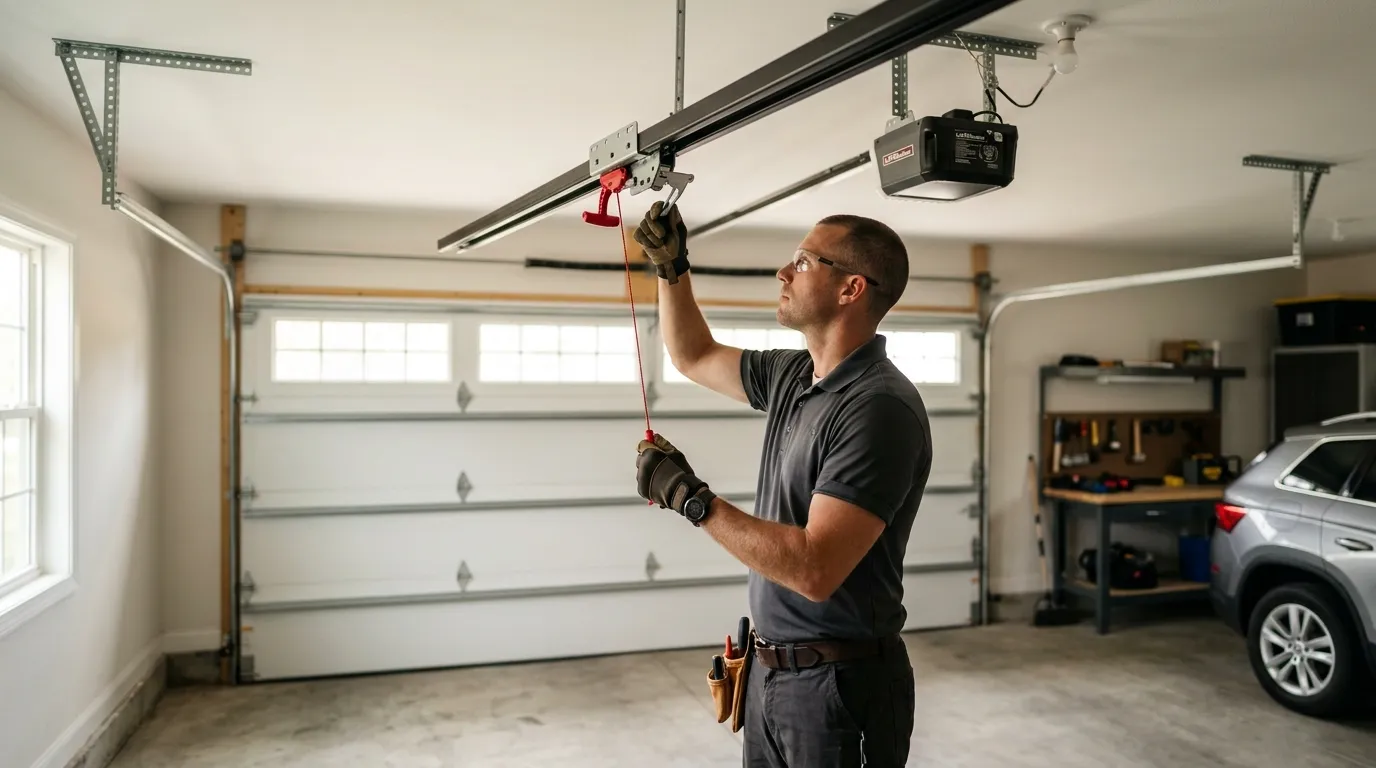
Granville's houses run newer than most of what we see closer to Springfield. The median build year here is about 1970, versus 1965 across the wider service area, which puts a good share of this area's roughly 684 households into homes built after the classic postwar boom. That five-year gap matters more than it sounds. A door installed in 1970 is more likely to sit on a torsion spring system with a standard 7-foot track, not the older extension-spring, low-headroom setups common in the 1940s and 50s stock elsewhere. Openers here, if original, are more likely to be early chain-drive units than the ceiling-mounted screw drives found on even older houses.
Granville also sits furthest out of the areas we regularly cover, about 19 miles from our Springfield base, which means fewer of these doors have had a service call at all compared to closer-in neighborhoods. A lot of what we find on a first visit here is deferred maintenance rather than damage from age: dry hinges, a spring that's never been rebalanced, hardware that's simply never been looked at. The bones of these doors are usually sound. They just haven't been touched.
Common Jobs Here
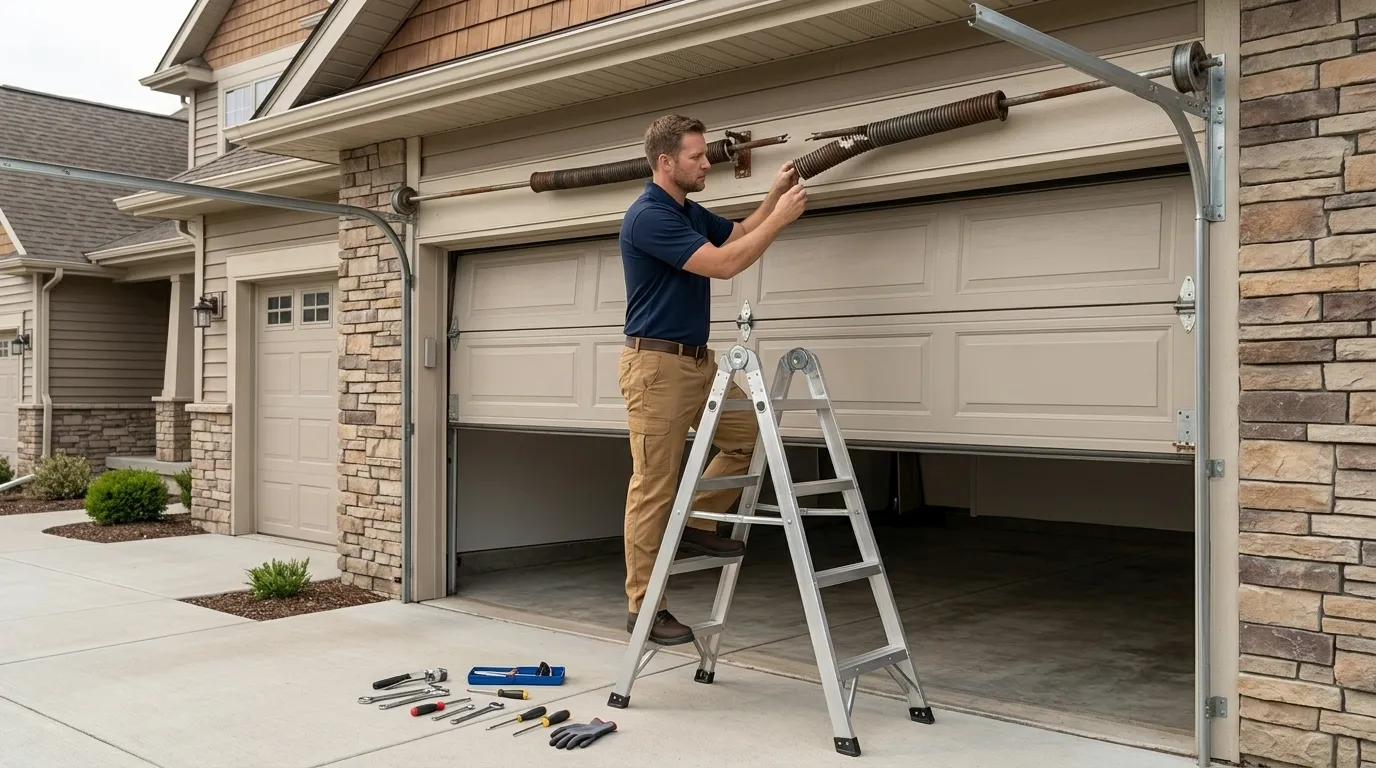
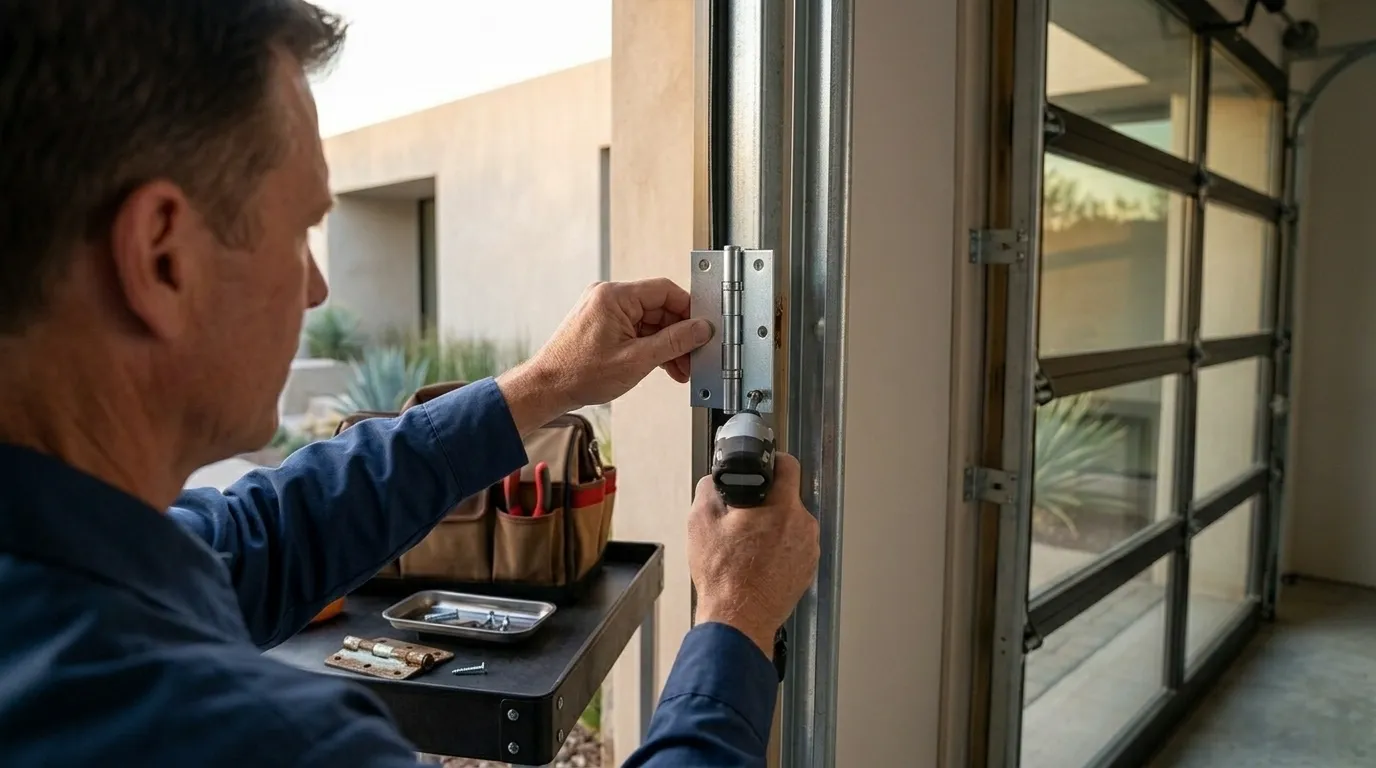
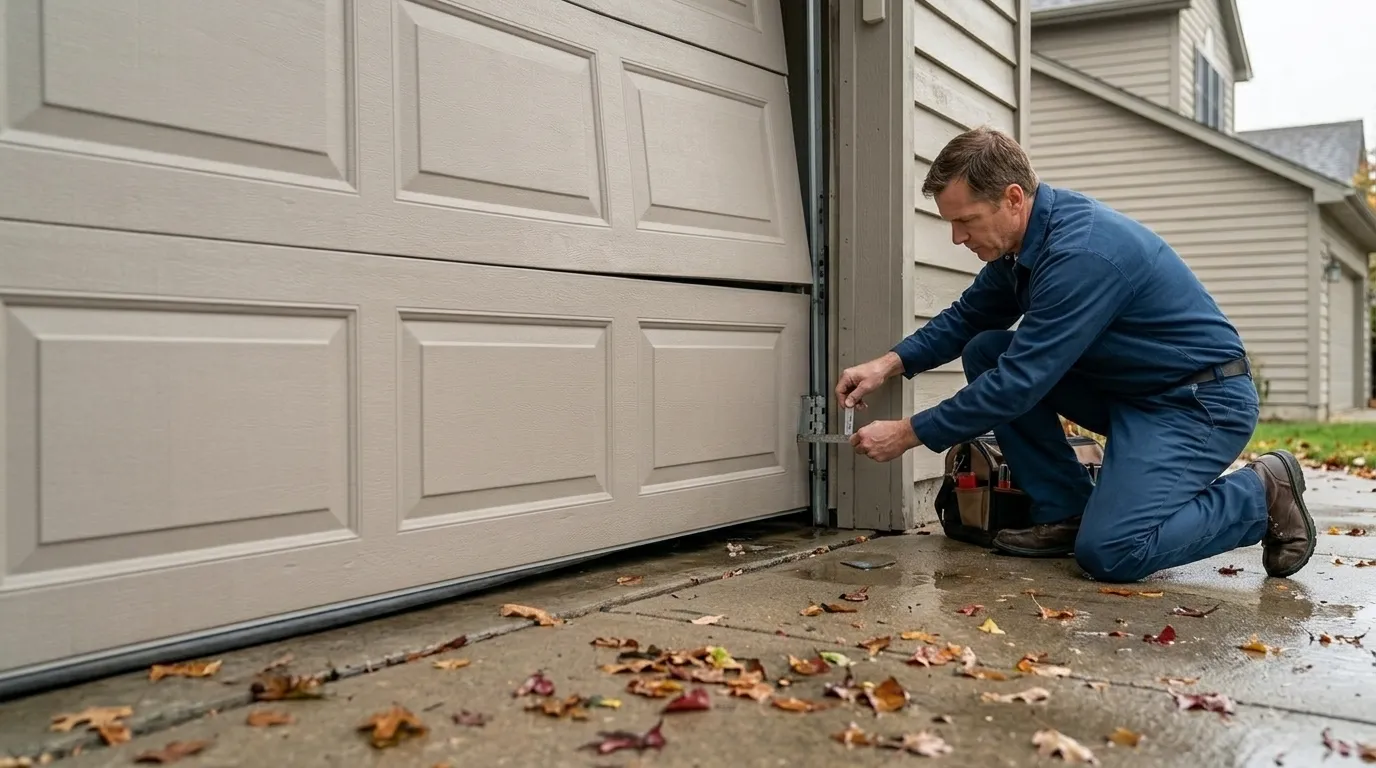
Given the 1970-era build pattern, the calls we get from Granville skew toward torsion spring failure on standard double doors and single-door setups with steel sectional panels rather than the older wood slab doors. Torsion springs from an original 1970s install have had five decades to fatigue, and when they go, they go without much warning: a door that won't lift, or one that slams down when the cable snaps.
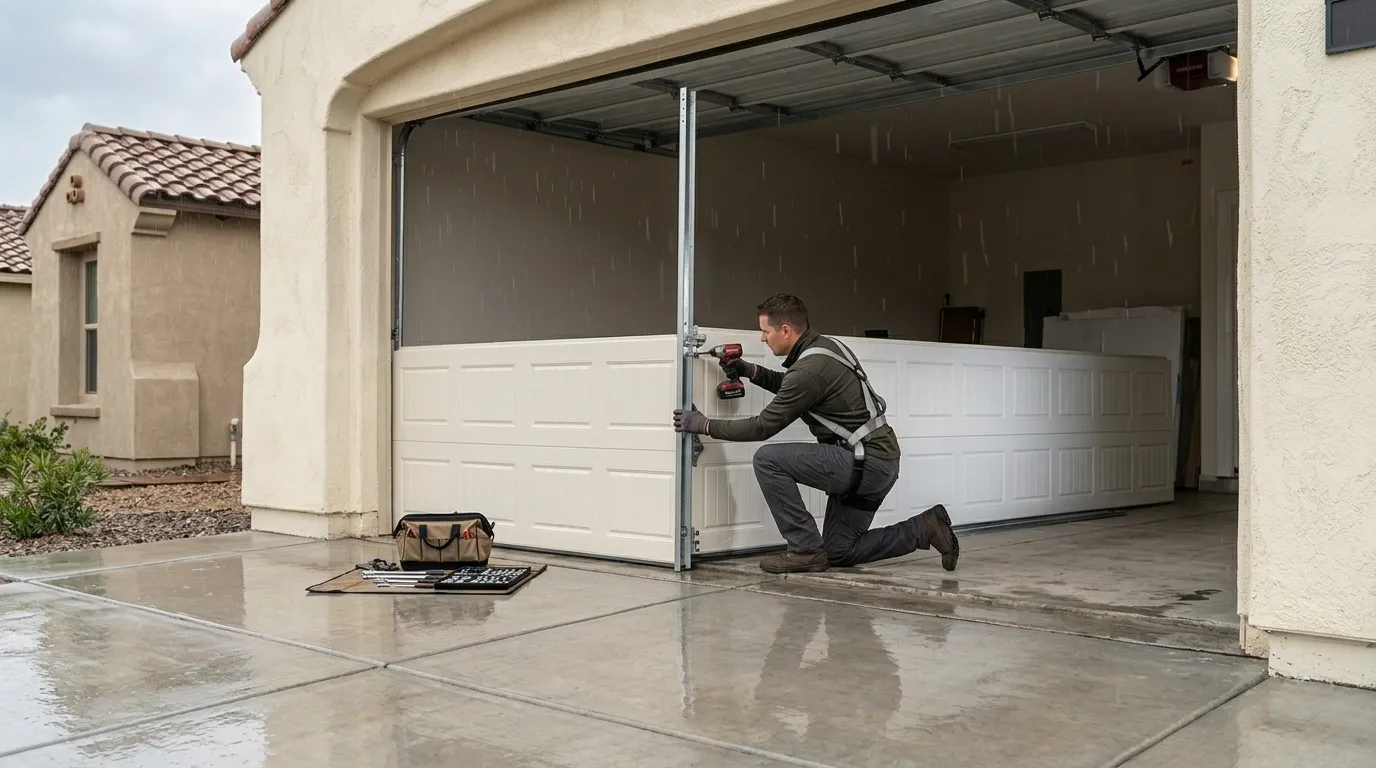
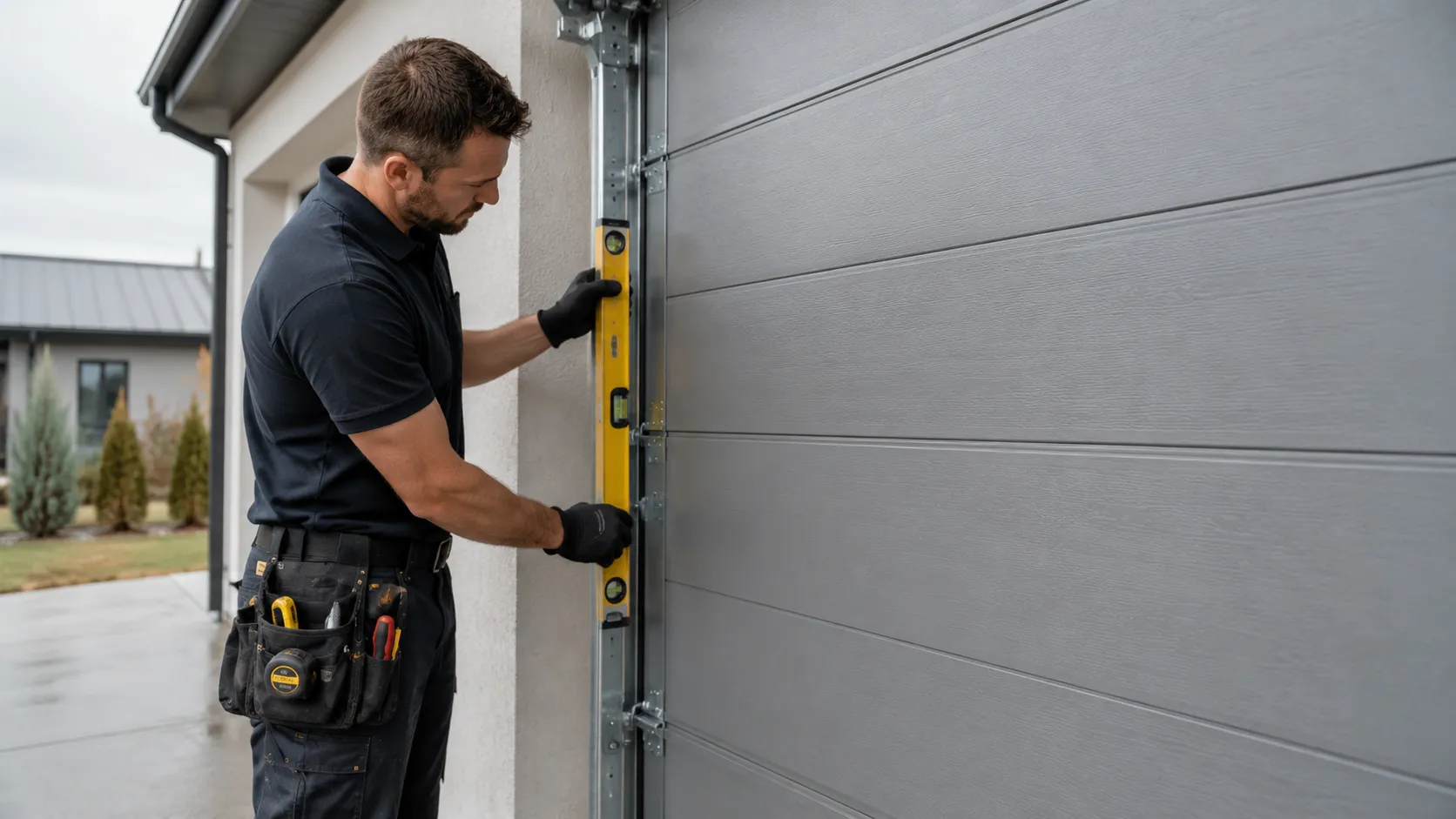
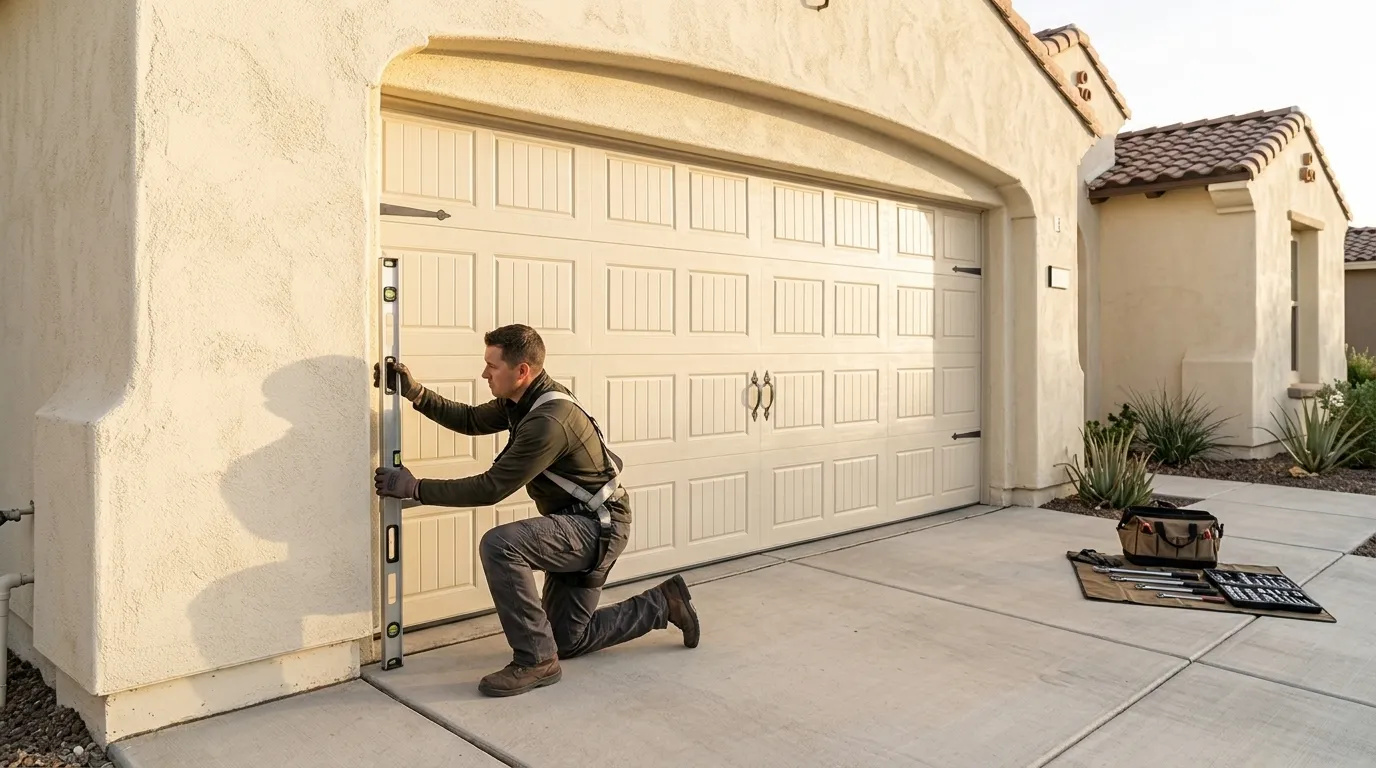
We also see track misalignment and roller wear tied to houses that have had a slab foundation settle over the years, which is common in homes this age. Openers are the other steady category. A chain-drive unit installed when the house was built is well past any reasonable service life, and replacing the opener rather than patching it is usually the right call once the gears or capacitor start going.
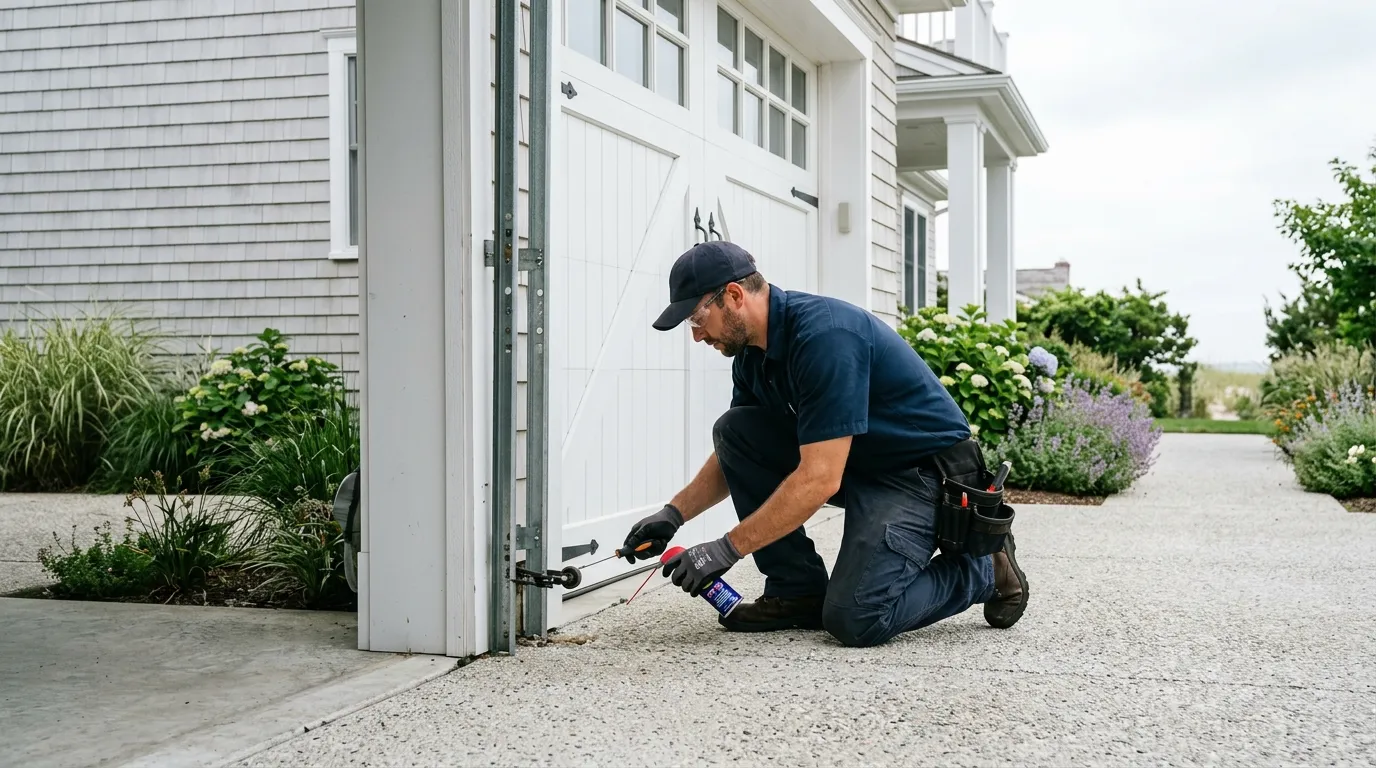
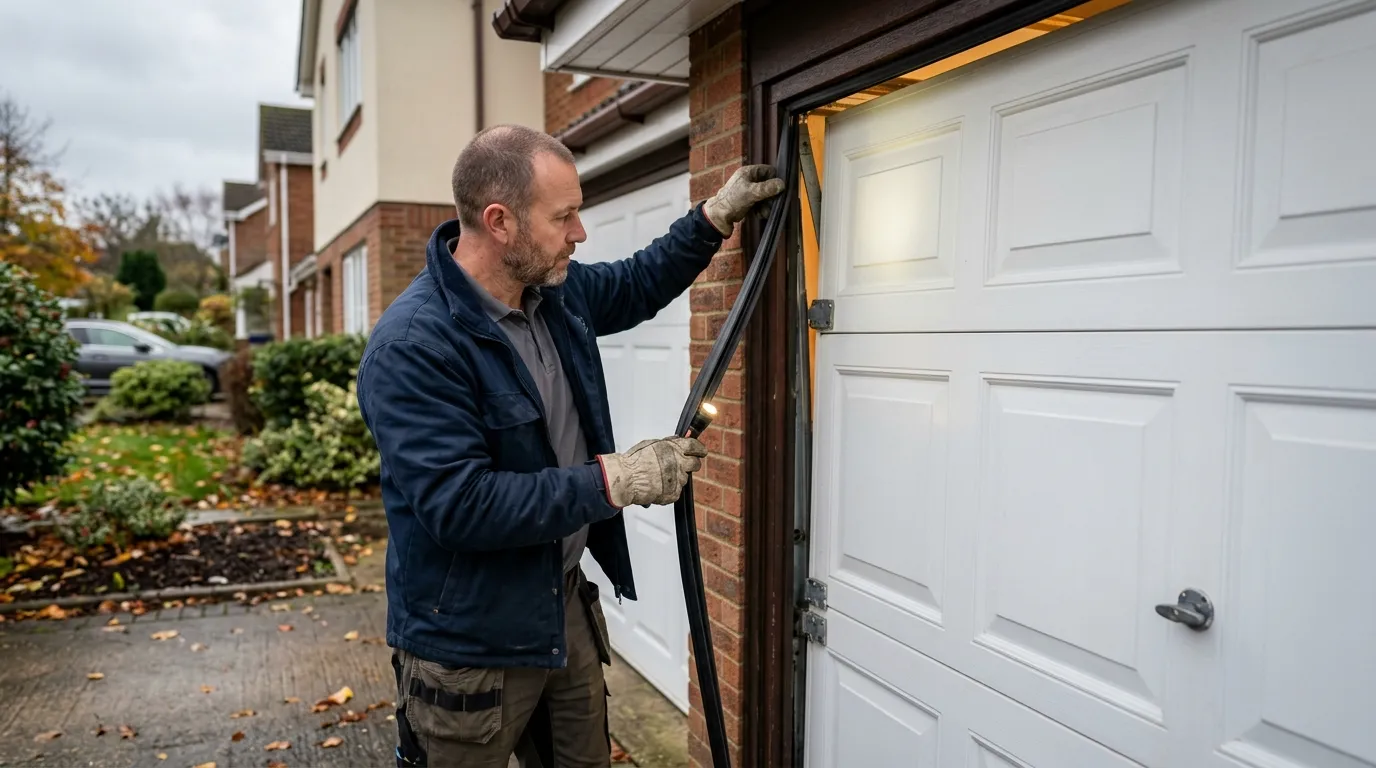
Cold-weather stiffness shows up every winter here too. In a severe cold climate, grease that was fine in October turns to paste by January, and a spring under load in cold steel behaves differently than the same spring in summer. We see more spring snaps and hard-start openers in the coldest stretch of the season than any other time of year.
What We Do Not Do
We don't keep a truck stationed in Granville. Every job here is a dispatch from Springfield, roughly 19 miles each way, and that travel is built into how we schedule the day rather than something we can promise around. We're upfront about that instead of pretending otherwise.
We also don't try to force a repair onto hardware that's not worth saving. If a torsion spring system on a 1970-era door has never been serviced and the shaft or bearing plates have gone with it, patching just the spring can leave you back at square one within a year. In that case we'll tell you replacement is the better spend, even though a repair would be the easier sale for us.
We don't do cosmetic work unrelated to the door's operation, and we don't guess at parts we haven't seen in person. If a job needs a part we don't carry on the truck, that's a second trip, and we'd rather say so than promise a same-visit fix we can't deliver.
How That Shows Up in the Door
Put the pieces together and a Granville service call usually looks like this: a standard torsion spring double door, original or near-original opener, both installed around 1970, both now old enough that the spring has outlived its rated cycle count and the opener's motor is working harder than it should in cold weather. That's a different job than the low-headroom extension-spring repairs we do in the oldest parts of the wider area, and it's a different job than a newer house with a modern belt-drive opener that just needs a sensor aligned.
Because households out here are fewer and further from Springfield than in the closer-in neighborhoods, we tend to see doors that have gone longer between any kind of check. That usually means when something fails, more than one thing needs attention at the same visit: the spring, the cable it's paired with, and often the opener's drive gear all showing wear from the same five decades. We plan the call around that instead of assuming it's a single quick fix.
How it works
From “it’s stuck” to “it’s fixed”
1
Tell us what’s wrong
Describe the symptom - won’t open, loud bang, opener runs but the door won’t move.
2
On-site diagnosis
A technician tests the door under power and by hand and finds what actually failed.
3
Clear, up-front plan
You get the fix that’s needed and what drives the cost - before any work starts.
4
Repaired & tested
The repair is done, the door is set true and tested, and the work area left clean.
Serving Springfield, MA - tell us what your door’s doing and we’ll take it from there.
Straight answers about garage door repair in Springfield. Still unsure? Ask us directly.
How far out is Granville from your shop?
About 19 miles from our Springfield base. We do come out for jobs here, but that distance is why we ask for some detail on the phone first - torsion spring versus opener versus track issue - so we bring the right parts on the first trip.
Are Granville garage doors old enough to need spring replacement?
Most houses in this area were built around 1970, so if the spring is original, it's roughly fifty years old and well past a safe service life. We check tension and coil condition on-site before recommending replacement over a rebalance.
Why does my door struggle more in winter?
This area sits in a severe cold climate zone, and old grease on a torsion spring or opener chain thickens in low temperatures, adding resistance right when the spring is under its heaviest load. That combination is a common cause of winter spring snaps here.