Can You Do This Yourself
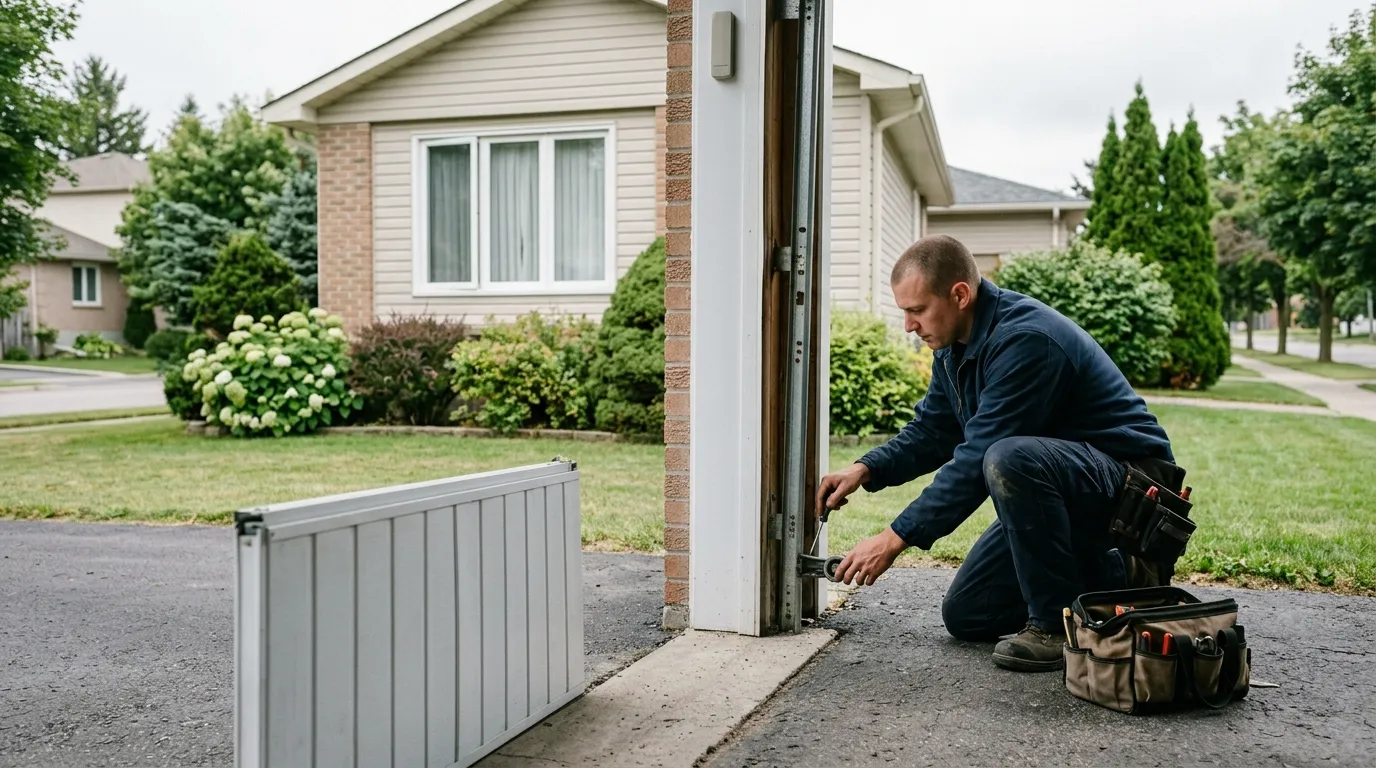
You can unbolt a panel yourself if the door is off its spring tension and you've got the right hinges lined up. What trips people up on a house this age is the panel doesn't match - the replacement section you order online is sized for a modern rolled-steel door, and the hardware bolt pattern from 1957 doesn't line up with it.
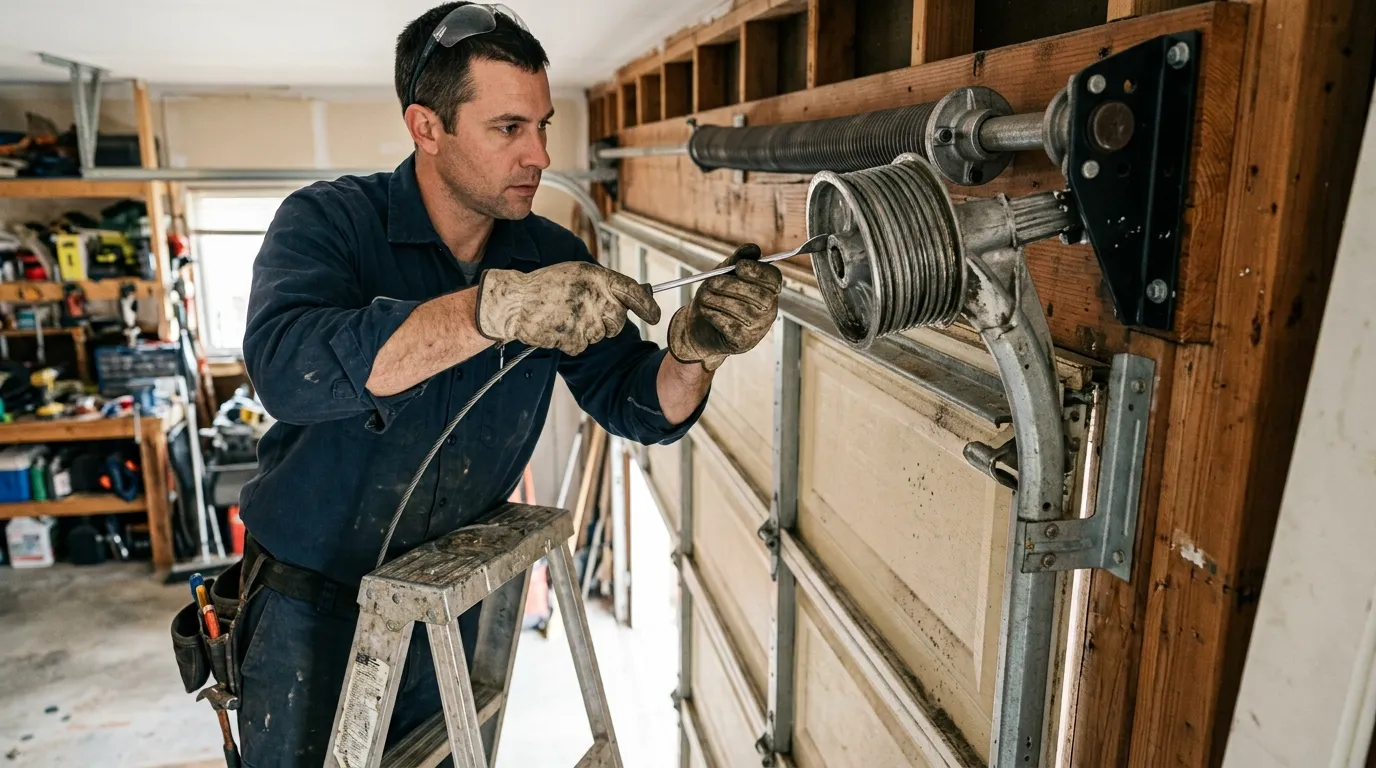
We've had homeowners order a panel, get it delivered, and find the hinge holes are half an inch off. At that point you're either drilling new holes into a panel that's already thin from age, or you're returning it and starting over. If your door is a double-wide with torsion springs still under tension, leave that part alone entirely - that's not a panel problem, that's a trip to the ER.
If you're comfortable with a single-panel garage door on a light single-car opening and you've confirmed the section size against the manufacturer's plate (if it's even still legible), it's a doable weekend job. Anything with a torsion spring, a double door, or unreadable hardware markings - call it in.
Parts We Carry
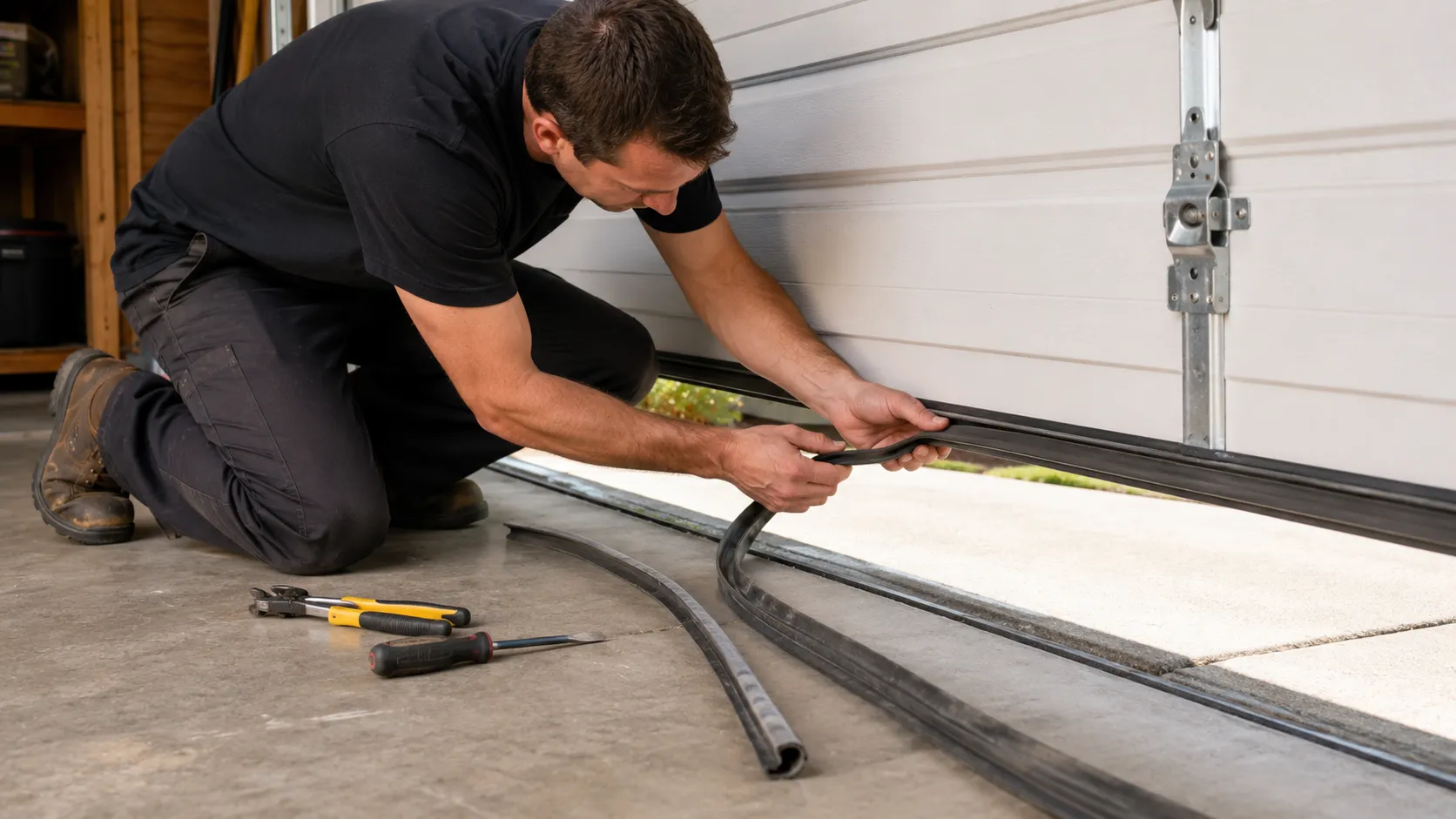
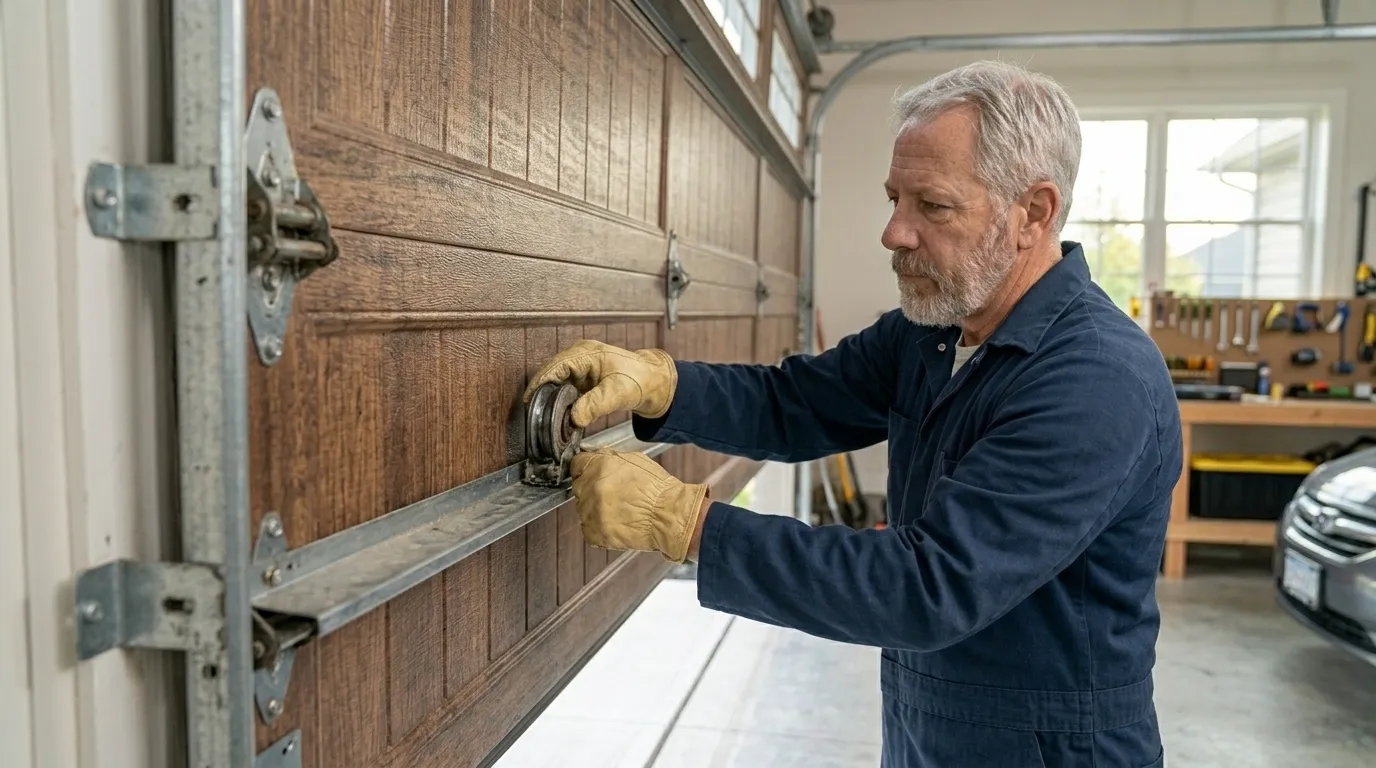
We stock panel sections that fit the sizes common to this era of build - the steel gauges and section heights that show up on doors from the late 1950s through the 1970s, which covers most of what's on the ground in this town. We also carry the matching end hinges and roller brackets, because swapping a panel without matching hardware is how you end up with a door that binds in the track within a month.
What we don't keep on the truck is a replacement for every original manufacturer's panel design. Some doors from this period used a proprietary rib pattern or a panel height that hasn't been produced in decades. When we hit one of those, we tell you straight - sometimes the honest fix is replacing the full door rather than chasing a panel that no longer exists in that profile.
We bring standard color-matched primer stock for on-site touch-up, but if your door has a specific factory finish, expect a visible seam until it's painted to match. That's a limitation worth knowing before we start, not after.
Why This Fails Locally
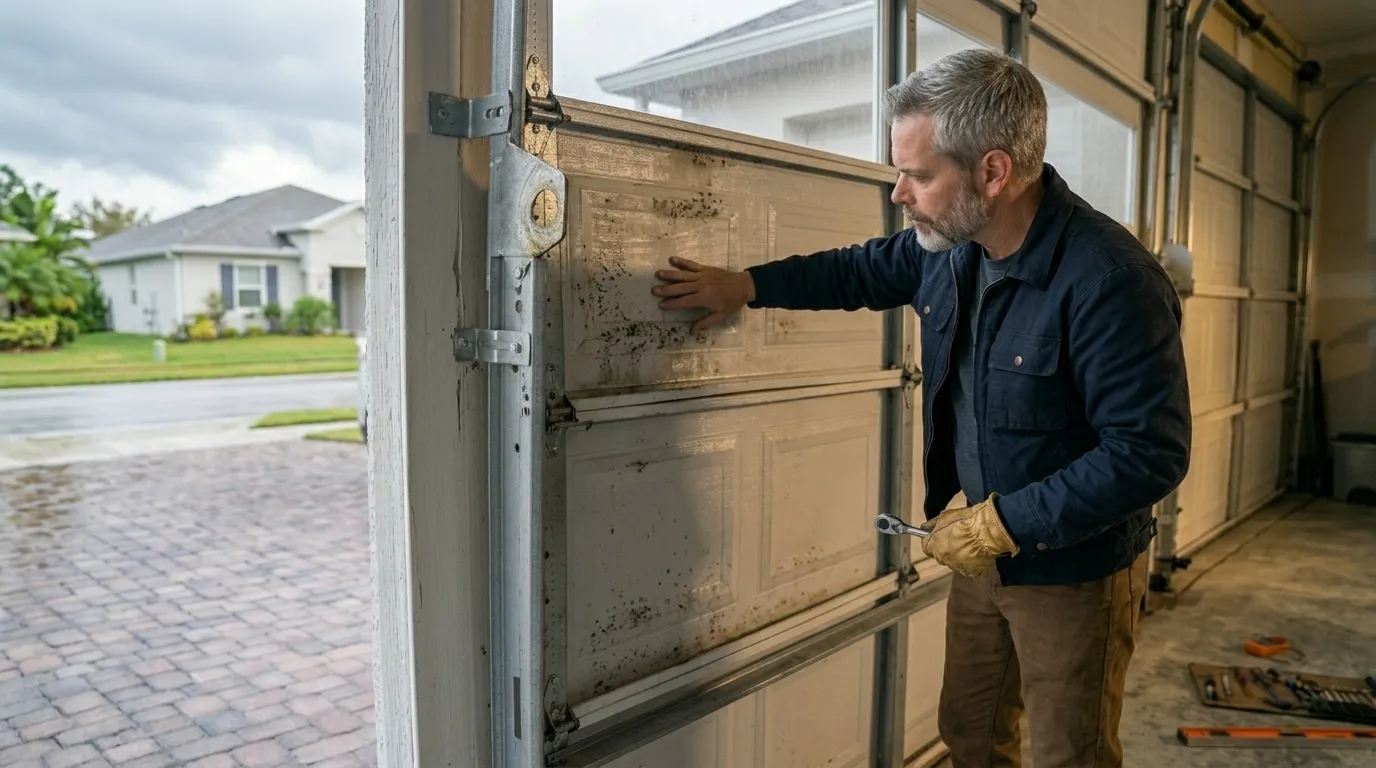
This region sits in a cold-climate band with real winter severity, and that matters more for a door built in 1957 than for one built in 2015. Original steel panels from that era have thin gauge and minimal insulation core, so they flex more in a hard freeze-thaw cycle - the metal contracts, the seams open slightly, and a panel that was already thin from rust starts to crack along the rib line.
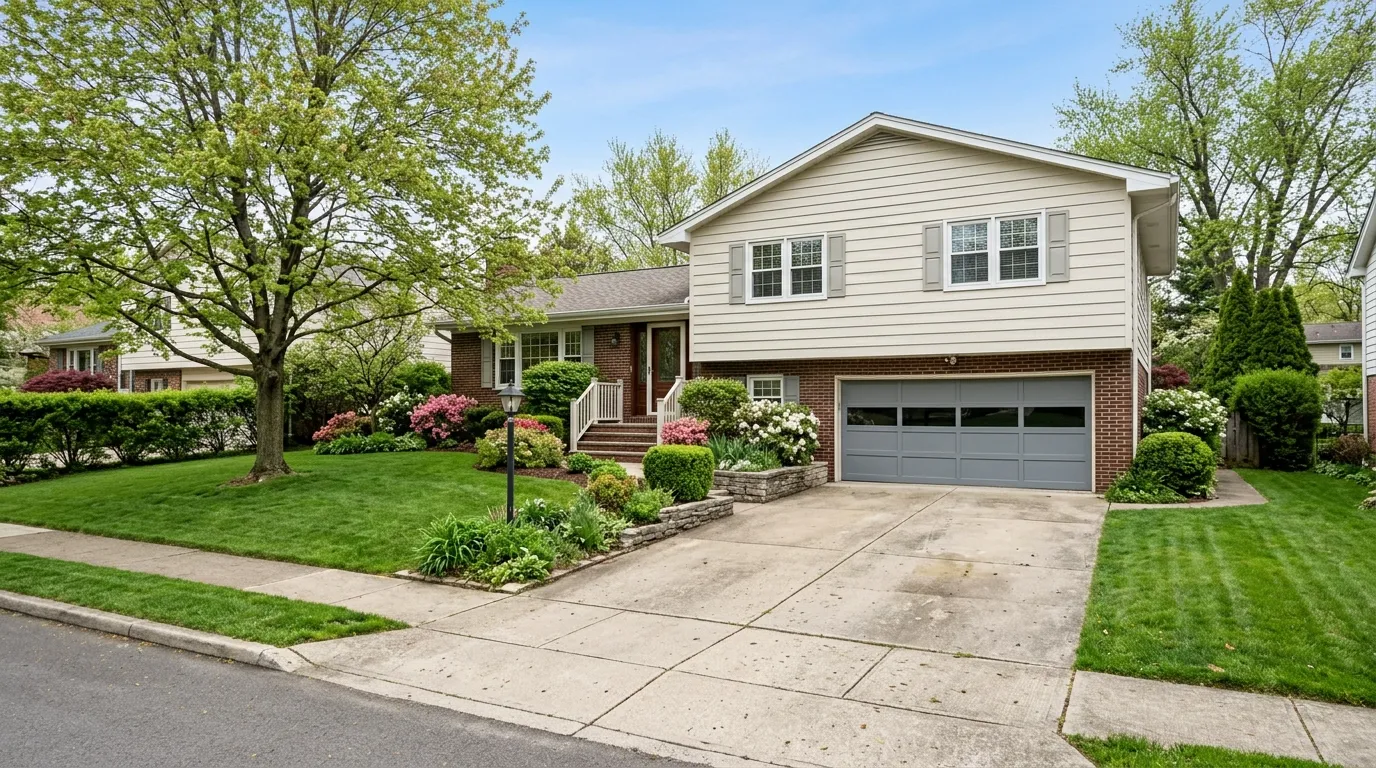
Combine that with a house where the original garage slab has settled unevenly over sixty-plus years, and you get a door that's slightly out of square in its opening. A single replacement panel installed dead level can still bind against a frame that isn't, which is why we check square at the jamb, not just at the door.
We're driving in from Springfield, about 5 miles out, so we're not guessing at what a 1957-era door in this part of the region typically needs - we've seen the same hardware, the same rib pattern, and the same rust pattern on plenty of doors from that build window.
Time on the Job
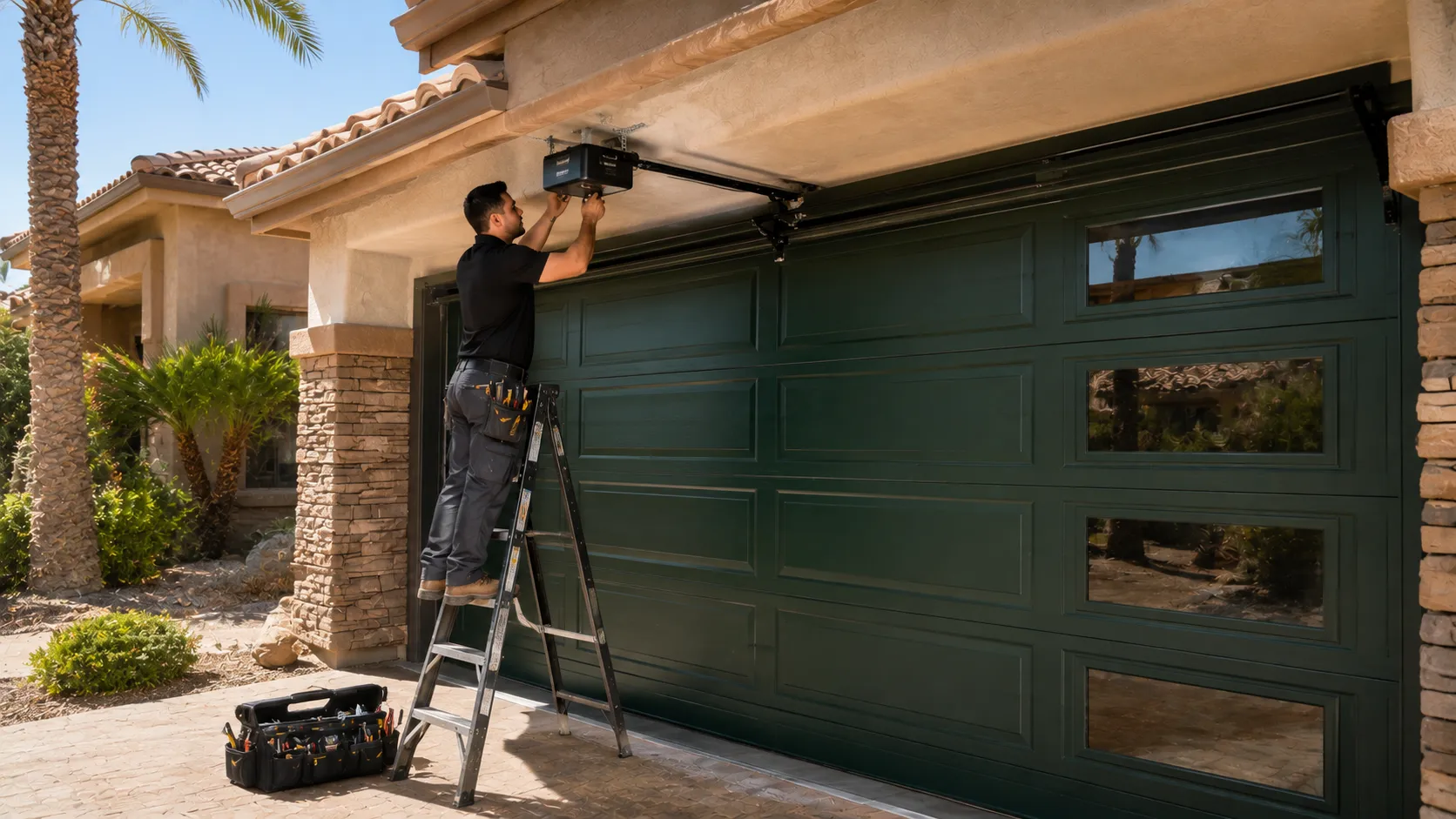
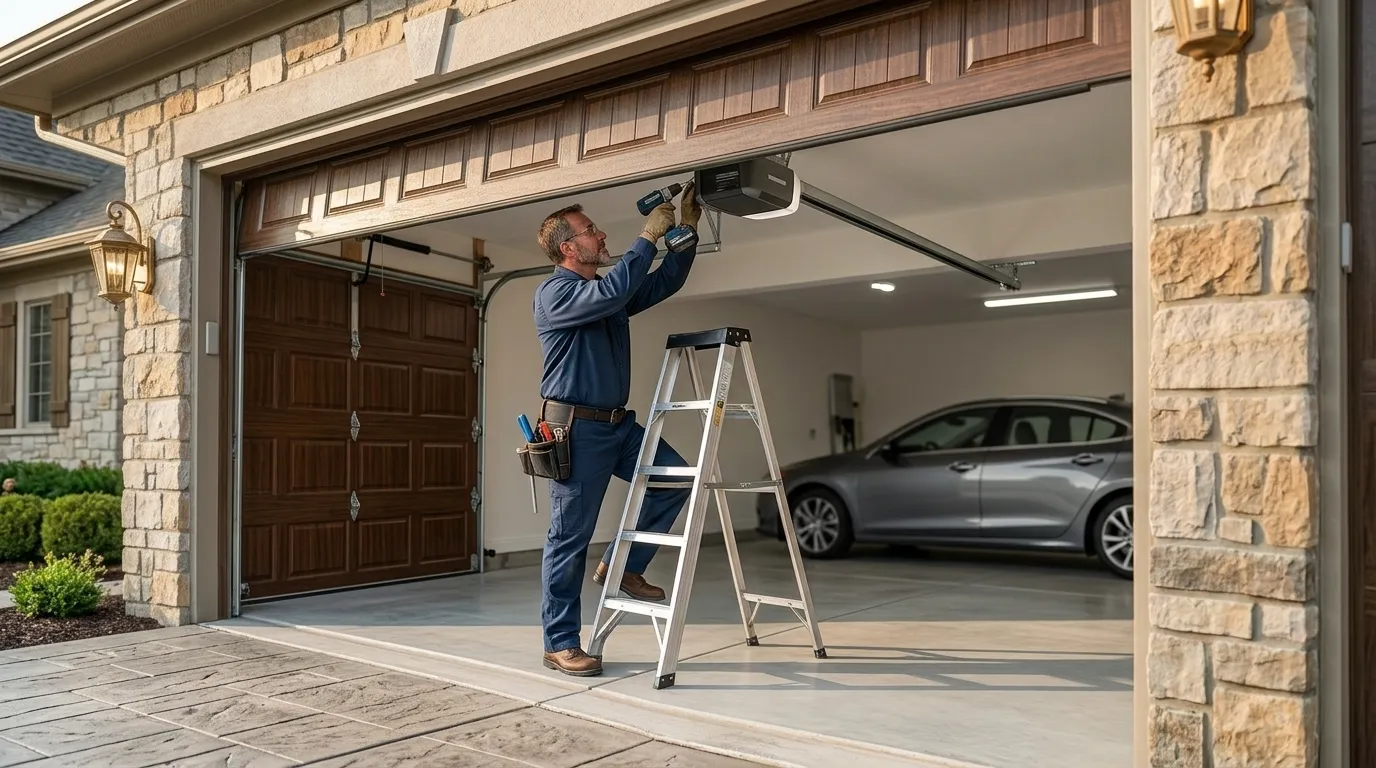
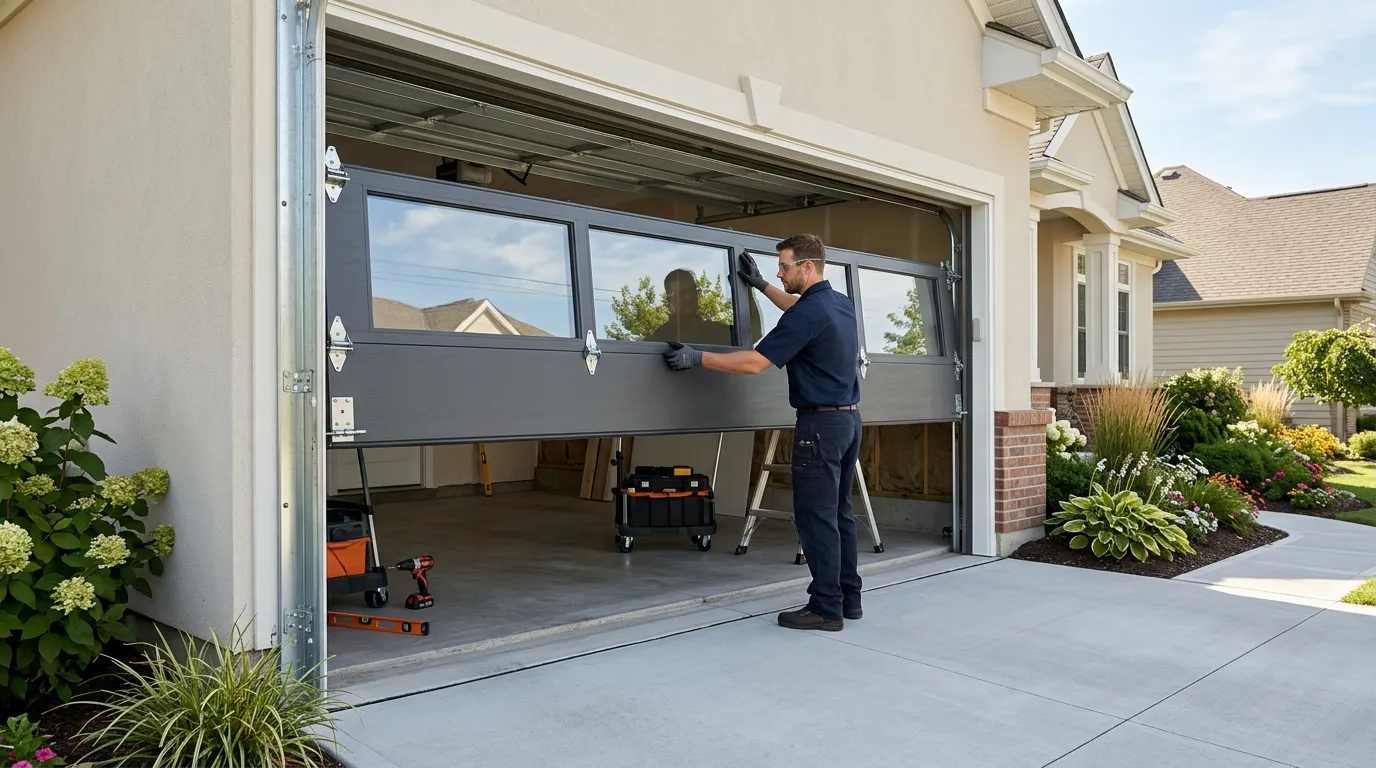
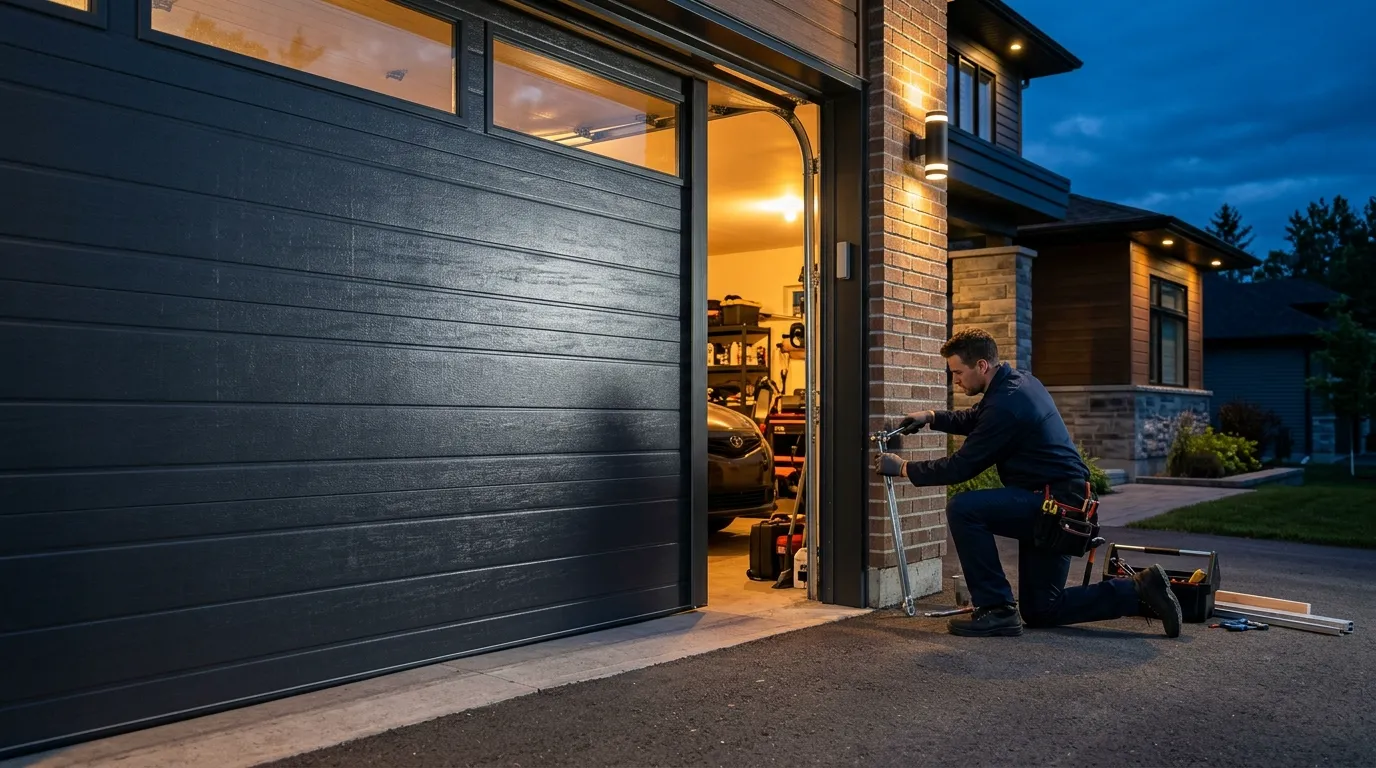
A single-panel swap on a single-car door with matching hardware on hand usually runs under two hours once we've confirmed fit. Add a torsion spring rebalance or a second damaged panel and that stretches out, especially on a double door where both spring assemblies need attention.
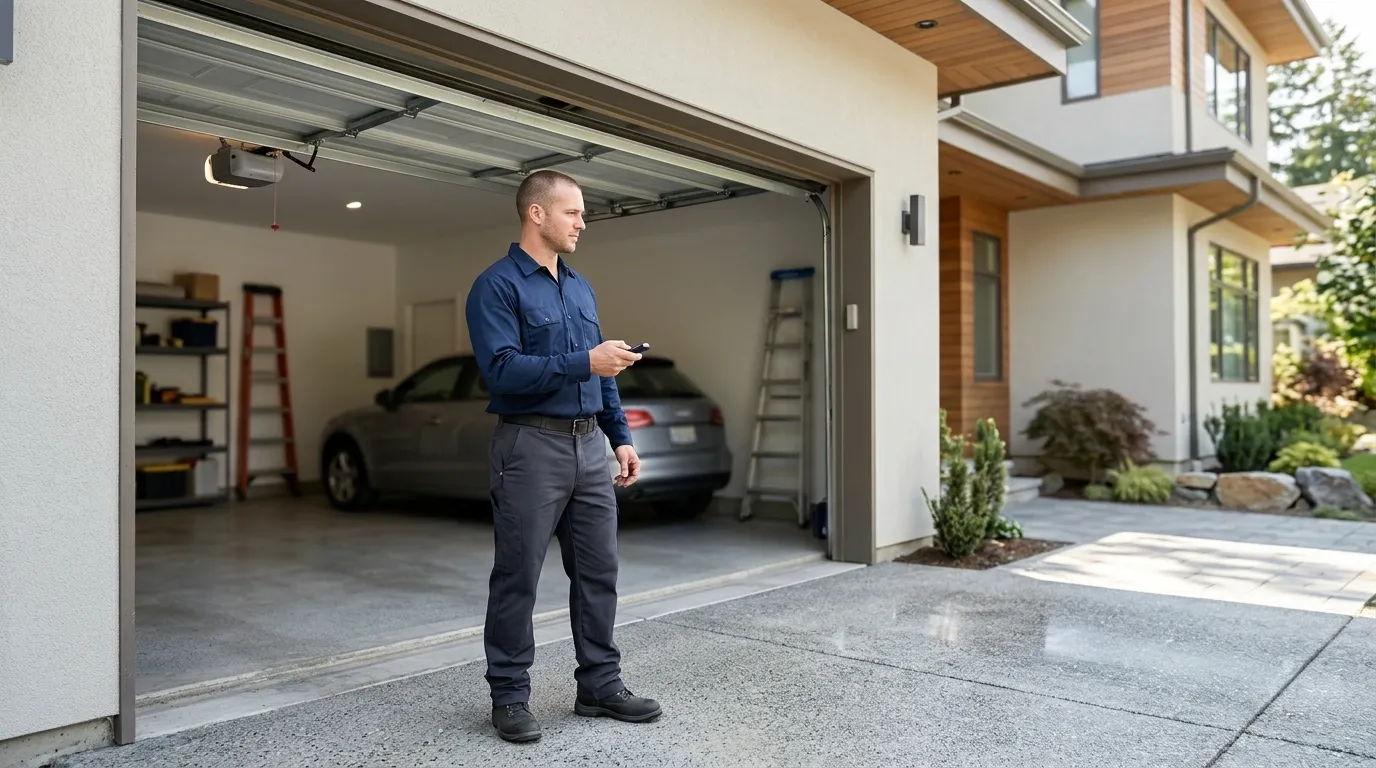
What we can't promise is a same-day fix if the panel design turns out to be discontinued. In that case we're ordering a match or discussing full-door replacement, and that's a different timeline than what's on the truck today. We'll tell you which situation you're in before we start pulling anything apart, not after we've already got the door open.