Garage Door Opener Installation Across the Springfield Area
Opener installation for Springfield's 1960s-era garage doors, built for New England cold. Serving homes across the greater Springfield area since the housing here went up.
Call or fill out the form on our home page and tell us what opener you have now, or what came with the house if you don't know. Most homes in this area were built between 1938 and 1989, with the median landing around 1965, so a lot of what we find is the original chain-drive unit or a replacement from the 80s that's outlived its gears. We ask a few questions up front: door weight, ceiling clearance, whether you want a smart opener with a camera, and whether the existing rail and header bracket are worth keeping. That last one matters because reusing sound hardware keeps the job cheaper. We don't quote a firm price over the phone since header framing on older houses varies house to house, but we'll give you a real number before anyone touches a bolt. If the visit turns into 'this needs more than an opener,' we say so before we start, not after.
What the Fix Involves
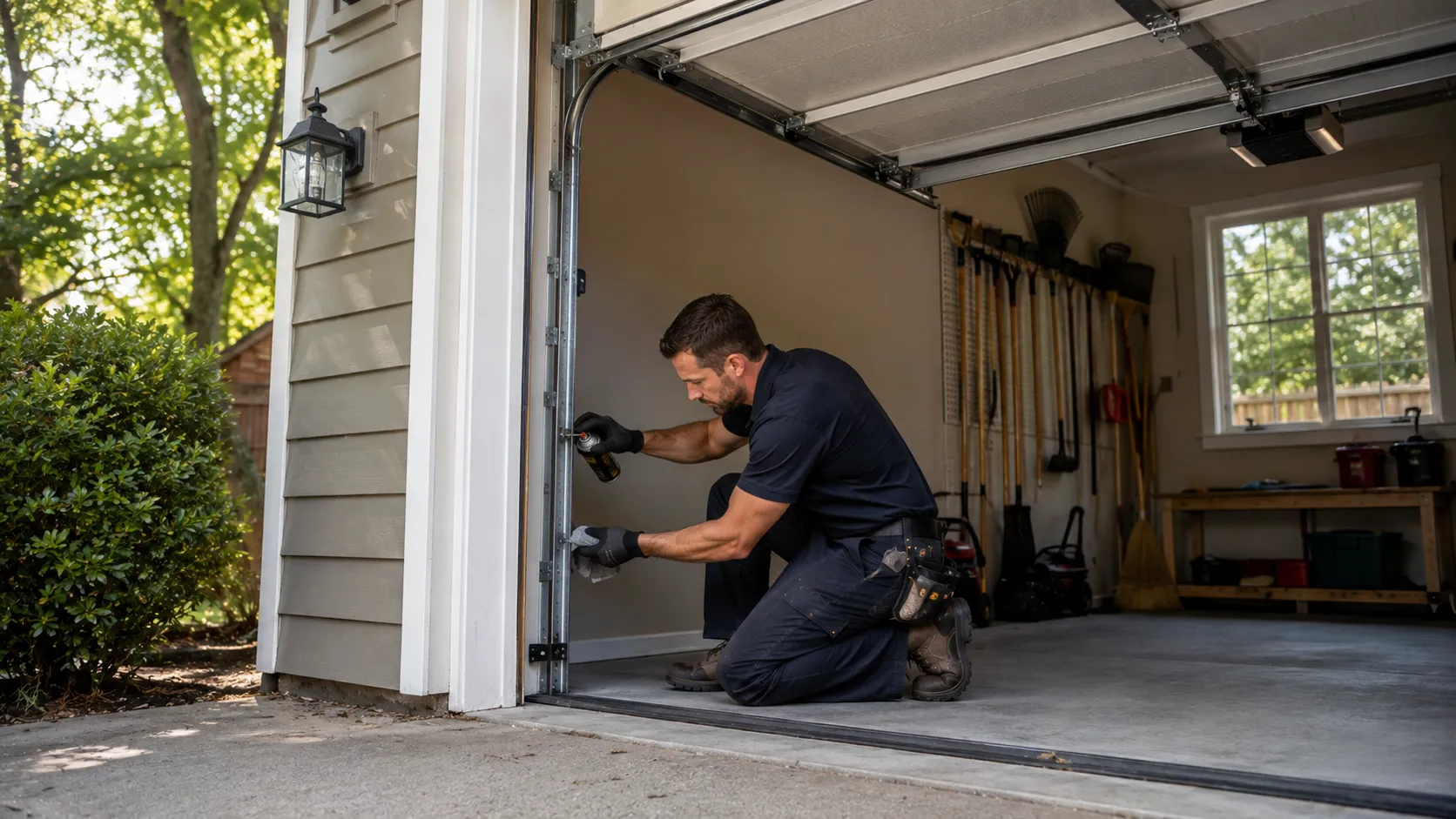
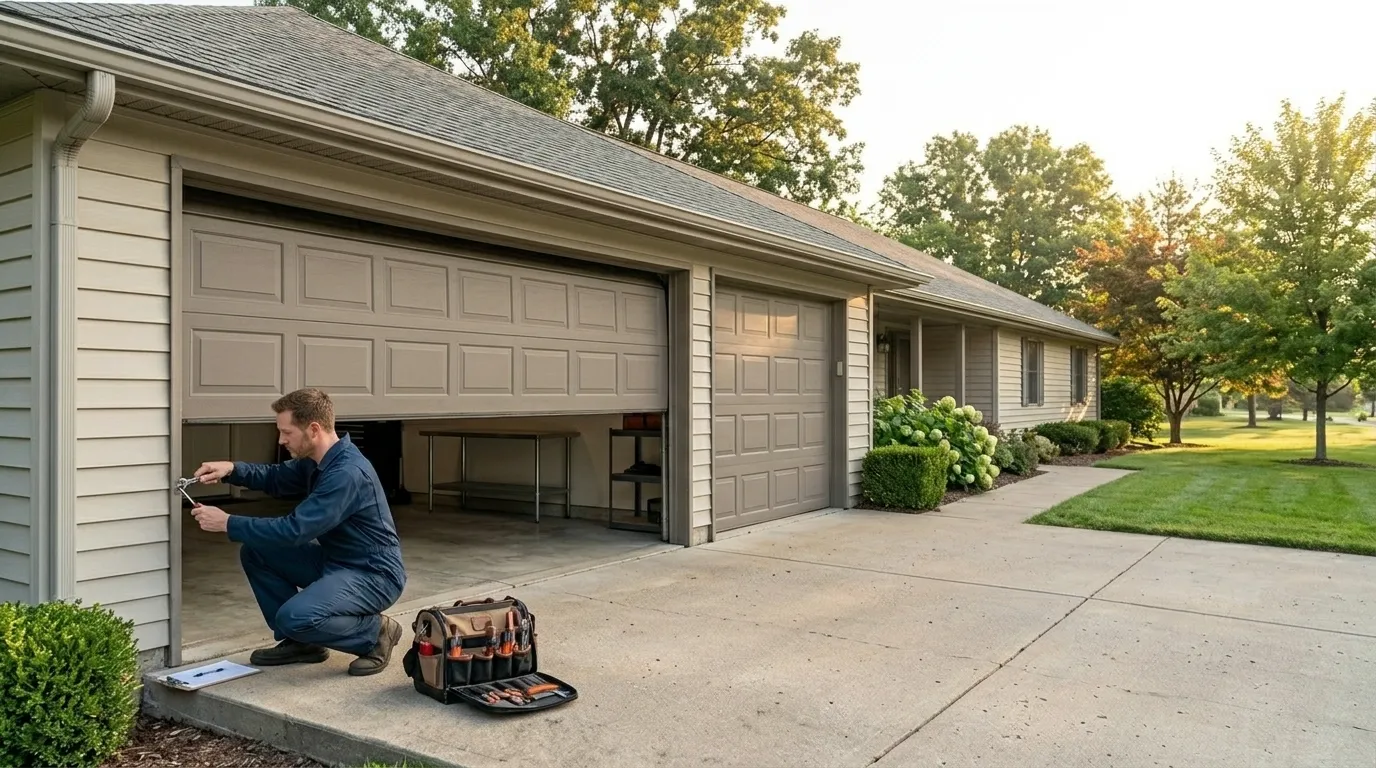
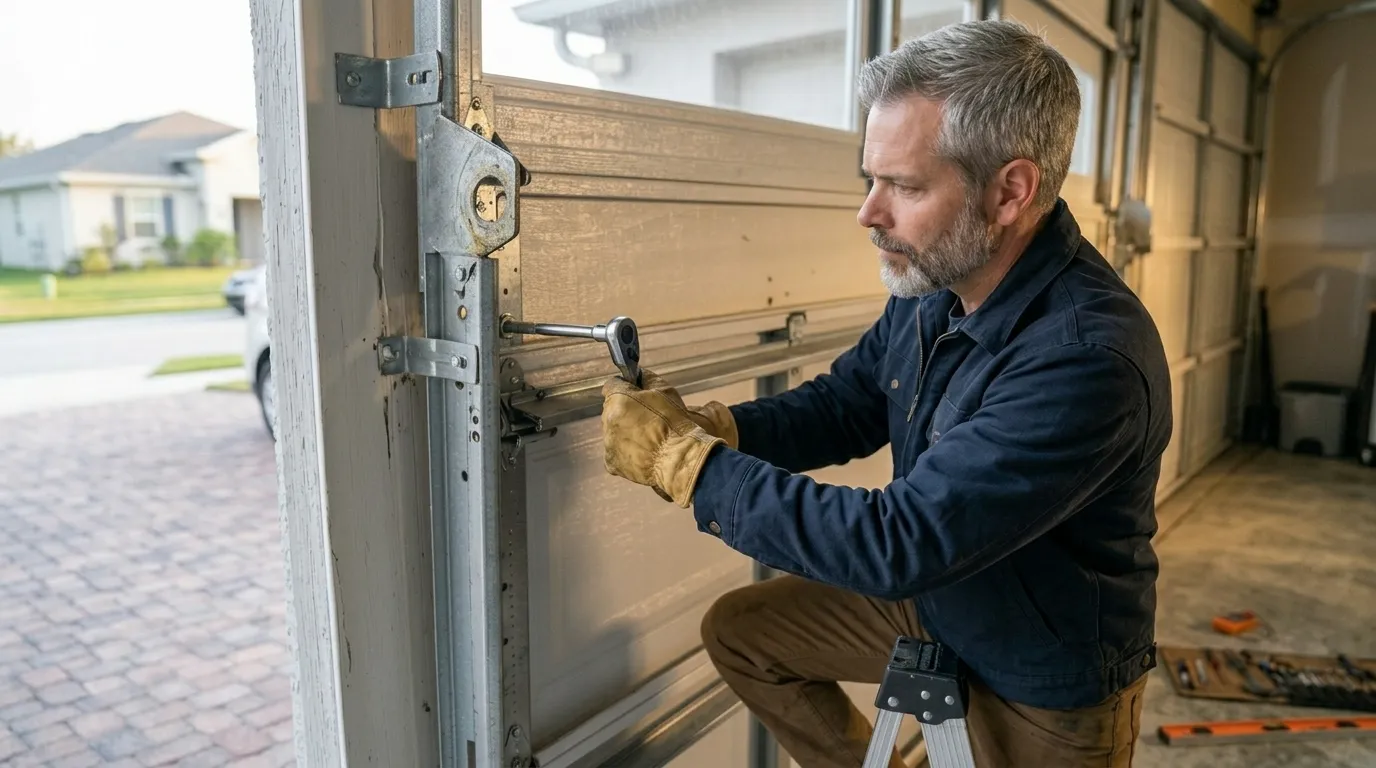
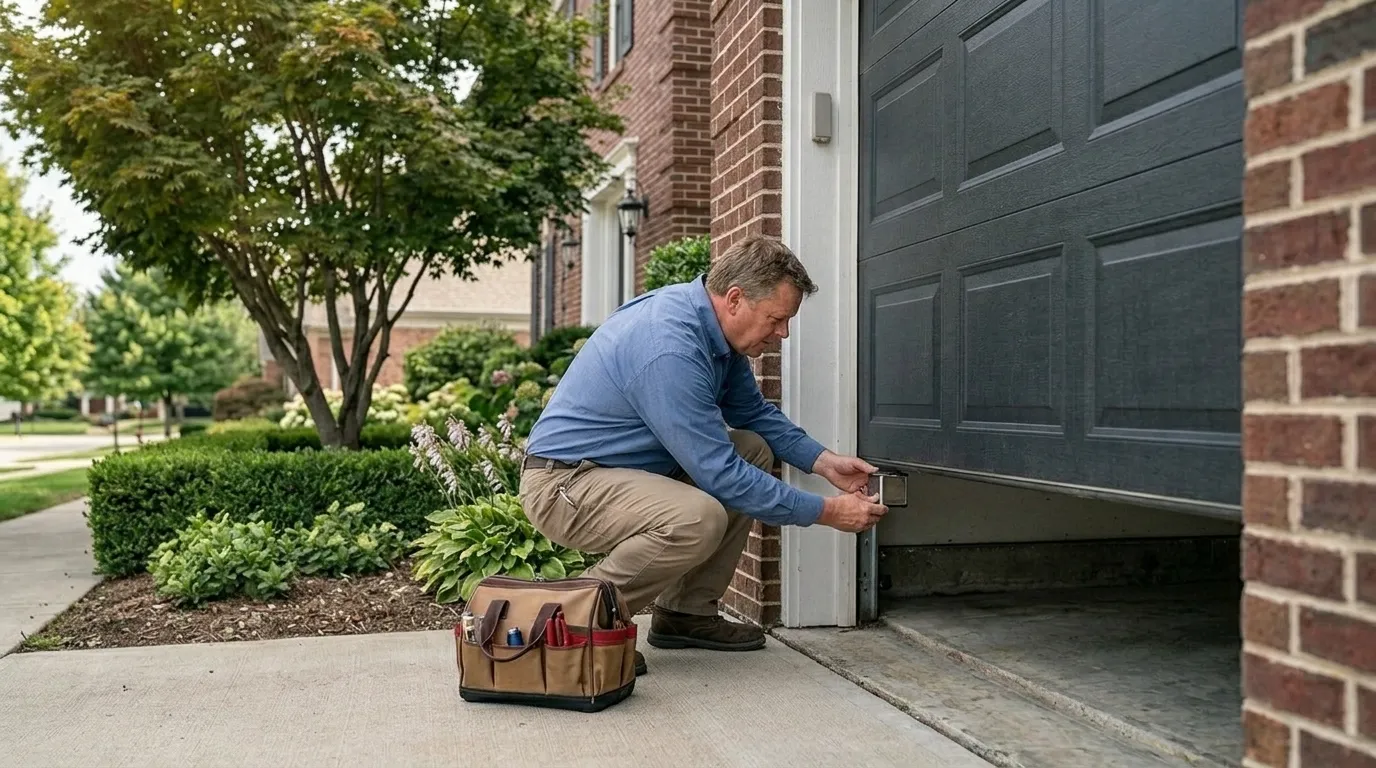
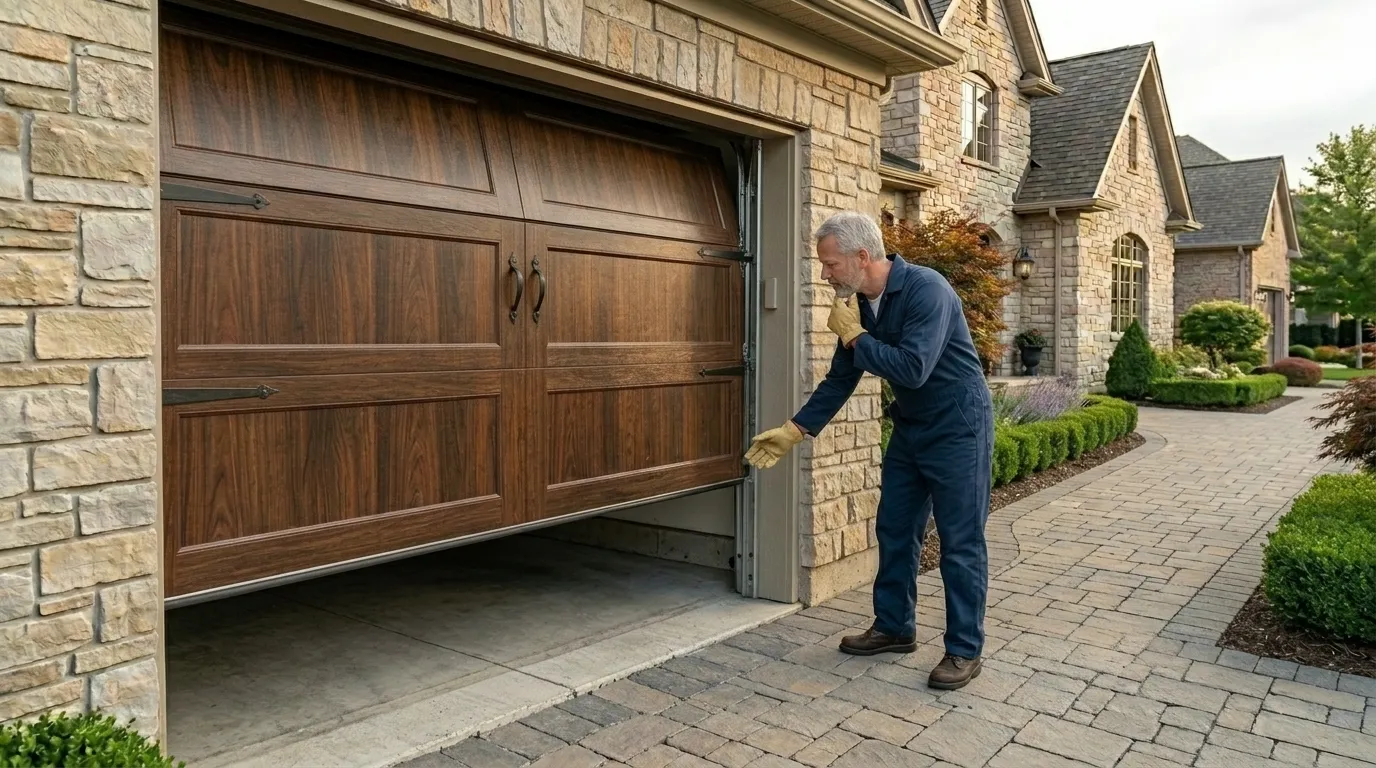
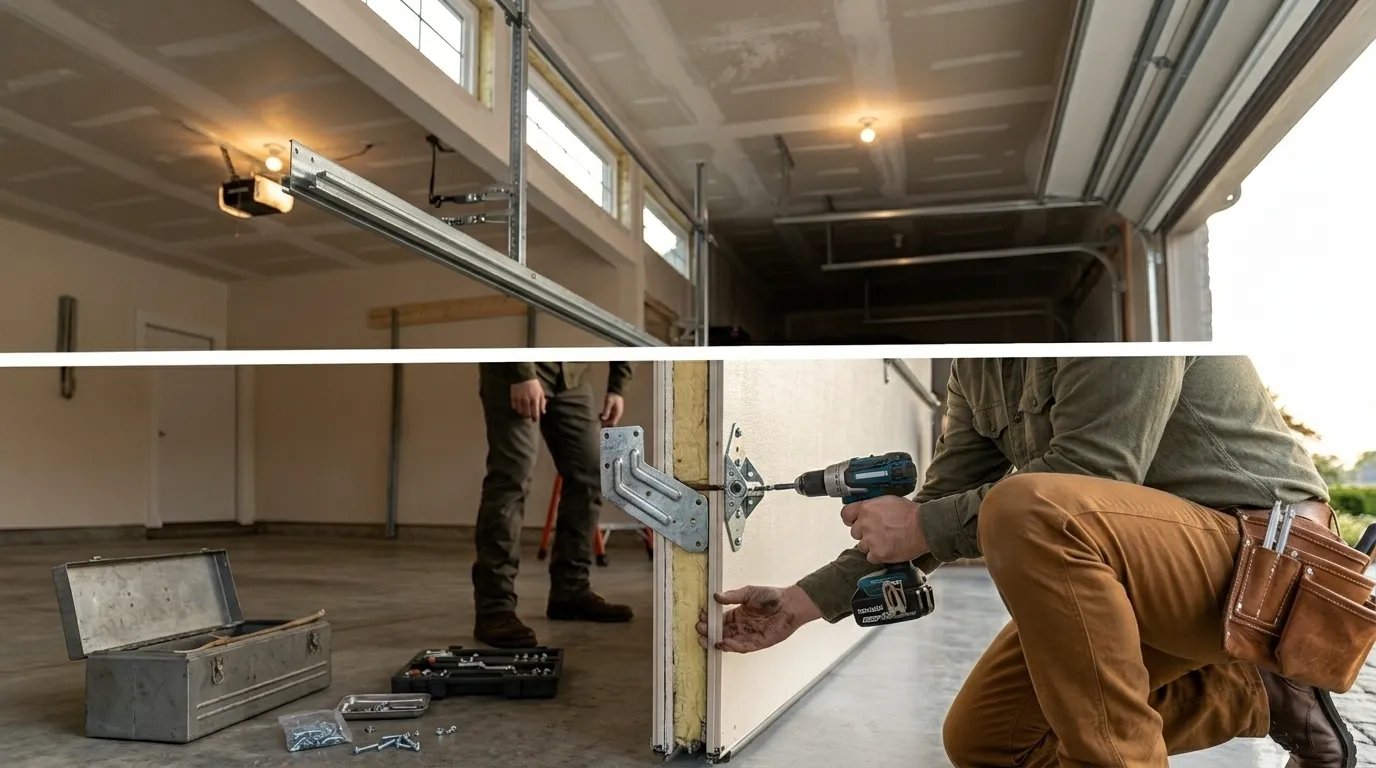
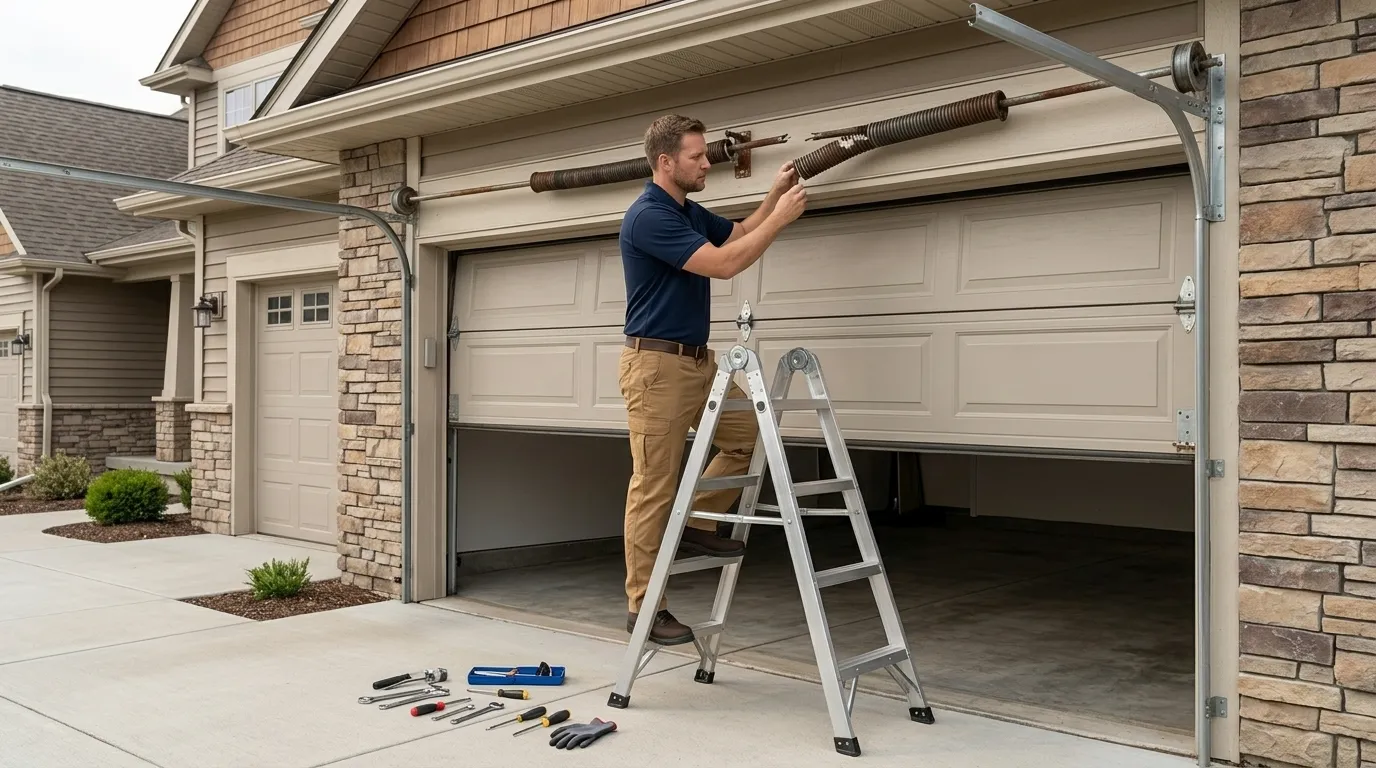
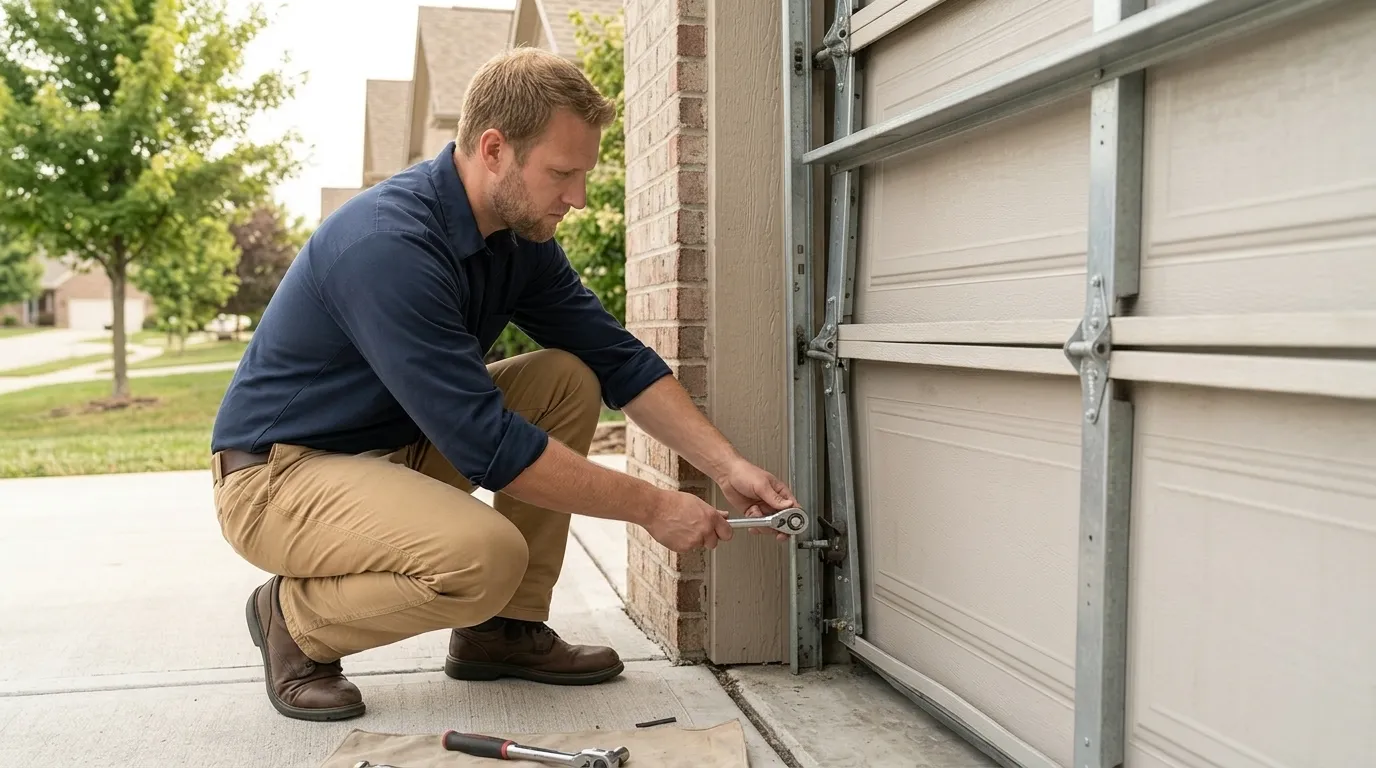
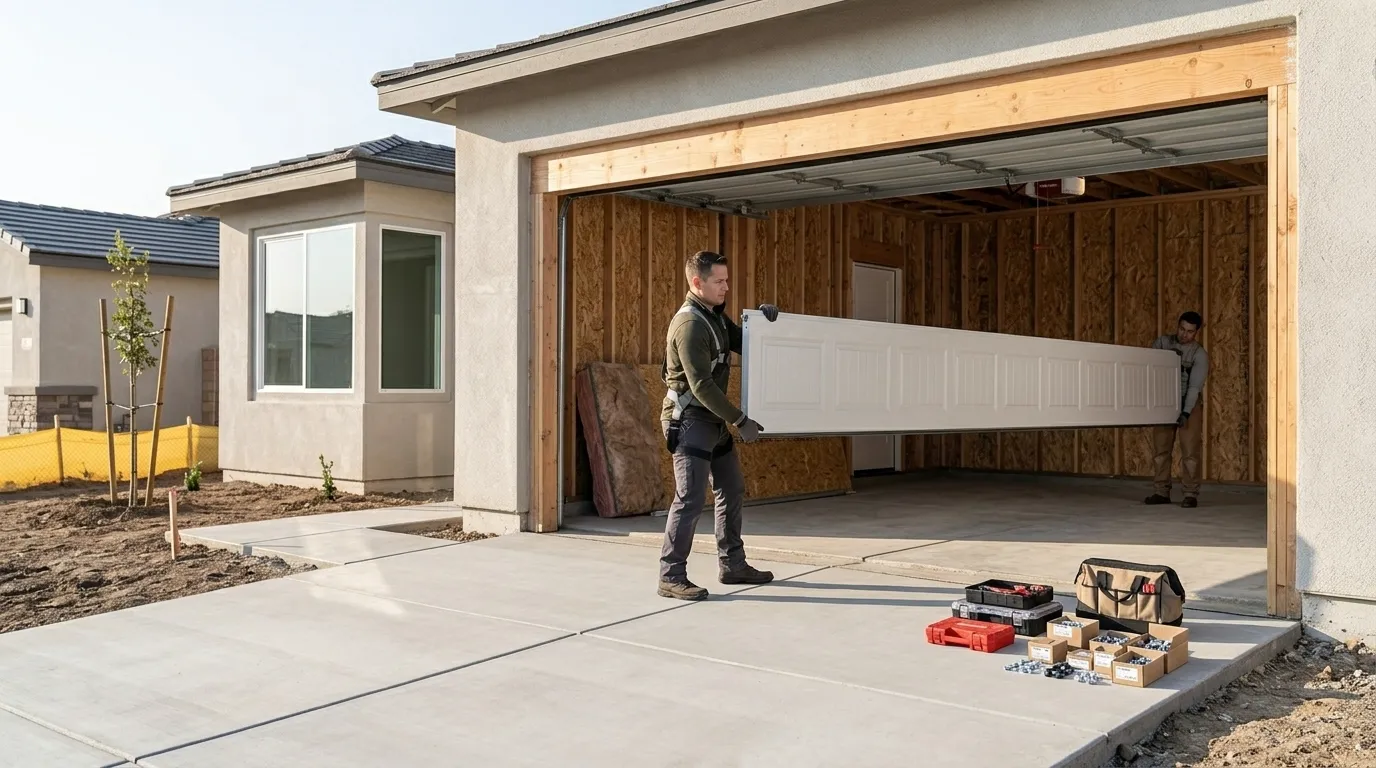
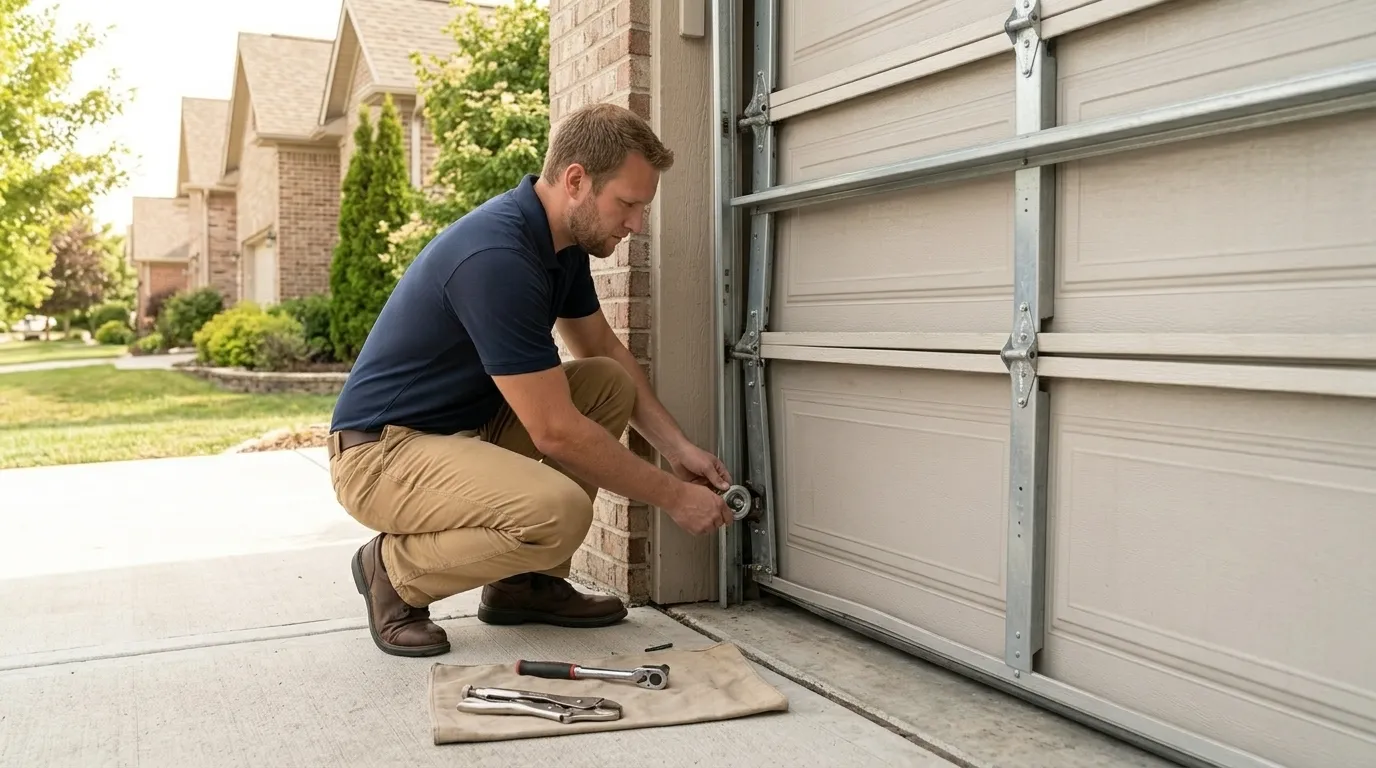
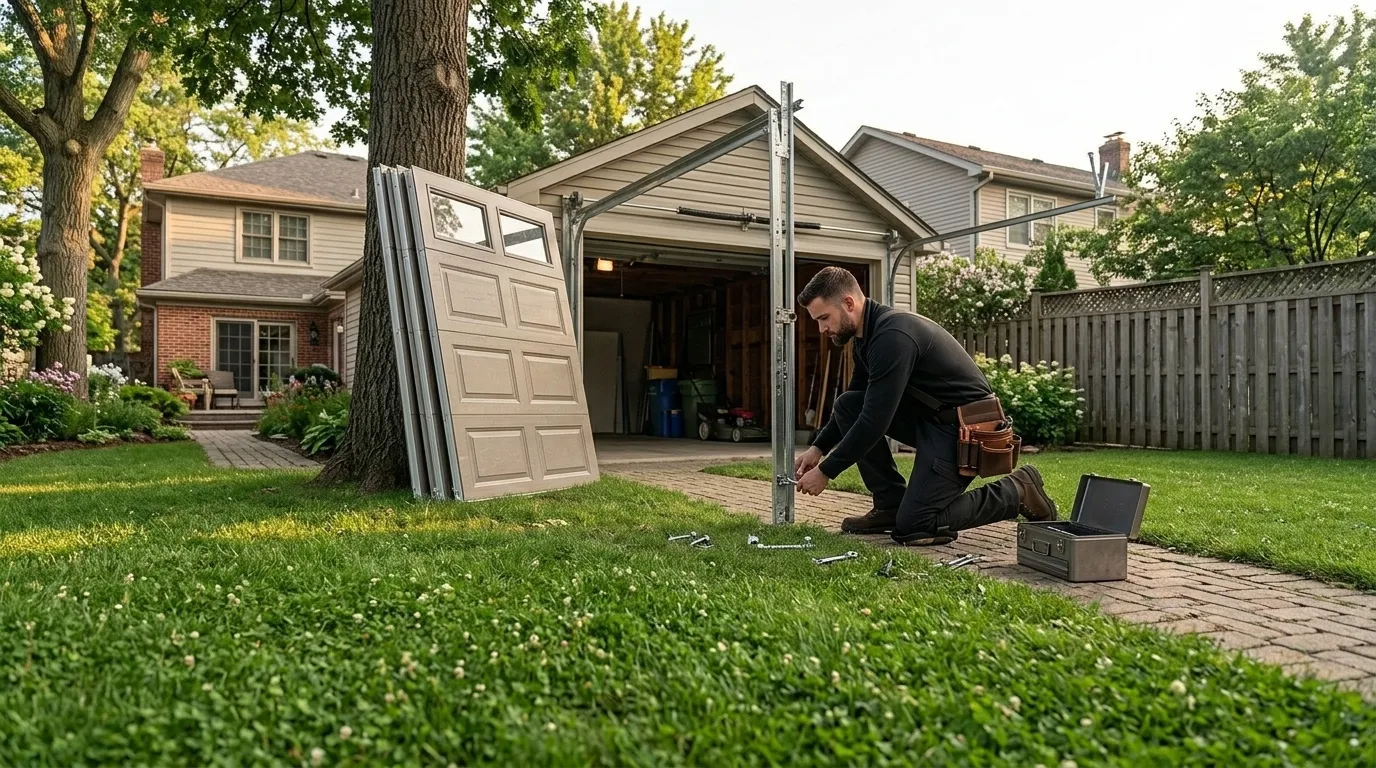
A proper opener swap starts with pulling the old motor head and rail, then checking the door itself: springs, cable condition, track alignment. On a house from the 1960s or 70s, which describes most of the 27 areas we work across, the door is often heavier than what a modern belt-drive opener expects, so we size the unit to the door, not the other way around. We mount a new header bracket if the old one is cracked or was never rated for the door's weight, run a new rail, set travel limits, and program the safety sensors at the base of the track. If the house still has the original light-duty wiring for the opener circuit, we'll flag it rather than tie into something undersized. Battery backup is worth discussing here too, since a dead opener during a winter power outage means a door you can't lift by hand without knowing where the manual release is. We test the door through a full cycle, cold-start included where the garage isn't heated, before we call the job done.
The Symptom
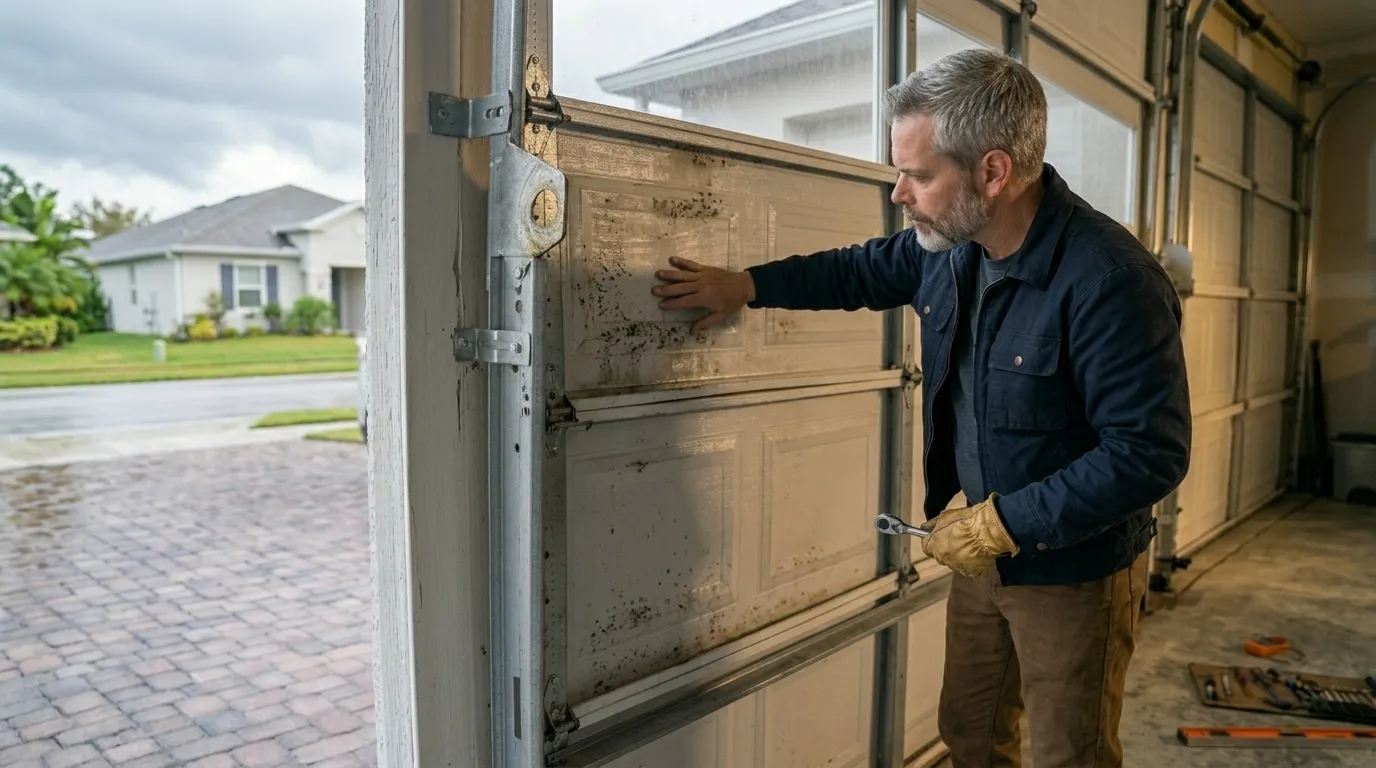
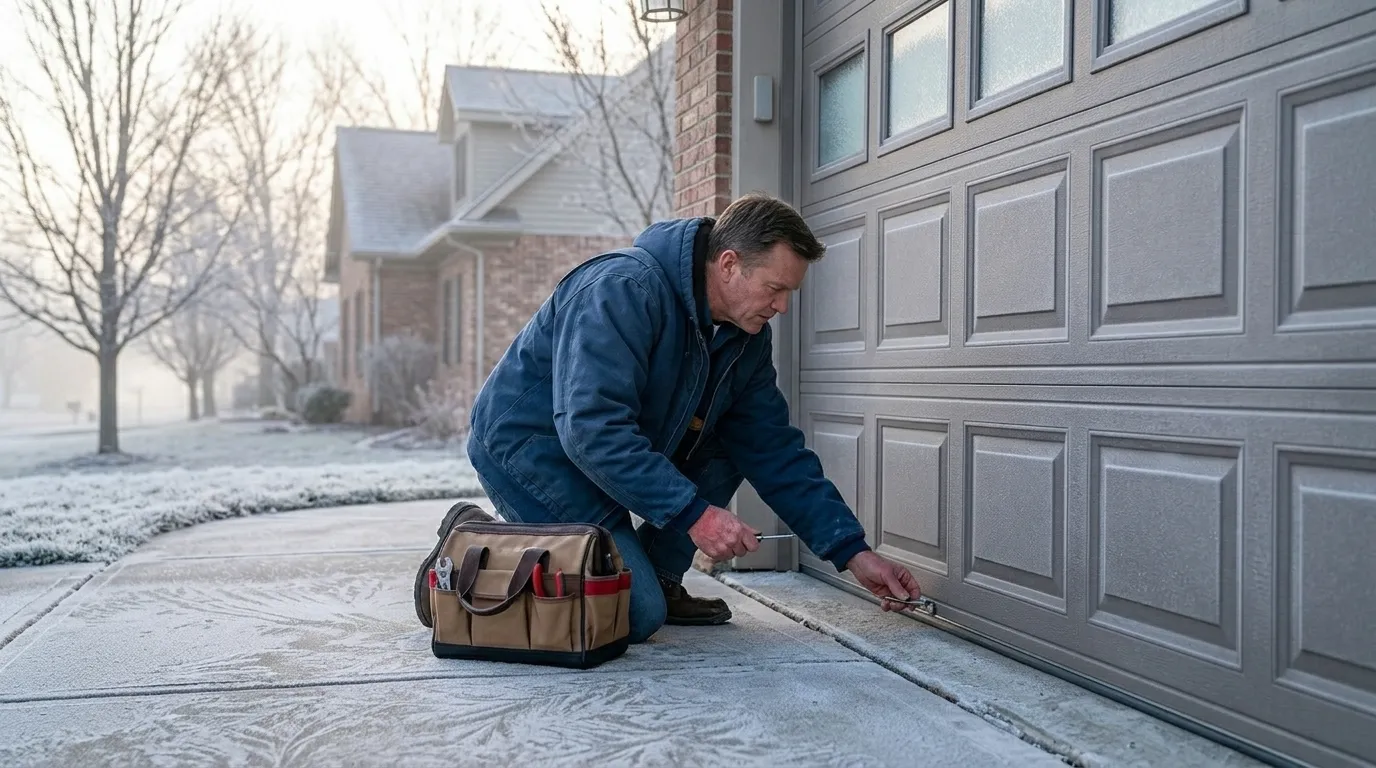
The calls we get are consistent: opener runs but the door won't move, opener hums and stops, or the remote works some days and not others. On garage doors from the 1960s and 70s stock common across this area, the opener is frequently a later add-on to a door and track built for manual operation, and the motor was never matched to the door's actual weight. That mismatch shows up as strain on the gears, which is why so many of these units fail years earlier than they should. Cold makes it worse. In a severe cold climate like this one, grease inside an old gear housing thickens overnight, and a motor that's already undersized has to fight through that stiffness every time it starts. That's the combination we see over and over: an opener sized for a lighter door, decades of that mismatch, and a New England winter putting extra load on it on the coldest mornings of the year.
Why This Fails Locally
This isn't a generic wear-and-tear story. The housing stock across the Springfield area is heavily concentrated in the 1938-to-1989 build window, with the bulk from the 1960s and 70s, and that generation of garage was built for a manual door with a torsion or extension spring system, not a motorized one. When openers were retrofitted, installers often matched the cheapest unit available to a door that was already heavier than the motor's rated capacity, and that gap doesn't announce itself for years. Add the cold-climate factor: older gear-drive openers depend on grease that stays fluid at moderate temperatures, and a severe winter here means that grease is working against the motor on the exact mornings people most need the door to open. We see this pattern across the towns near Springfield too, from East Longmeadow to Wilbraham to wherever the housing age and winter conditions line up the same way. It's not bad luck. It's an opener that was never sized for the door and the climate it's been running in for fifty-plus years.
How it works
From “it’s stuck” to “it’s fixed”
1
Tell us what’s wrong
Describe the symptom - won’t open, loud bang, opener runs but the door won’t move.
2
On-site diagnosis
A technician tests the door under power and by hand and finds what actually failed.
3
Clear, up-front plan
You get the fix that’s needed and what drives the cost - before any work starts.
4
Repaired & tested
The repair is done, the door is set true and tested, and the work area left clean.
Serving Springfield, MA - tell us what your door’s doing and we’ll take it from there.
Straight answers about garage door repair in Springfield. Still unsure? Ask us directly.
Why did my opener work fine for years and then just stop?
Most openers fail gradually, not all at once. On older Springfield-area doors from the 1960s and 70s, the motor is often undersized for the door's actual weight, so the gears wear faster than they should. Add a cold winter morning where old grease has stiffened, and a motor that was already close to its limit finally can't push through. It's cumulative strain, not a sudden defect.
Can I reuse my existing garage door track and springs with a new opener?
Often yes, if the door itself is in good shape and the springs are properly balanced for the door's weight. We check that before quoting the job, since reusing sound hardware keeps costs down. If the springs or track are worn or were never right for the door, we'll say so rather than bolt a new opener onto a setup that will strain it the same way the old one did.
Do you install openers with battery backup?
We can, and it's worth asking about given how often winter storms in this area cause power outages. A battery backup lets the opener still run the door during an outage instead of leaving you to find the manual release. We'll go over the options when we quote the job so you can decide if it's worth the added cost for your situation.
How do you decide what size opener my door needs?
We measure the door's actual weight and check the spring balance rather than guessing off the door's age or style. A lot of doors in this area were originally built for manual operation and later fitted with an opener that was undersized for the load. We size the new unit to what the door actually weighs now, not to what a past installer assumed.