Can You Do This Yourself
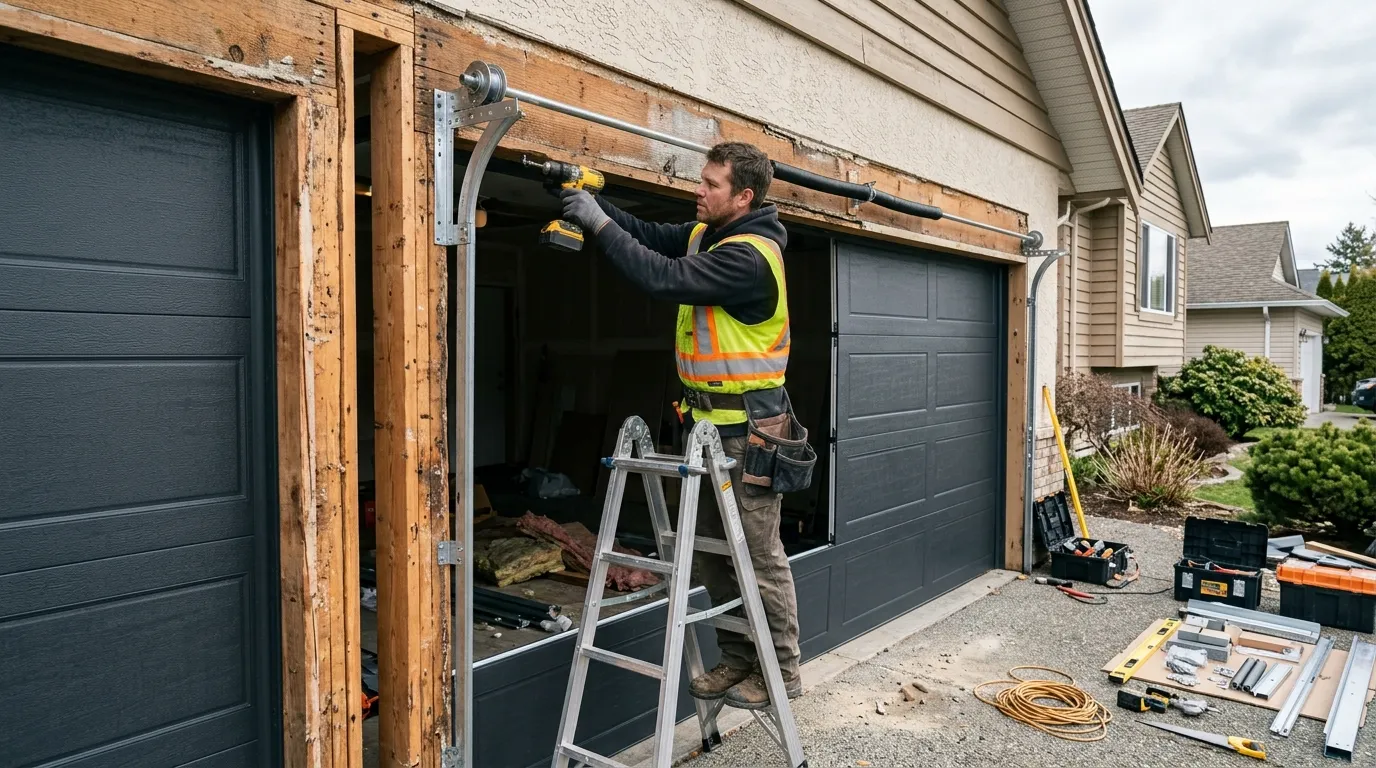
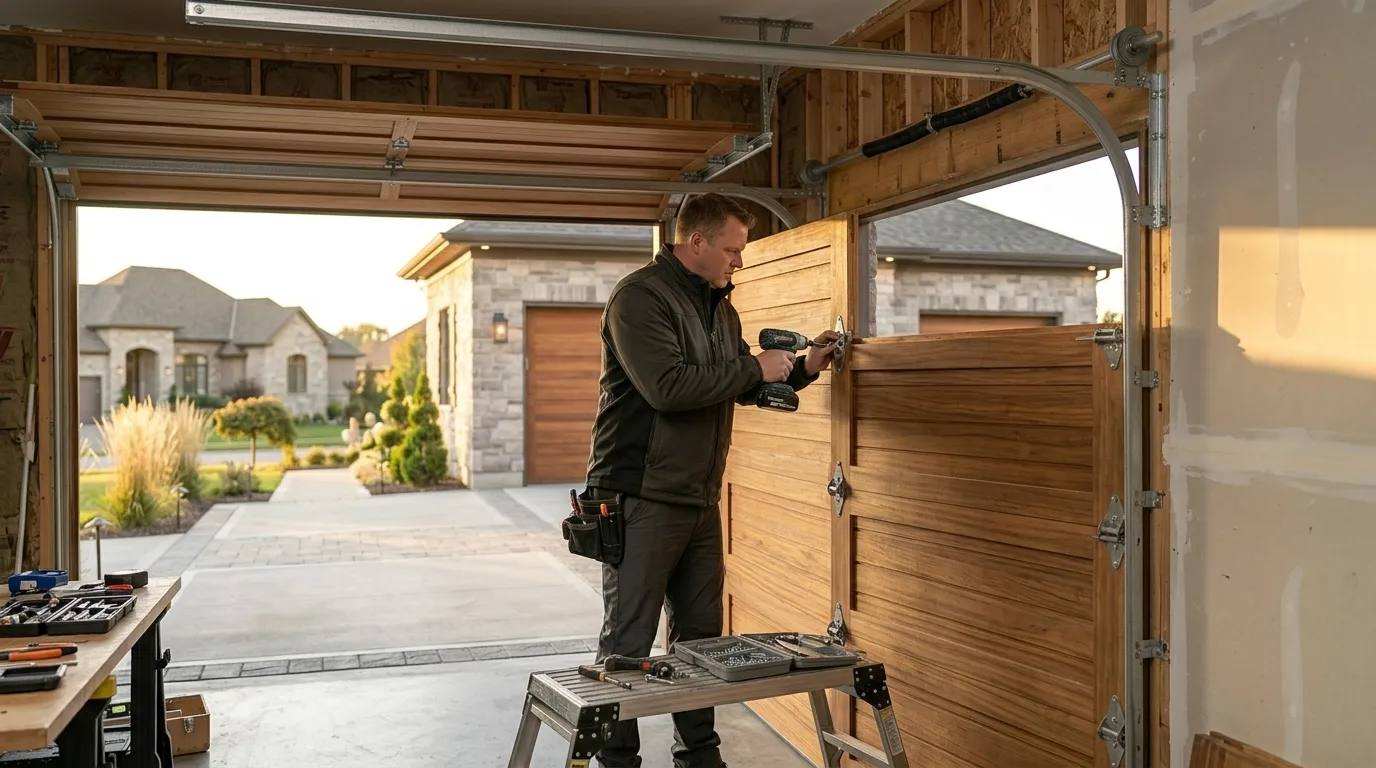
You can mount a mid-range belt-drive opener yourself if you're comfortable on a ladder and know how to square a rail. What trips people up on houses this age is the header - a lot of 1950s framing wasn't built with an opener bracket in mind, so you're often adding blocking before you can even hang the unit. Get that wrong and the door will work for a few weeks, then start racking the track under load.
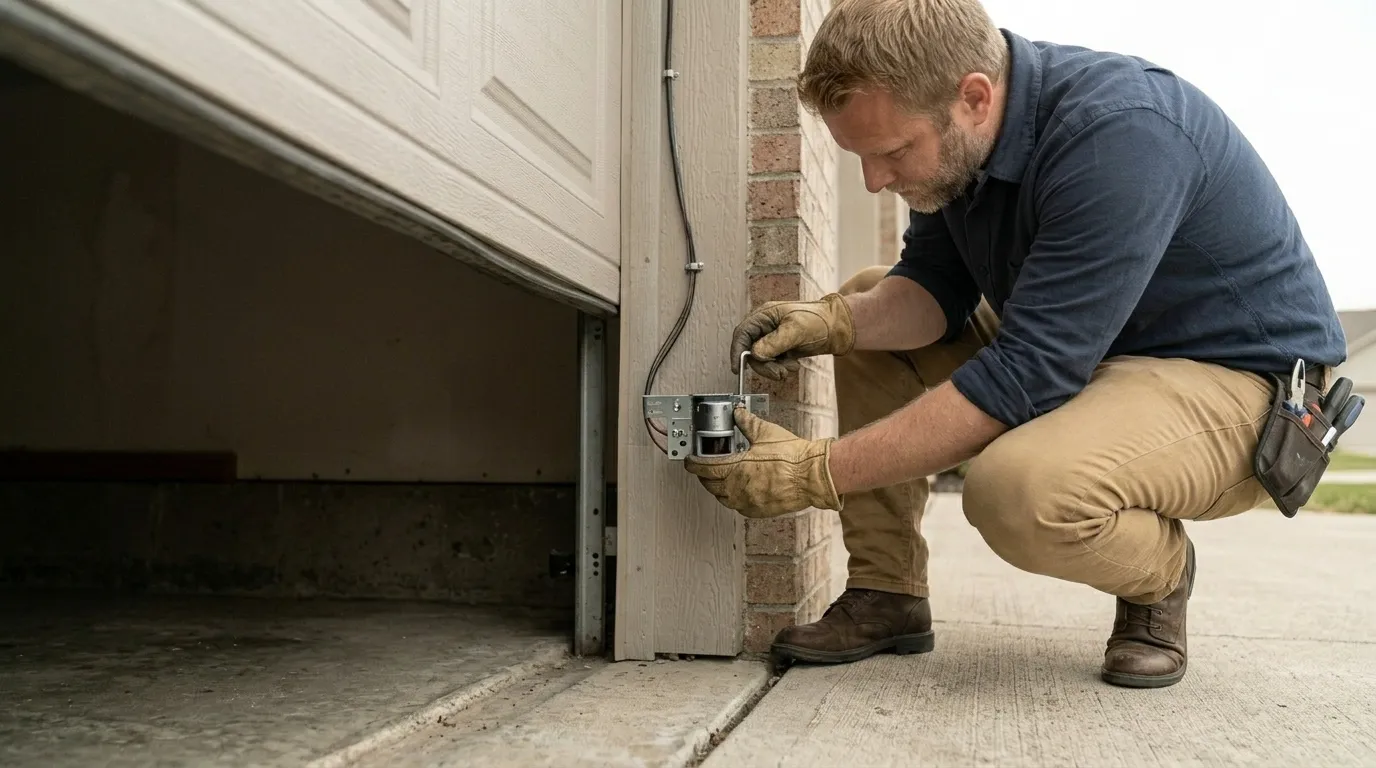
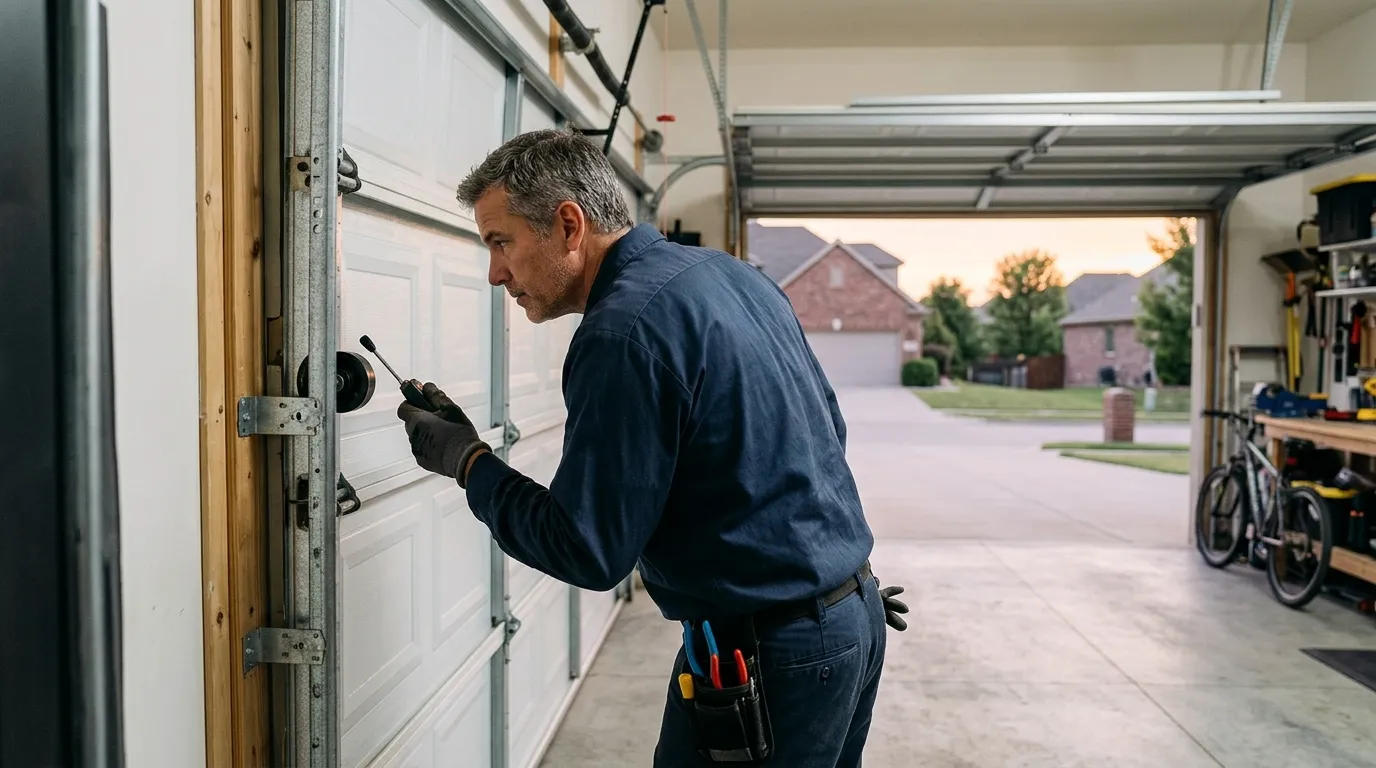
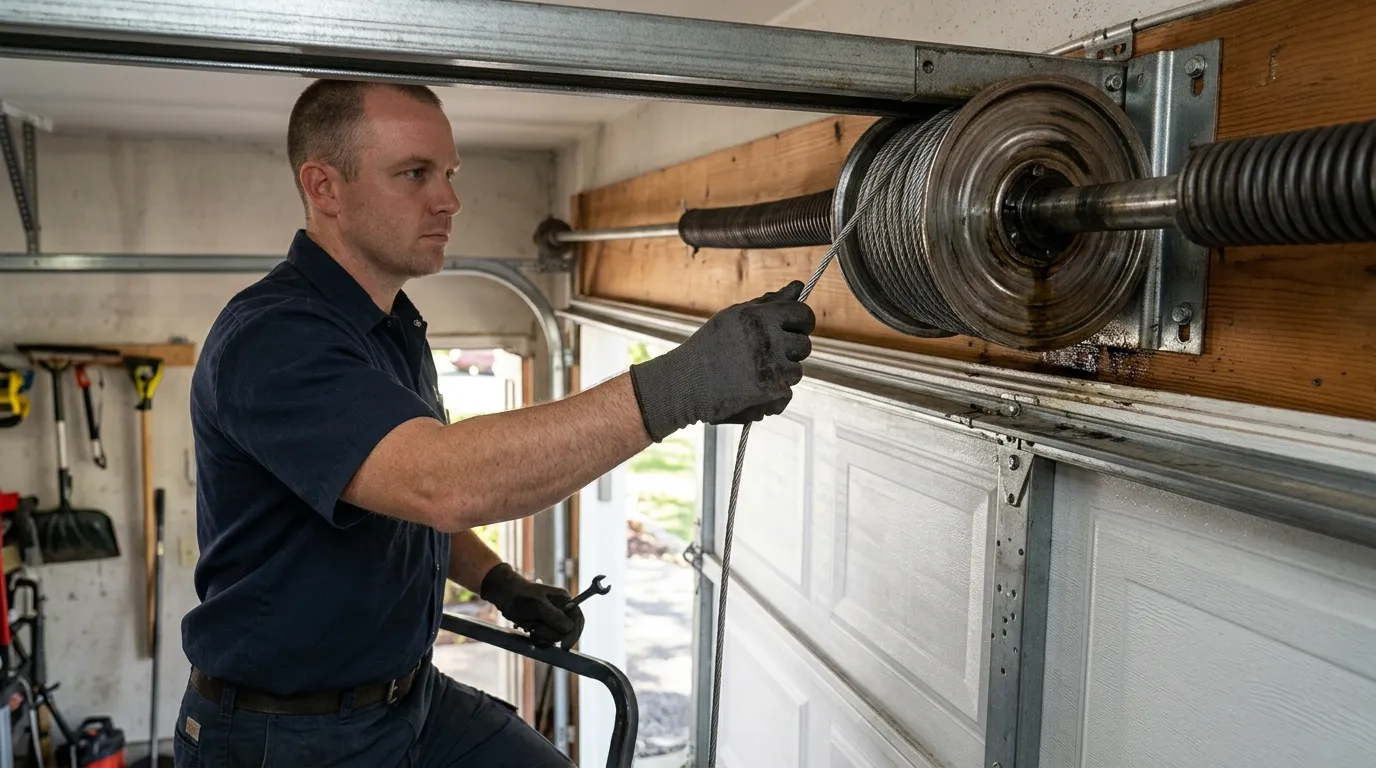
Wiring the wall control and safety sensors correctly matters more than people think. If the photo-eye sensors aren't aimed dead level, the opener will reverse on you at random, which looks like a bad motor when it's really a two-dollar bracket out of alignment. We'll say the honest thing: swapping a like-for-like opener on a door that's otherwise sound is a reasonable DIY project for someone patient. Pairing a new opener with a spring or cable that's also due is where we'd tell you to call, because the two jobs interact and doing them separately usually means paying for a return visit.
Parts We Carry
We stock chain and belt-drive openers in the ranges that fit standard single and double doors, plus the wall controls, keypads, and safety sensor kits that go with them. For homes running older manual setups or opener models long out of production, we carry universal wall-mount conversion brackets that adapt to the header framing common in houses built before 1960.
We don't stock every legacy circuit board on the market. If your existing opener uses a proprietary control unit from a defunct brand, we'll tell you straight that replacement usually beats repair - sourcing an obsolete board can take weeks and cost more than a new unit installed.
Why This Fails Locally
The failures we see in this town trace straight back to when the houses went up. A median build year of 1957 means a lot of garages were framed for a manual door with no motor ever in mind, then had an opener bolted on decades later without reinforcing the header. That's a different starting point than the newer stock elsewhere in the service area, and it means brackets, lag placement, and even the motor's amperage draw need a second look here that a newer build wouldn't.
Cold is the other half of it. This region sits in a severe cold climate band, and openers with worn gears or thin lubrication that tolerate a mild fall usually fail outright in a hard freeze - the motor strains harder against a door that's stiffened up, and something that was already marginal gives out. Median household income here runs well above the wider service area's $93,808, and we see that reflected in the openers people choose - more homes asking for battery backup and smart-connect features than the base chain-drive units.
Time on the Job
A straightforward swap on a door with sound track and springs runs about the same regardless of town - a few hours from arrival to a tested, working opener. What changes here is the header work. If we hit original 1950s framing that needs blocking added before the bracket goes up, plan on that adding real time to the job, not because the opener itself is different, but because the wall behind it is.
We don't pad estimates with travel padding for the five miles out from Springfield - it's a short enough run that it doesn't change how we price the work. What does change the clock is what we find once the old opener comes down.