Can You Do This Yourself
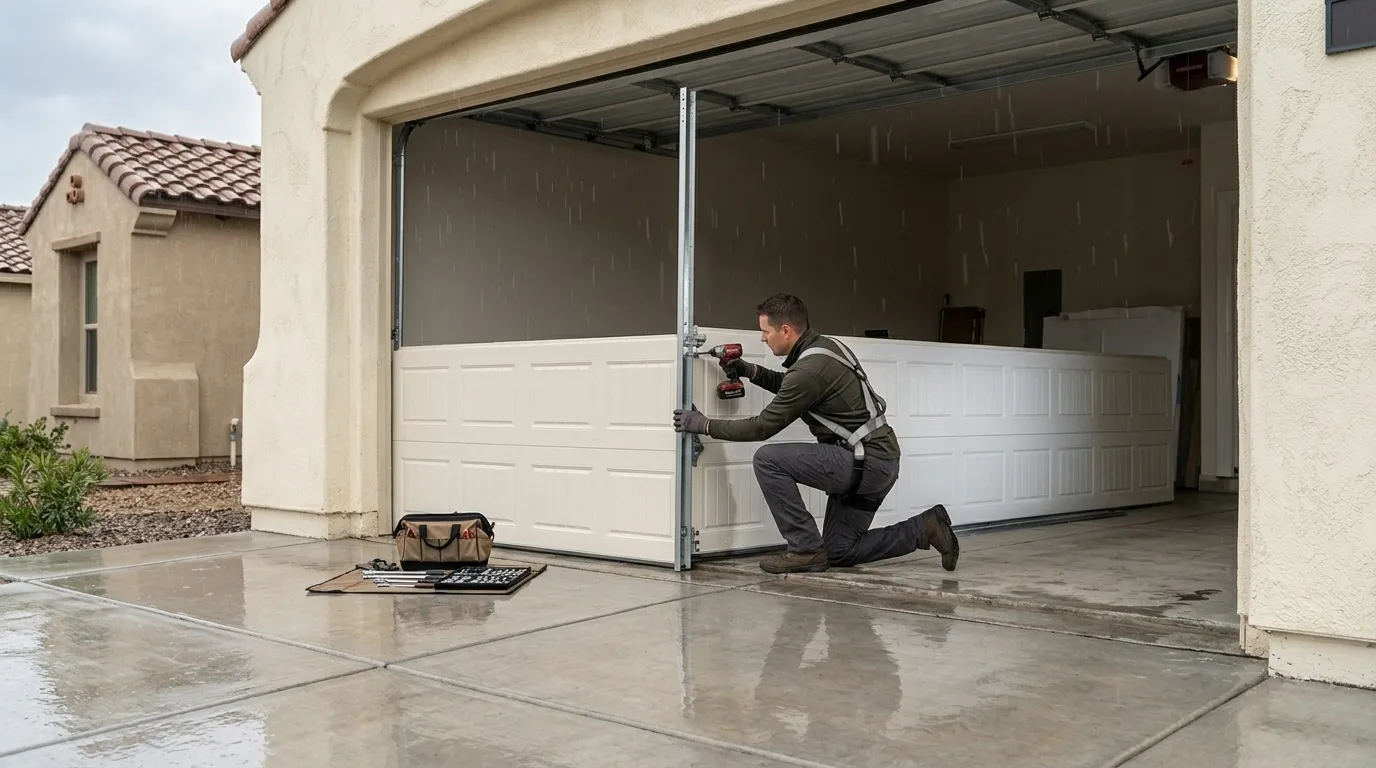
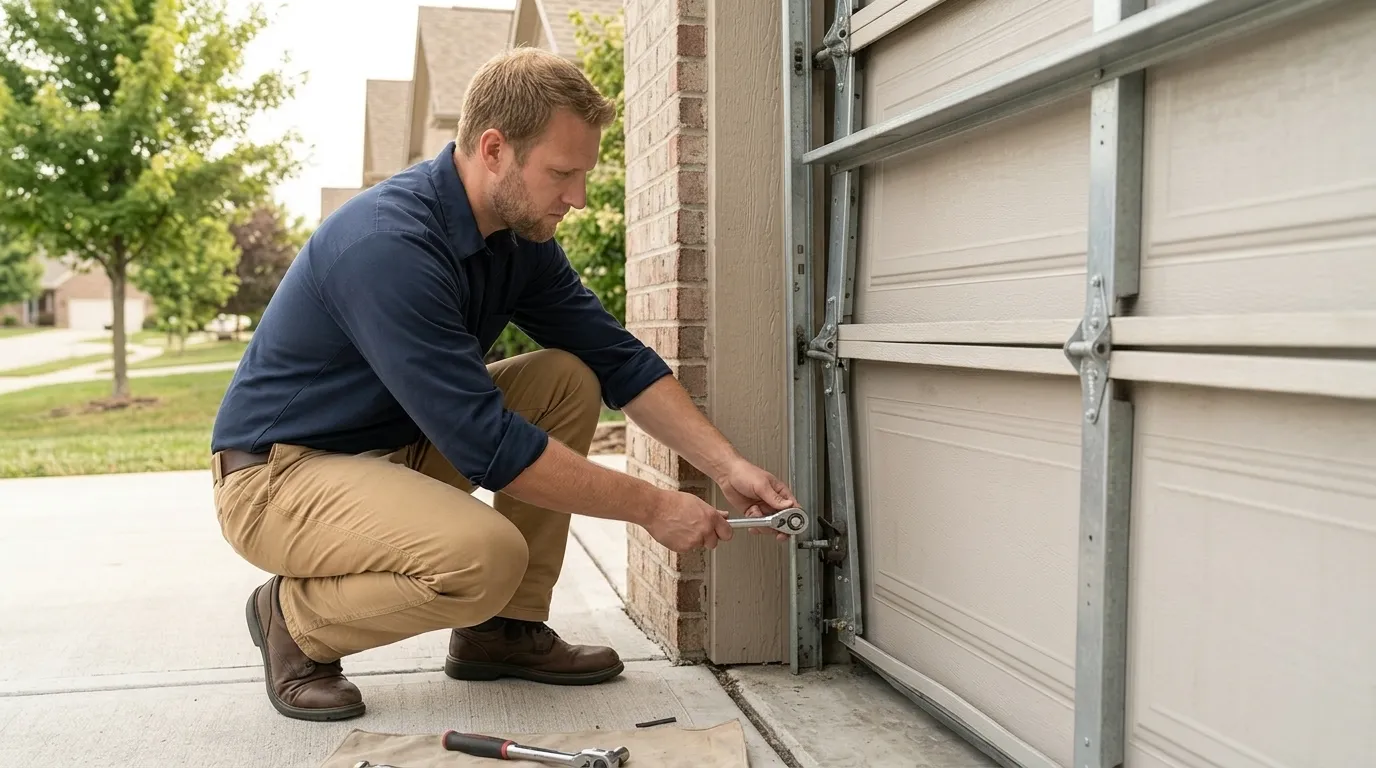
Commercial doors are bigger and heavier than a residential double, and the springs holding them up carry more stored energy - enough to break a hand or worse if you unwind one wrong. We won't walk you through releasing a wound torsion or extension spring over the phone, and any guide that tells you it's a weekend job with a socket wrench is leaving out how those things fail. Where you can help yourself: keeping the track clear of debris, listening for a new grinding or thumping sound and calling before it gets worse, and not forcing a door that's stuck partway - that's usually a broken cable or a jammed roller, and running the opener against it bends the track. If your bay door is stuck open or closed and it's blocking deliveries or a loading dock, prop it safely, lock out the opener, and wait for a truck. This isn't a sales line - commercial spring tension genuinely isn't a DIY repair, and a decent chunk of the service calls we run in Longmeadow start with someone who tried anyway.
Parts We Carry
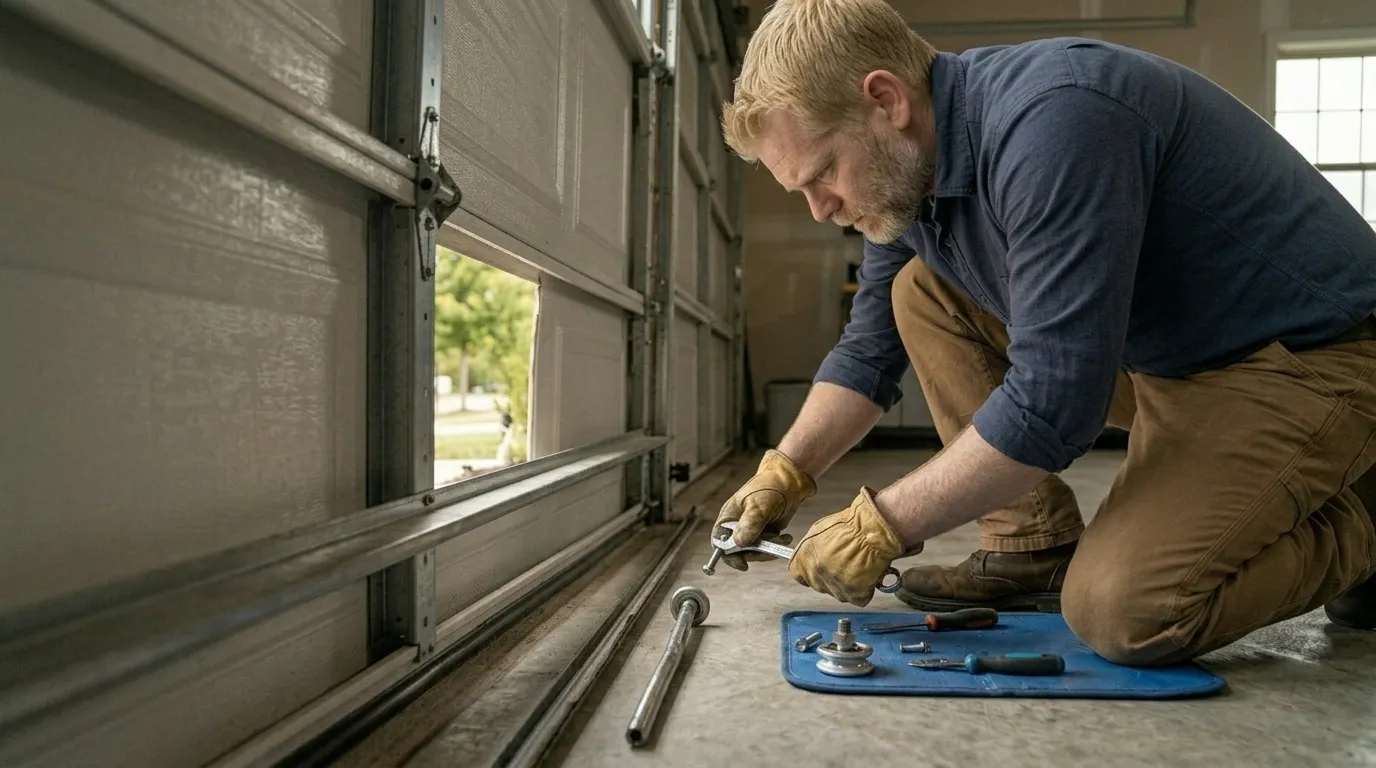
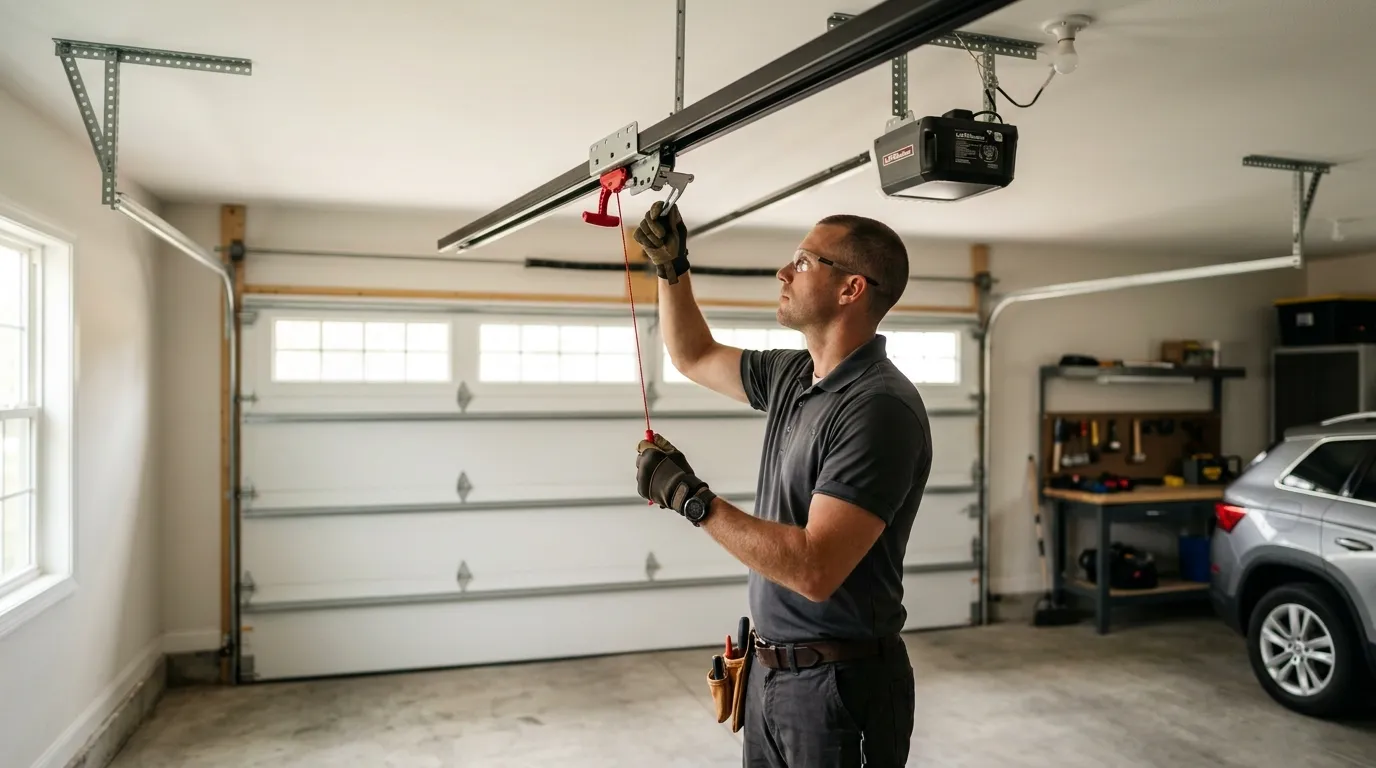
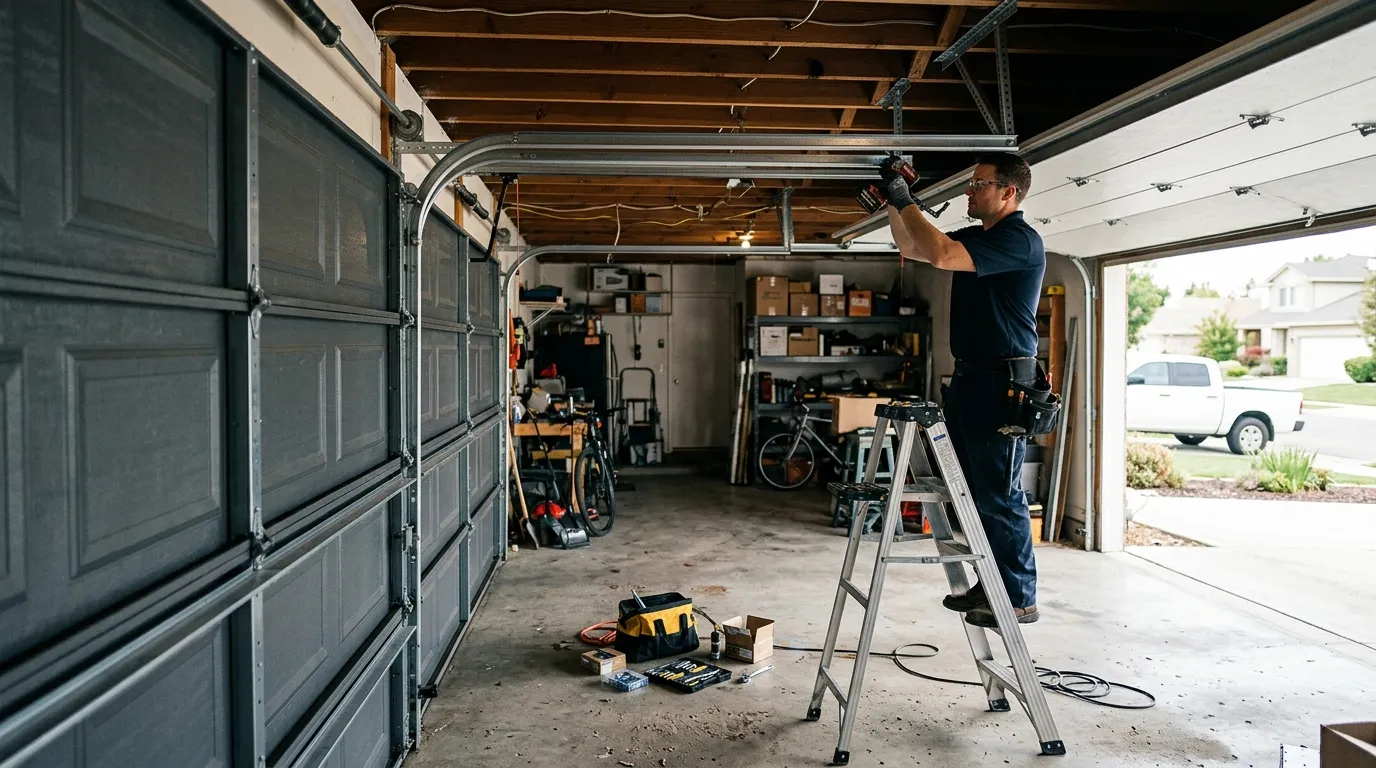
For a building this age we carry the parts that keep original hardware running rather than force a full teardown: extension and torsion springs sized to older door weights, replacement cables and drums, rollers in steel and nylon, and track sections in standard and low-headroom profiles for bays where the original clearance was tight. We also stock commercial-grade hinges and end bearing plates, since the ones on a 1950s-era door are often worn past the point of just greasing them. Openers are a mix - some buildings need a heavier-duty commercial operator to replace an undersized unit, others just need a new logic board or belt if the drive system is sound. What we don't stock on the truck: custom panel sections matched to a discontinued original design. If a section is dented or rotted through on an old commercial door, we can usually source a compatible replacement, but it may not be an exact match to the surrounding panels, and that's worth knowing before you commit to a repair instead of a full replacement.
Why This Fails Locally
Massachusetts winters put real stress on a door this age. Cold snaps make steel contract, which tightens tolerances on a track that was never perfectly aligned to begin with, and a spring under full tension in sub-freezing temperatures is more likely to snap than one that's been cycling in mild weather. That combination - severe cold plus decades-old hardware - is what pushes a slow-failing roller or a fraying cable into a full stop on the coldest morning of the year. Longmeadow's median household income, at $144,639, is well above the roughly $93,808 median across the rest of the service area we cover from Springfield, and it shows in how owners here handle these calls: more of them choose to replace an aging door and opener outright rather than keep patching the same original hardware through another winter. That's not a knock on the houses - it's just a different math than we see closer to the city, where a repair that buys another two or three years usually wins out.
Time on the Job
We run out of Springfield, five miles from Longmeadow, which is close enough that a same-day commercial call doesn't mean burning half the morning on the road. A straightforward spring or cable repair on a single commercial bay usually runs under two hours once we're on site. A full door and opener replacement on an original 1950s-era bay takes longer, mostly because of what we find once the old panels come down - track that needs re-hanging, header framing that's shifted over sixty-plus years, wiring that predates the current opener. We schedule around business hours when we can, since a blocked loading bay or a jammed retail overhead door costs the owner money every hour it's down, but we don't promise a response time here we haven't been asked to keep. If a job needs a part we don't carry on the truck - a discontinued panel profile, for instance - that adds a delivery wait we'll tell you about before we start, not after.