Checking It Yourself
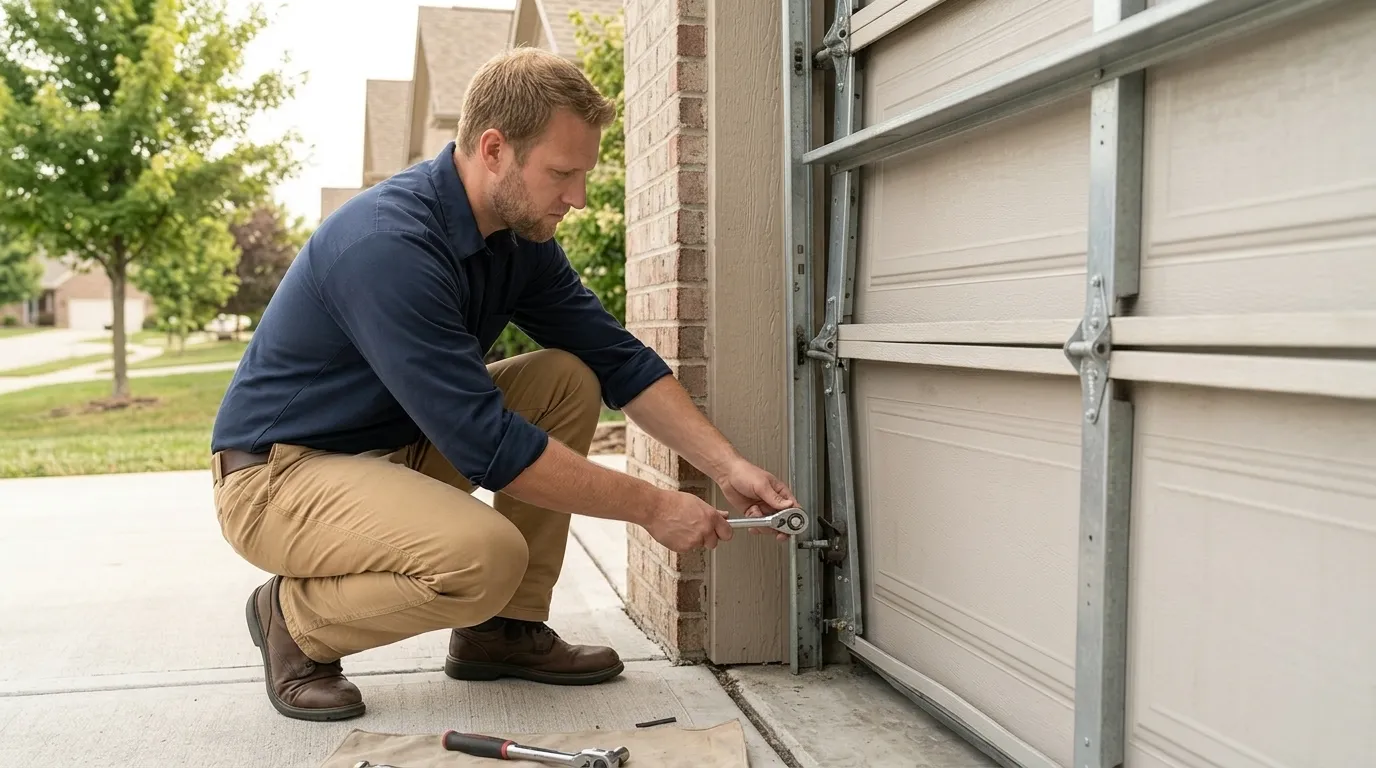
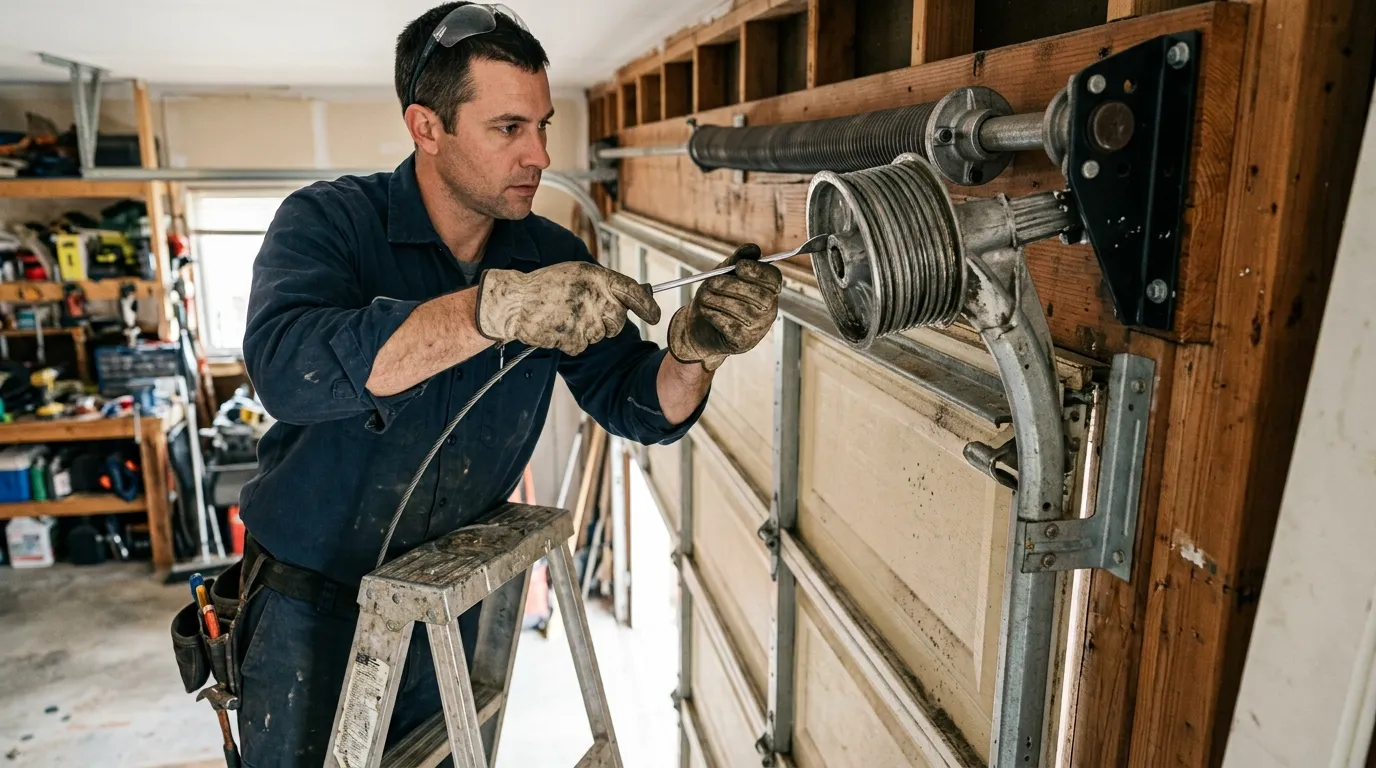
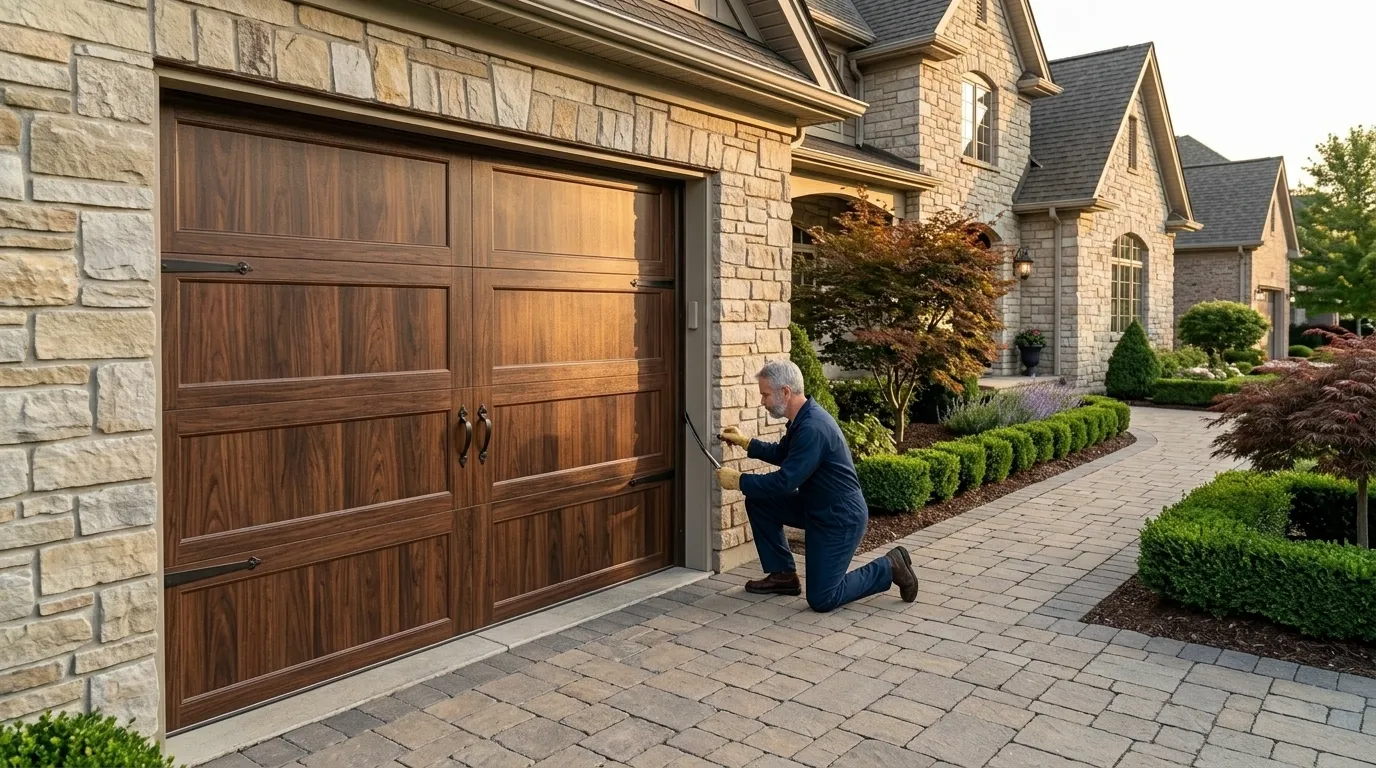
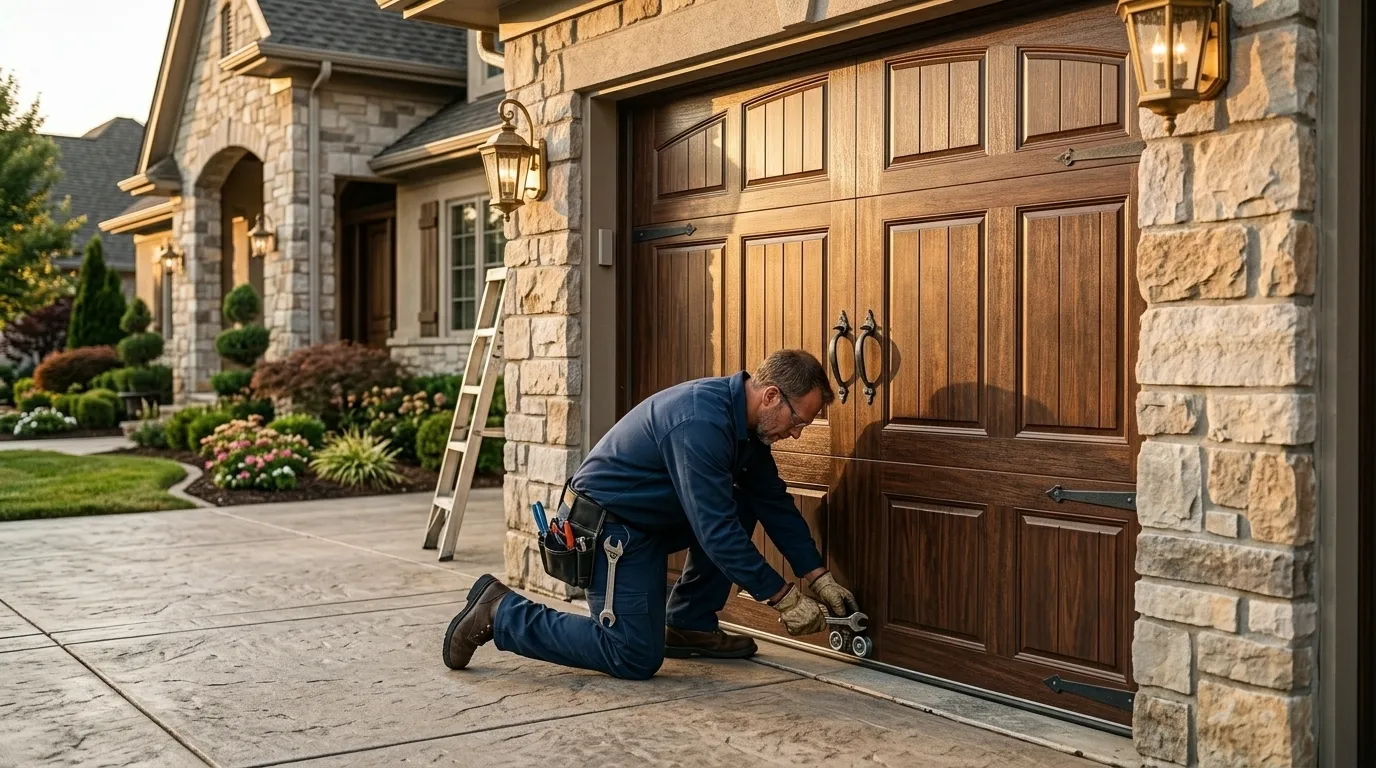
Before you call anyone, look at the spring itself - it sits on a shaft above the door, usually one or two of them depending on the door width. If you see a gap in the coil, you have your answer, and the door is not safe to run on the opener until it's replaced. Do not disconnect the opener and try to lift the door by hand to "test" it; with a broken torsion spring the door can weigh what it actually weighs, which is more than most people expect, and it can drop fast. Check the cables next to the bottom brackets too - a frayed or slack cable on one side often shows up at the same time as a spring failure, especially on doors that have been cycling through New England winters for a few decades. If the door is quiet, moves evenly, and the springs look intact, the failure is somewhere else - a sensor, a limit switch, an opener - and that's a different repair.
The Common Mistake
The mistake we see most in this area is someone hearing the bang, checking the spring, seeing it's broken, and then ordering a spring off a general parts site without checking the door's actual specs. Torsion springs are matched to the door's weight, height, and drum size, and on a house from the 1960s or 70s that's had one replacement door installed since, the spring on the shaft may not match what the original builder-grade door called for. Put the wrong wire size or wind count on there and the door either won't balance or the new spring wears out again in a year or two, sometimes less in a hard winter. The second mistake is winding a torsion spring yourself. It's under enough stored force to break a wrist or worse, and that's true whether the house is in Springfield or anywhere else - we're not going to walk anyone through that part.