
Can You Do This Yourself
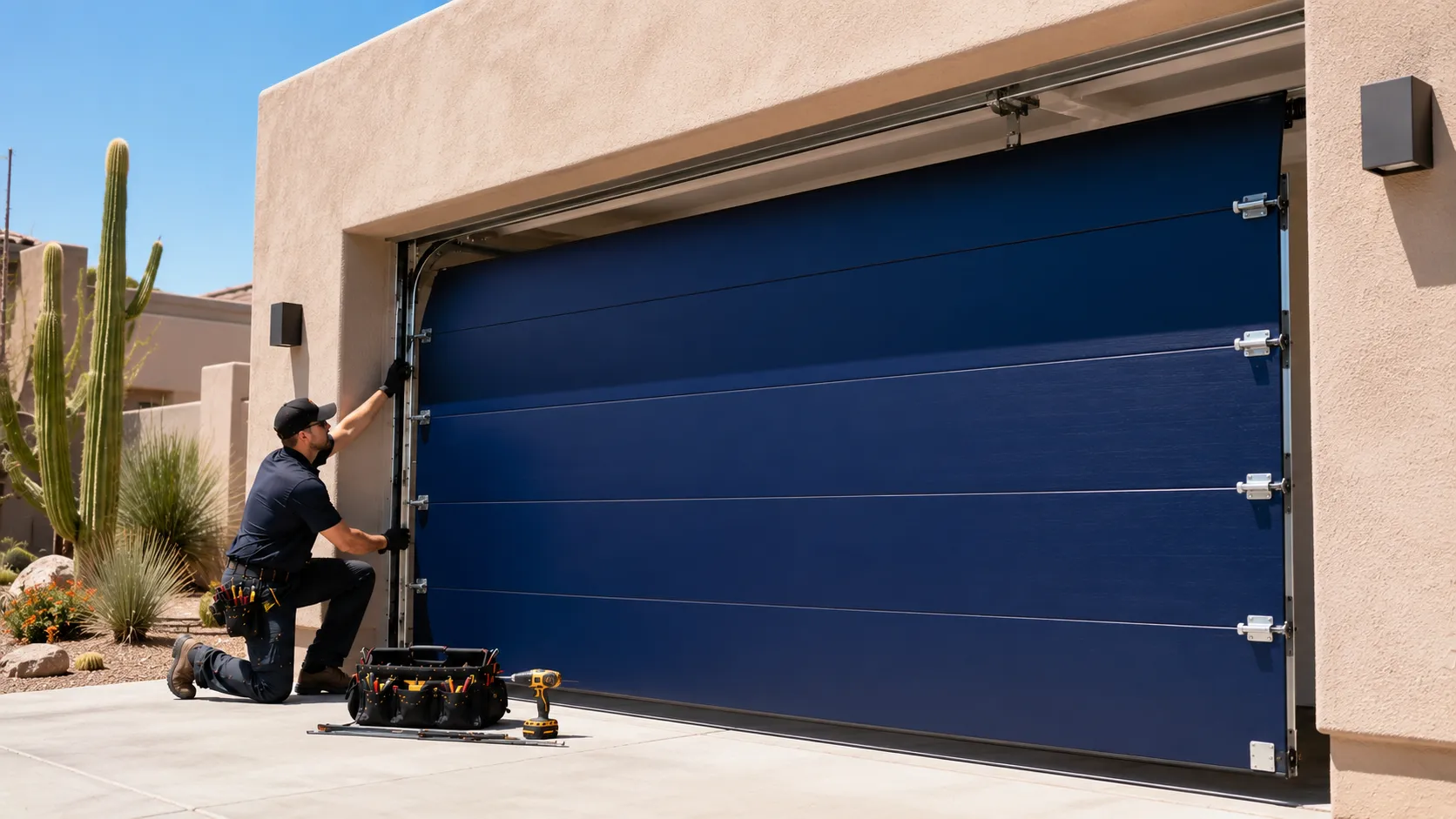
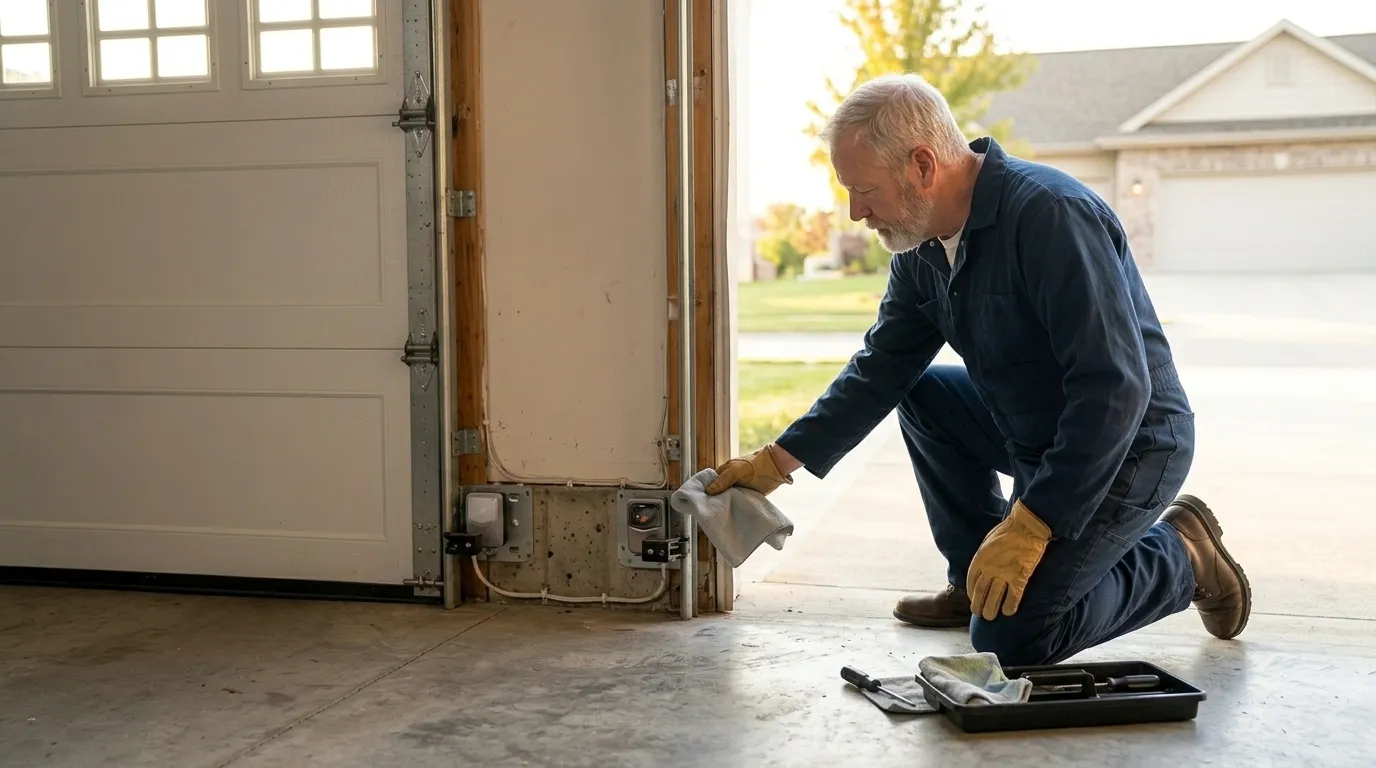
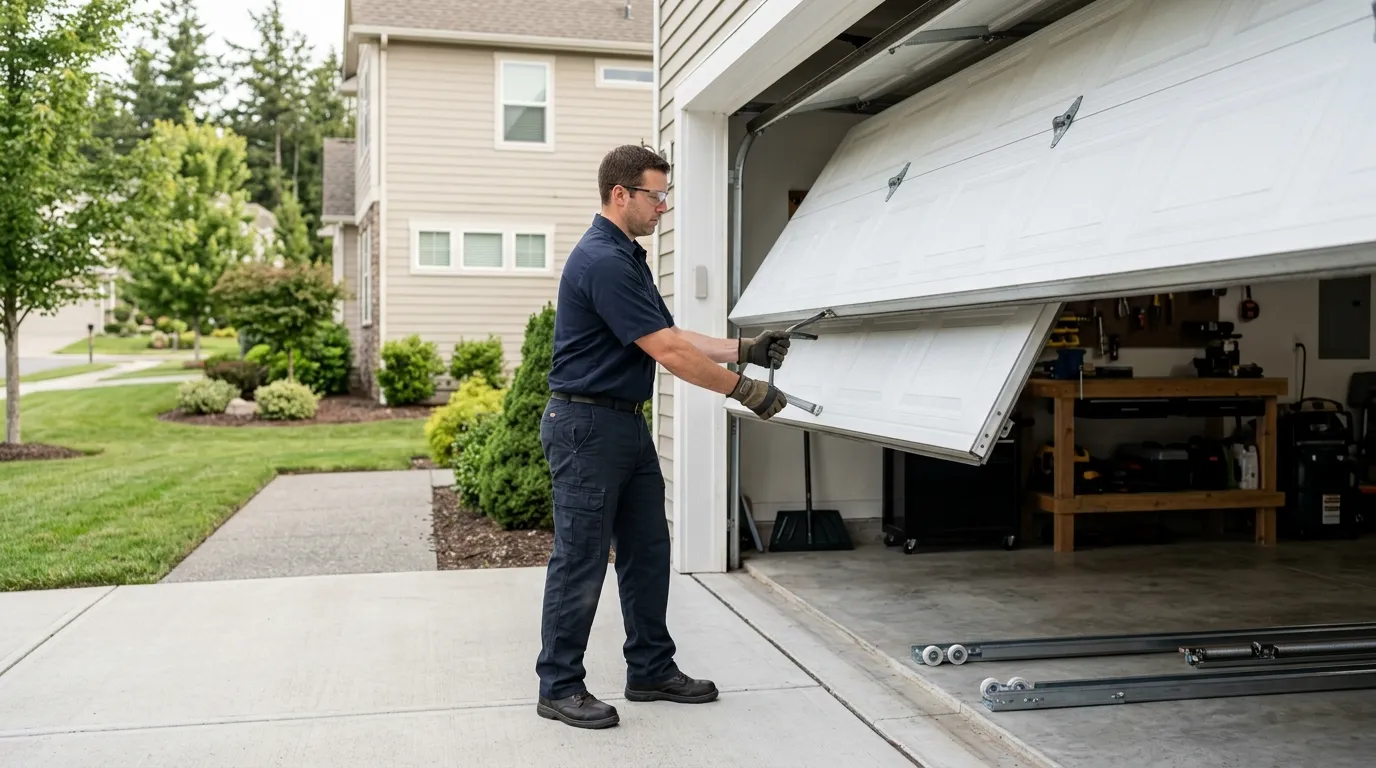
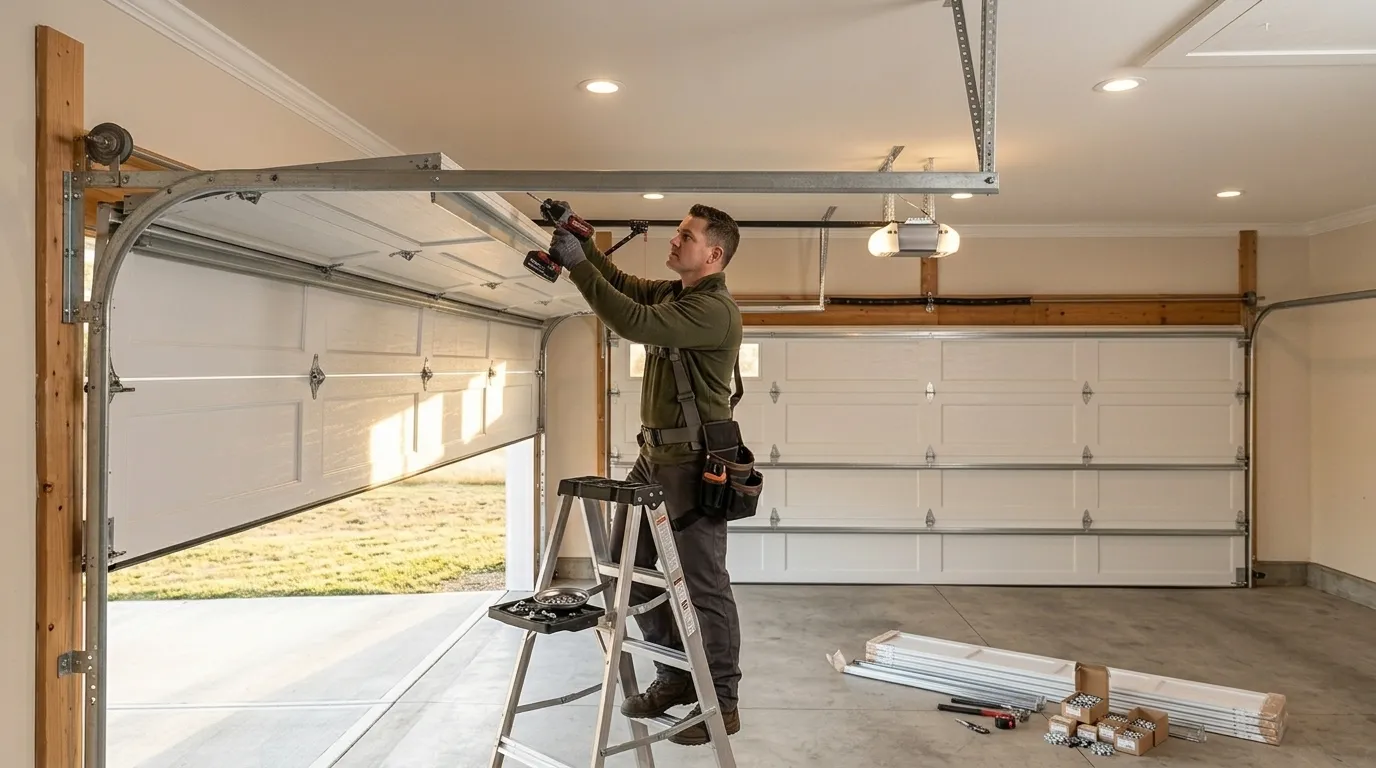
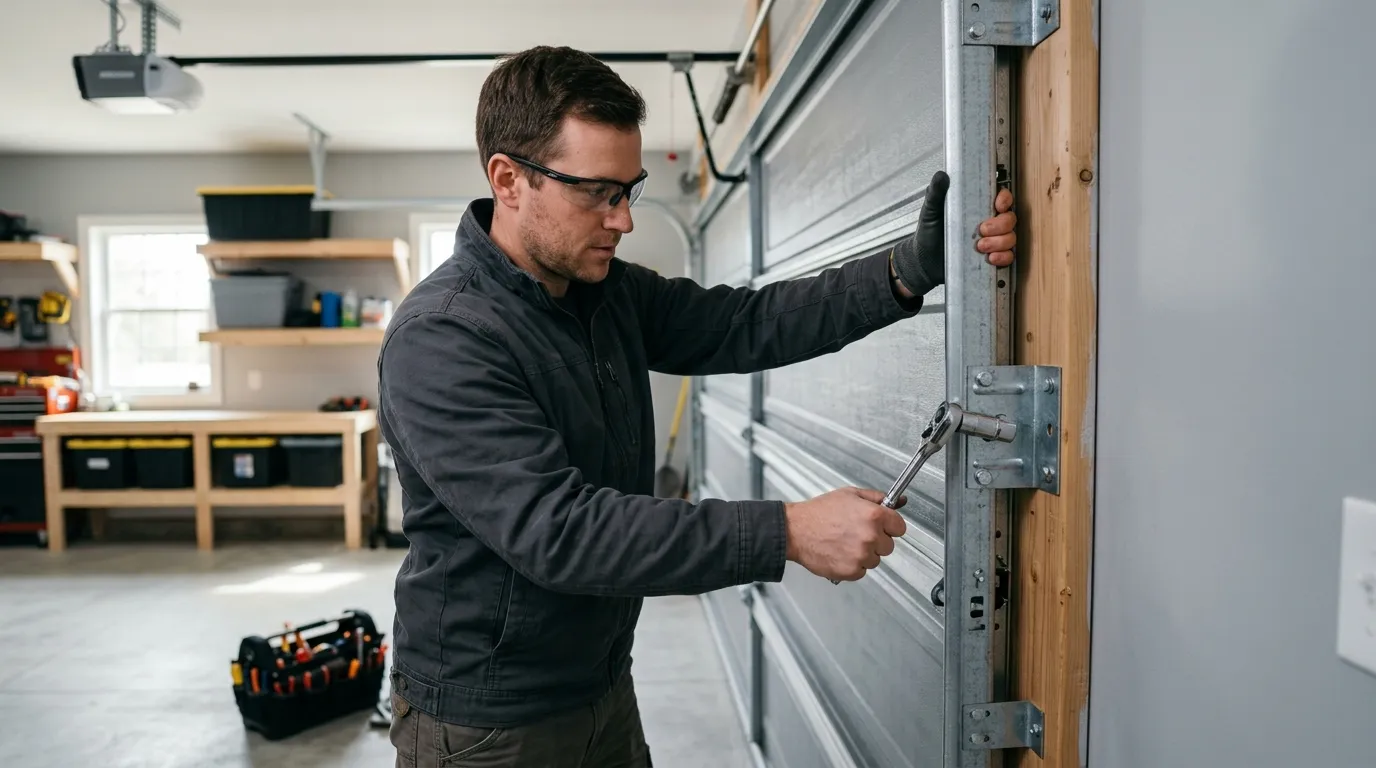
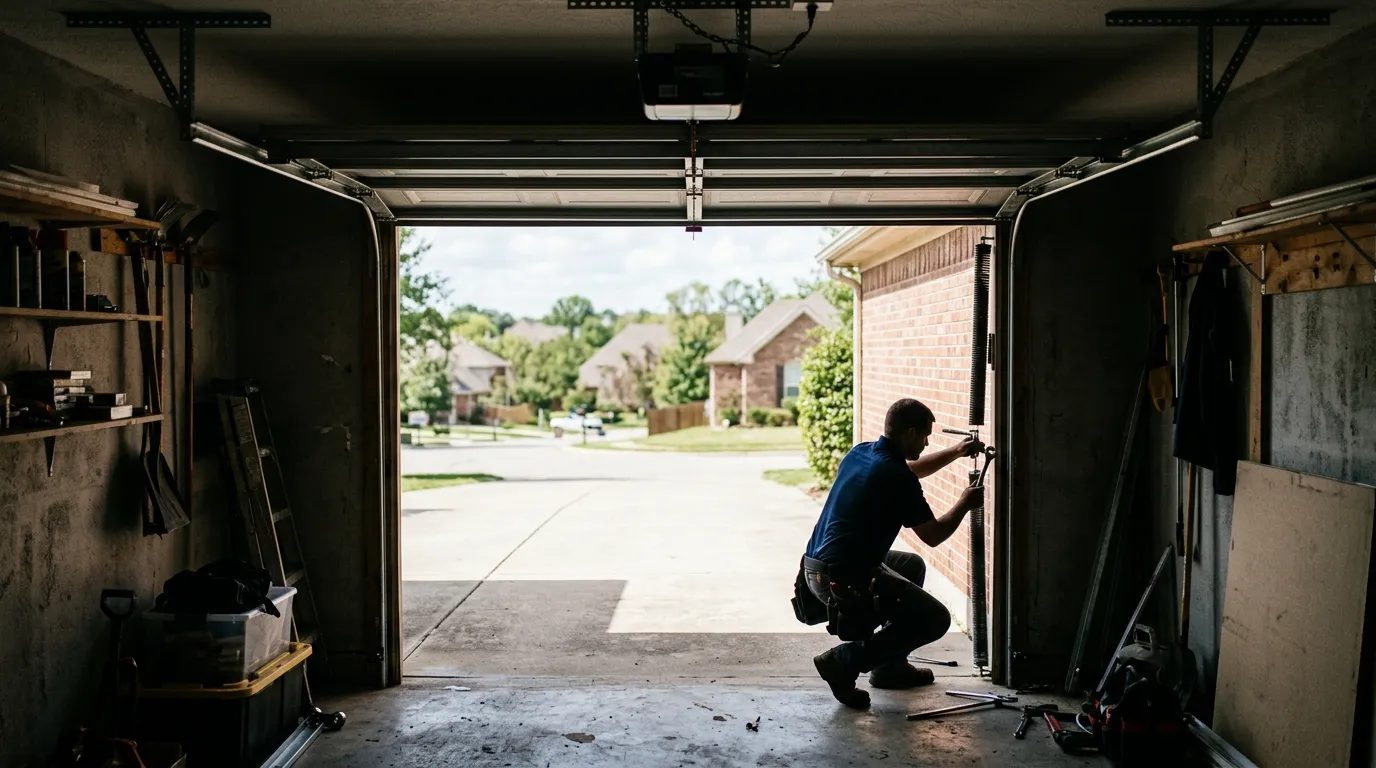
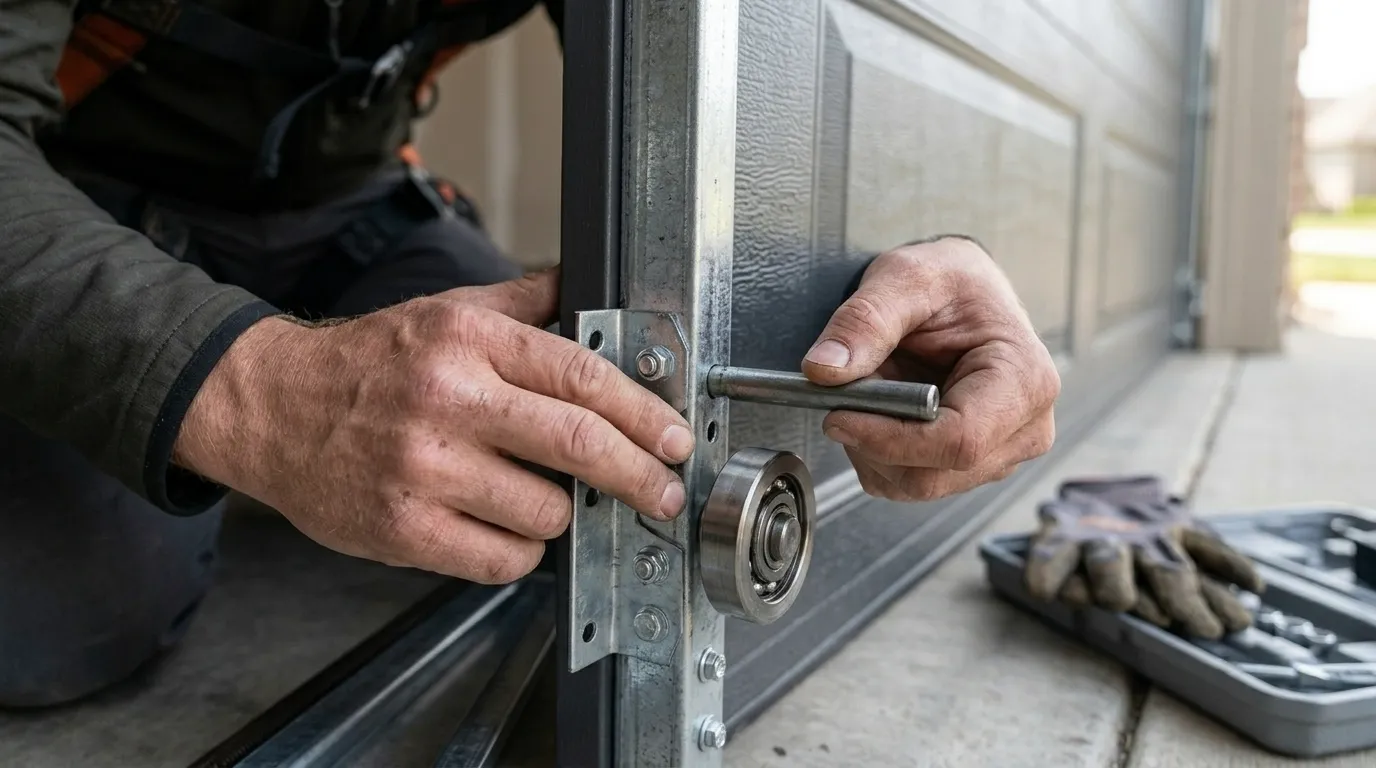
A torsion spring under tension can put someone in the hospital, full stop - that's true everywhere, not just here, and it's the one thing we won't talk anyone through over the phone. What is worth doing yourself: checking the track for visible dents, listening for where the noise happens in the cycle, and looking at whether the rollers are cracked. On a 1957-era door, though, a lot of the hardware isn't something you can just order off a shelf at a hardware store - sizes and mounting styles from that build era don't always match what's sold today. If you're not sure what you're looking at, that's the point to call rather than the point to start disassembling.
Parts We Carry
We stock torsion springs, extension springs, cables, rollers, and hinges across the size ranges common to houses built from the late 1930s through the 1980s, which covers the bulk of what's on the road in Longmeadow. Openers are a mixed bag - some houses have had two or three swapped in over the decades, so we carry current chain and belt-drive units rather than trying to match whatever's already mounted. One honest limit: if a door needs a replacement panel for a discontinued model, that part sometimes has to be special-ordered, and we'll tell you the lead time before you commit to waiting on it rather than after.
Why This Fails Locally
With 5,711 households in Longmeadow, this isn't a huge town, but the housing here clusters tightly around that 1957 median build year, which means the failure patterns repeat house to house more than they would in a newer subdivision. A door installed when the house was built, or replaced once in the 1980s or 90s, is now old enough that its torsion spring has done more open-close cycles than the spring was rated for, and the steel fatigues the same way across the whole street. Add a New England winter - this area sits in a cold, severe climate band - and the cold makes lubricant stiffen and metal contract, which is exactly when a fatigued spring lets go. It's not one bad batch of hardware; it's a whole town's worth of doors hitting the same age at roughly the same time.
Time on the Job
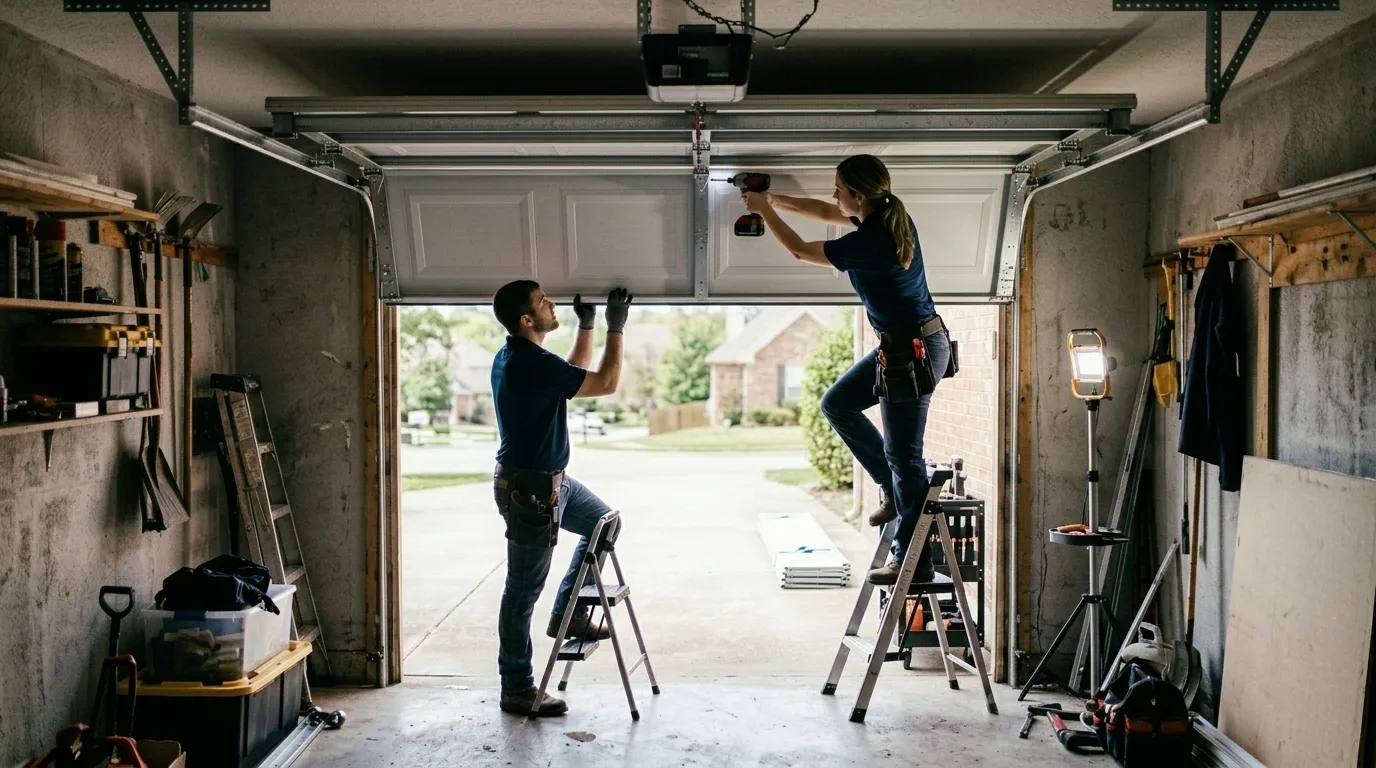
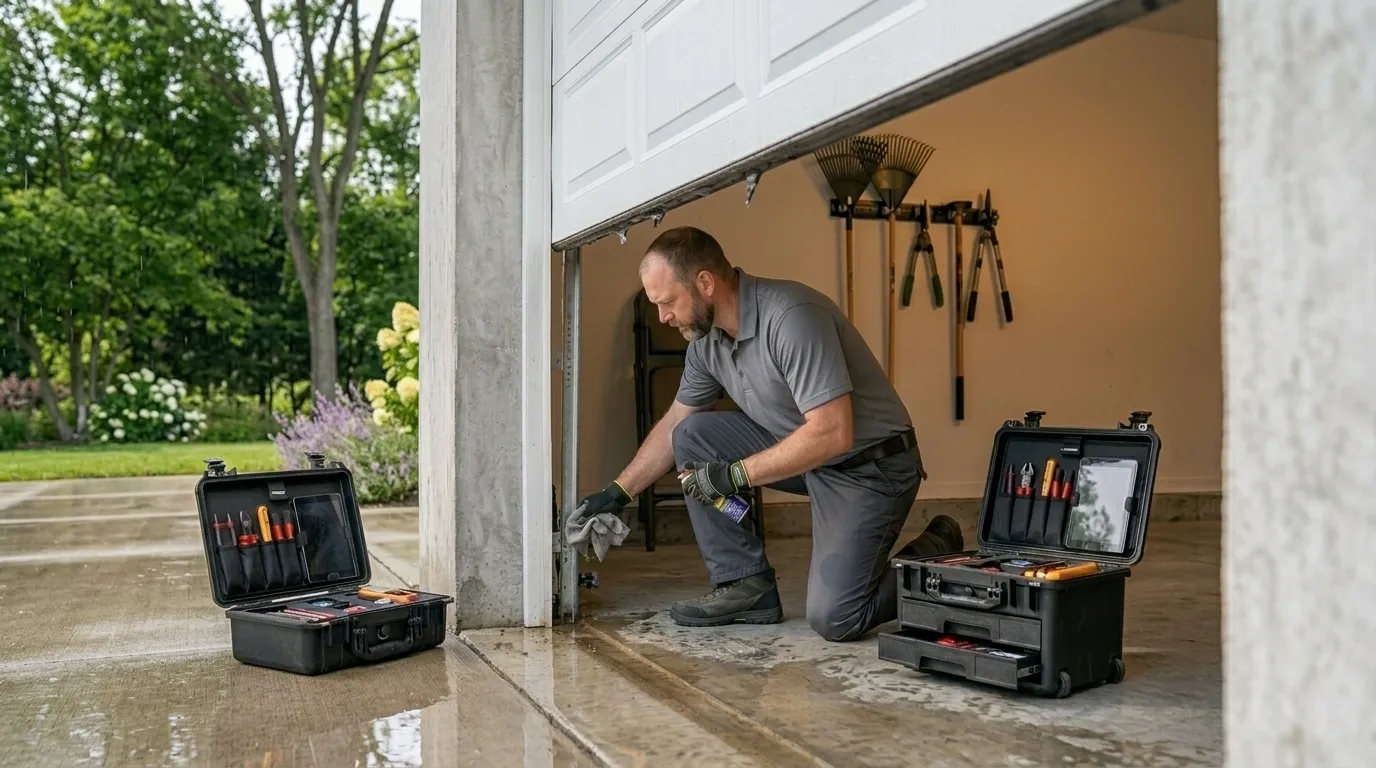
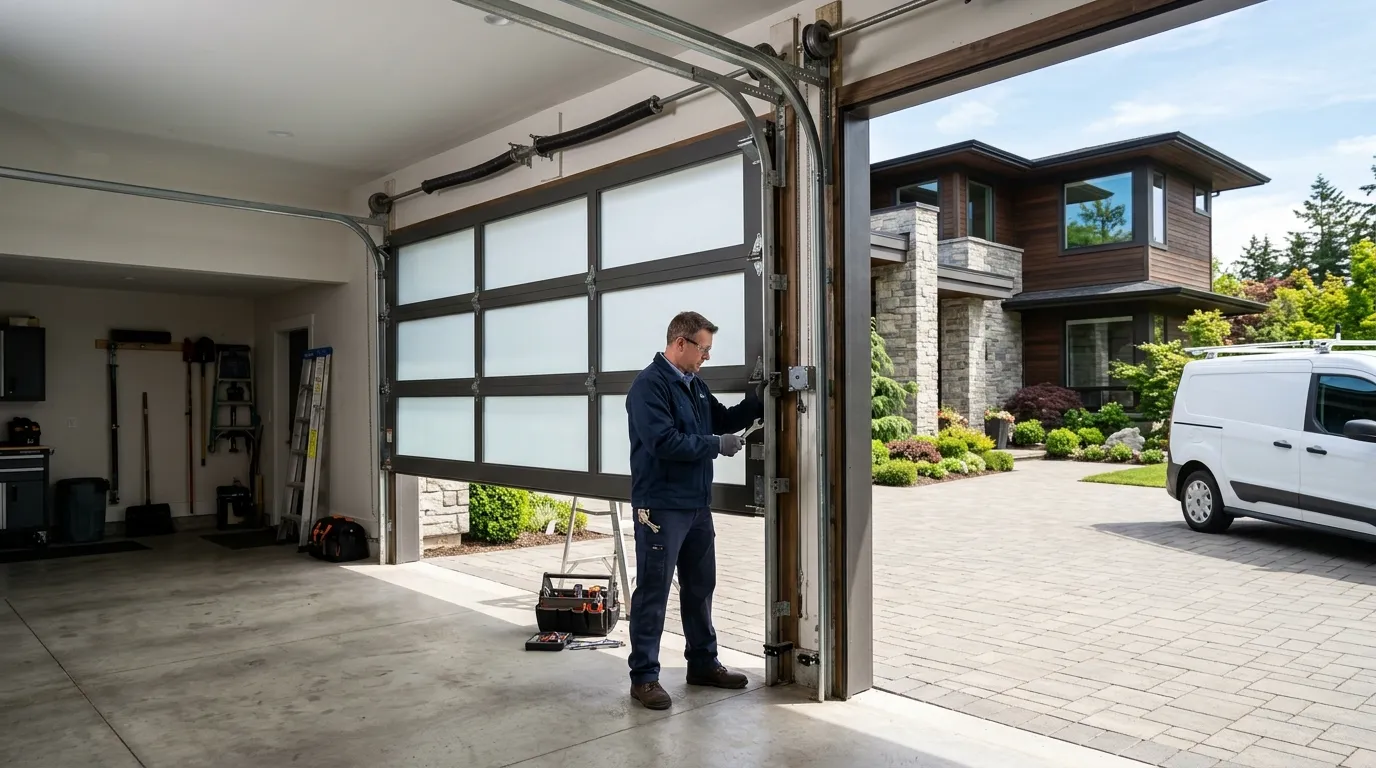
We come from Springfield, five miles out, so travel time to Longmeadow isn't the variable - the job itself is. A straightforward spring swap or roller replacement is a same-visit fix once we're on site. A job that turns up hidden damage, like a bent track from a door that's been dragging for months, takes longer because we're diagnosing as we go rather than following a script. We won't quote a firm time before we've seen the door; a 1957-era door with original hardware can hide problems that a newer door wouldn't have, and it's better to find that out before we start than halfway through.