Garage Door Panel Replacement for Springfield Homes
Cracked or dented garage door panels are common on Springfield's 1960s-70s housing stock. See how panel replacement works, what it costs to skip it, and how to book.
Call and describe what you're looking at - a dent from a backed-into car, a cracked panel from age, or a section that's rusted through at the bottom. If you can, tell us the door's approximate age and whether it's steel, wood, or aluminum; a lot of doors in this area still have their original panels from the 1960s and 70s, and knowing the vintage saves a trip. We'll ask about the brand if it's visible on the track or motor housing, since matching an out-of-production panel takes different sourcing than a current model. If the door is a common width, we may be able to quote over the phone. If it's an odd size, or the whole assembly is out of square, we'll need to see it in person before we order anything. We don't keep every panel style in stock on the truck - matching an older door sometimes means a short wait on the part rather than a same-day fix, and we'll tell you that up front instead of promising something we can't deliver.
What the Fix Involves
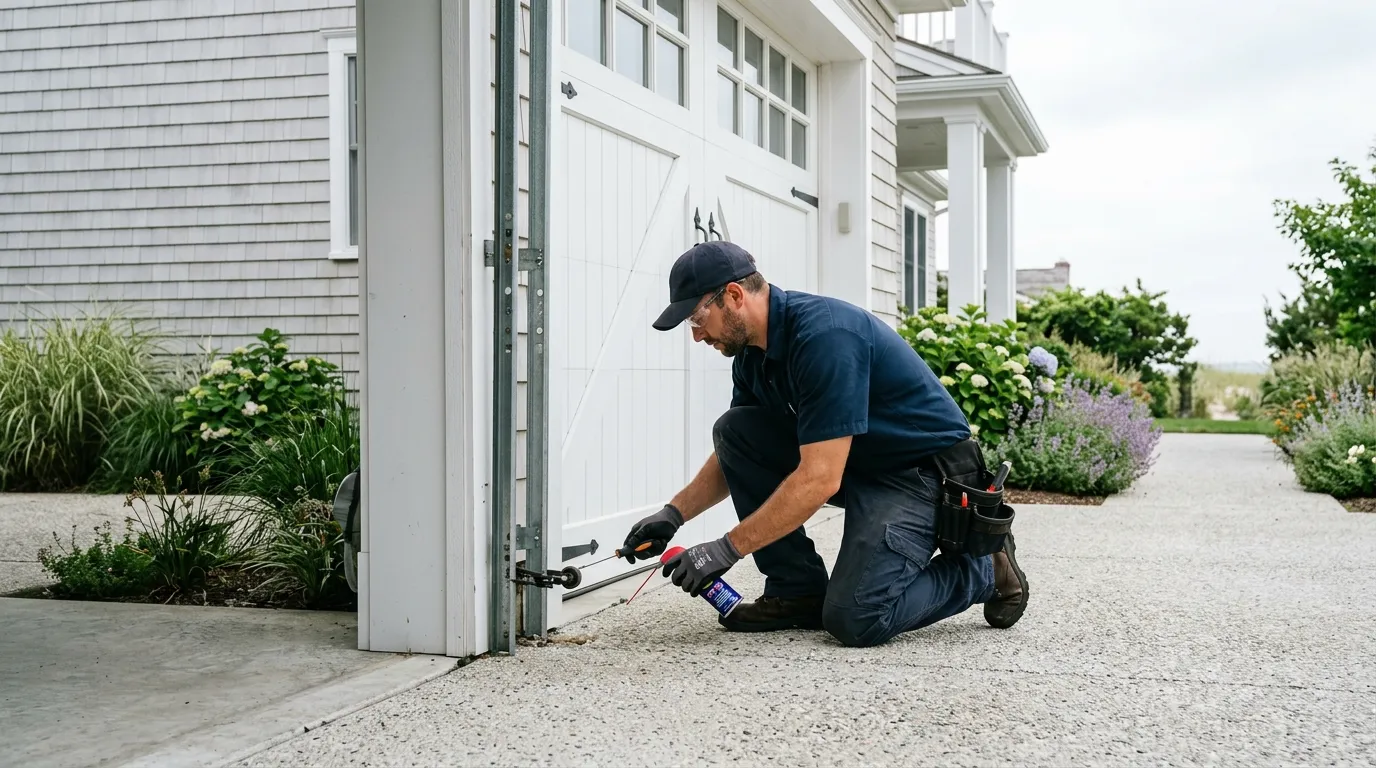
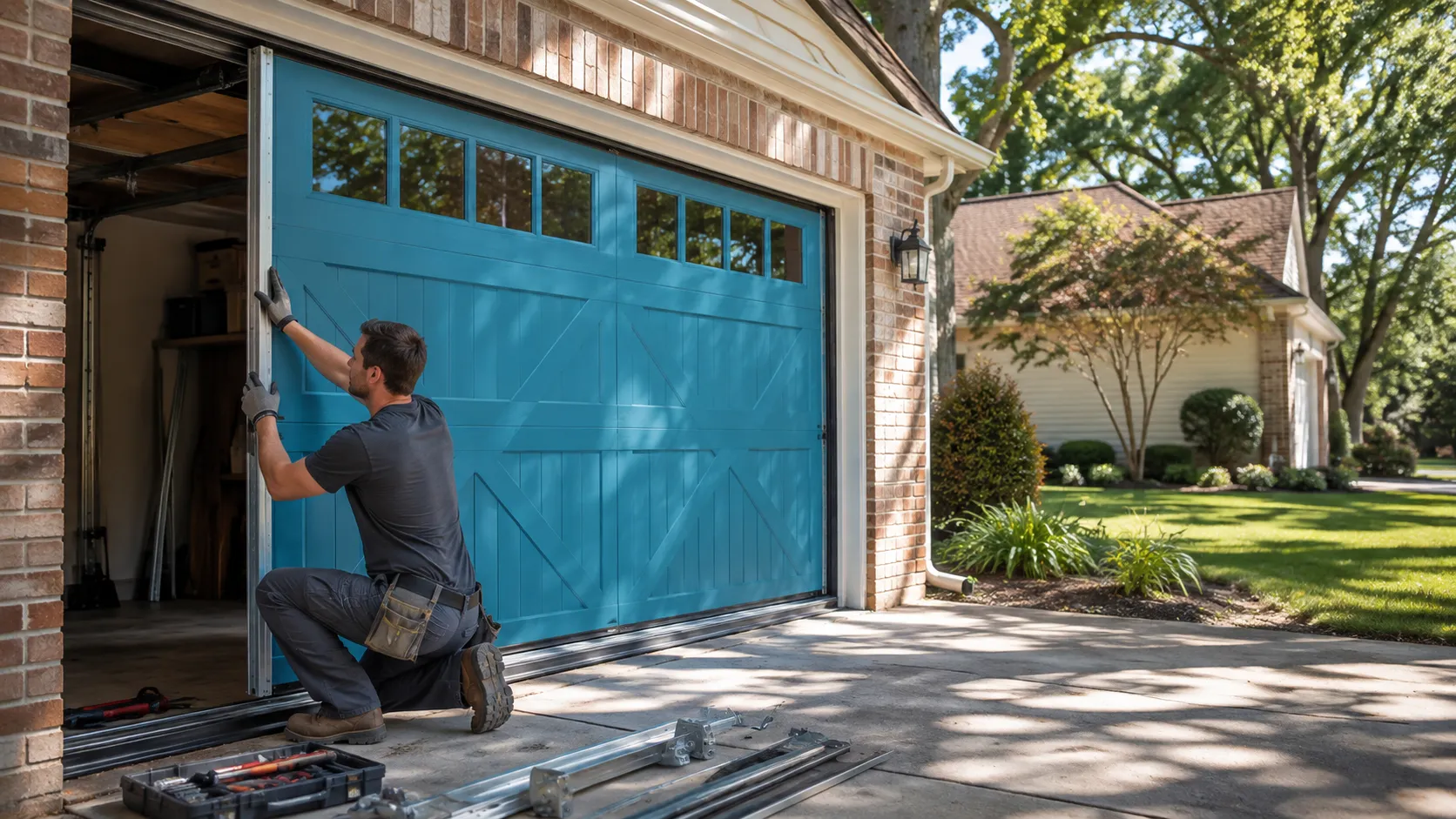
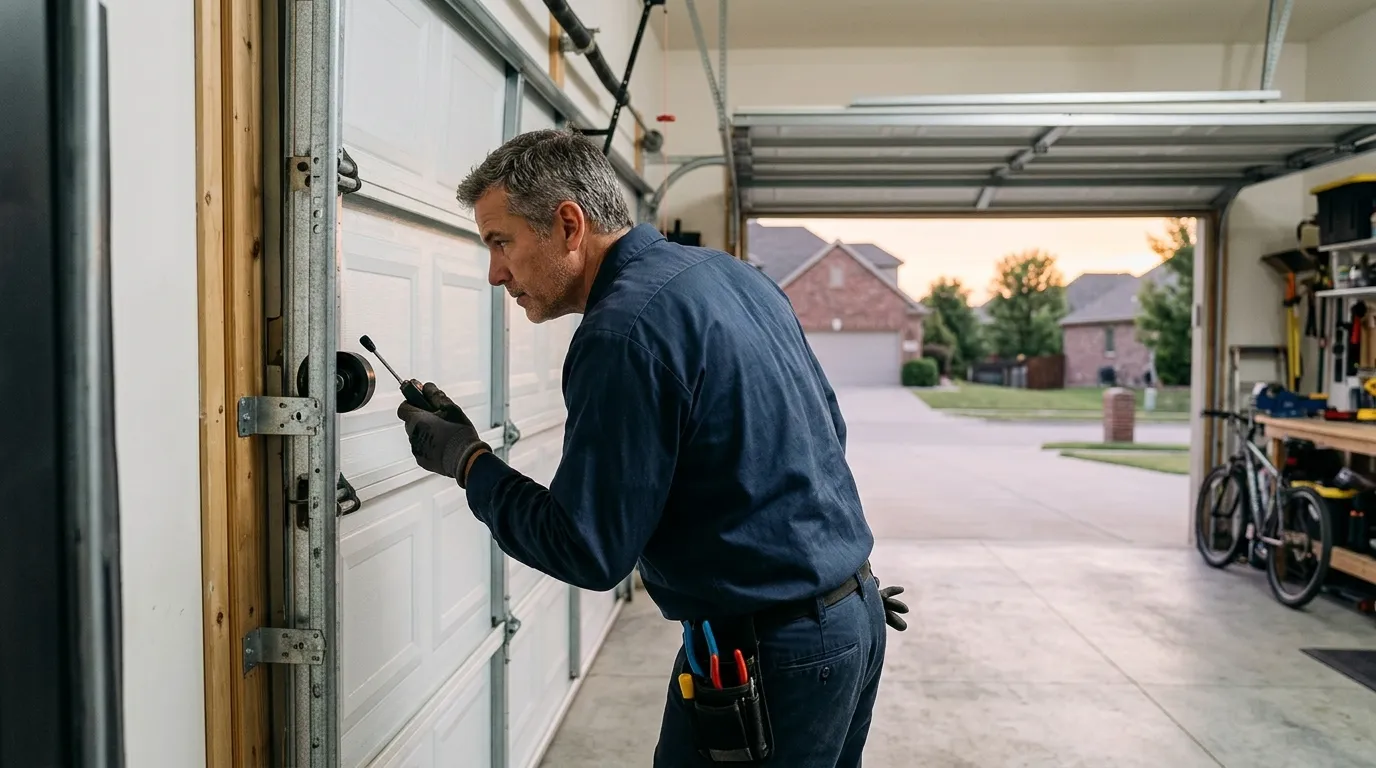
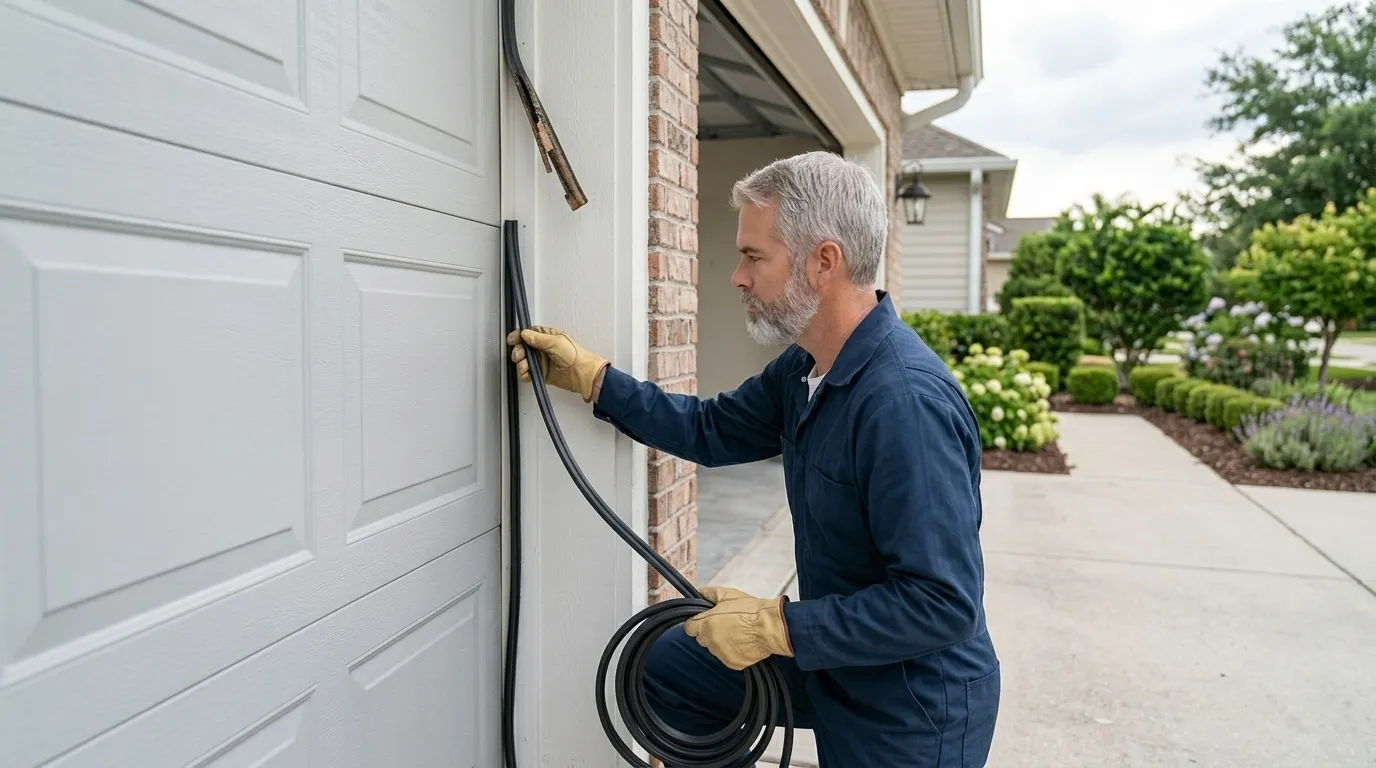
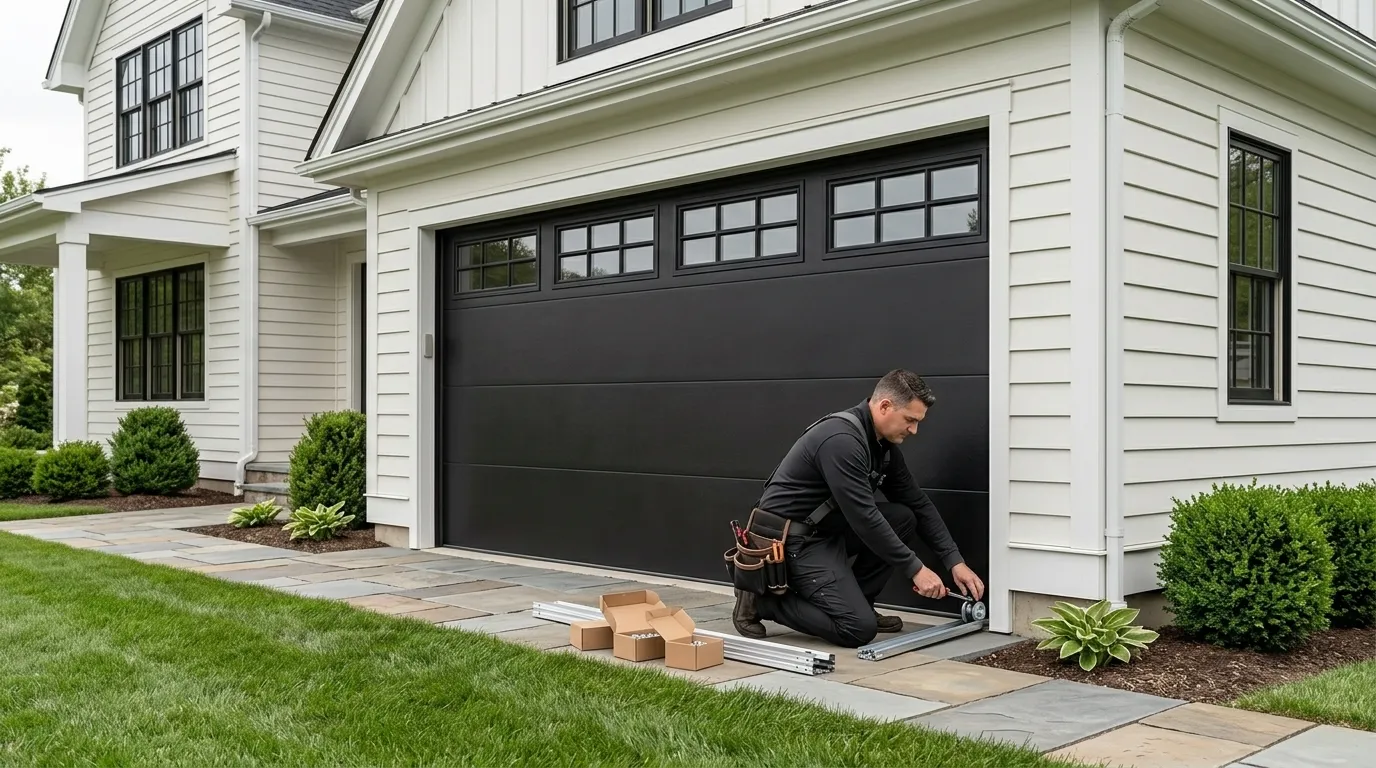
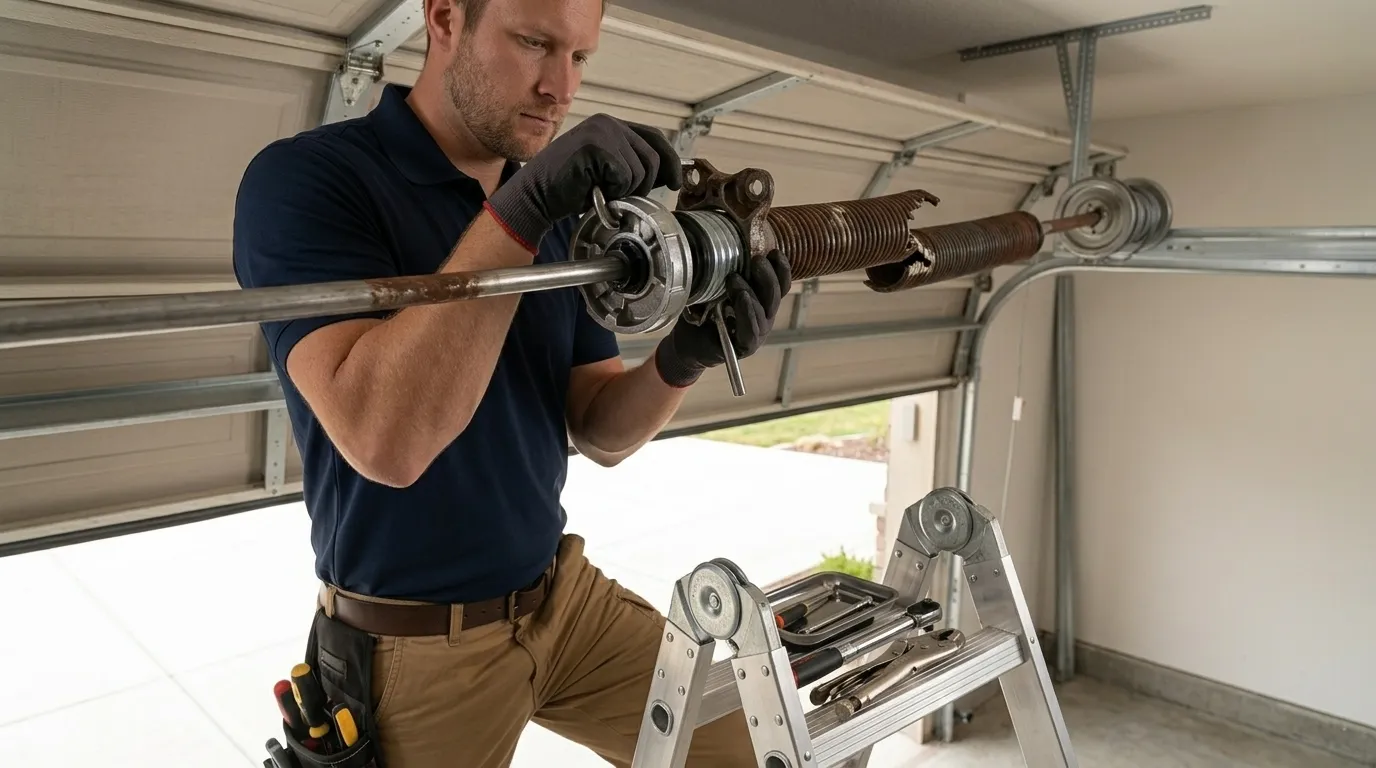
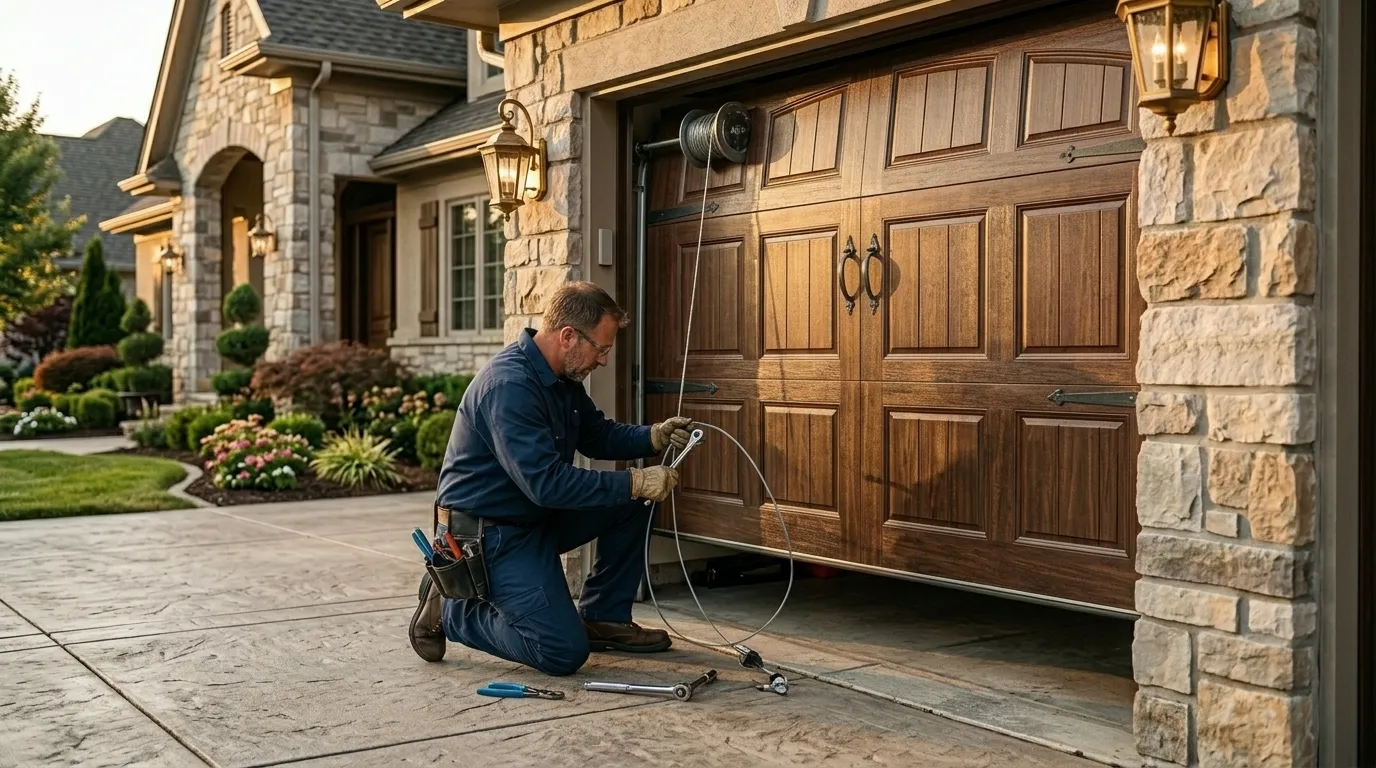
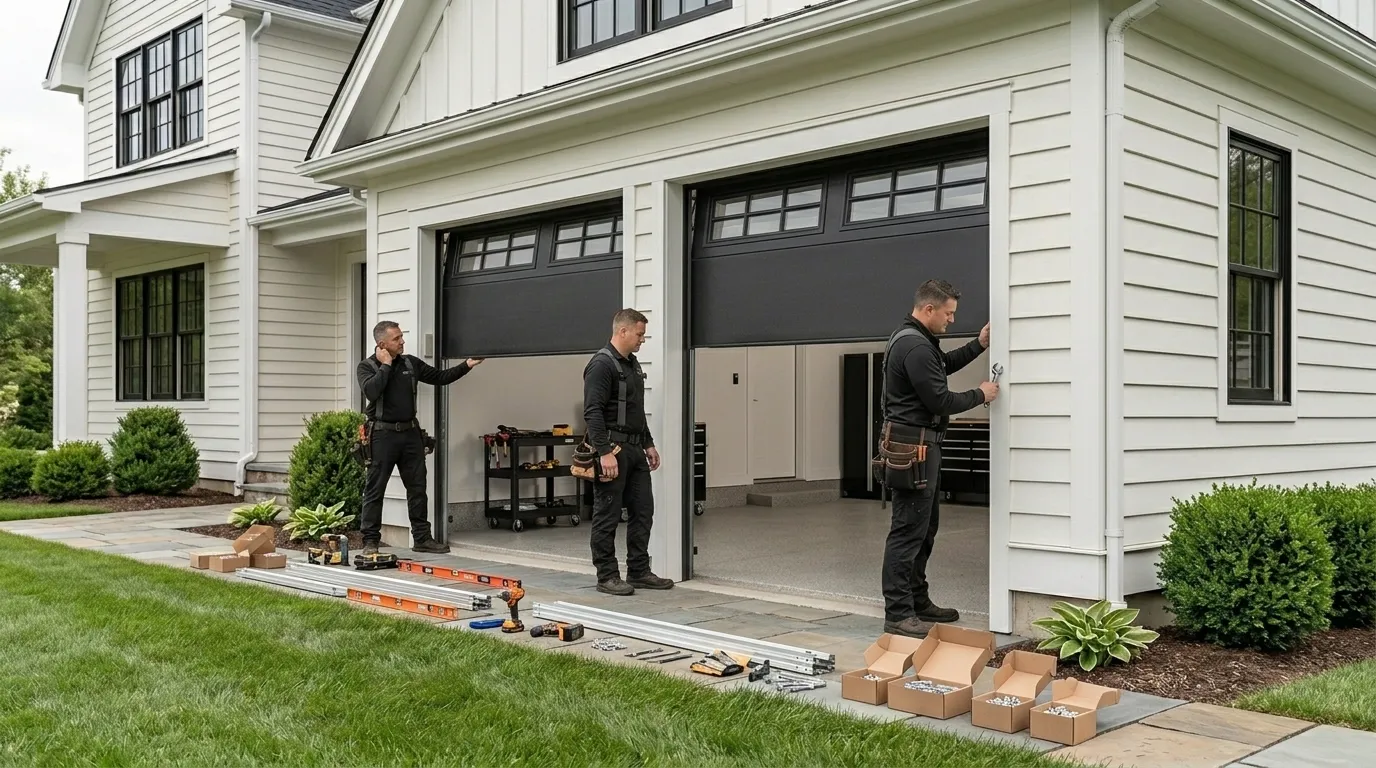
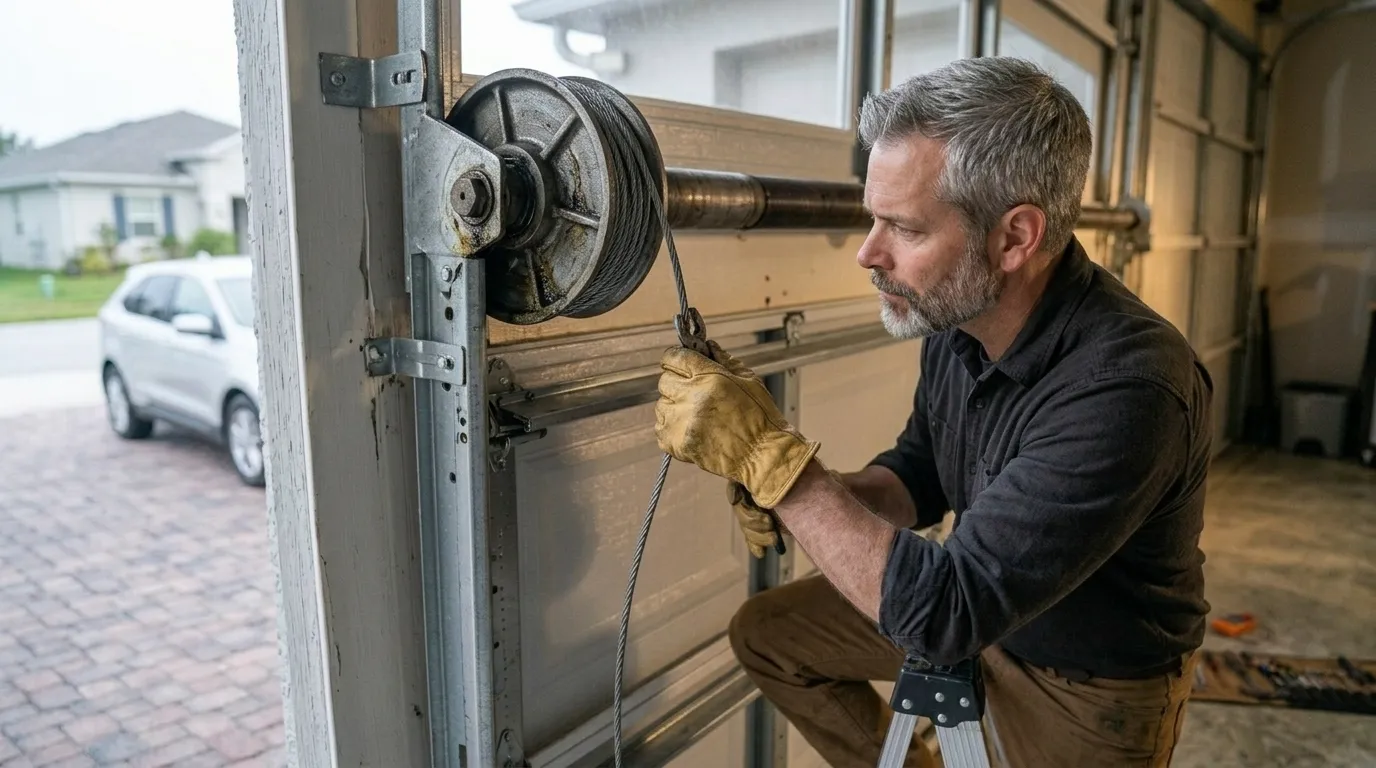
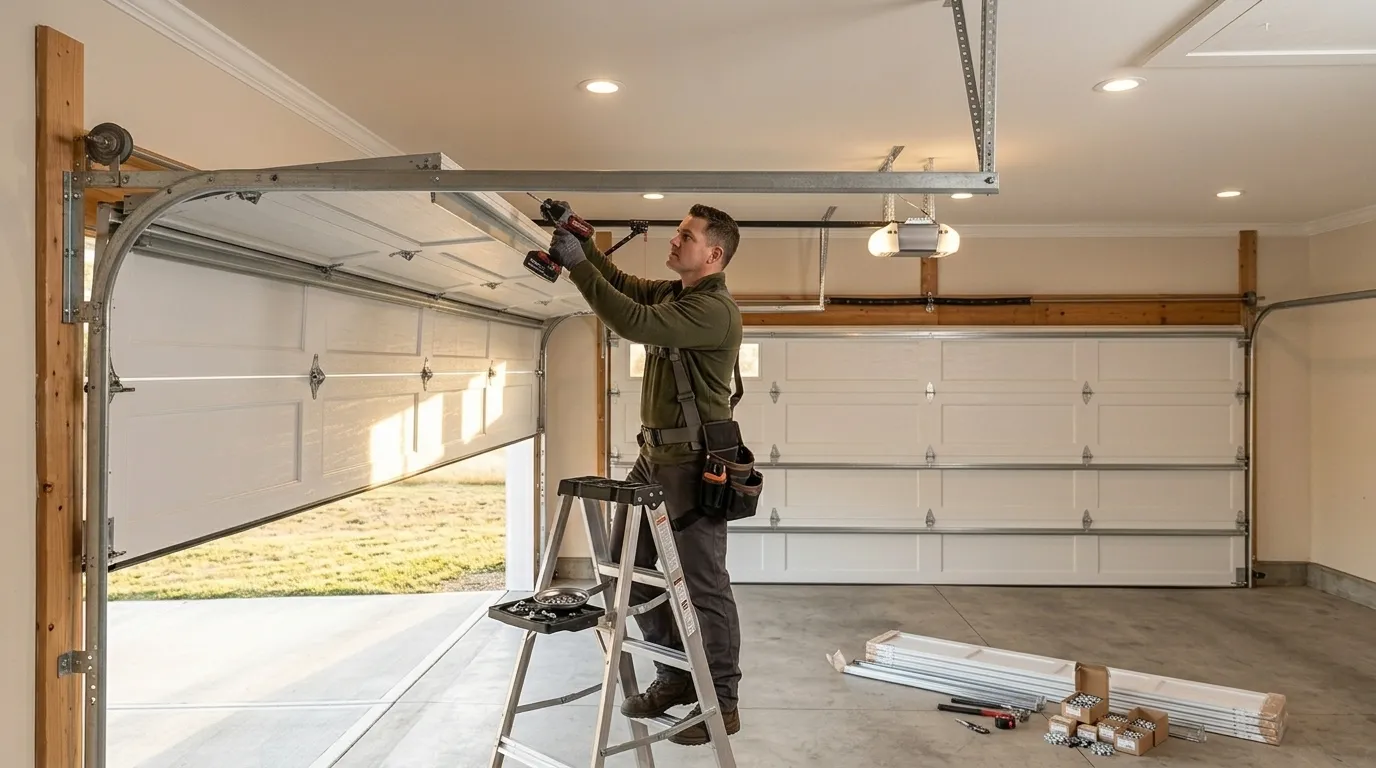
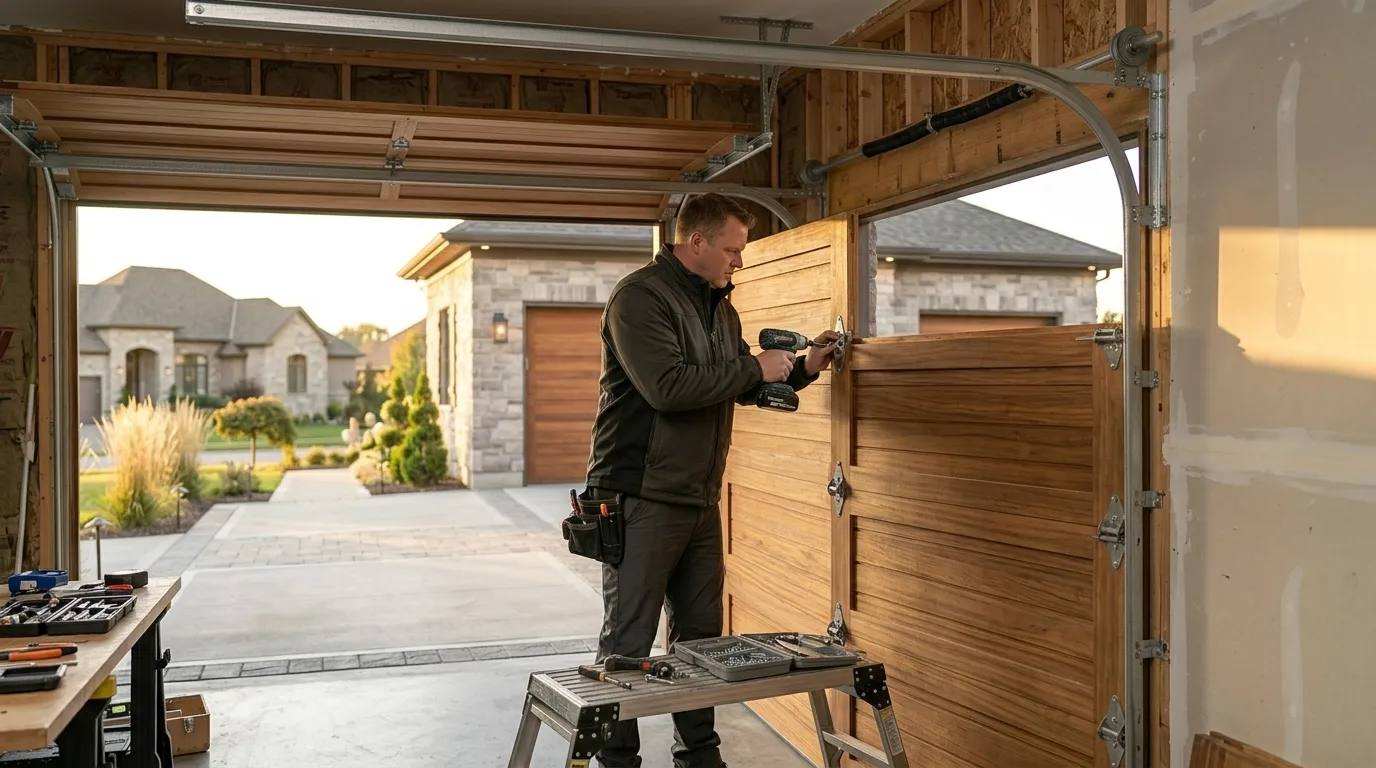
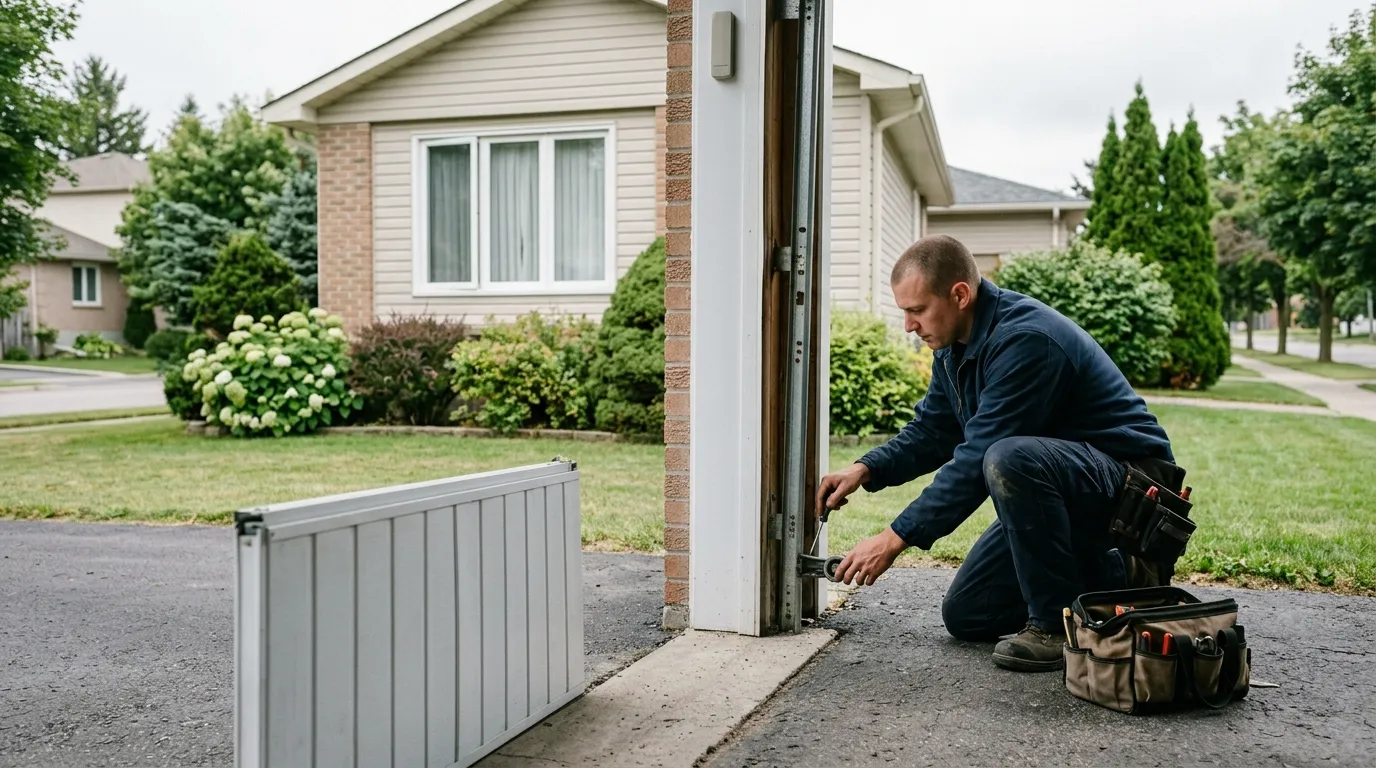
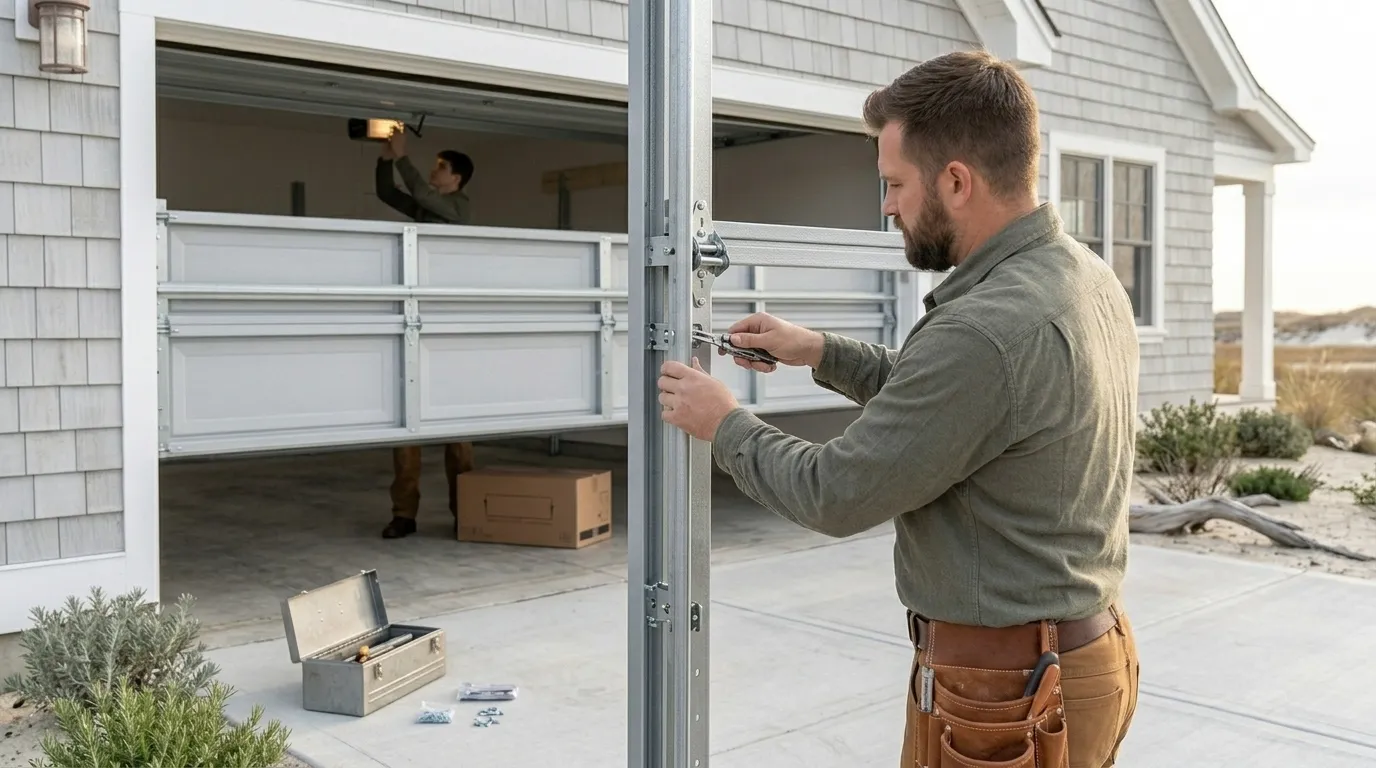
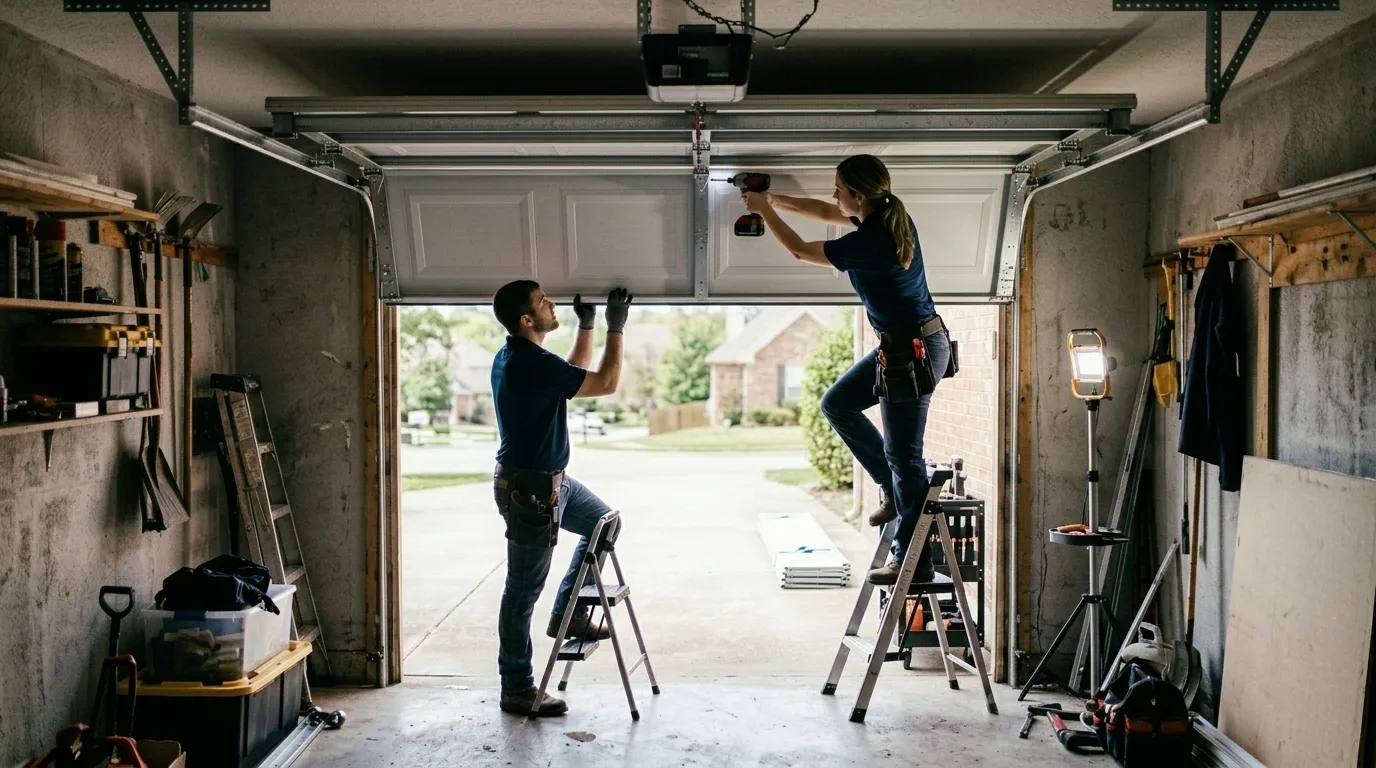
Garage doors are built in sections, so in most cases we don't replace the whole door to fix one bad panel - we pull the damaged section and bolt in a match, then re-hang and re-tension the hardware around it. That's the ideal outcome. It gets more involved when the door is old enough that the exact panel profile isn't made anymore; then the choice is a close-enough match, a full replacement of that side's run of panels, or a new door. We also check the rollers, hinges, and track alignment while the section is off, because a bent panel is often a symptom of something hitting the door wrong, not just cosmetic damage. On steel doors from the 1960s-70s era common in this area, insulation and backing can be brittle, so removing one panel cleanly without cracking its neighbor takes some care. We won't force a mismatched panel onto a door just to close the job fast - if the fit is wrong, we'll say so and lay out the real options.
The Symptom
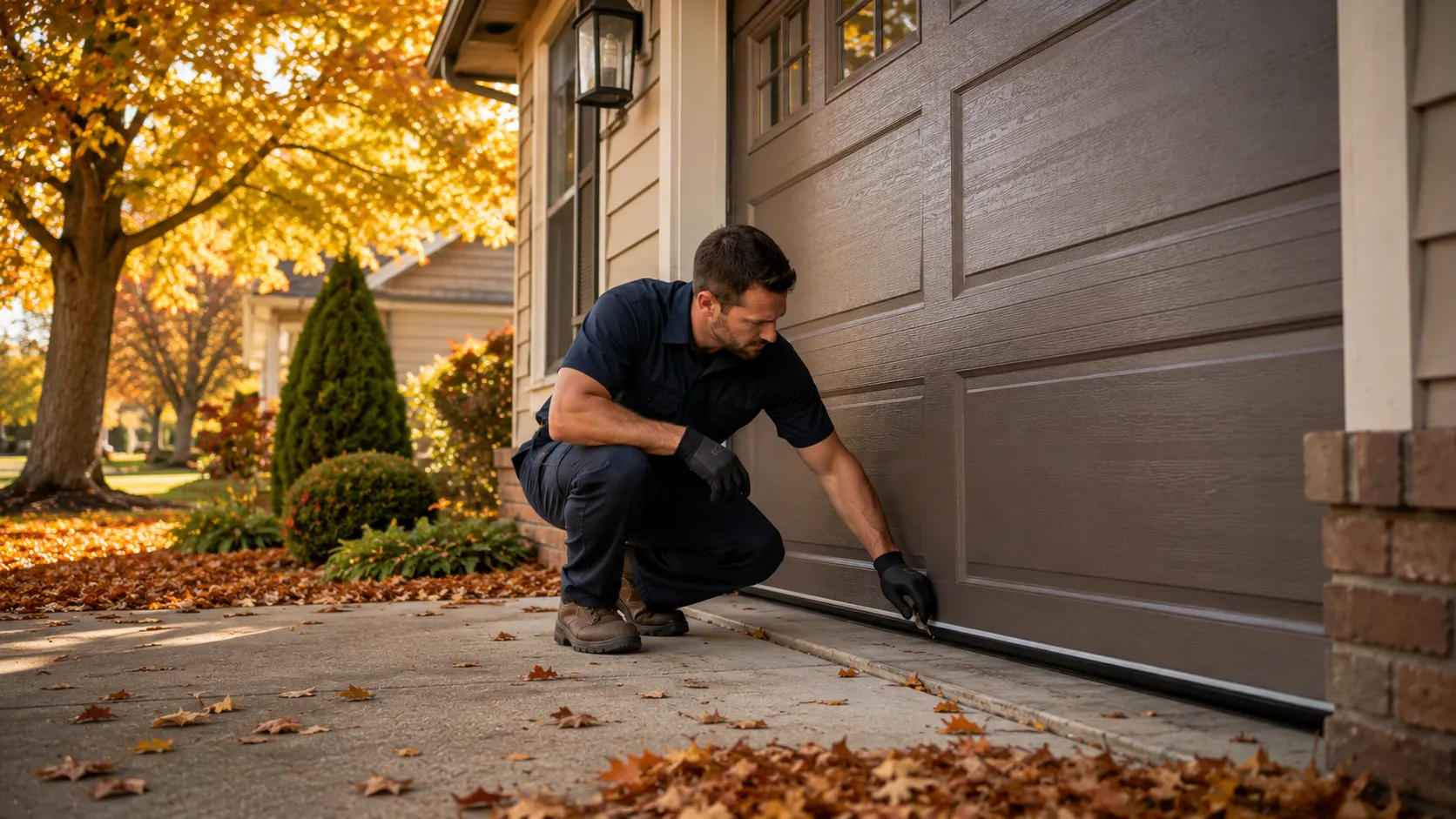
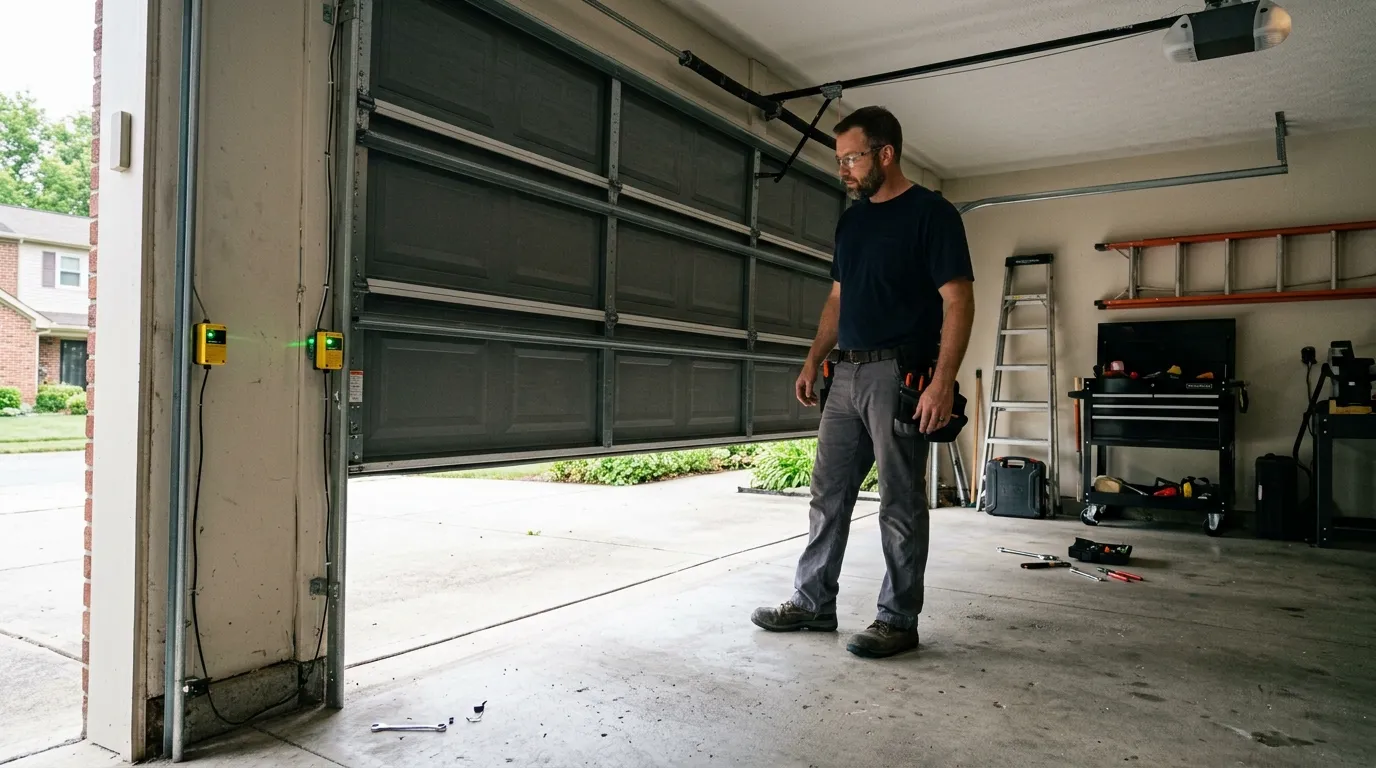
The most common call is a single dented or bowed panel, usually low on the door where a car bumper or a snow blower has caught it. Close behind that is cracking - vertical splits near the panel seams that show up on doors that have gone through a lot of freeze-thaw cycles, which is most of what this region gets in a normal winter. Rust-through at the bottom panel is its own category, usually on doors that sit low to a driveway that gets salted. Less obvious: a panel that looks fine but has come loose from its neighbor, which shows up as a rattling or a visible gap when the door is down. Any of these can seem minor until the door starts binding on the track, because a warped panel throws off the whole section's alignment and puts extra load on the rollers and cables next to it.
Why This Fails Locally
Most of the housing across this service area was built between 1938 and 1989, with a lot of it landing in the 1960s and 70s - Springfield's own stock included. Doors from that era are steel or wood sections without the backing and coatings you'd find on anything made in the last fifteen years, so the material itself is more brittle by the time a panel takes a hit. Pair that with a cold, severe climate band: steel contracts hard in winter, and a panel that's already stressed from an impact is more likely to crack along a seam during a deep cold snap than a newer, better-insulated section would be. Salt and sand off winter driveways speed up rust at the bottom panel, which is usually the first section to fail structurally even when the rest of the door looks sound. None of that is unique to any one street - it's a function of when this area's houses went up and what winter here does to steel that's fifty-plus years old.
How it works
From “it’s stuck” to “it’s fixed”
1
Tell us what’s wrong
Describe the symptom - won’t open, loud bang, opener runs but the door won’t move.
2
On-site diagnosis
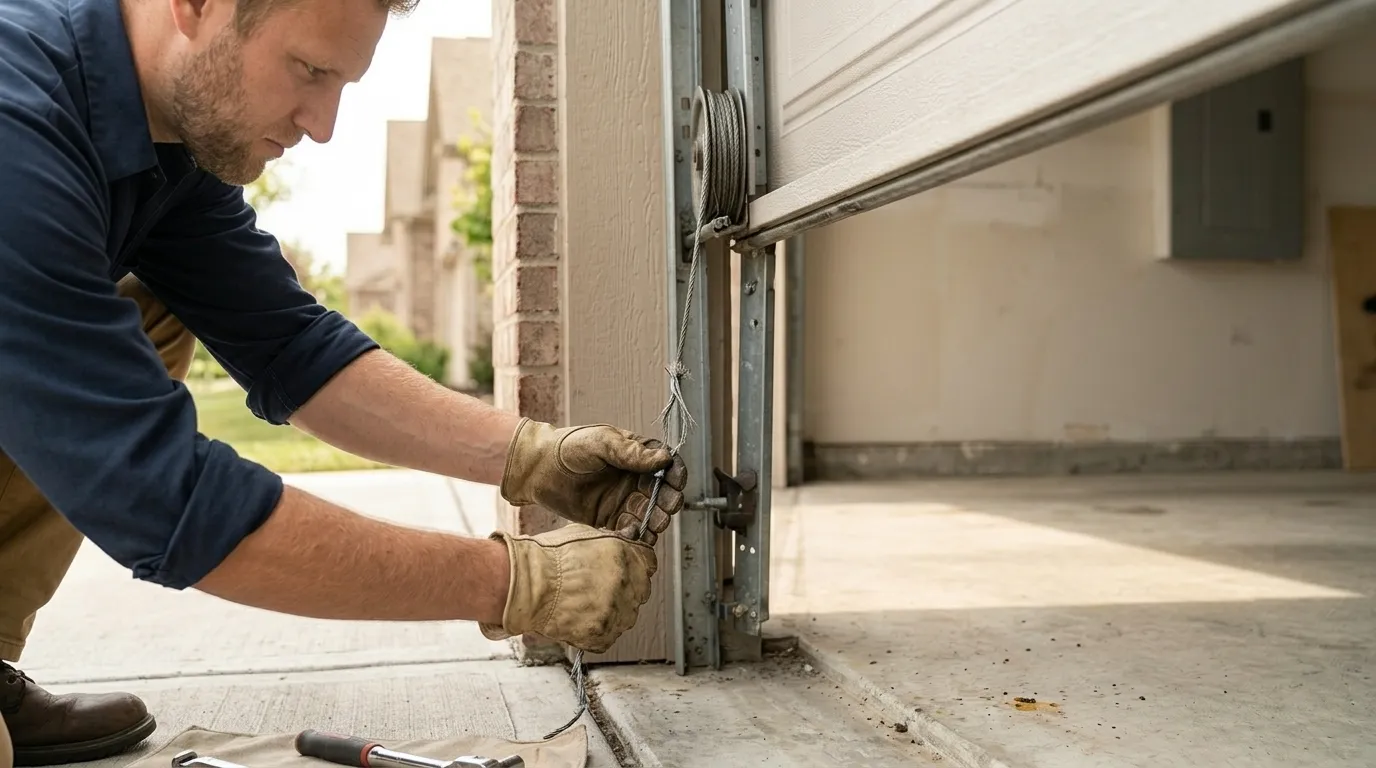
A technician tests the door under power and by hand and finds what actually failed.
3
Clear, up-front plan
You get the fix that’s needed and what drives the cost - before any work starts.
4
Repaired & tested
The repair is done, the door is set true and tested, and the work area left clean.
Serving Springfield, MA - tell us what your door’s doing and we’ll take it from there.
Straight answers about garage door repair in Springfield. Still unsure? Ask us directly.
Can you match a panel on a door from the 1960s or 70s?
Sometimes. If the profile is still made, we can order a close match. If it's discontinued, which happens on doors this old, we'll walk you through options - a slightly different panel style, replacing the full run of panels on that side, or a new door. We won't force a bad match onto the door to save time.
Is one damaged panel worth fixing, or should I replace the whole door?
Depends on the door's age and how many other panels are showing wear. On a newer door, one panel swap is usually the right call. On an original door from the 1960s-70s era, if you're already replacing one panel and the rest are brittle or rusting, a full door often makes more financial sense than repeated panel fixes.
Why do panels crack more in winter here?
Steel contracts in cold, and this area sits in a severe cold climate band, so a panel that's already stressed from an old dent or a weak seam is more likely to split during a hard freeze. It's a slow failure that often shows up suddenly on the coldest days of the year.
Do you serve towns outside Springfield for this?
Yes, we cover the surrounding area including towns like East Longmeadow, Longmeadow, Wilbraham, and others within about 20 miles. Each of those has its own page with details specific to that town's housing stock.