Checking It Yourself
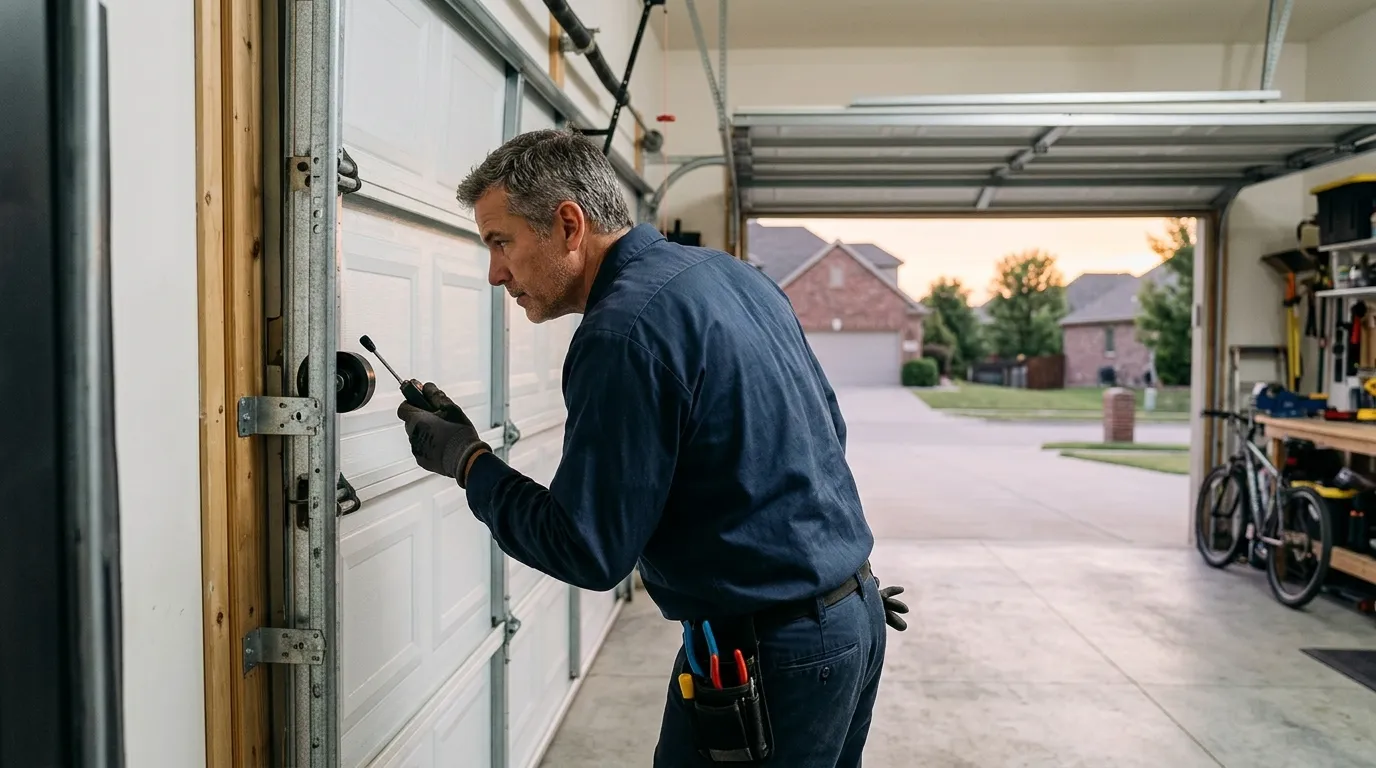
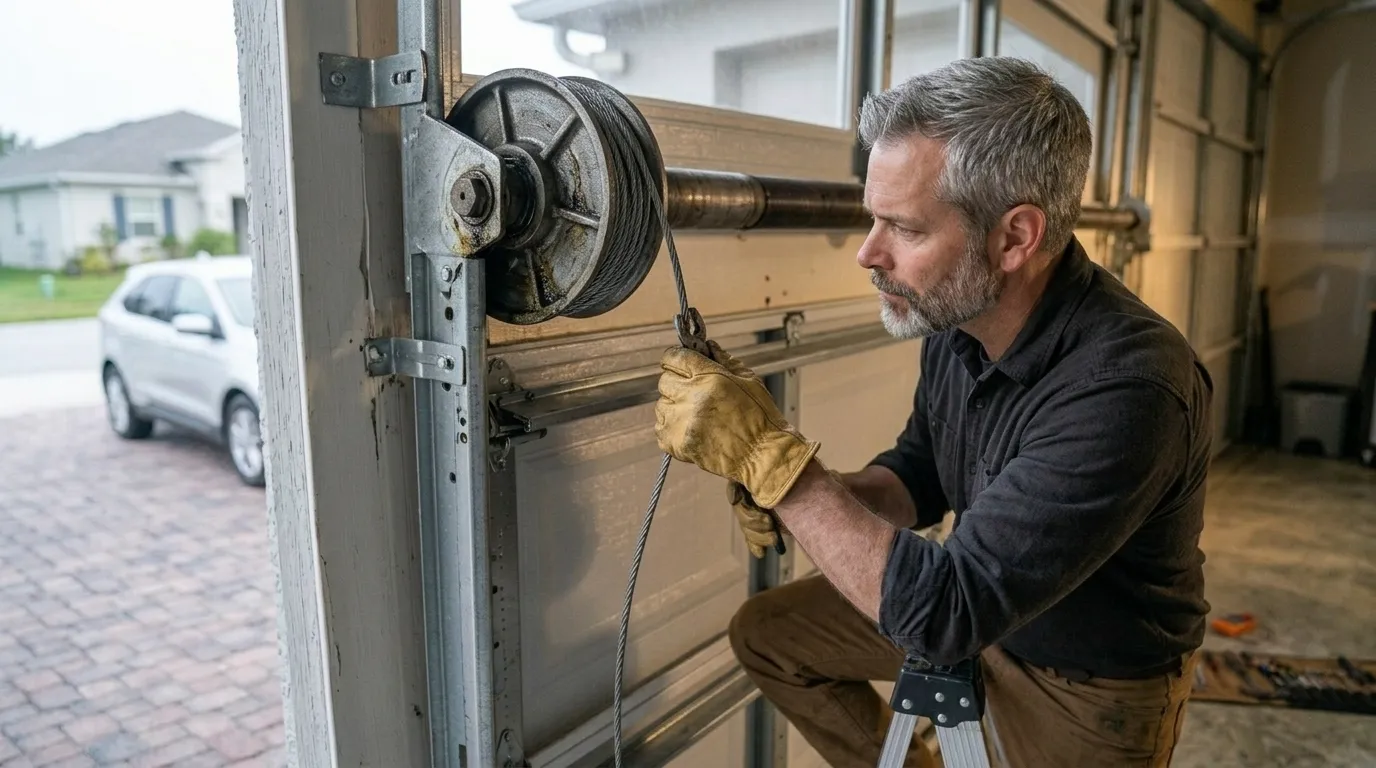
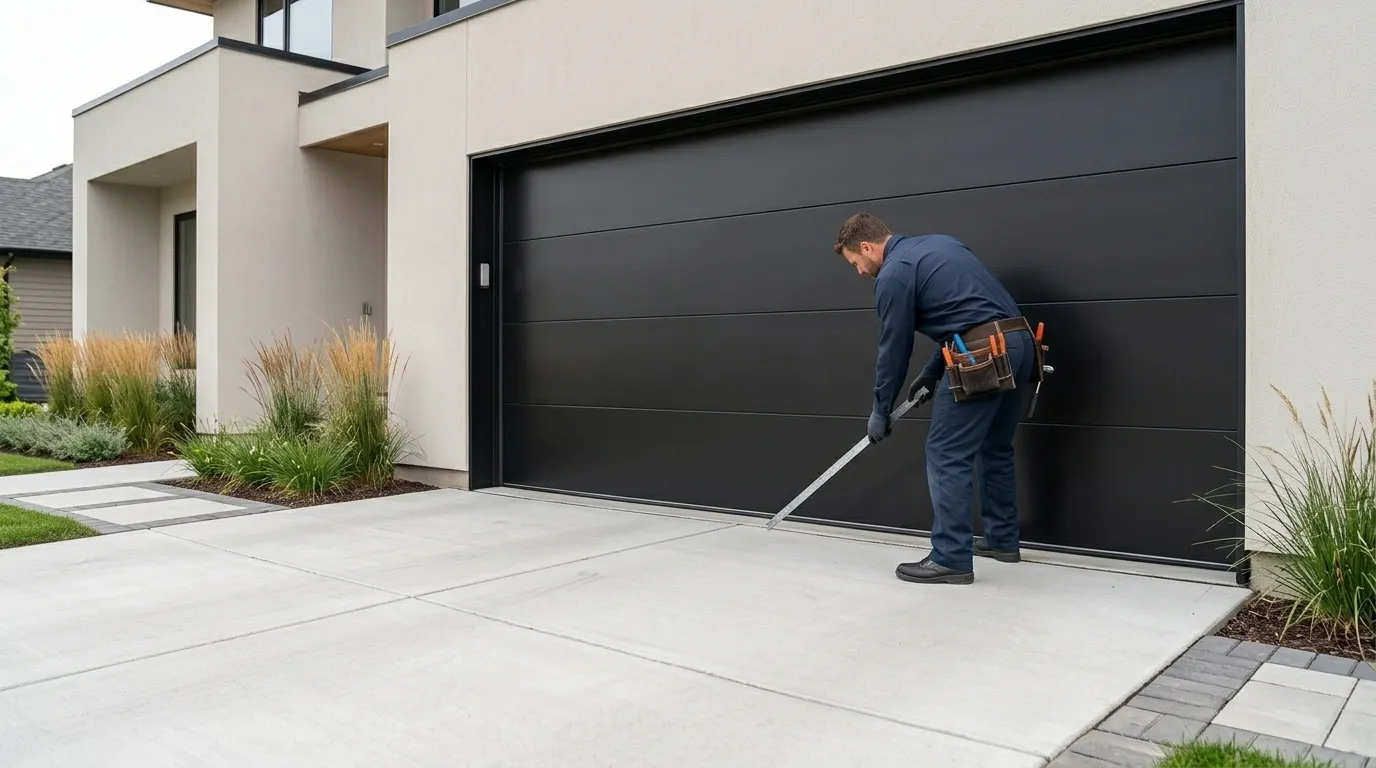
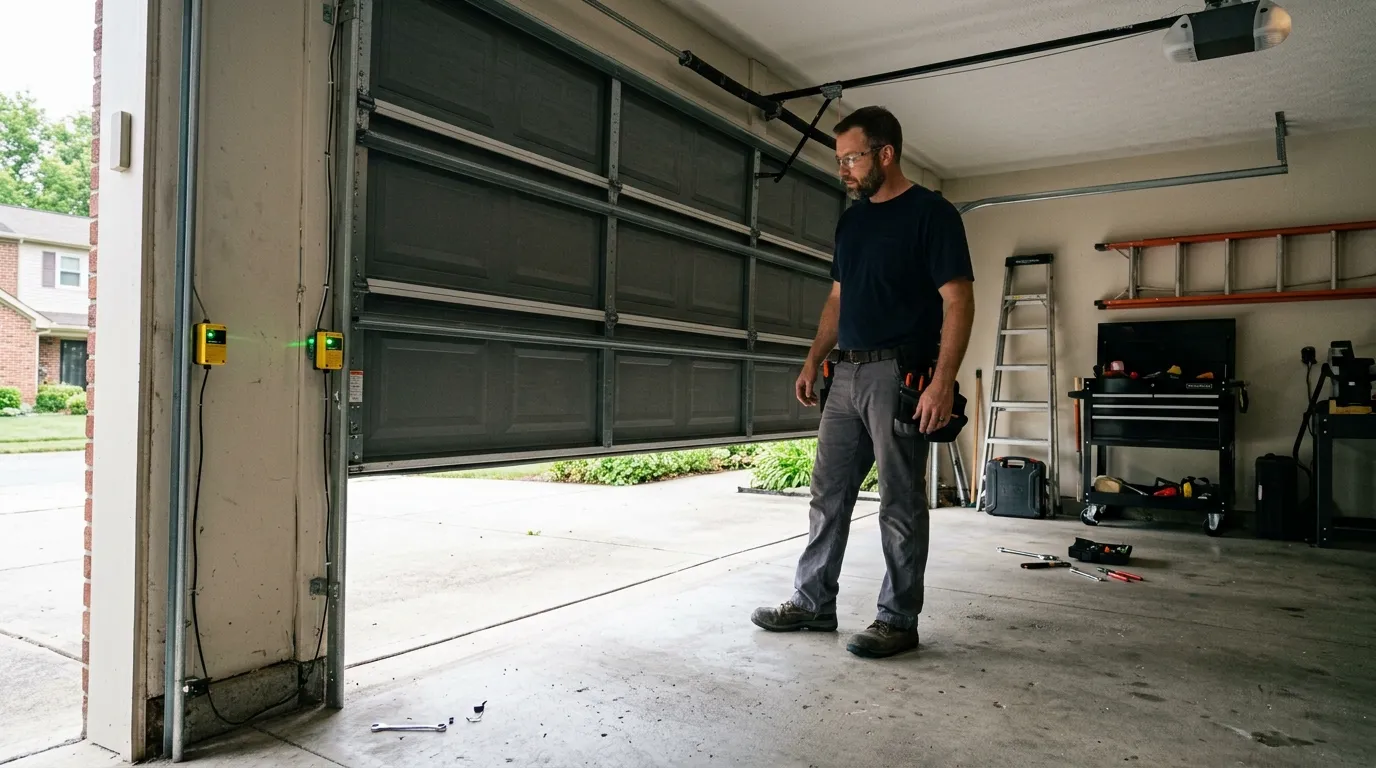
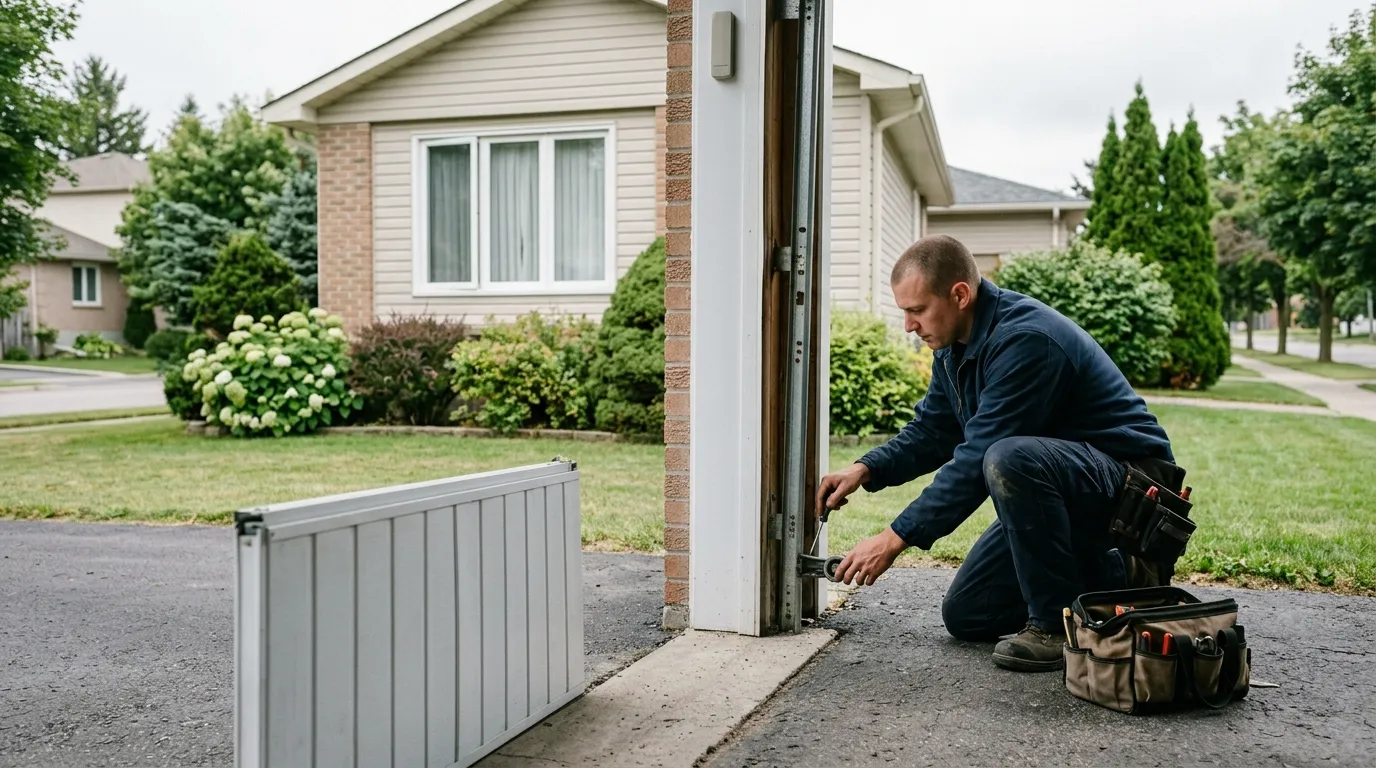
Walk out and press your palm flat against the inside of the door on a cold morning. If it feels like the outside temperature almost exactly, with no lag, you're looking at an uninsulated single-layer panel - common on doors from that 1938-1989 building window. Check the edges too. Original doors from that era often have thin steel skins with no rubber gasket between panel sections, just a metal-to-metal seam. Lift the door halfway and let go - if it drops fast instead of holding its position, the springs are sized for the door's original weight, which is fine, but it tells you nothing's been retrofitted. Look at the bottom seal. On a lot of these older doors it's a strip nailed on later, not a factory-fitted astragal, which is a sign somebody already tried to patch the cold problem once before. None of this means the door is broken. It means you're dealing with a door built for a different set of expectations than what you'd get off a lot today. That distinction matters before you spend money on the wrong fix.
The Common Mistake
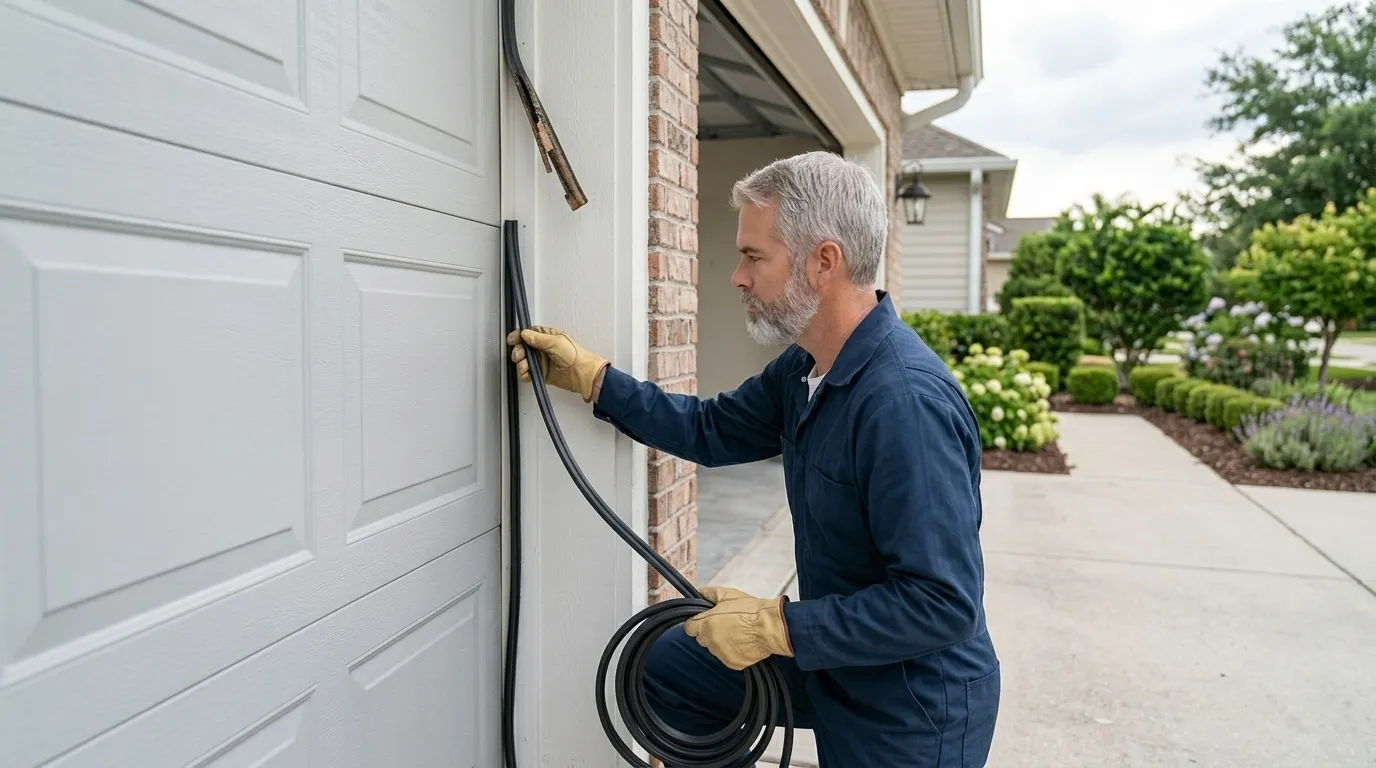
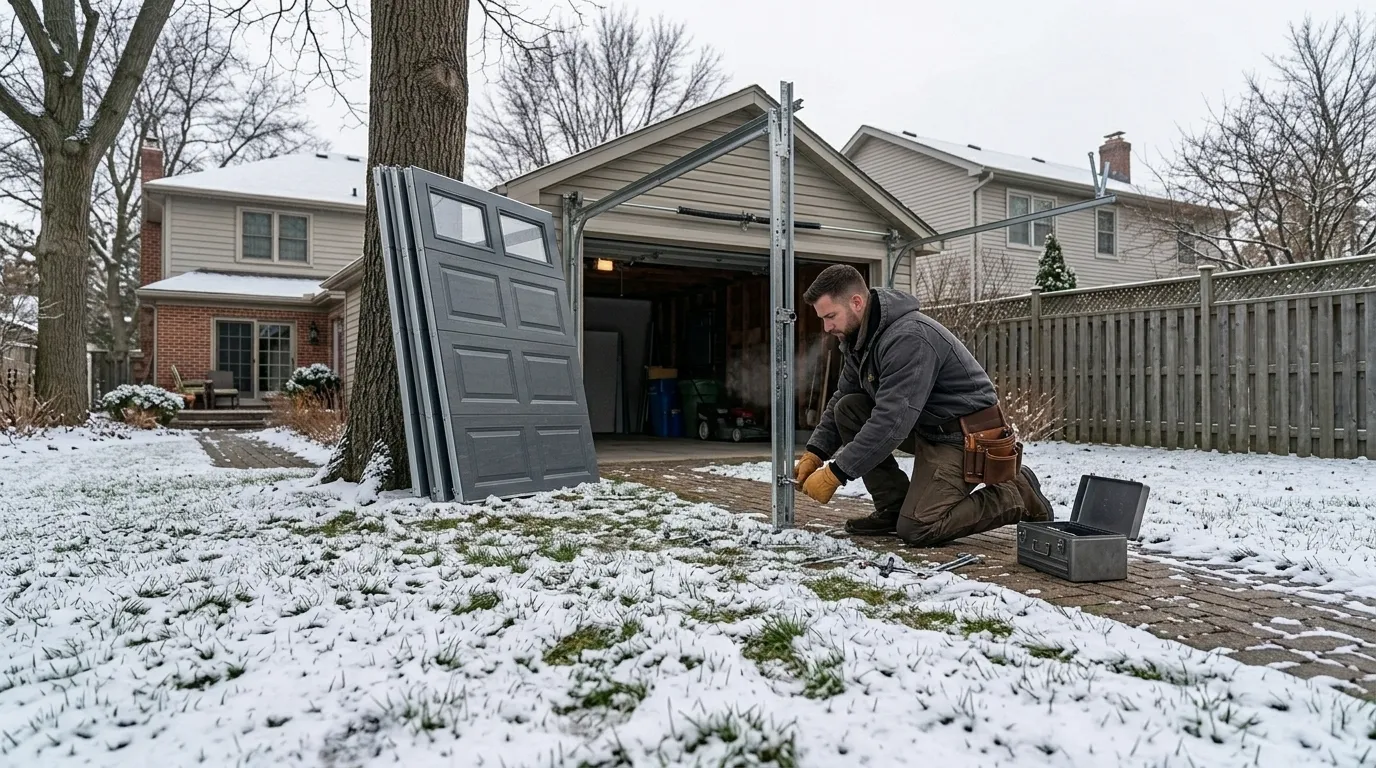
The mistake we see most is people fixing the symptom and not the door. Somebody notices cold air in the garage, so they add a bead of weatherstripping around the frame or buy a bottom seal kit. That helps a little at the edges, but it does nothing for a steel or wood panel with no insulation core - the seam and the field of the panel are still bare metal or bare wood, and that's most of the surface area. Others replace the opener, assuming a quieter, stronger motor will somehow tighten up the door. It won't. The opener moves the door; it has no bearing on what the panel is made of. On a door built in that 1938-1989 window, the honest fix for a real cold problem is usually the panel itself, not the trim around it. I'll say plainly: weatherstripping and a new bottom seal are worth doing, and they're cheap, but don't expect them to solve a door that was built with zero insulation to begin with. That's a different job, and it's fair to know that going in before you spend money twice.