
Can You Do This Yourself
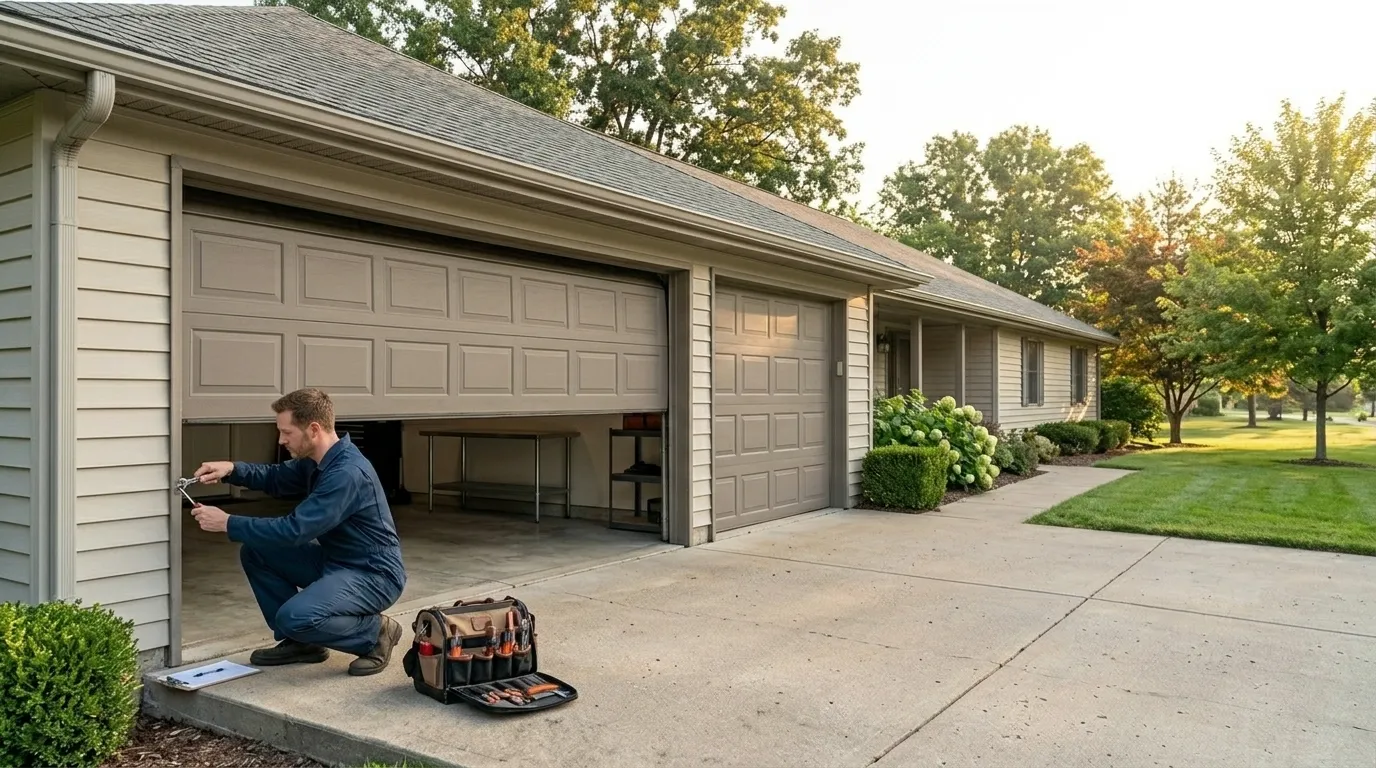
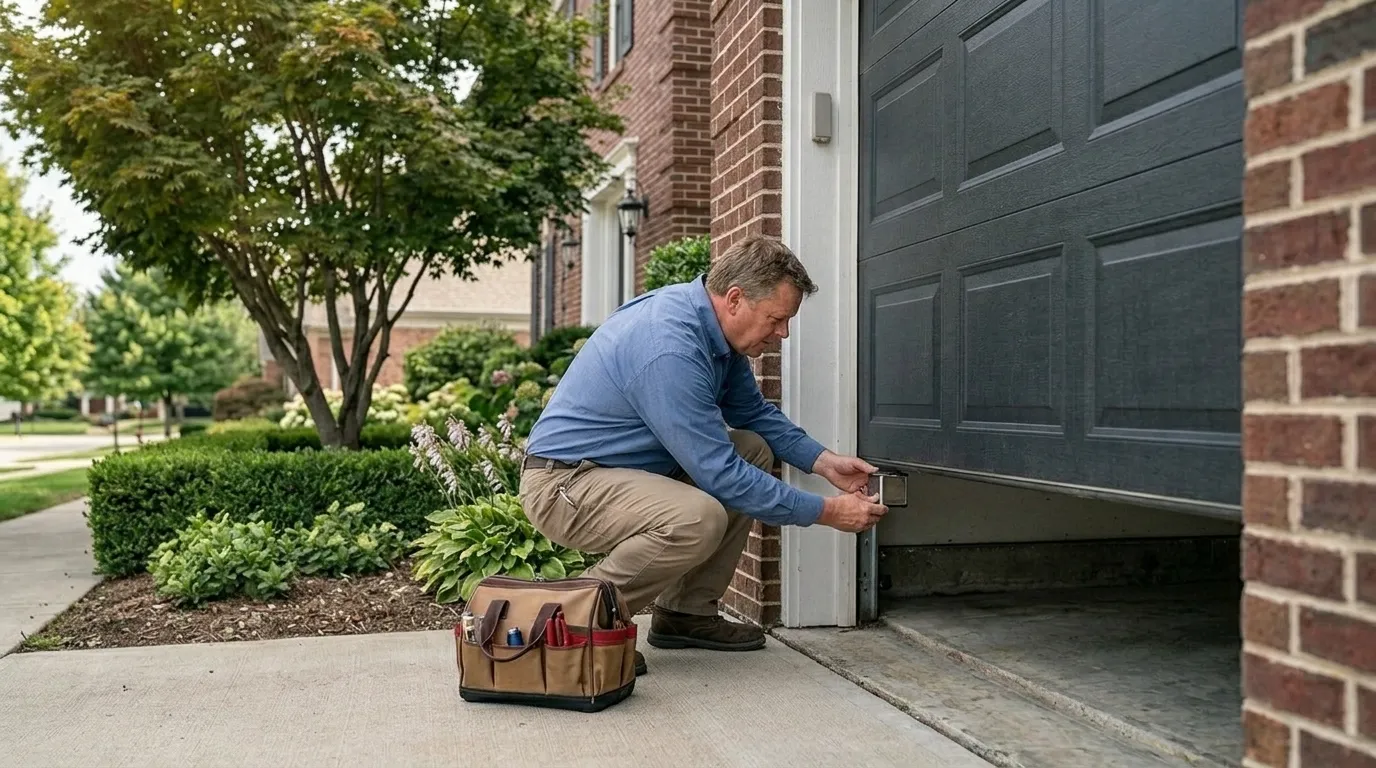
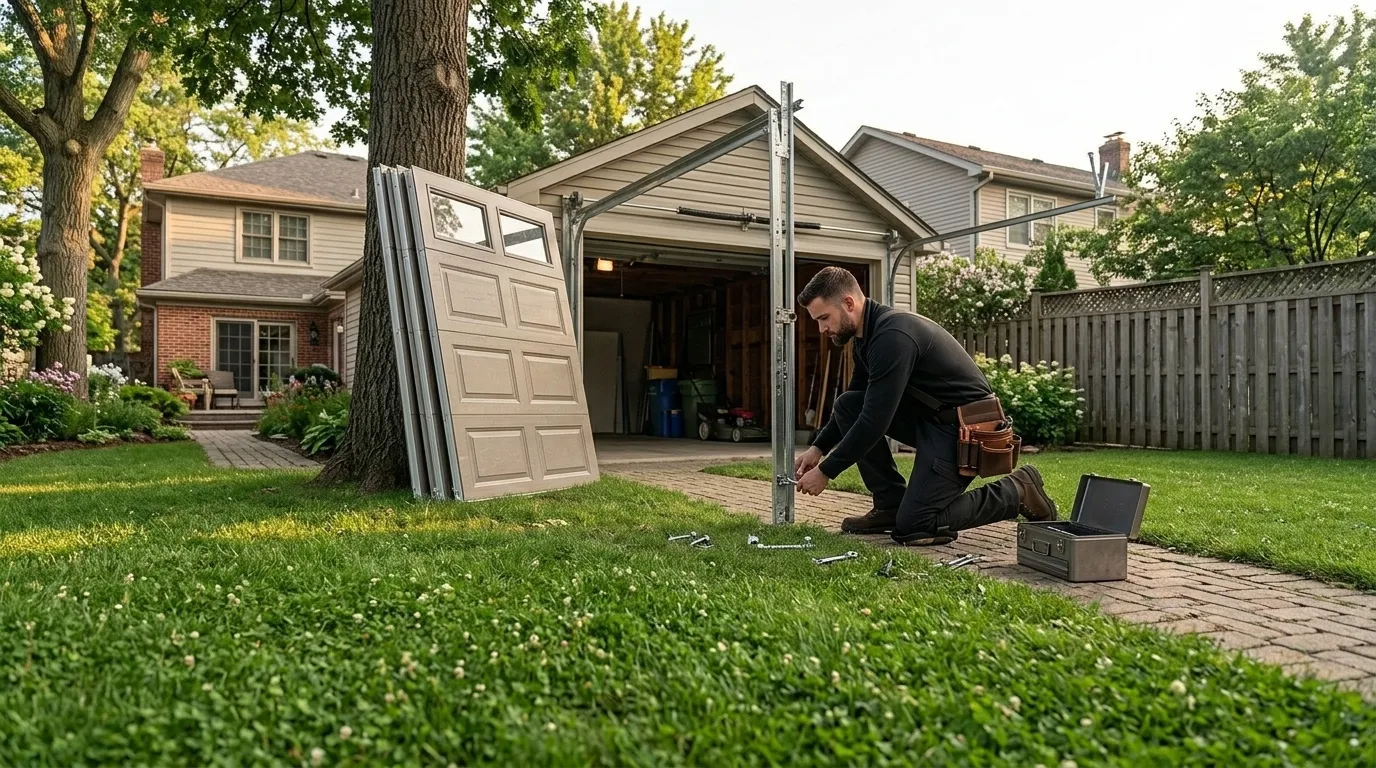
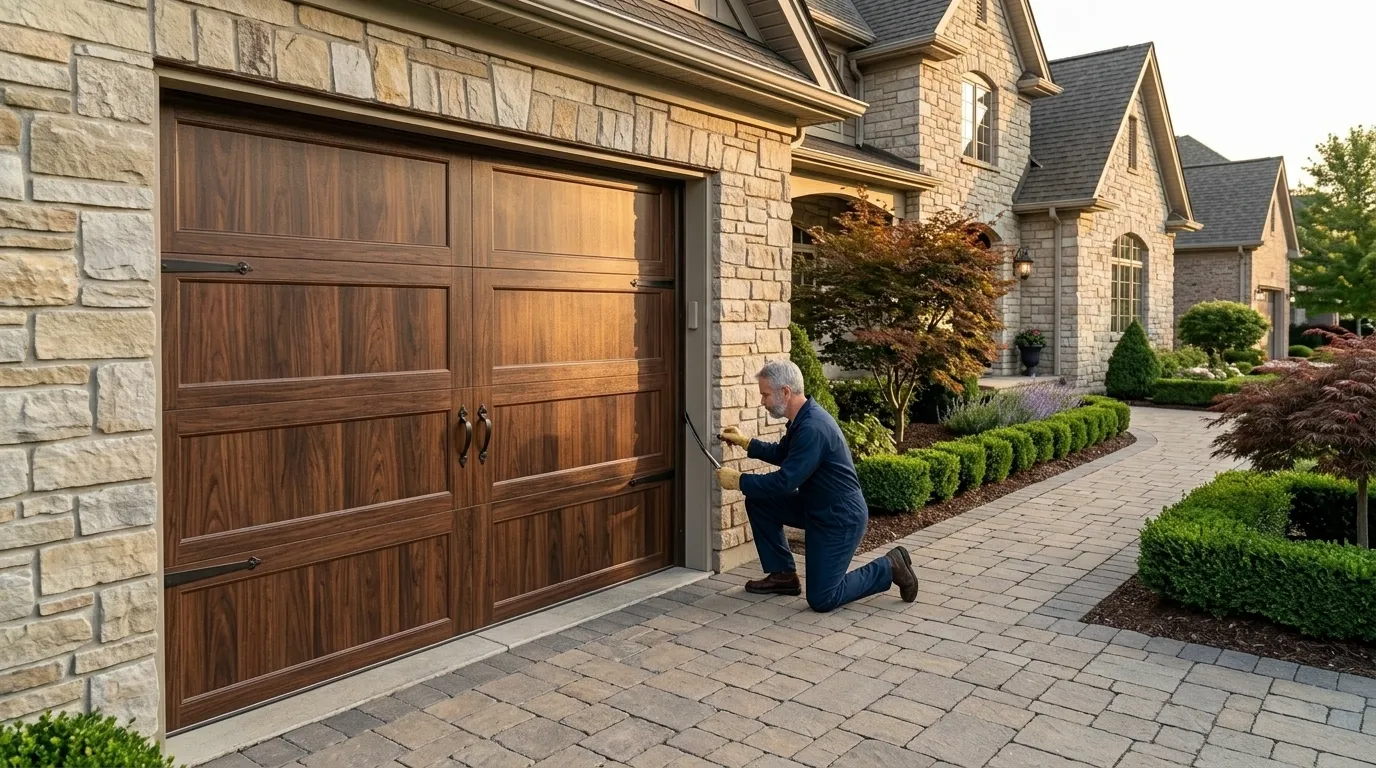
Some of this is fair game for a homeowner. You can check and tighten loose hinge bolts, clear track debris, and lubricate rollers and hinges - a five-minute job that prevents a lot of the noise complaints. What you should not touch is anything under spring tension. A wound torsion spring or a stretched extension spring holds enough force to break a bone or worse if the winding cone slips while you're working on it.
We'll also be straight about limits on our end: if a door's wood panels have rotted through from decades of Massachusetts winters, we're not going to spend two hours patching a section that will split again next season. At that point, replacement is the honest answer, not another repair bill.
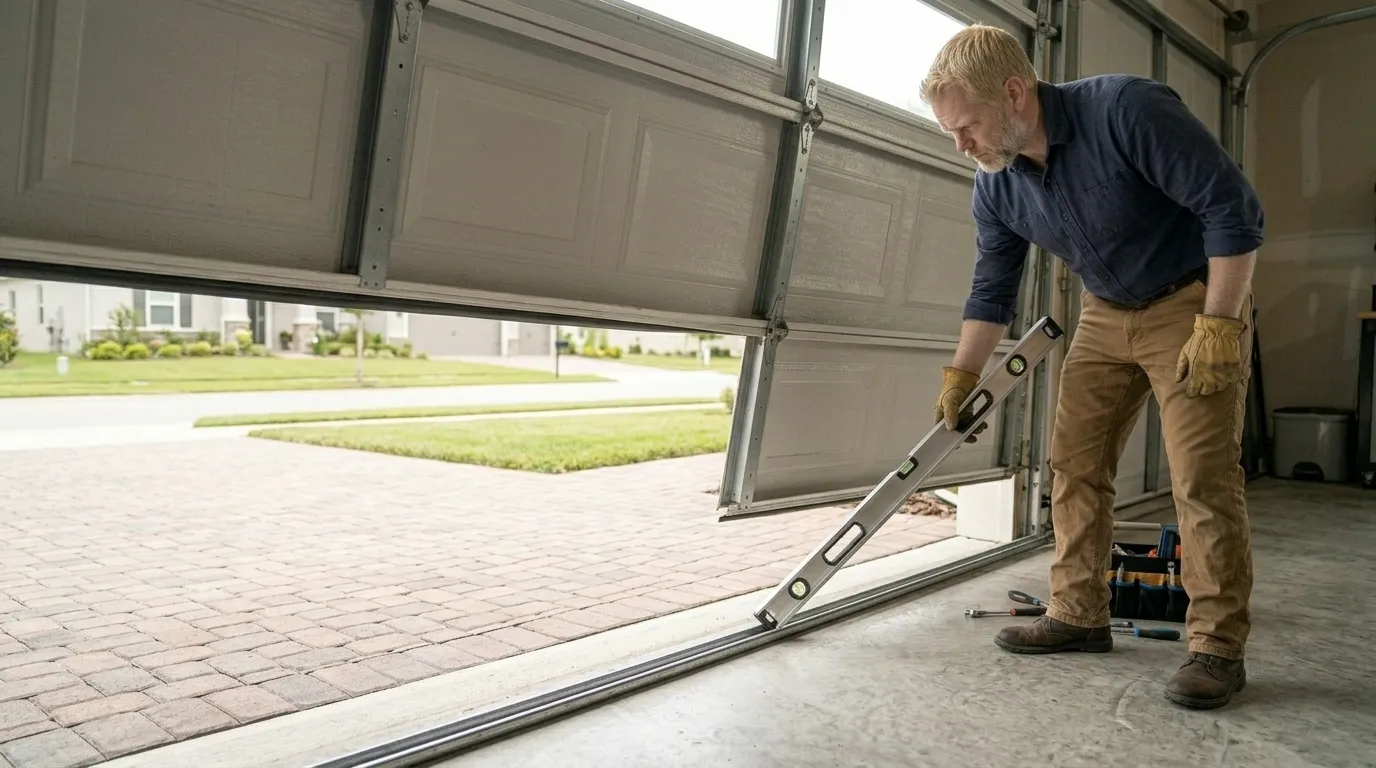
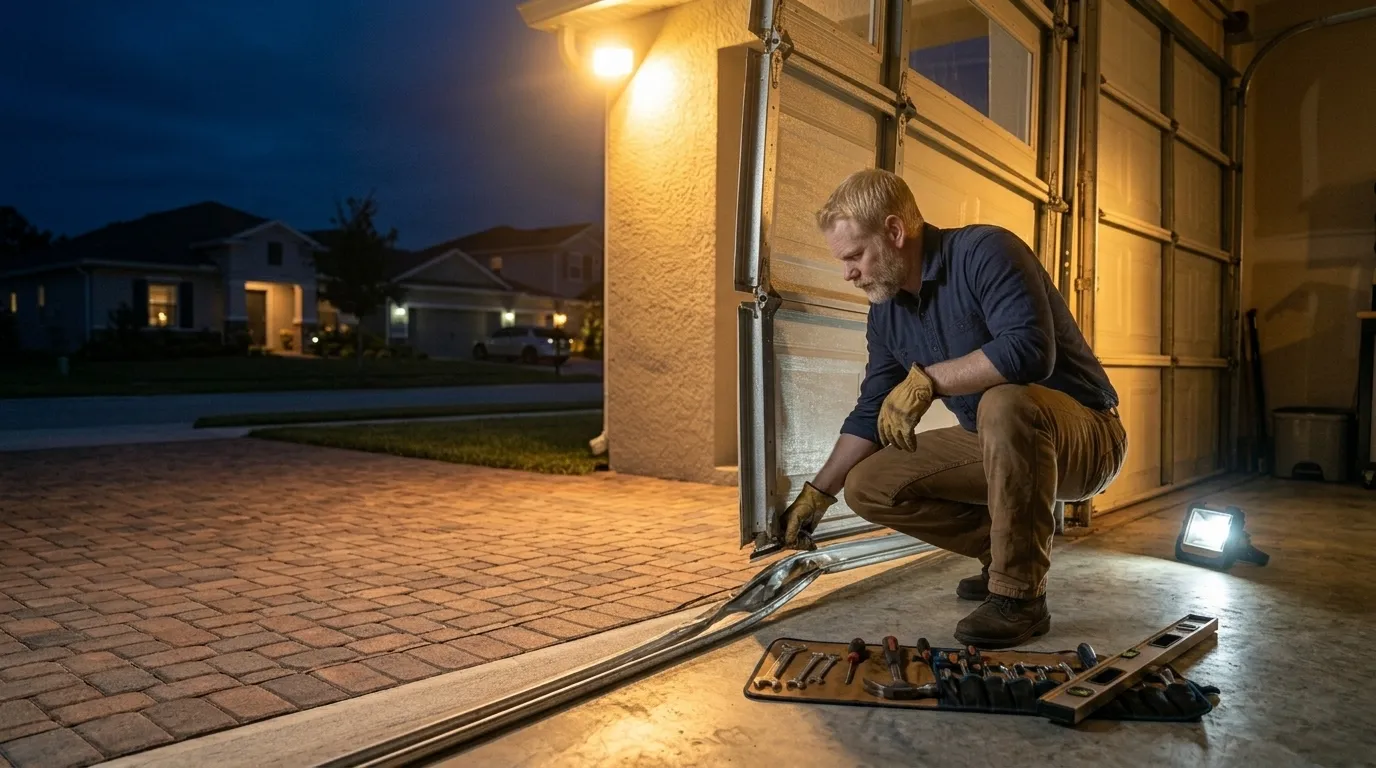
If the door moves but sounds rough, that's a maintenance call. If it won't move, or moves and drops, that's a spring or cable job and it needs a truck, not a wrench from the garage shelf.
Parts We Carry
Because Longmeadow's garage stock splits between original 1950s single doors and newer insulated steel replacements, we carry hardware for both. That means standard-wind extension springs sized for older narrow single doors, torsion springs rated for heavier insulated double doors, and drums and cables in both eras' shaft diameters.
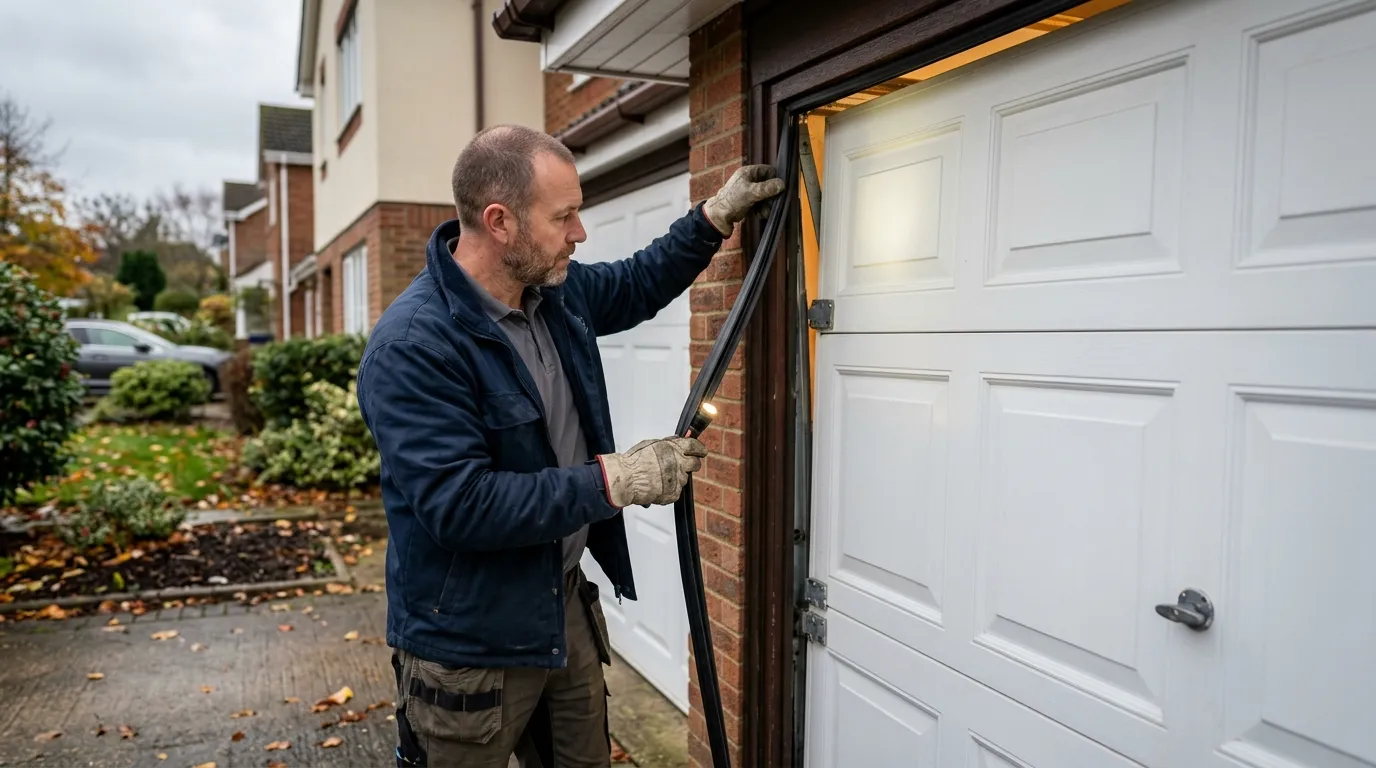
We stock rollers in nylon and steel, hinges sized for both 1950s-gauge panel steel and the thicker gauge used in current doors, and torsion conversion kits for owners who want to move an old extension-spring door off its exposed hardware. Openers are usually a same-day swap regardless of door age, since the mounting brackets are close to universal.
What we don't keep on the truck is custom millwork - matching an original wood panel exactly, grain and profile, is a specialty job we don't do, and we'll tell you that up front rather than take the work and hand back a mismatch.
Why This Fails Locally
This area sits in a cold, severe winter climate band, and that matters more for garage door hardware than most owners expect. Steel cable and spring wire both stiffen and lose a little flex in sustained cold, and a spring that's already fatigued from thirty-plus years of use is the one that finally lets go on a January morning rather than in July.
Add in the housing age - a 1957 median build year means most of the torsion conversions and hardware upgrades on these doors were done decades ago, not last year. Anything installed as a retrofit in the 1980s or 90s is now the oldest, most fatigued part on the door, even on houses where the door itself was replaced more recently.
We see the same failure pattern across the wider Springfield area's older 1960s-70s housing too, but Longmeadow's slightly earlier build years put its original hardware a notch further along that same curve.
Time on the Job
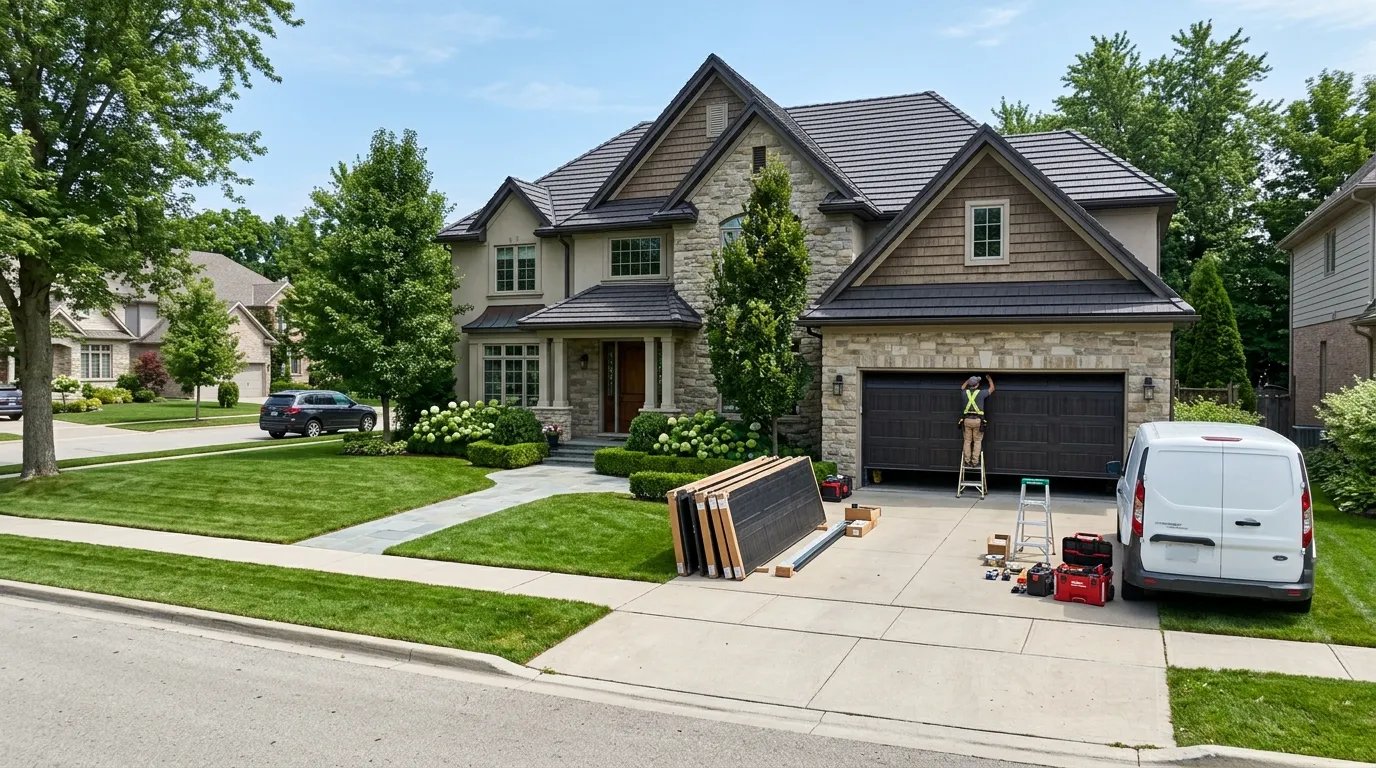
We run out of Springfield, about 5 miles from Longmeadow, so there's no separate branch or depot to factor in - it's a truck coming from town. What actually determines how long a visit runs is the door itself: a straightforward spring or cable swap on a standard opening moves faster than a job where we're also correcting years of wrong-size hardware from a prior mismatched repair.
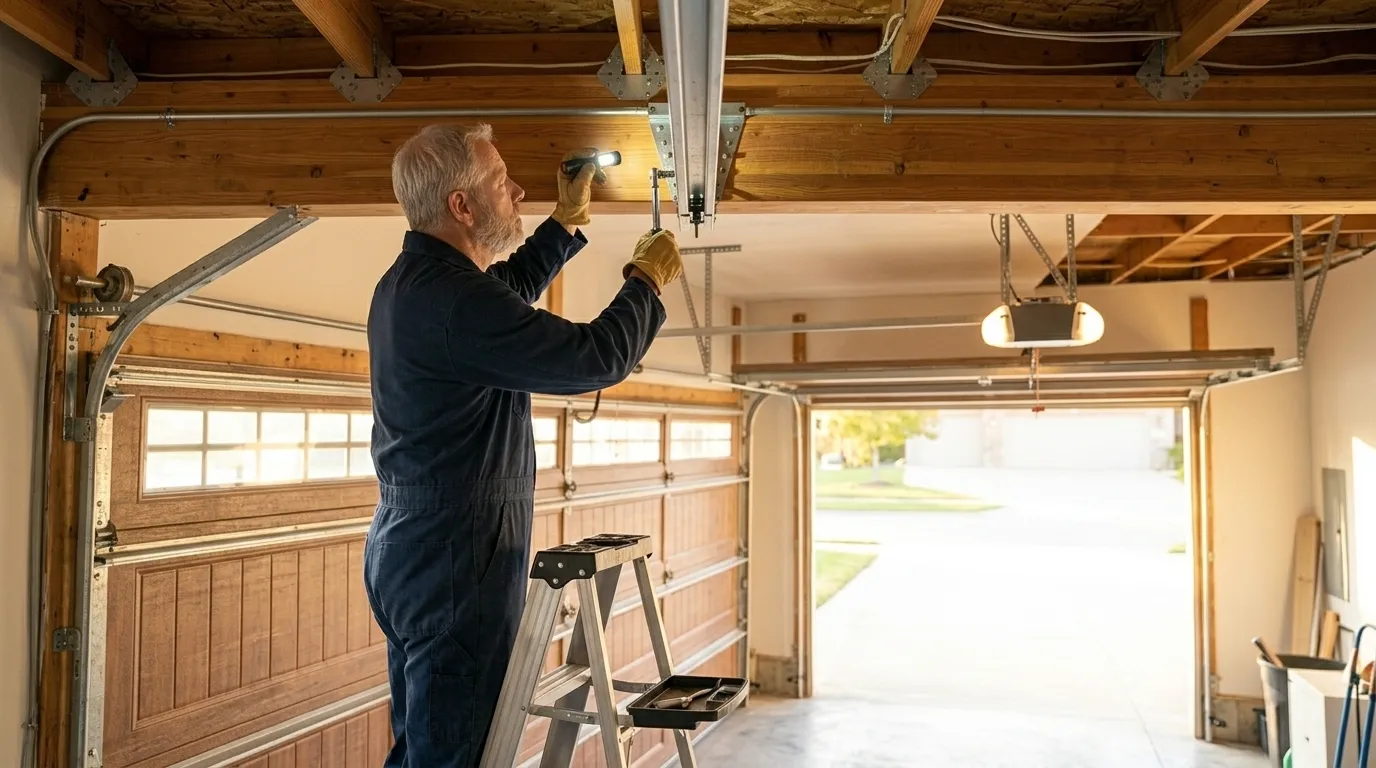
Double doors with two torsion springs take longer than a single door with one extension spring, and any job where we're also swapping an opener adds time for wiring and safety sensor alignment. We won't quote a fixed duration here because it depends on what we find once the door's open in front of us, not on the zip code.