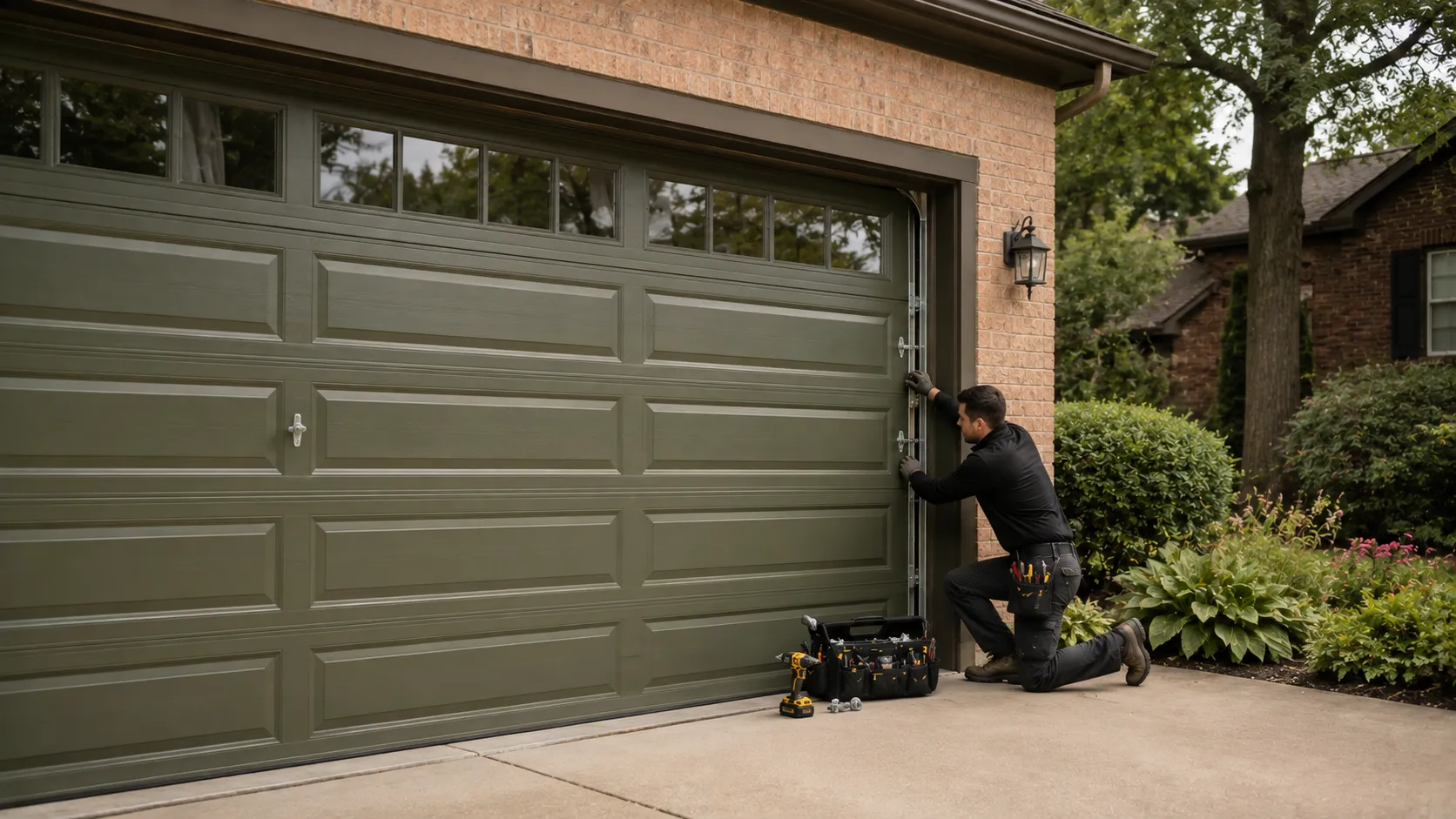
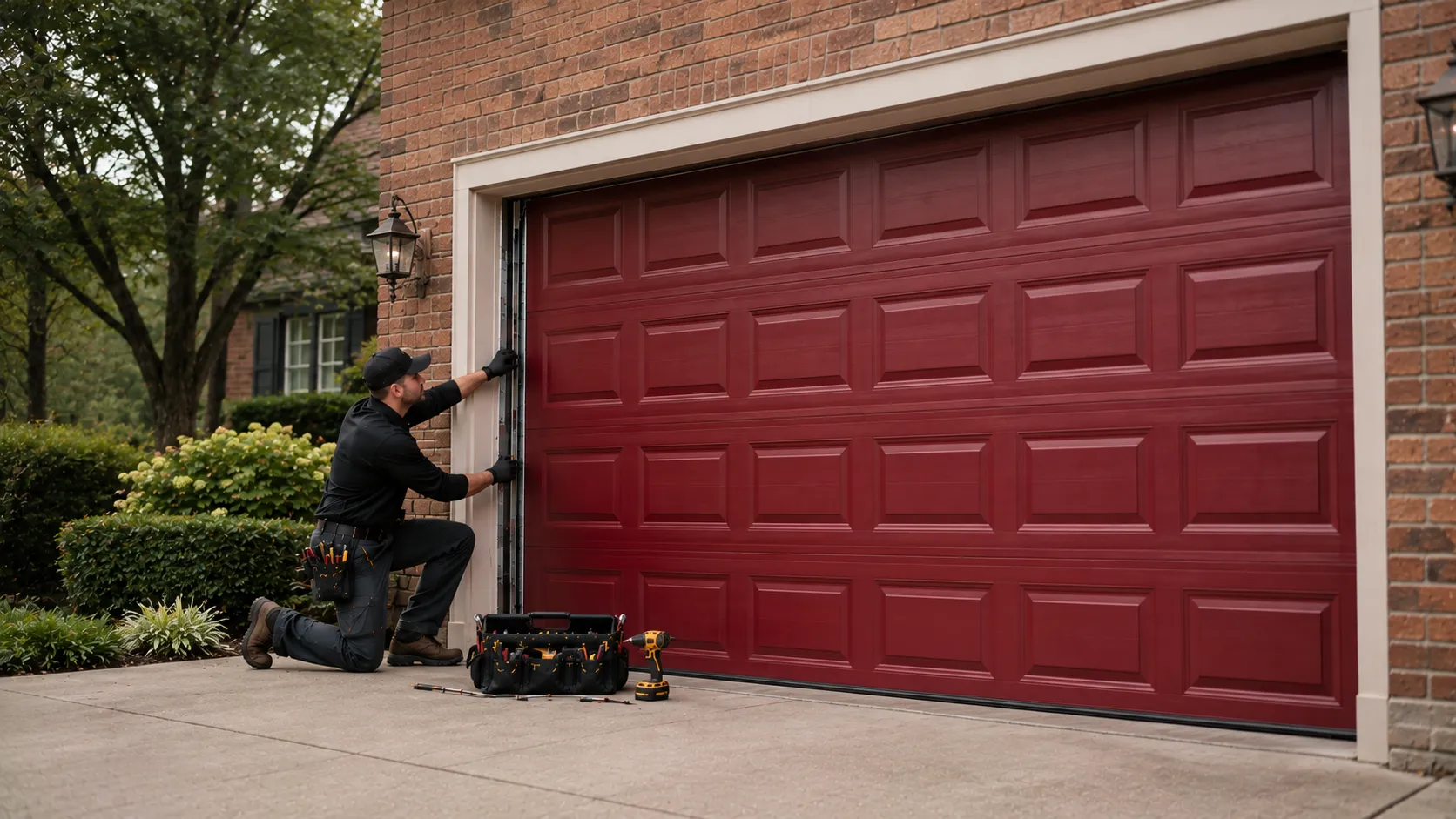
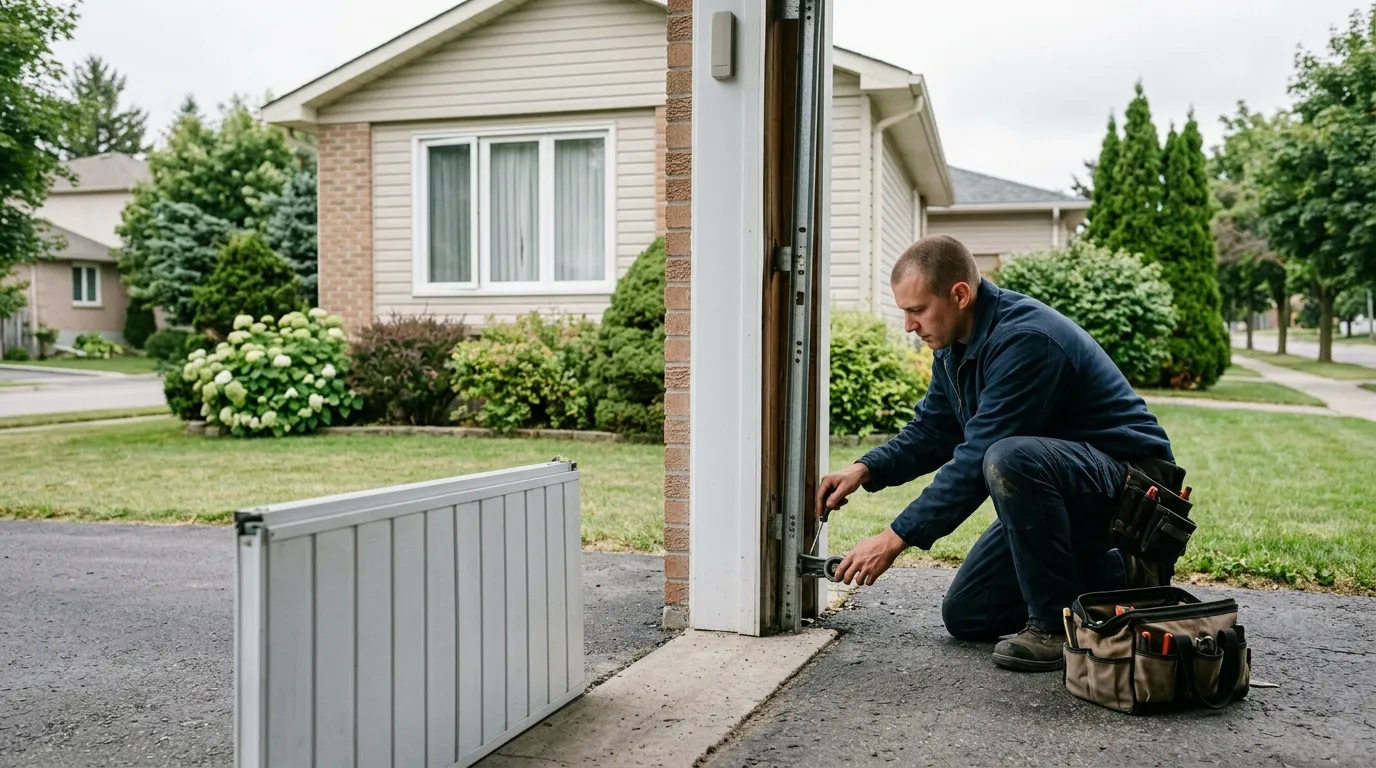
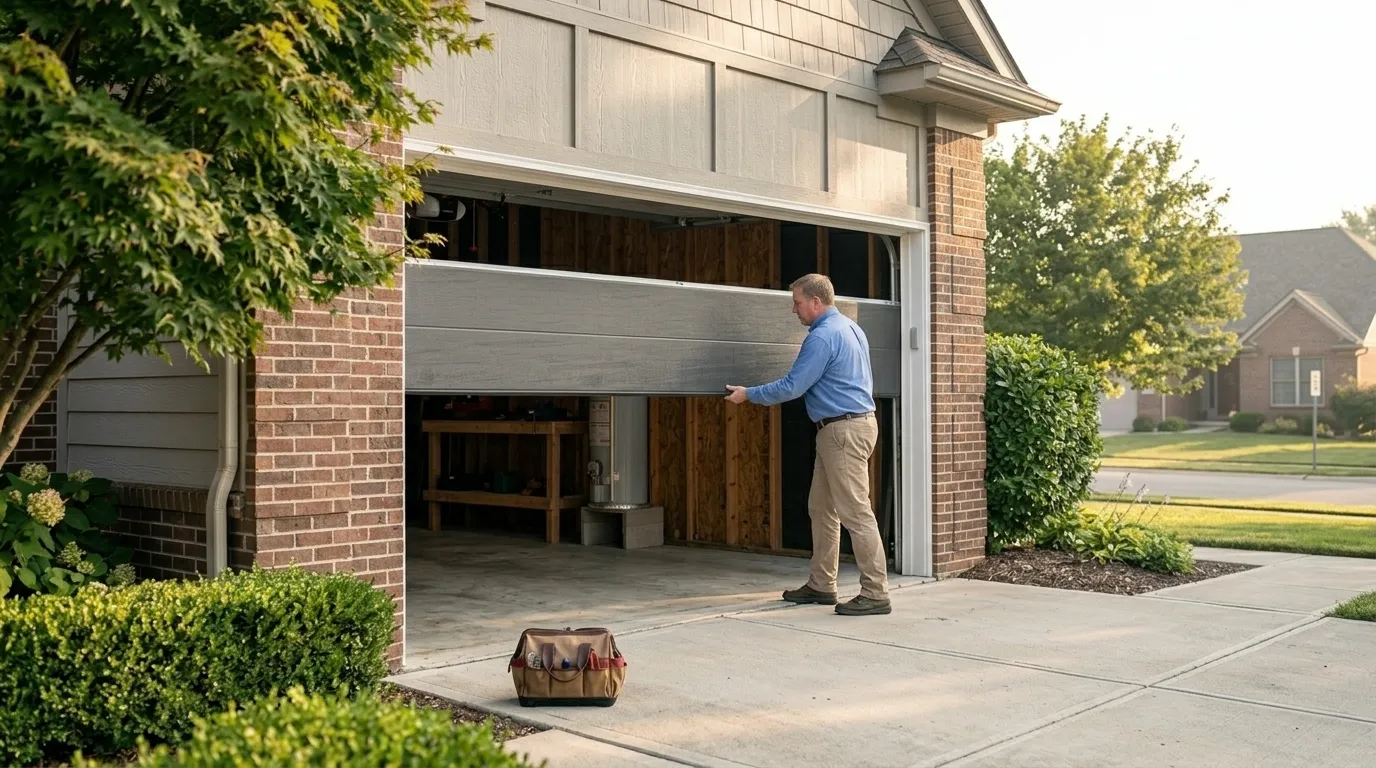
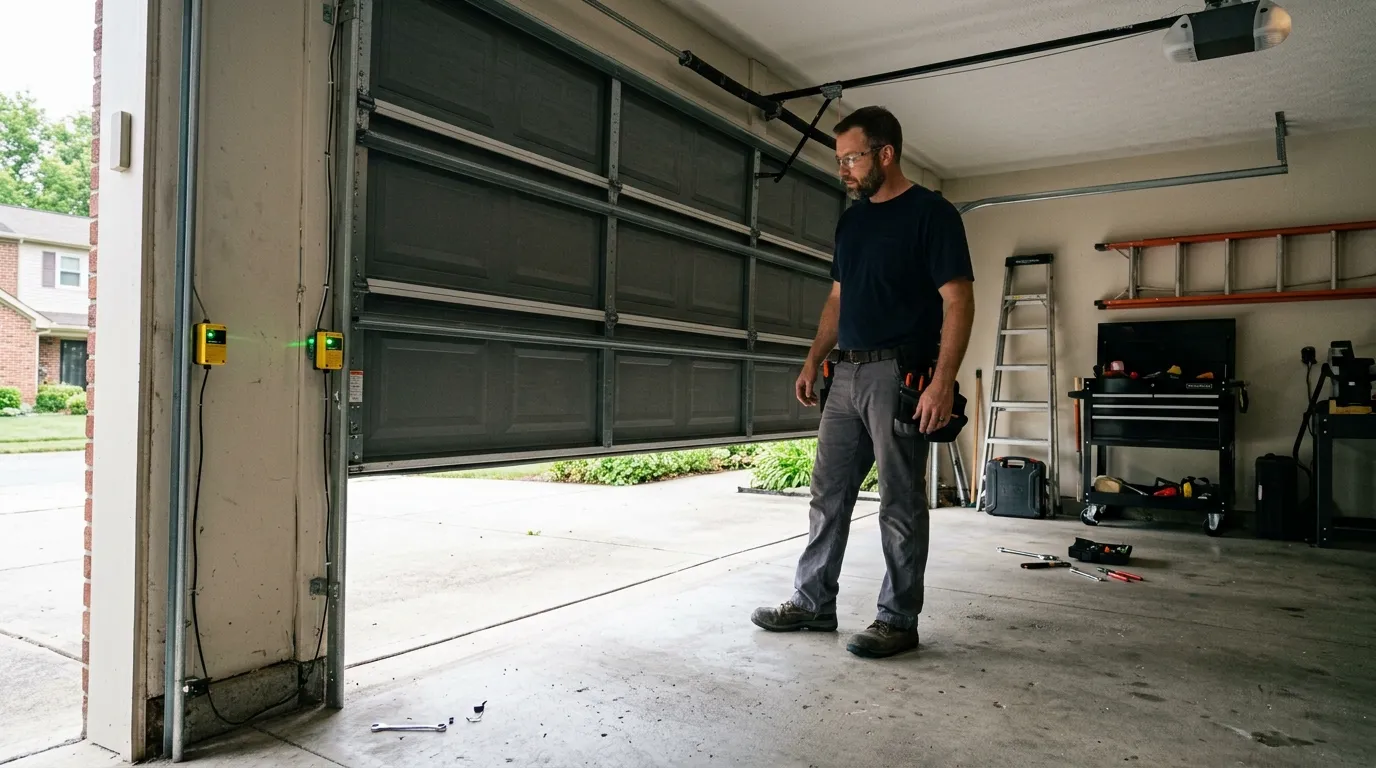
Panel replacement for East Longmeadow's 1960s-era doors, driven in from Springfield 4 miles away. When a patch job beats a full swap, and when it doesn't.
East Longmeadow's median household income runs $101,540, well above the $93,808 median for the wider Springfield service area. That number matters more than people expect when a panel gets caved in by a mower, a trailer hitch, or a plow blade backing up too fast. At this income level, a lot of homeowners default to "just replace the whole door," and a lot of the time that's overkill. If the door is a newer steel model with standard panel widths, one bent section can usually be swapped without touching the rest. The problem shows up on the houses built closer to the town's 1965 median year: original doors from that era often used panel profiles and hinge spacing that current manufacturers don't stock, which flips the math from "cheap panel swap" to "full door" fast. You want to know which bucket your house is in before you call around for quotes, because the price difference between the two is not small.
A single dented or split panel on a double-wide door is the most common version of this call. The second most common is bottom-panel rot or crumple from years of the door dragging on a cracked slab edge.
What Can Go Wrong
The panel arrives and it's the wrong width, wrong hinge spacing, or a color that doesn't match a door that's faded for a decade in the sun. On original 1960s and 70s stock, that's not a shipping error - it's that the exact section was never re-ordered under a different part number, and the closest match isn't close enough. Insulated sections are their own trap: swap a foam-core panel next to an uninsulated original section and you get a door with two different R-values and a visible seam of condensation in winter.
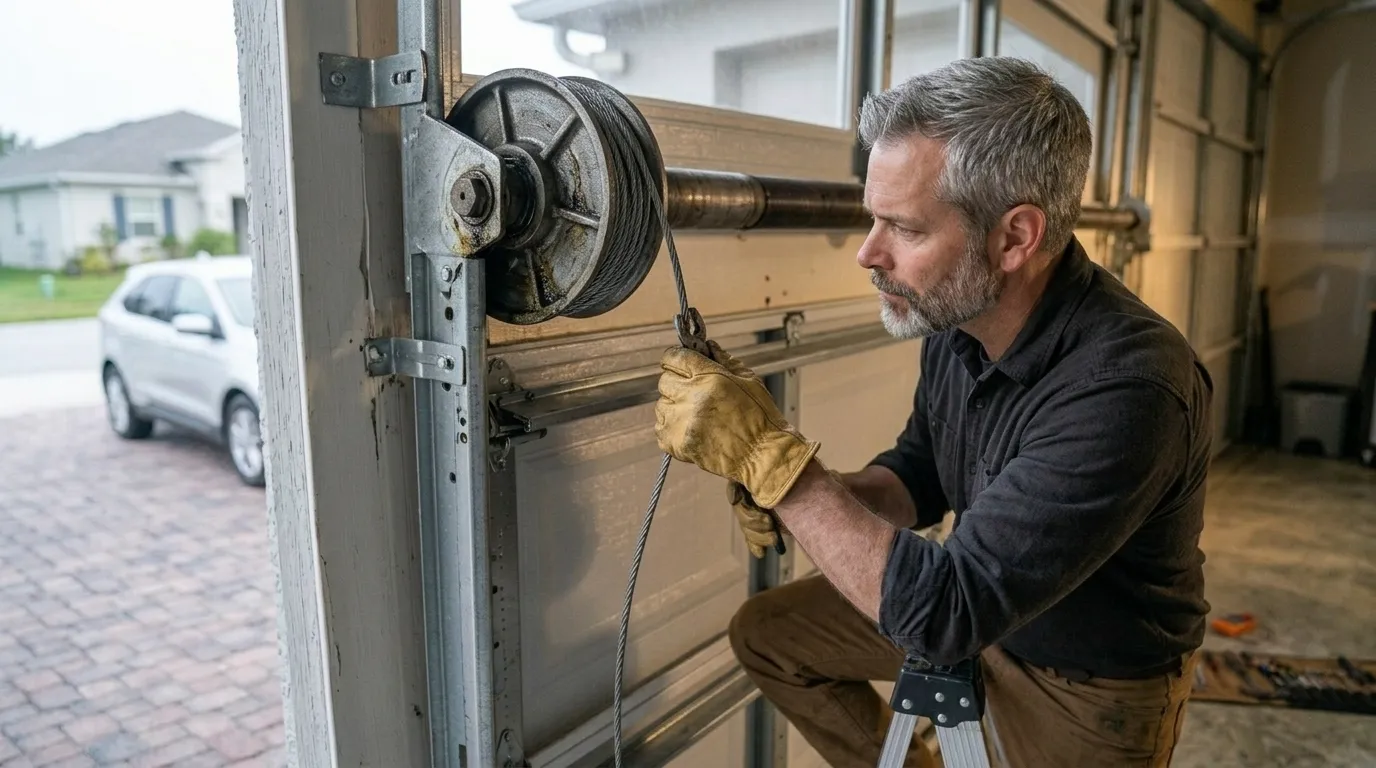
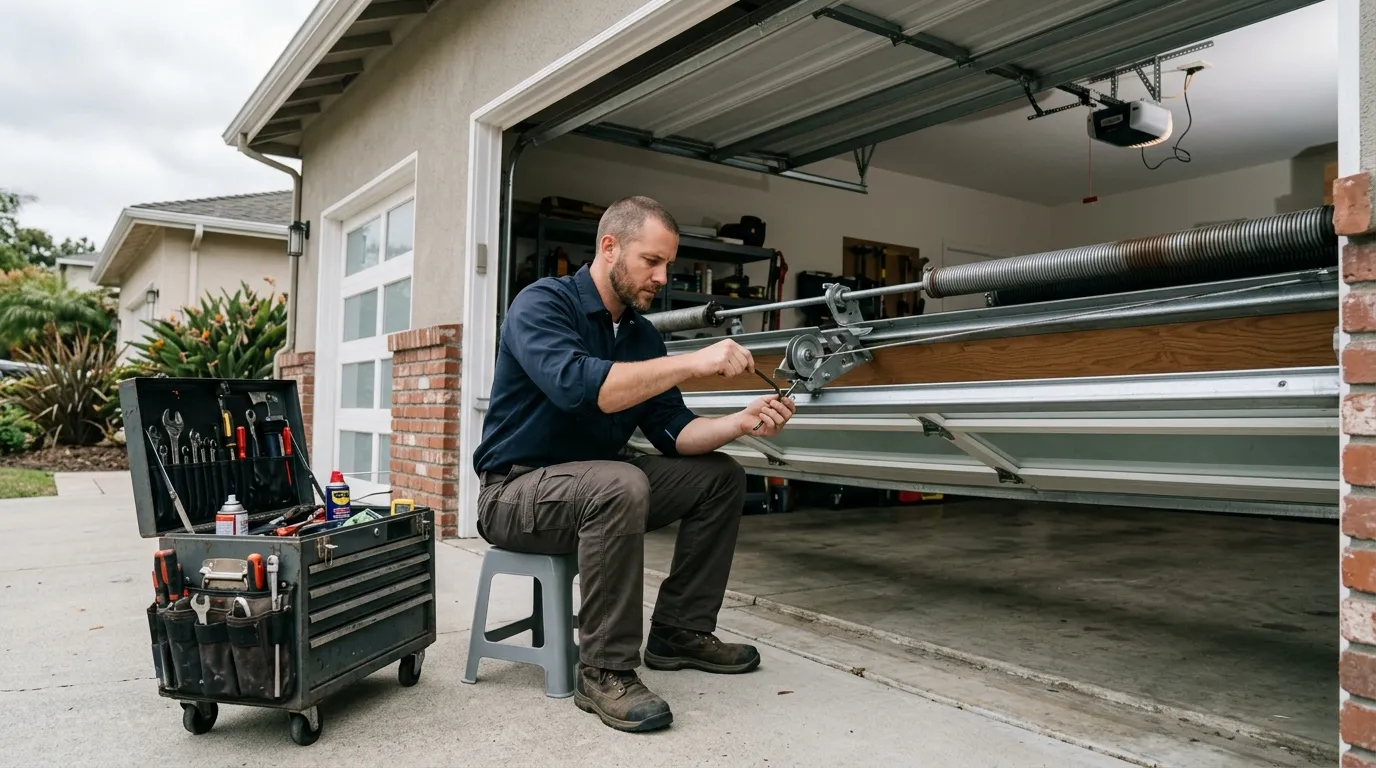
The other failure is mechanical, not cosmetic. A cracked or bowed panel changes how the door tracks. Put a new section on without checking the roller alignment and hinge tension across the rest of the door, and you can end up with a door that binds on the track within a season - a callback nobody wants. On older torsion setups this is worse, because the spring was sized for the original panel weight, and a heavier replacement section throws that balance off.
What the Fix Involves
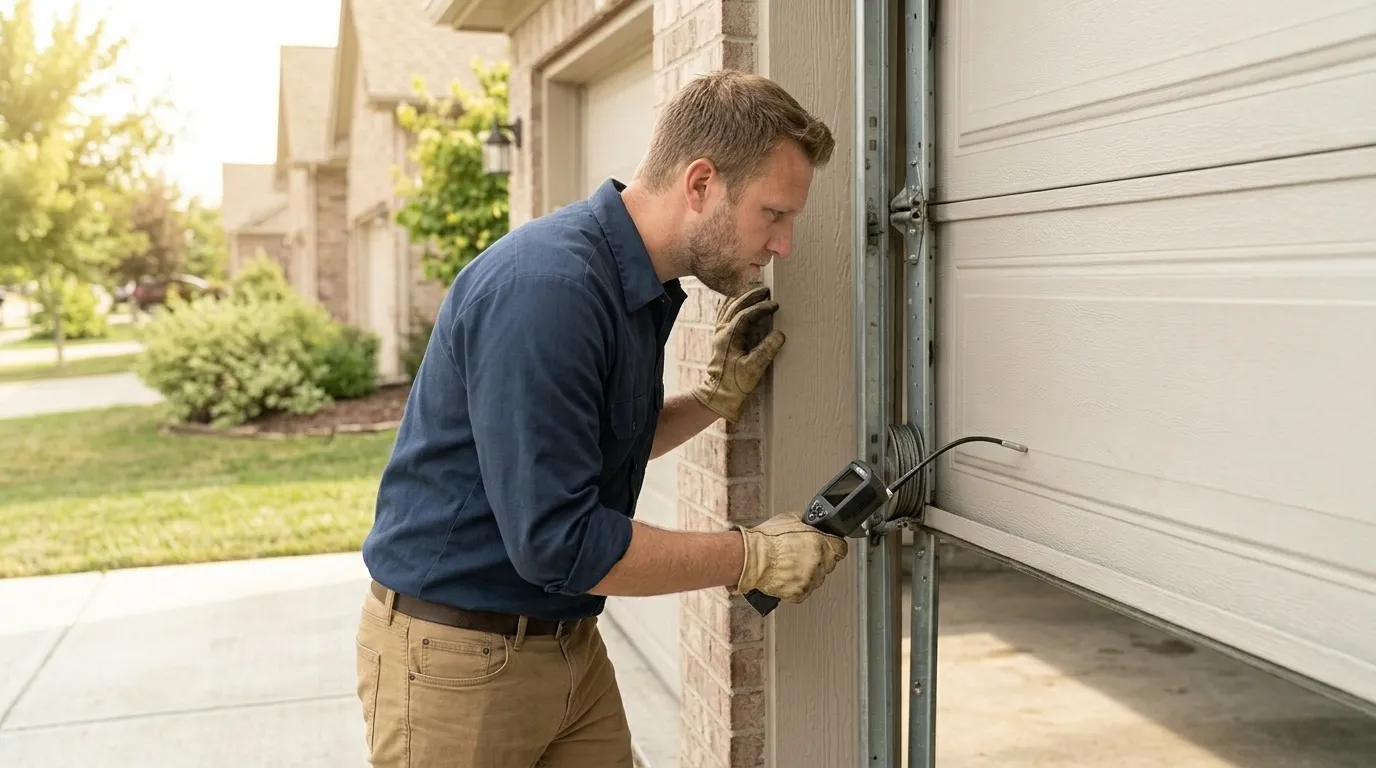
We come from Springfield, four miles out, so getting a matched panel out to a job here isn't a logistics problem - it's a sourcing one. The technician pulls the door's brand, gauge, and panel dimensions on site, then checks that against what's actually still being made. For doors that fall in the 1938-1989 build window that covers most of this area's housing stock, and especially anything close to the 1965 median, that check matters: a panel width that was standard in 1968 may not be a standard width today.
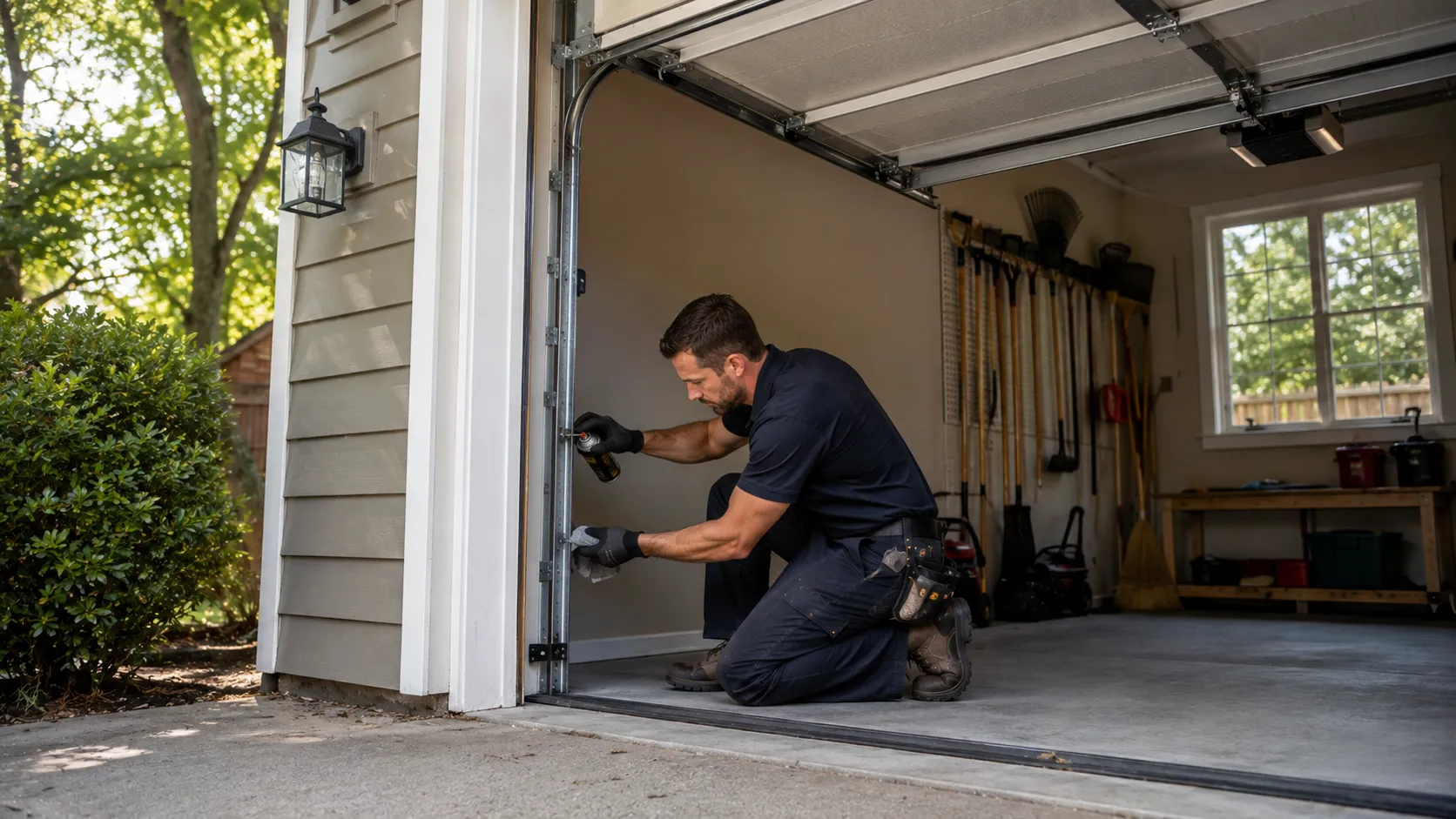
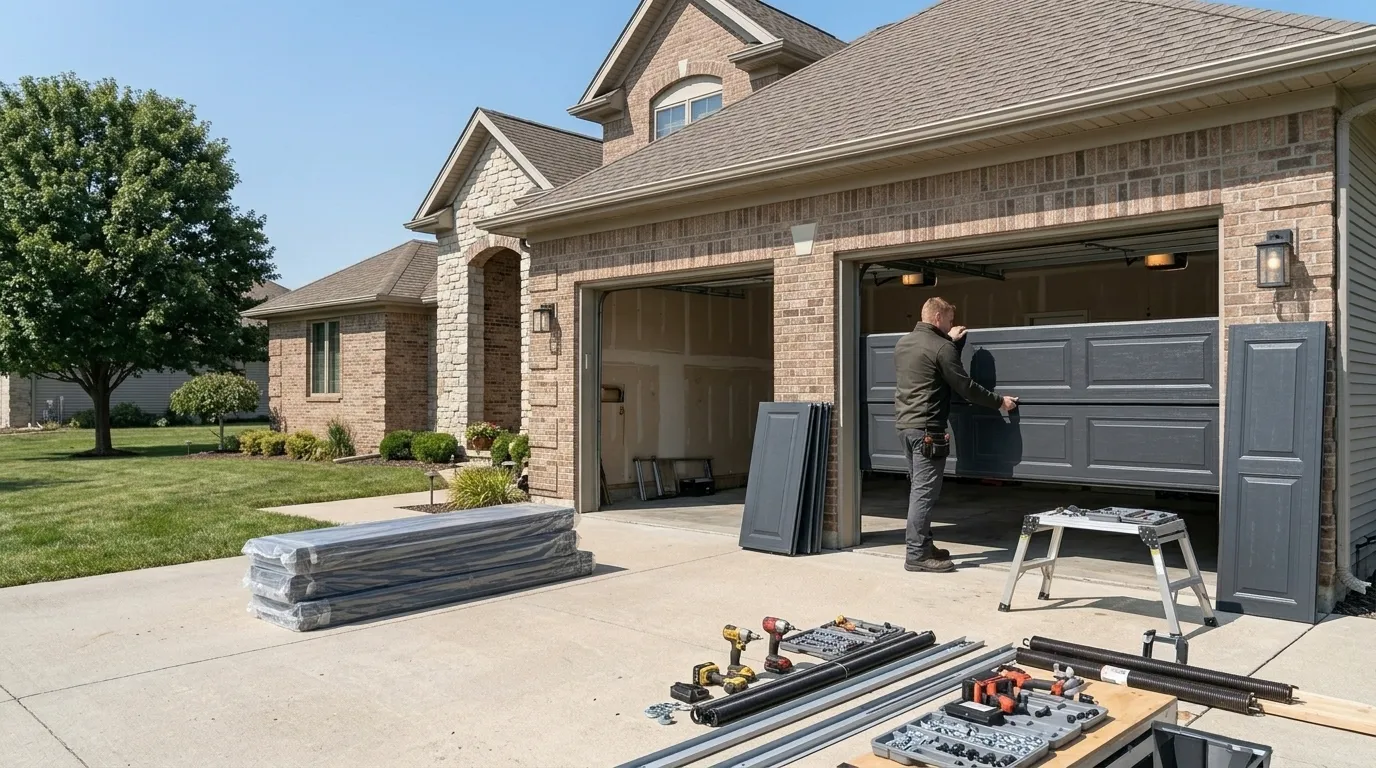
If a matching section exists, the job is a hinge-off, panel-out, panel-in, hinge-back-on process, followed by a full balance check - not just eyeballing that the door closes evenly, but confirming spring tension still matches the door's actual weight with the new section in place. If nothing matches closely enough to look right or seal right, we say so before ordering anything, because a mismatched panel on a door someone's going to look at every day isn't a fix, it's a visible patch. Some sections on discontinued profiles simply aren't available quickly, and that's worth knowing before you commit to a repair date.
Why This Fails Locally
This area sits in a severe cold climate zone, and that changes what a "good enough" panel repair looks like. A gap or a mismatched insulation value between an old panel and a new one isn't just cosmetic here - it's a cold spot that shows up as frost on the inside of the door and a garage that never quite holds heat, which matters if the garage backs onto living space, as it does in a lot of the area's mid-century layouts.
Steel panels from the 1965-era stock that makes up much of this town's housing also corrode differently than newer galvanized stock, especially at the bottom section where road salt splashes up through winter. A single replacement panel bolted next to thirty-plus-year-old steel doesn't stop that corrosion on the rest of the door - it just relocates where the next failure shows up. On a lot of these houses, the honest answer after a panel breaks is that it's the second failure in five years, and at that point a full door swap, not another single-panel repair, is the fix that actually holds.
How it works
From “it’s stuck” to “it’s fixed”
1
Tell us what’s wrong
Describe the symptom - won’t open, loud bang, opener runs but the door won’t move.
2
On-site diagnosis
A technician tests the door under power and by hand and finds what actually failed.
3
Clear, up-front plan
You get the fix that’s needed and what drives the cost - before any work starts.
4
Repaired & tested
The repair is done, the door is set true and tested, and the work area left clean.
Serving Springfield, MA - tell us what your door’s doing and we’ll take it from there.
Straight answers about garage door repair in Springfield. Still unsure? Ask us directly.
Can you match a panel on a door from the 1960s or 70s?
Sometimes. It depends on whether the manufacturer still makes that panel width and hinge spacing. A lot of doors from that era in this area used profiles that have since been discontinued. We check the exact measurements on site before ordering anything, and if there's no real match, we'll tell you instead of installing something that looks off.
Is a single panel repair worth it, or should I replace the whole door?
If the door is a newer model with standard panel sizing, a single-section swap is usually the cheaper, faster call. If it's original to a house built near the town's 1965 median and this is the second panel to fail, a full door often costs less over time than repeated patch repairs on aging steel.
Do you carry panels on the truck for same-day work?
No. Panel replacement almost always requires ordering the exact section once we've confirmed the door's brand and dimensions on site. We come out from Springfield to assess and measure, then schedule the install once the matching panel is in.
Will a new panel affect how the door balances?
It can. A replacement section's weight has to match what the spring was originally set for. We recheck spring tension and roller alignment after any panel swap so the door doesn't end up binding on the track a few months later.