What the Fix Involves
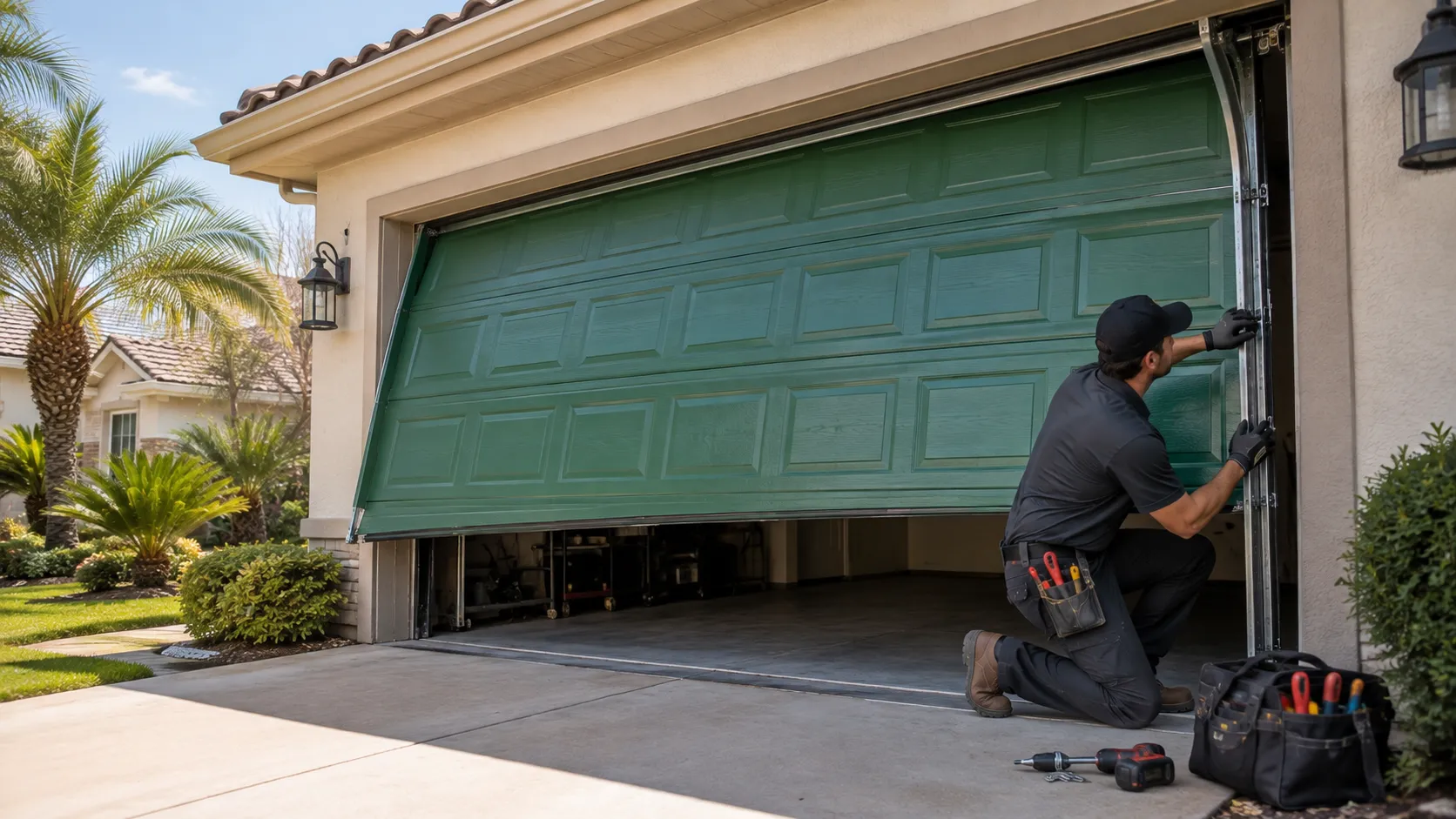
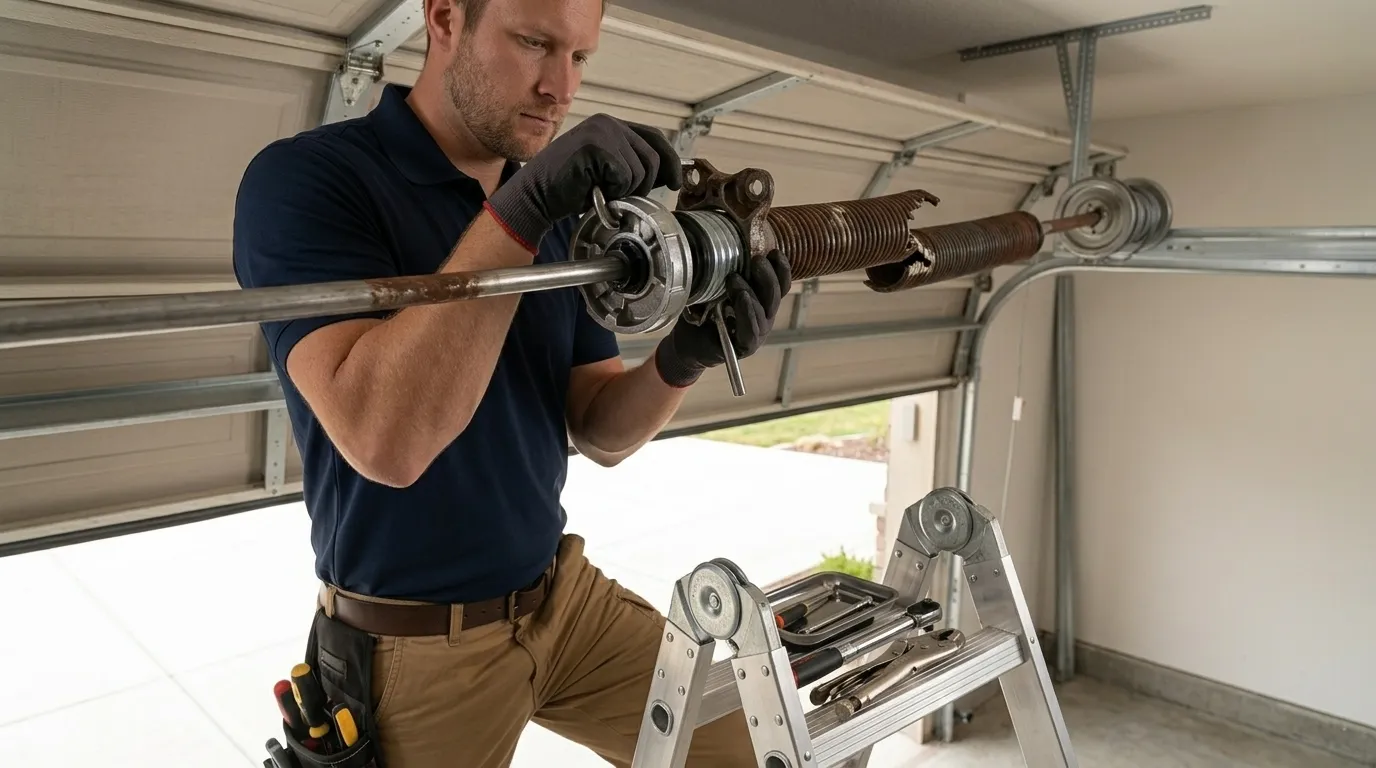
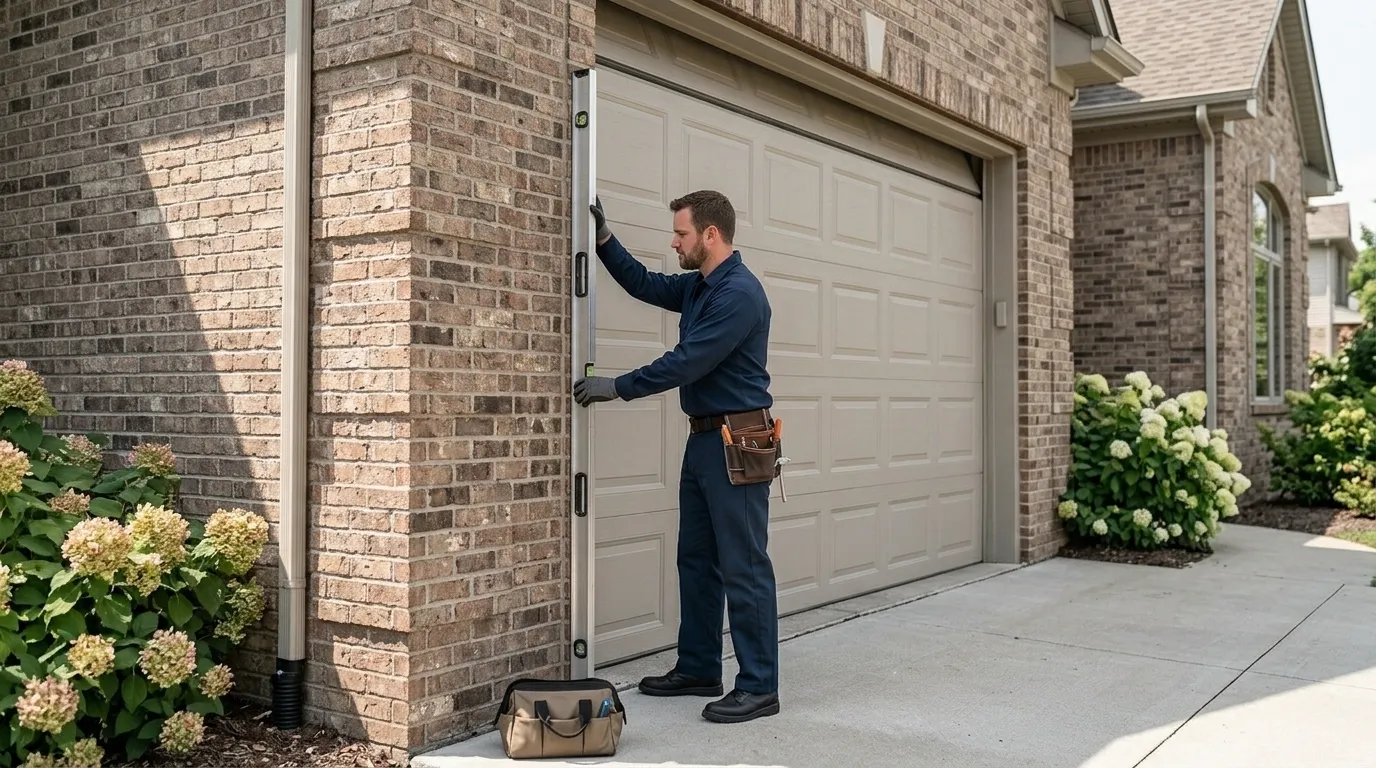
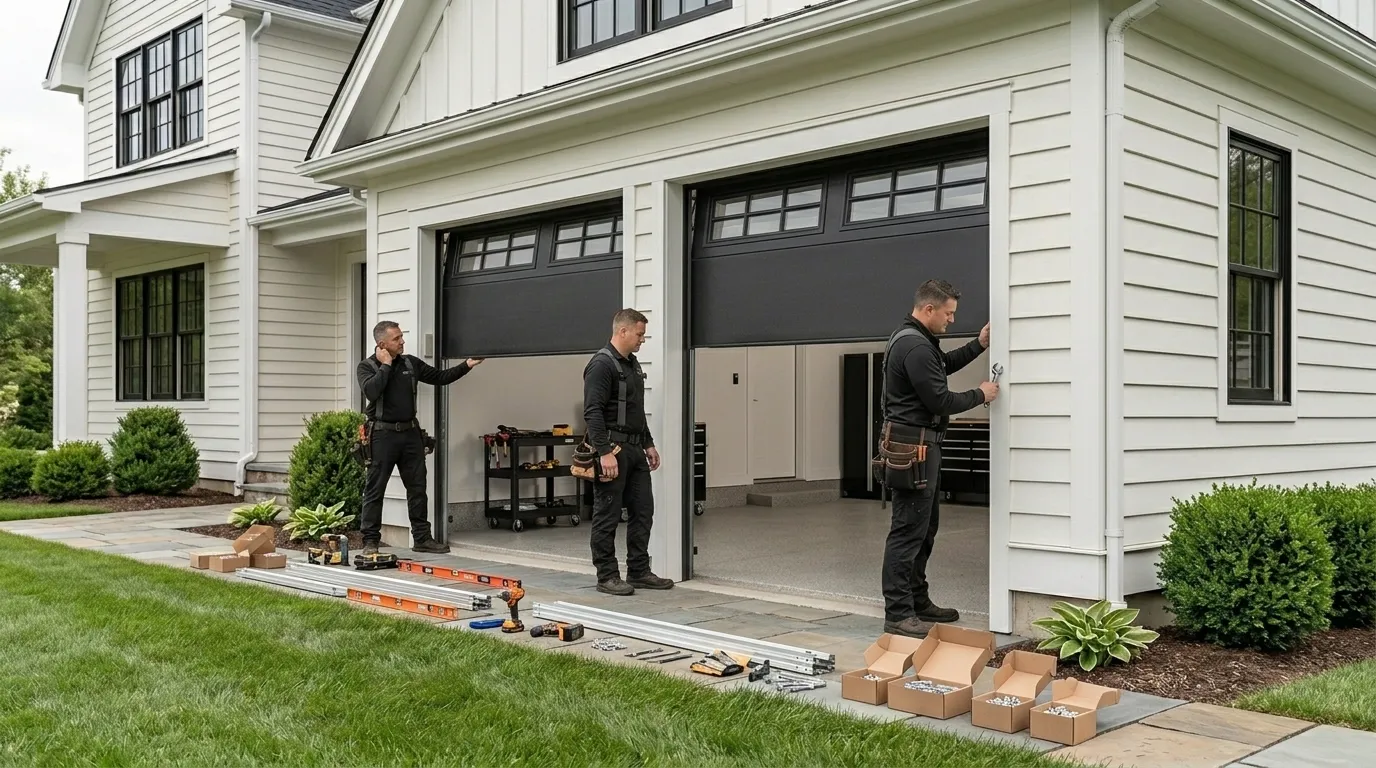
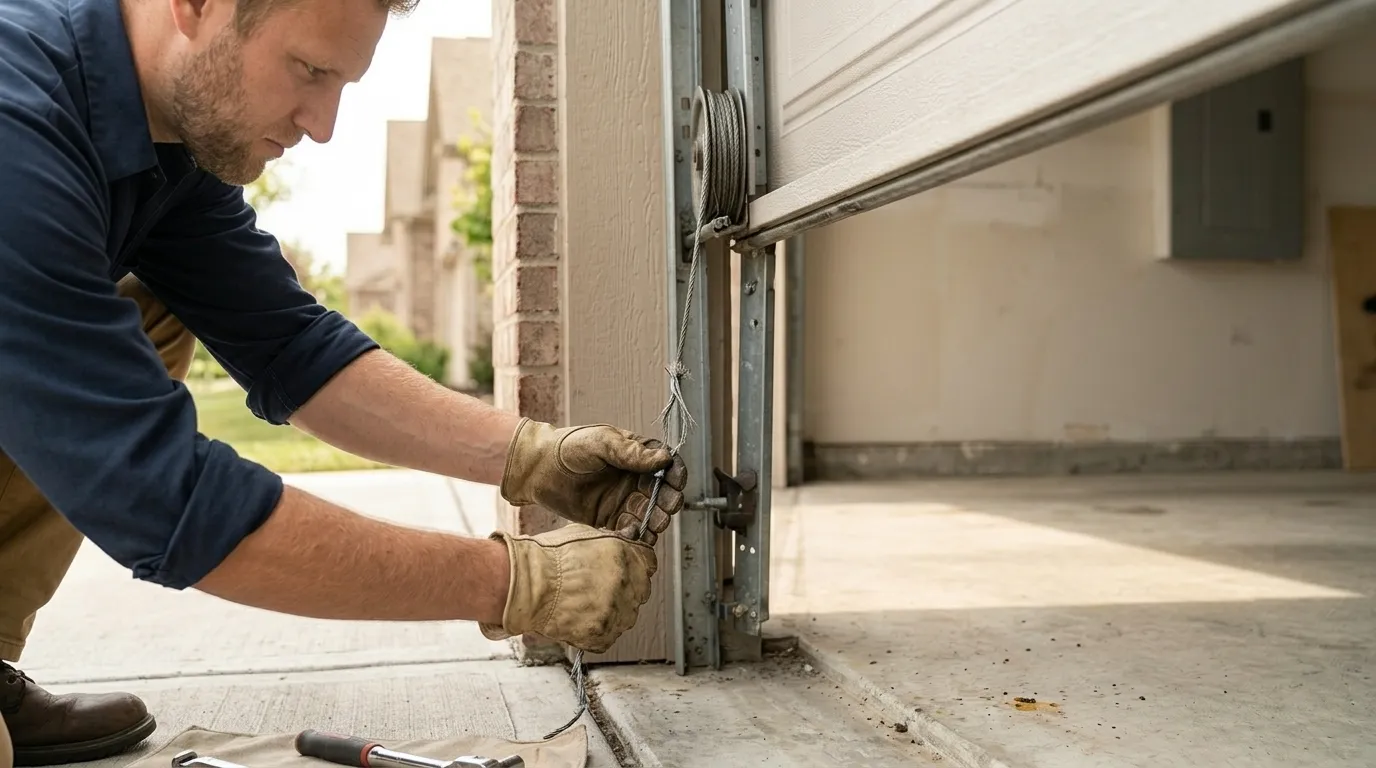
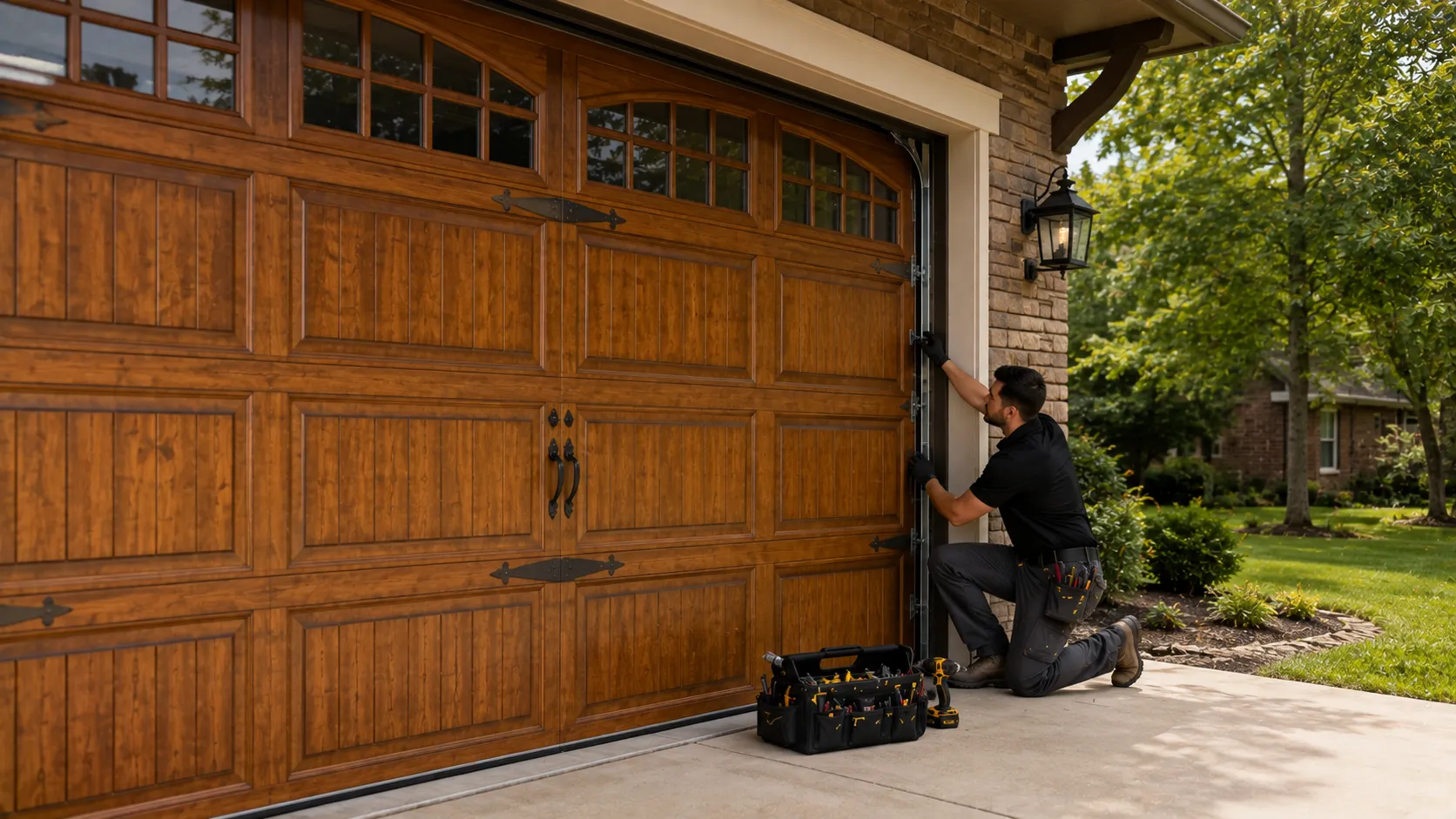
We come out from Springfield, about four miles in, so the first thing we do on site is confirm what era of hardware we're actually working with before opening the truck. For a 1965-built door, that usually means a torsion spring sized for the original door weight, side brackets mounted lower than current code calls for, and a track gauge that doesn't always match what's sold at the box stores. The job is straightforward once we know what we're dealing with: measure the spring wire diameter and wind, pull the worn one under control, set the new spring to the door's actual weight rather than a generic size, and check the track alignment while everything's apart.
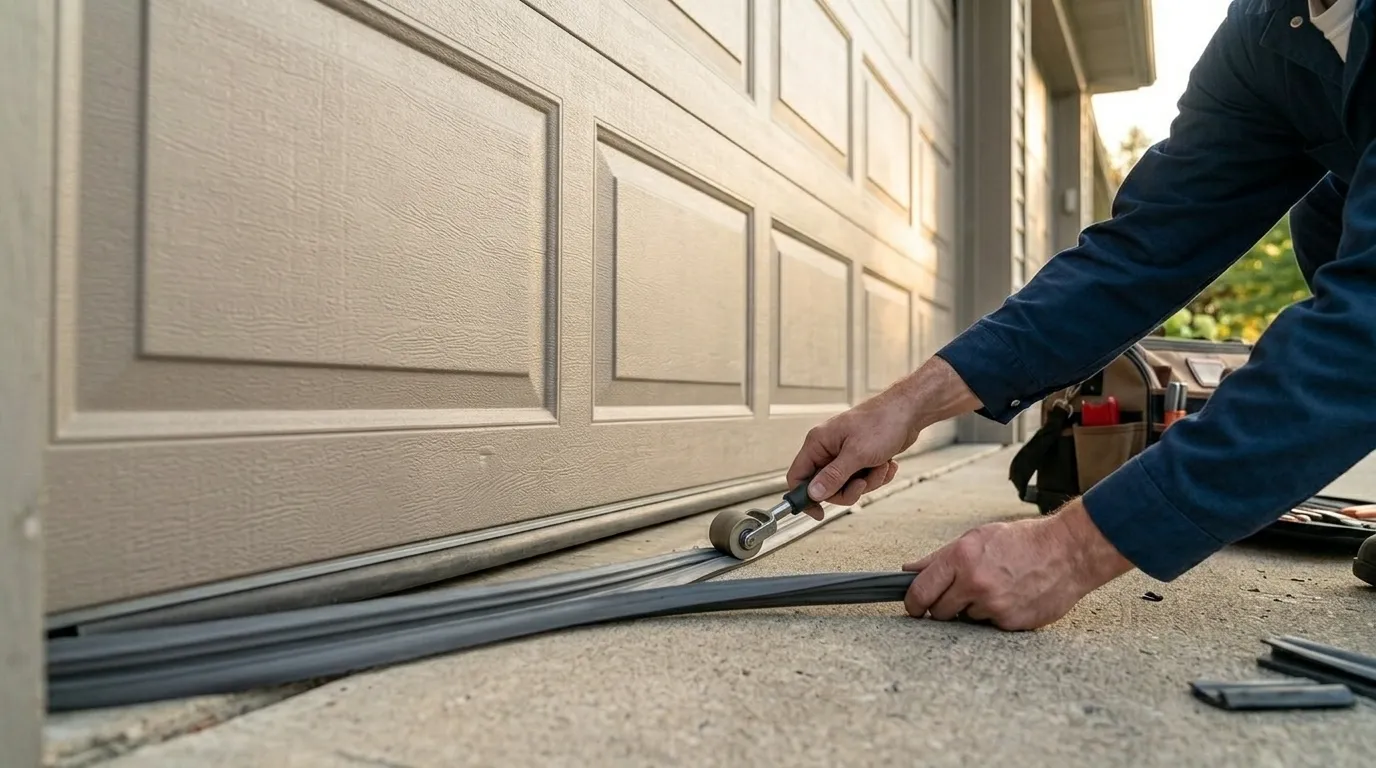
With close to 5,900 households in town and incomes running higher than the surrounding service area, a fair number of these doors have had one previous owner take care of them well - which sometimes means the failure is a first-time spring break rather than years of neglect. That changes the fix. A door that's been maintained just needs the worn part replaced. A door that's been ignored usually needs the rollers, cables, and bottom seal looked at in the same visit, since one worn part on hardware this old tends to be a sign the others aren't far behind.
What Can Go Wrong
The most common misstep on a house this age is replacing a torsion spring with a stock size instead of matching it to the original door weight - the door lifts, but unevenly, and the new spring wears out fast because it's fighting the wrong load. We see this on 1965-era doors more than newer ones because the original hardware specs aren't printed anywhere obvious and a rushed job guesses instead of measuring.
Extension spring conversions are another one. Some houses in this build era were retrofitted at some point from torsion to extension springs, usually to save money, and that setup doesn't hold up the same way under a heavier insulated door if one was added later. If we find that combination, we say so before doing anything, because swapping one worn extension spring for another just repeats the same short lifespan.
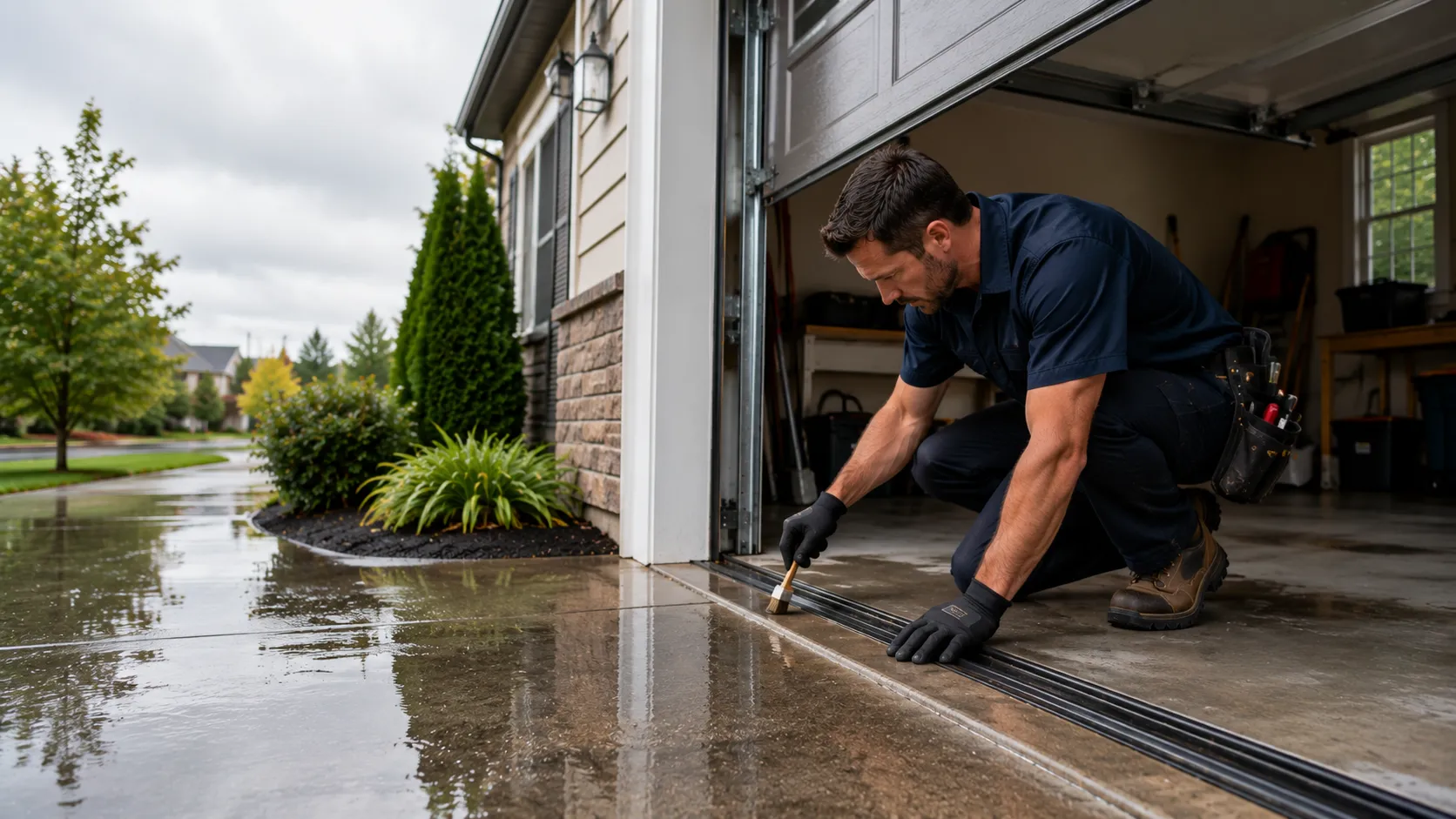
Corrosion on the track brackets is the third one. Wilbraham, Longmeadow sit around the same distance from Springfield and share the same cold-climate exposure, and metal hardware from the mid-60s that hasn't been swapped out yet is more prone to rust at the mounting bolts than anything installed in the last fifteen years. We check those bolts before we call a repair finished.