What the Fix Involves
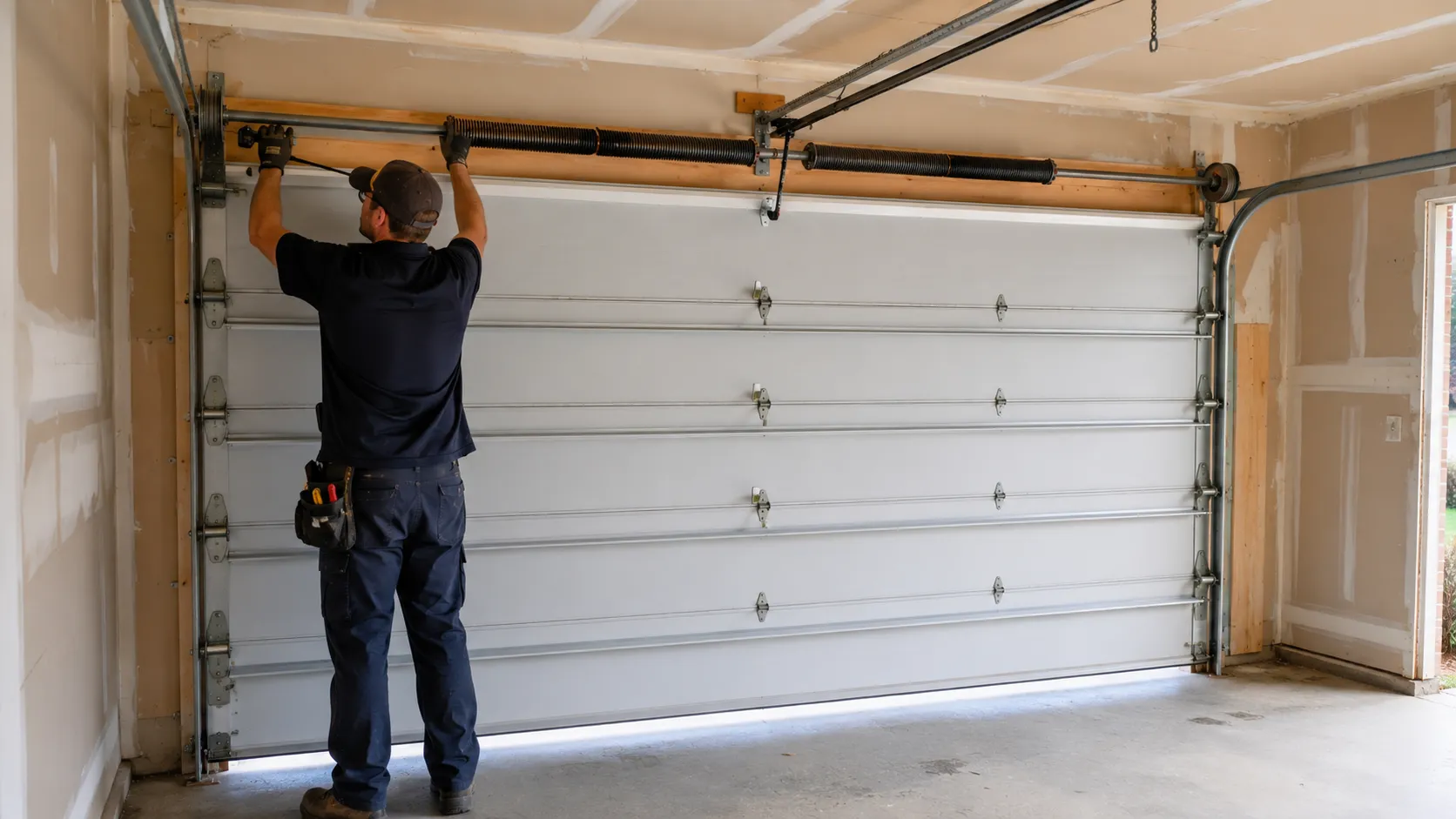
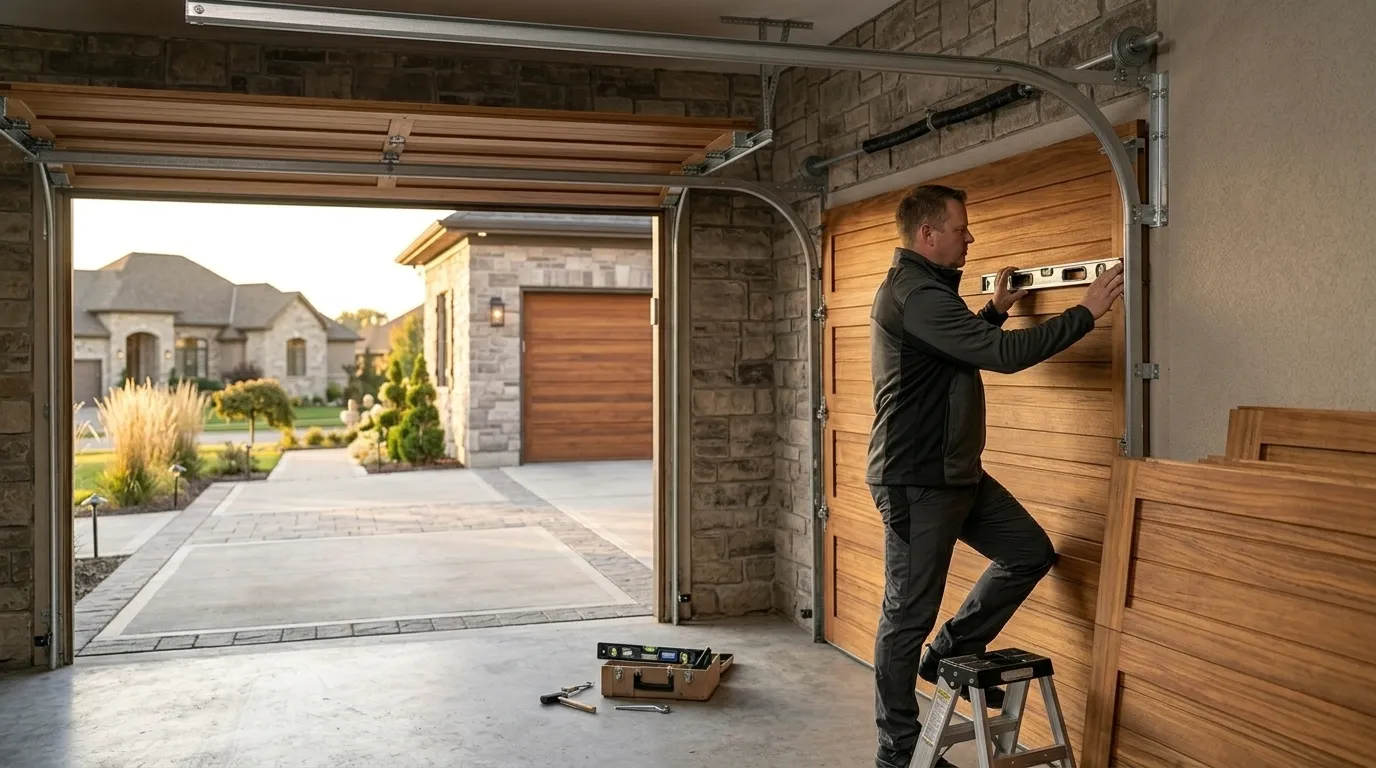
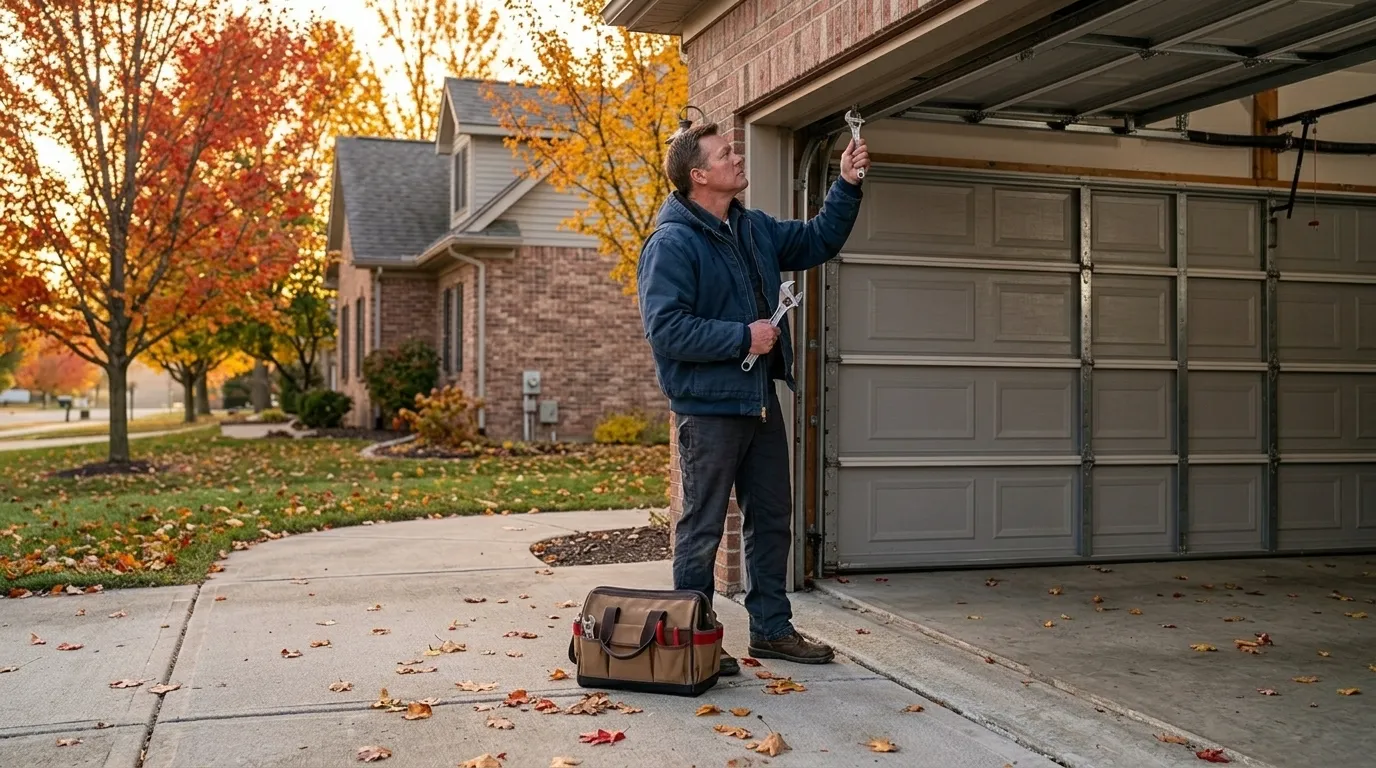
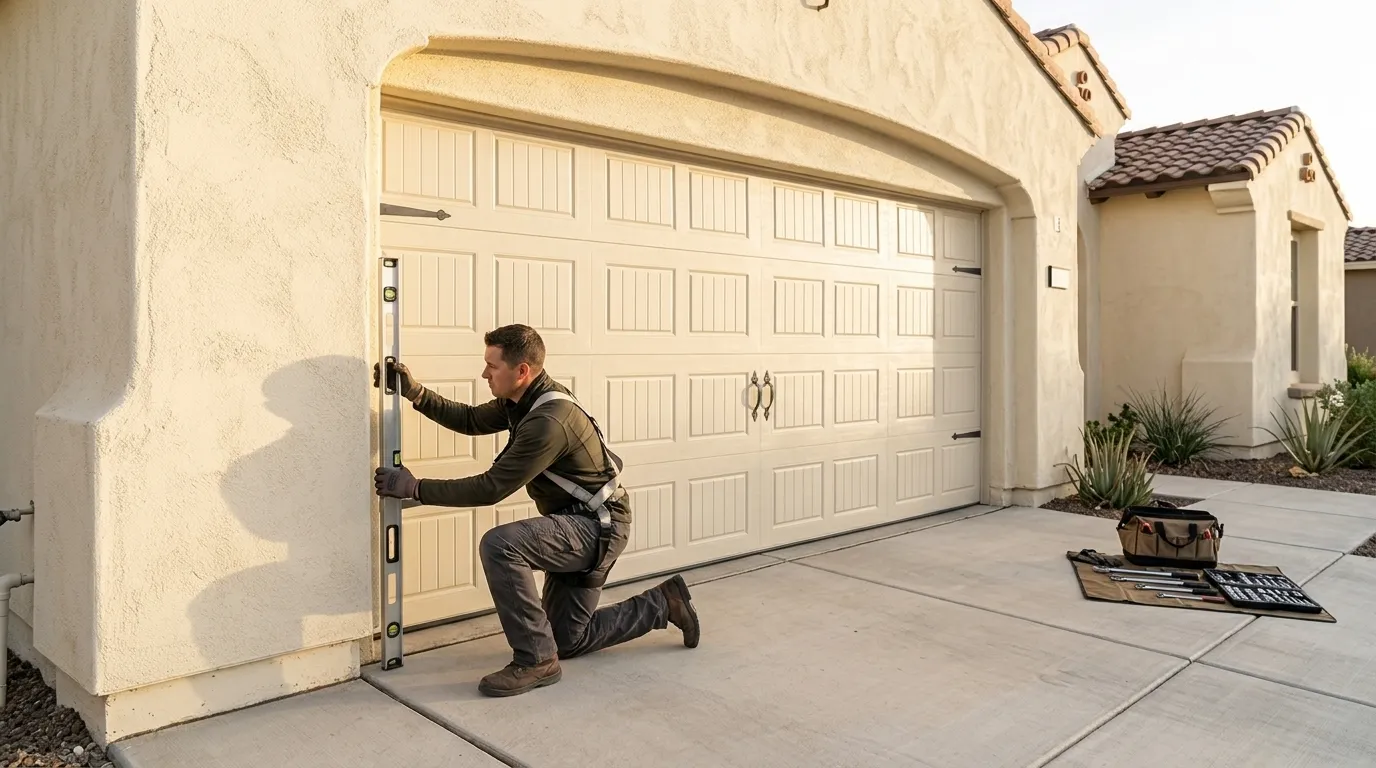
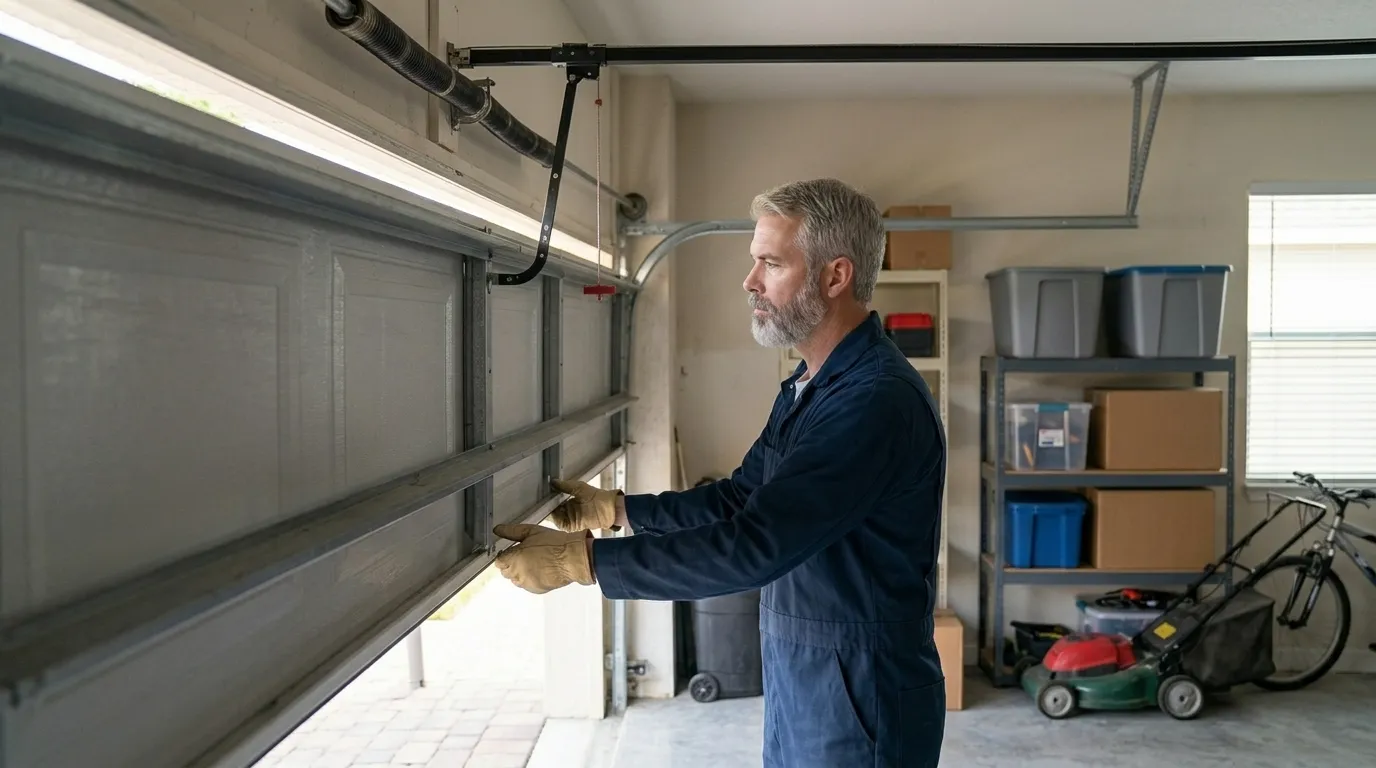
A proper install starts with the header above the door, not the opener box. Houses built around 1965 often have headroom and framing that predate the specs modern openers assume, so we check clearance and mounting before anything gets bolted up. From there it's the usual sequence: mount the rail, set the travel limits, match the force settings to the actual weight of the door (not a generic setting), and wire in a wall control and safety sensors that meet current code, since older installs in this area often predate photo-eye requirements entirely. We also program remotes and, where the homeowner wants it, a keypad or phone app. Cold-weather performance gets extra attention here. This area sits in a severe cold climate band, and openers that aren't rated or adjusted for it bind up on freezing mornings - the belt or chain tensions wrong, the force settings that worked in October suddenly slam the door in January. We set force and travel with winter in mind, not just the day of install. One limitation worth saying plainly: if the door itself is warped, off-track, or the springs are shot, a new opener won't fix any of that, and we'll tell you before we sell you a motor.
What Can Go Wrong
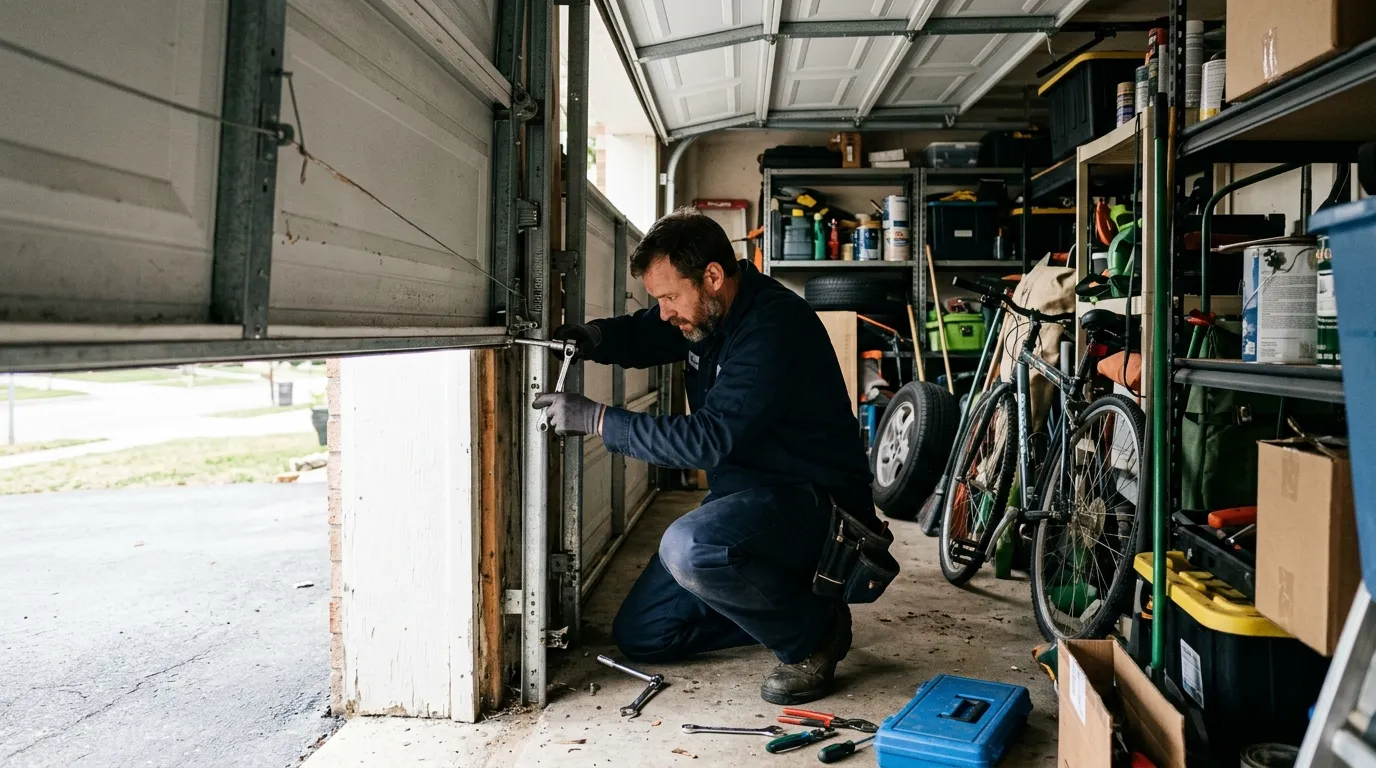
The most common surprise on these jobs is hardware mismatch. A house from the mid-1960s may have had its door replaced once or twice over the decades, and each swap sometimes left mounting brackets, header supports, or wiring from a different era bolted in alongside newer parts. We've opened housings expecting a clean install and found a support bracket doing a job it was never sized for. Second issue: garages in this size and age range sometimes have less depth or headroom than current opener kits assume, especially with jackshaft or low-headroom units - measuring wrong here means a return trip. Third, and specific to a severe cold climate, is battery backup. A dead opener during a winter power outage means a car stuck behind a door that won't lift by hand easily if the spring tension is off. We flag that option rather than assume every homeowner wants it, but we bring it up because outages here aren't rare in a genuinely cold winter, not a mild one.