What the Fix Involves
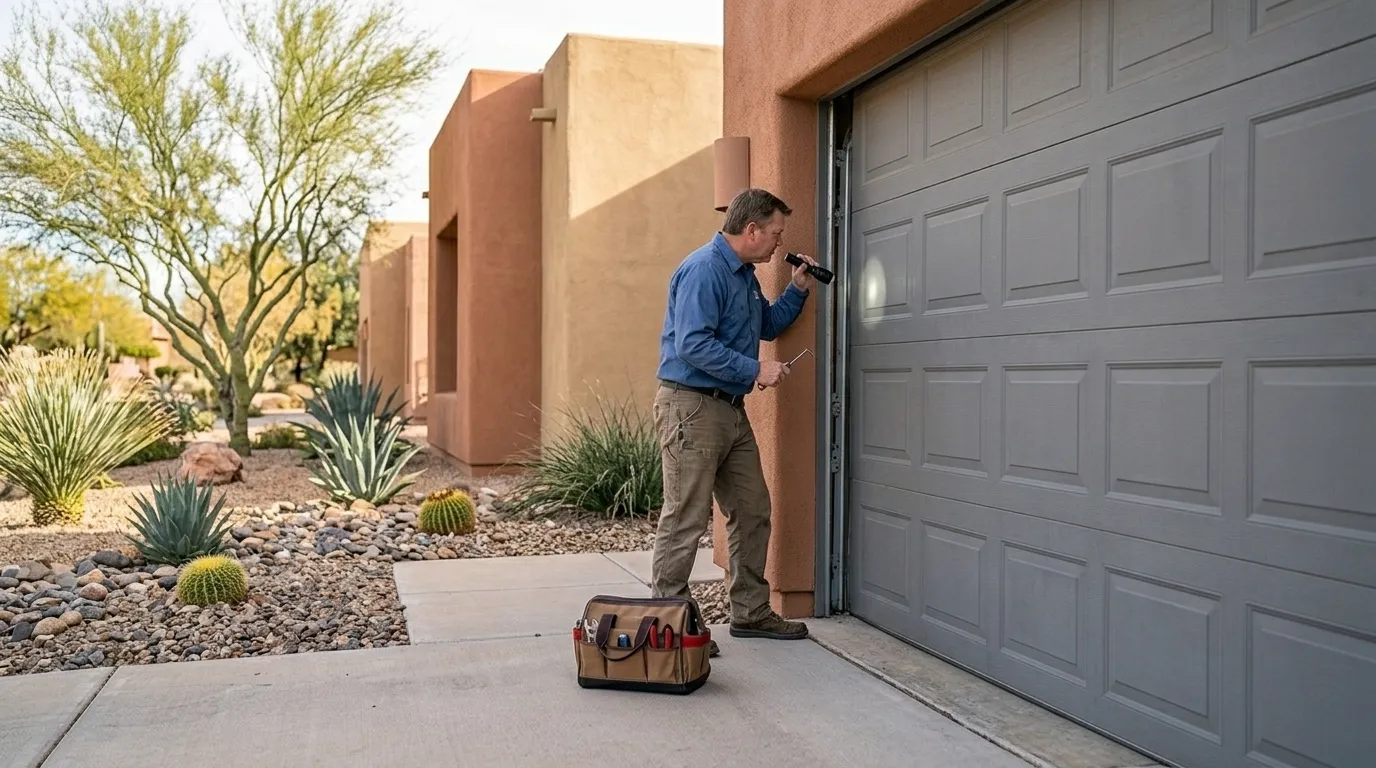
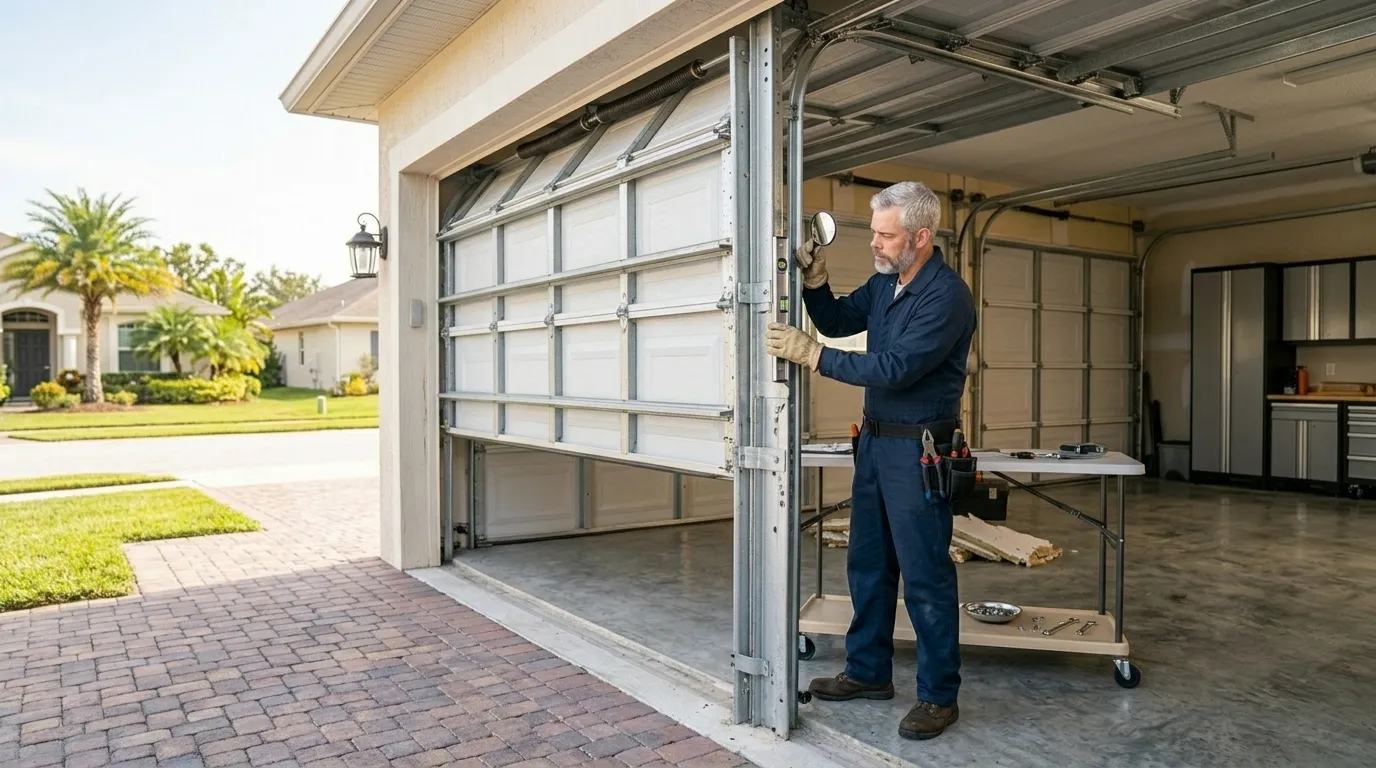
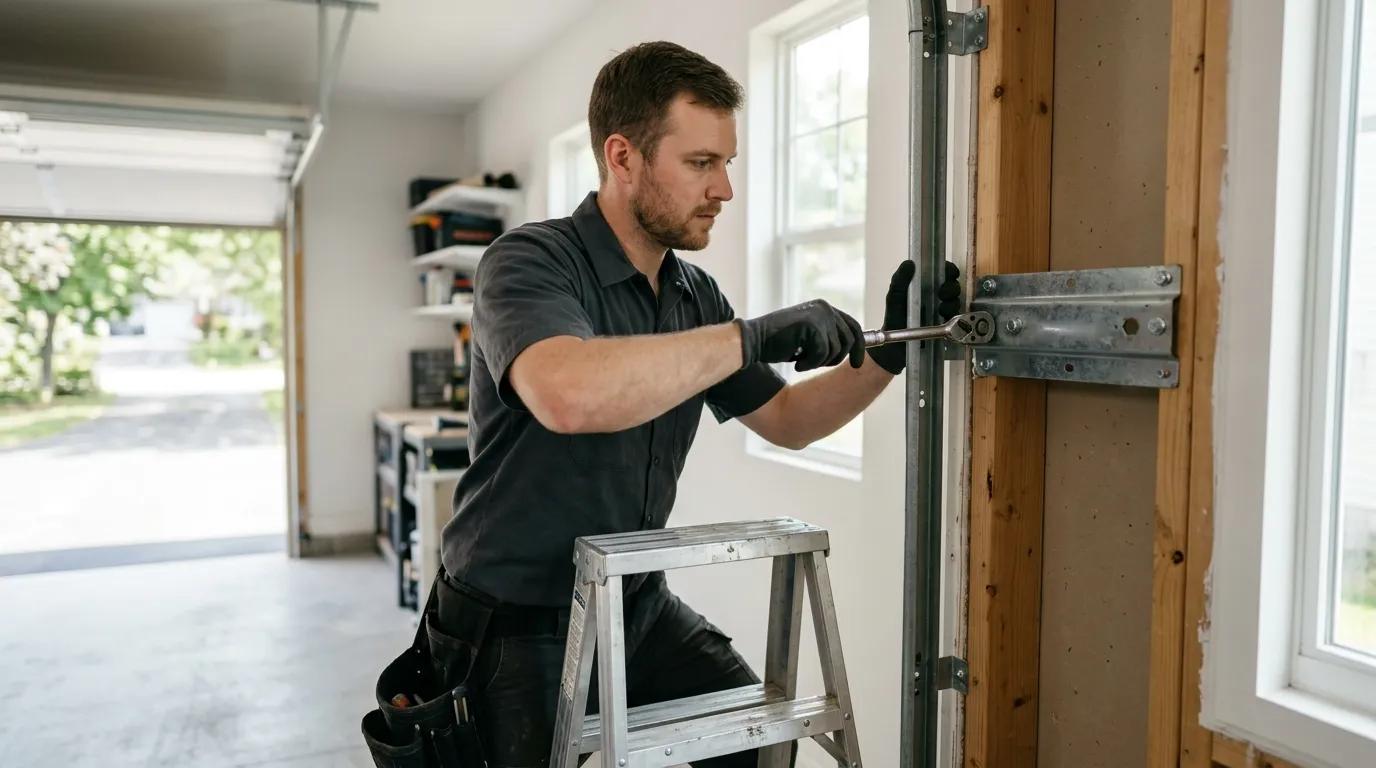
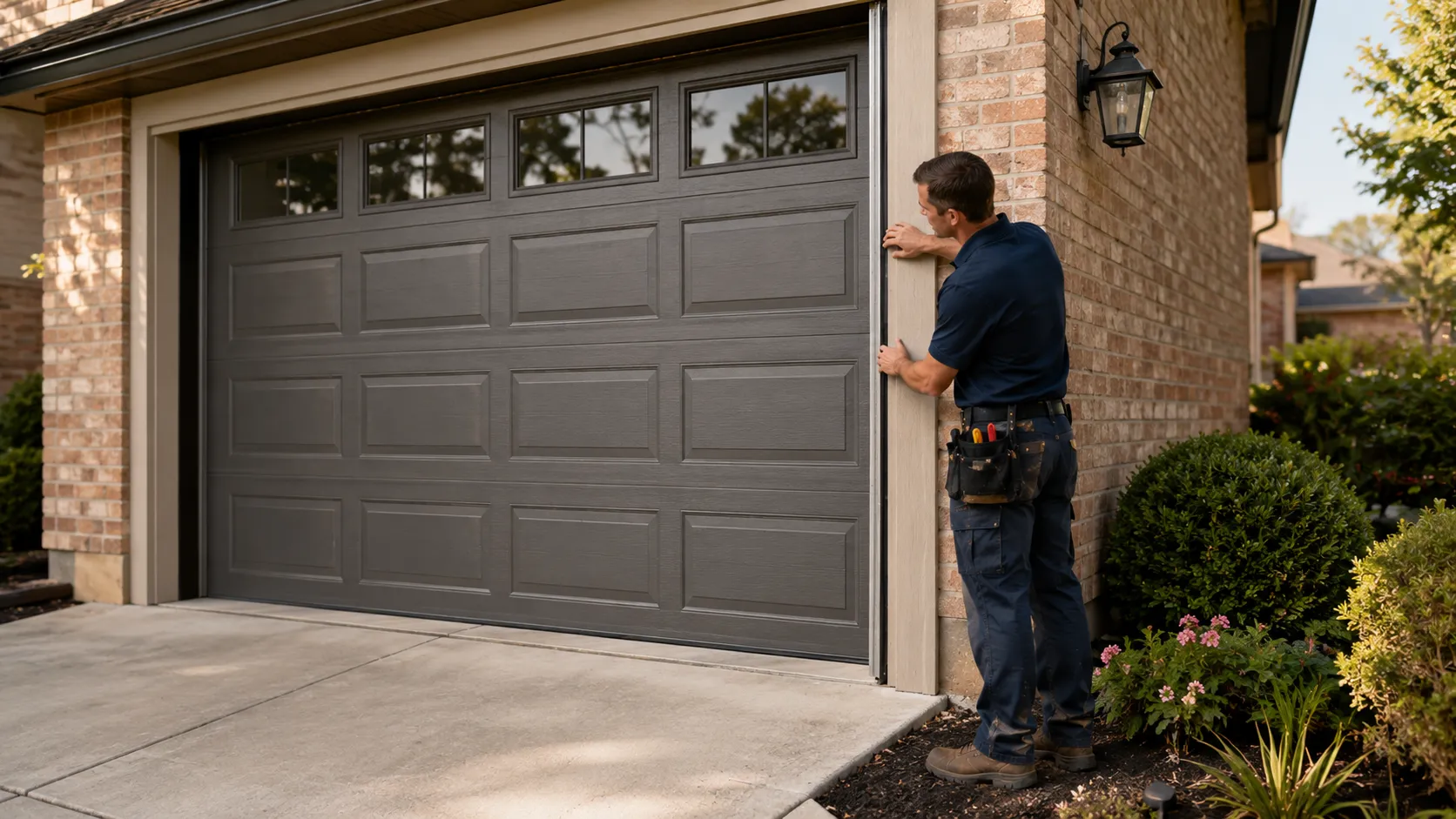
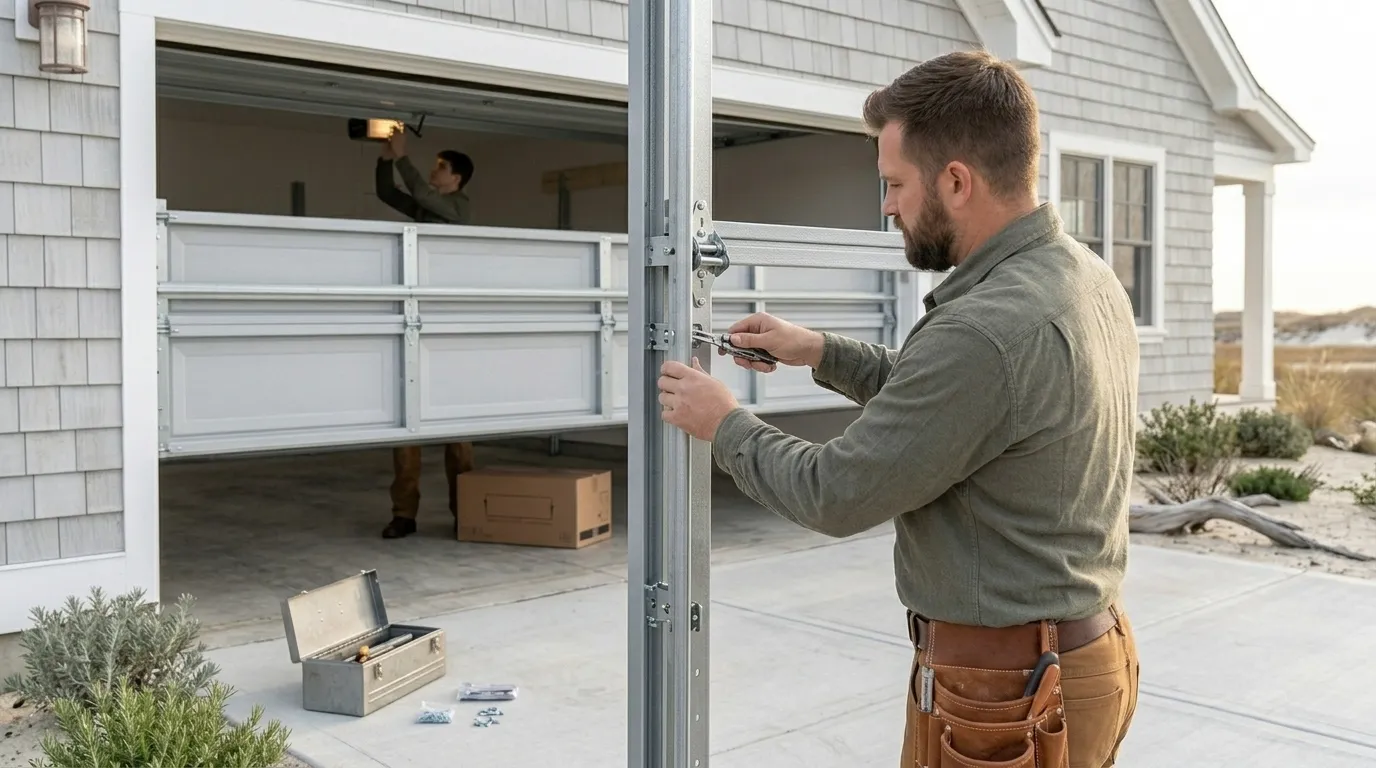
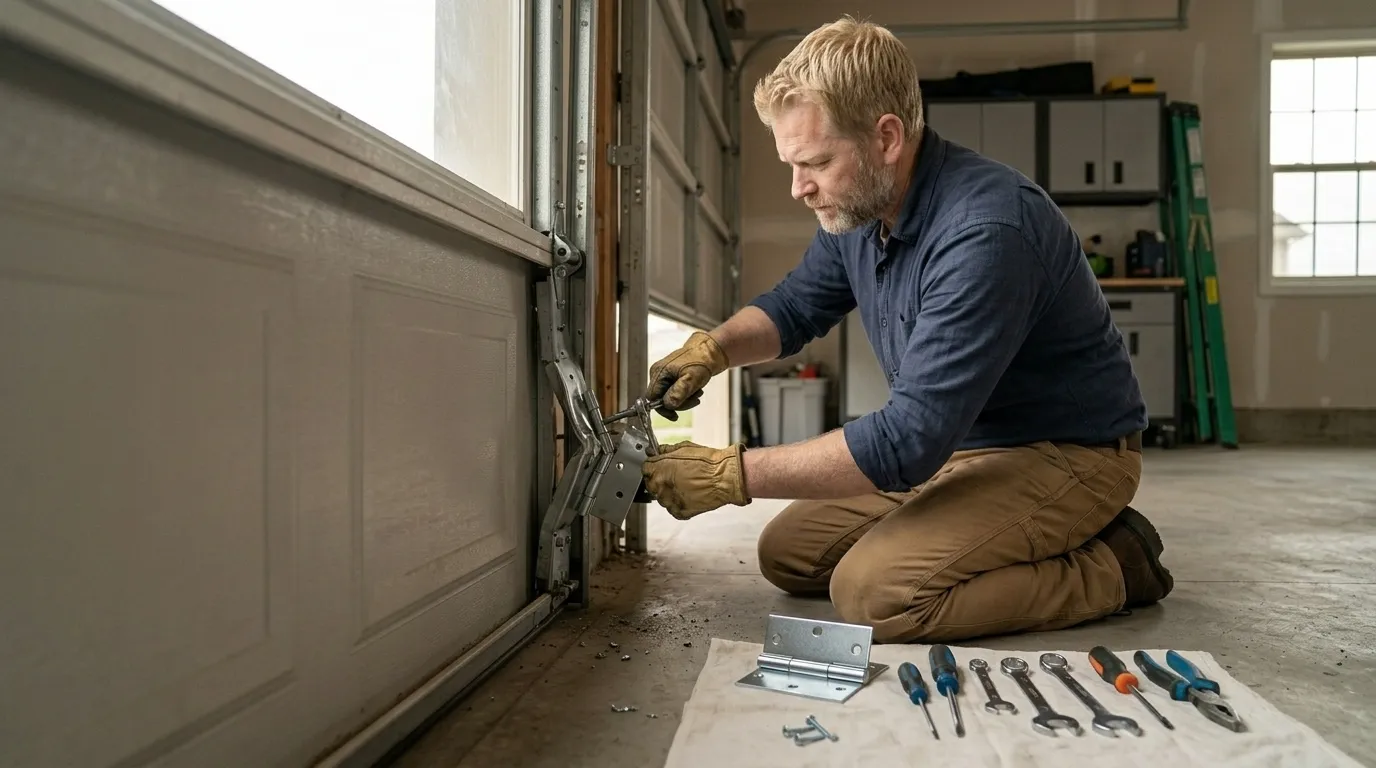
On a house from this era we start by checking the opening itself - width, height, and square - before we talk about door material or insulation value. A lot of 1960s framing in this town is close but not exact, and a new door installed without correcting that will bind on one side within a year. Once the opening's confirmed, the job is track, springs sized to the actual door weight (not the old one's), and hardware rated for the winters here. Springfield's service area sits in a cold, severe climate band, and East Longmeadow gets the same air masses - that means we spec weatherstripping and bottom seals that hold up to real freeze-thaw cycling, not the economy strip that's fine in a milder state. We travel from our Springfield location for every East Longmeadow job; there's no local branch, so we schedule the visit and bring what the opening needs based on what we find, not a generic kit. Where the original jamb is solid, this is a clean one-day swap. Where it's shifted, we tell you before we start, not after.
What Can Go Wrong
The most common surprise on a house built around 1965 is discovering the header above the opening isn't load-rated for a heavier insulated door - builders of that era framed for whatever door shipped standard, not for anything thicker. Swapping in a modern door without checking that first can mean sag at the header within a couple of seasons. Another: original openings in this town's housing stock are sometimes an inch or two off standard sizing, which means stock doors need trimming or a custom order, and custom orders take longer to arrive than the installer's schedule you were quoted. We'll be honest about a limitation here: if your opening needs structural work beyond the door and track - a header repair, jamb rebuild - that's carpentry, and we don't do that part ourselves. We'll tell you plainly if that's what's needed rather than install a door on a frame that isn't ready for it.