Can You Do This Yourself
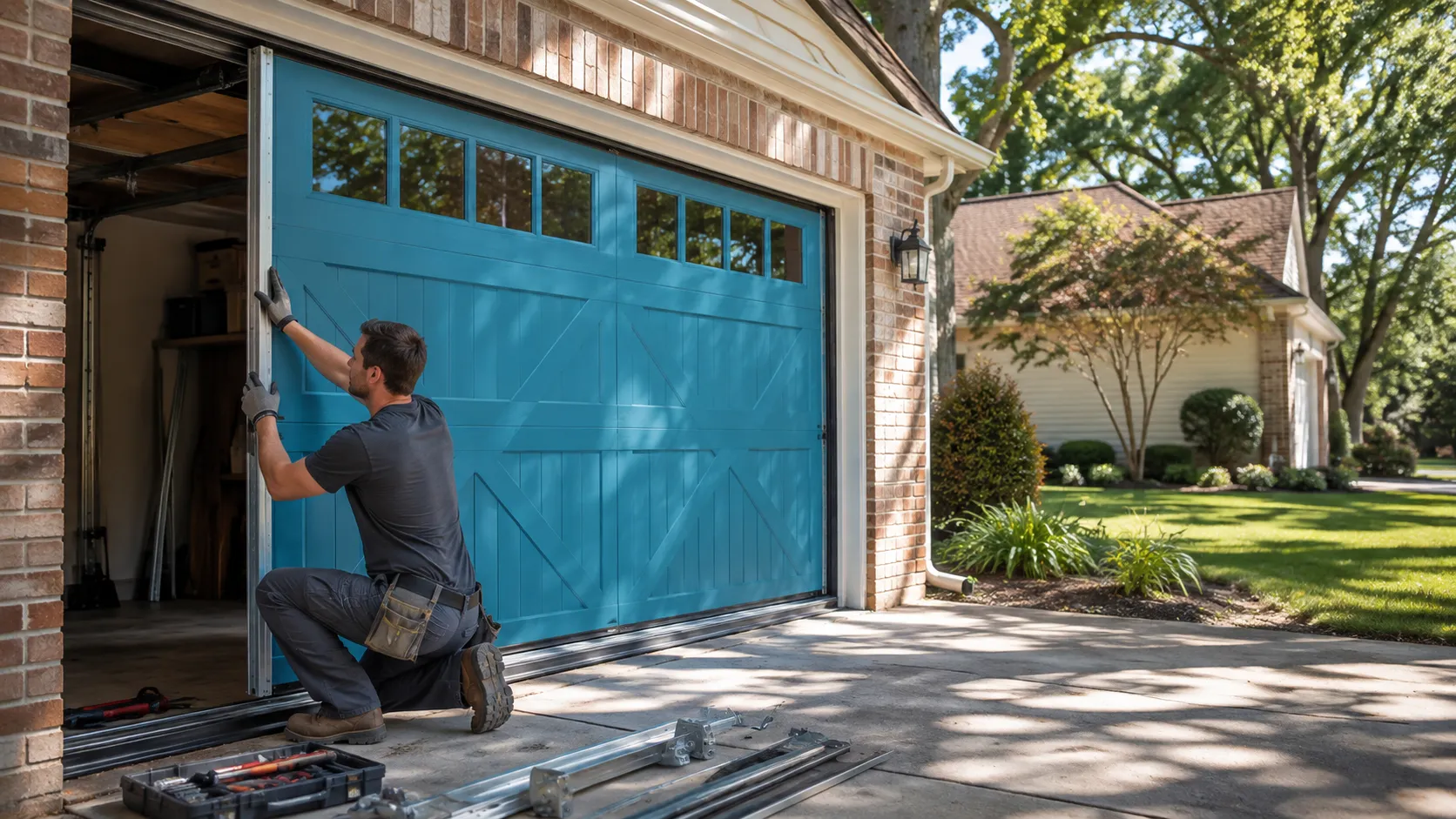
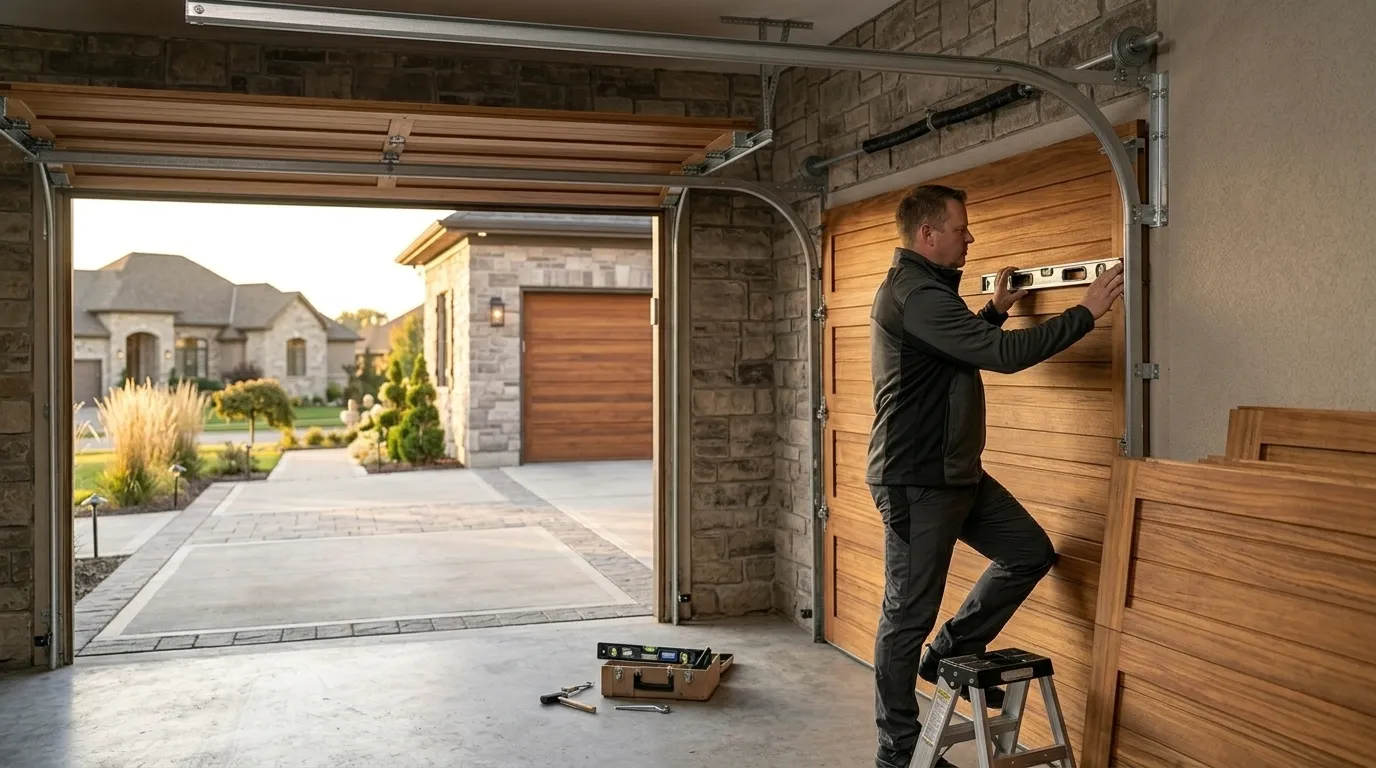
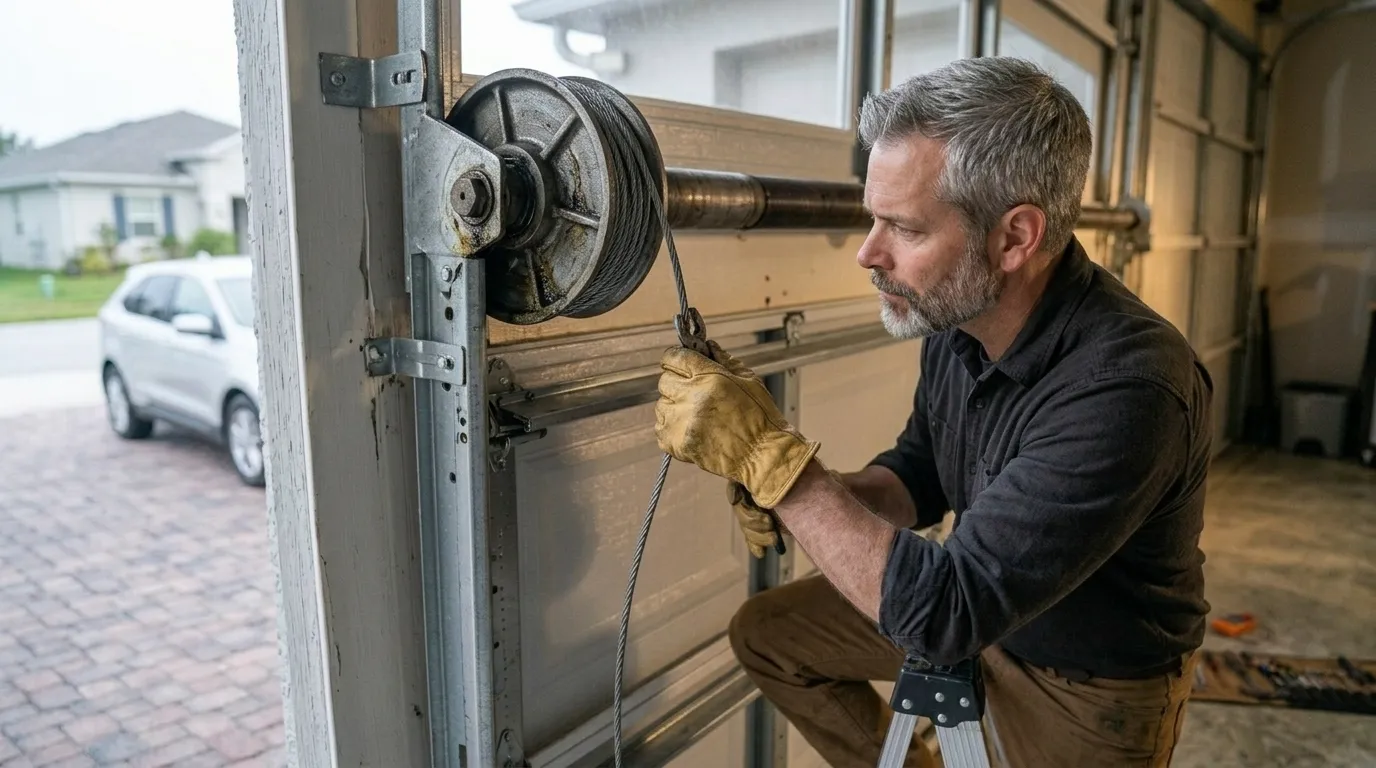
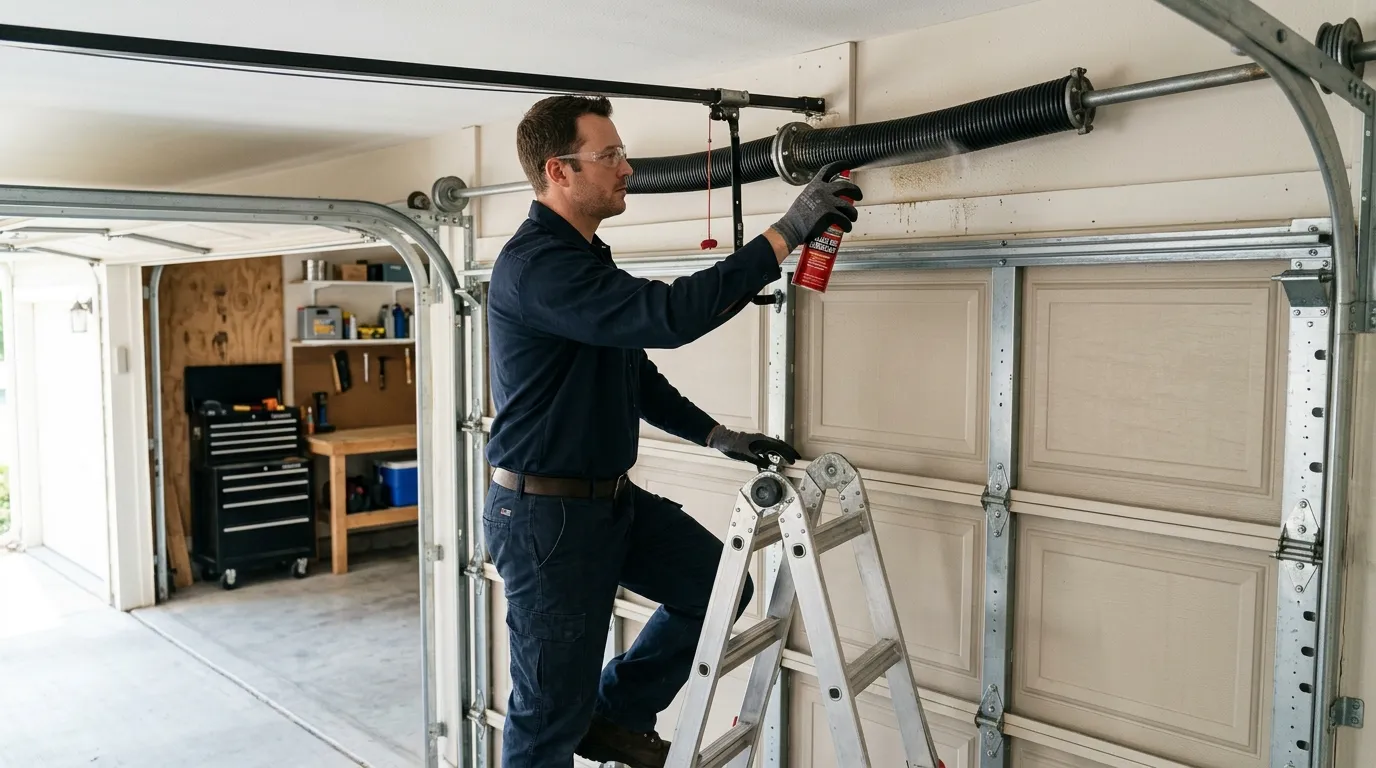
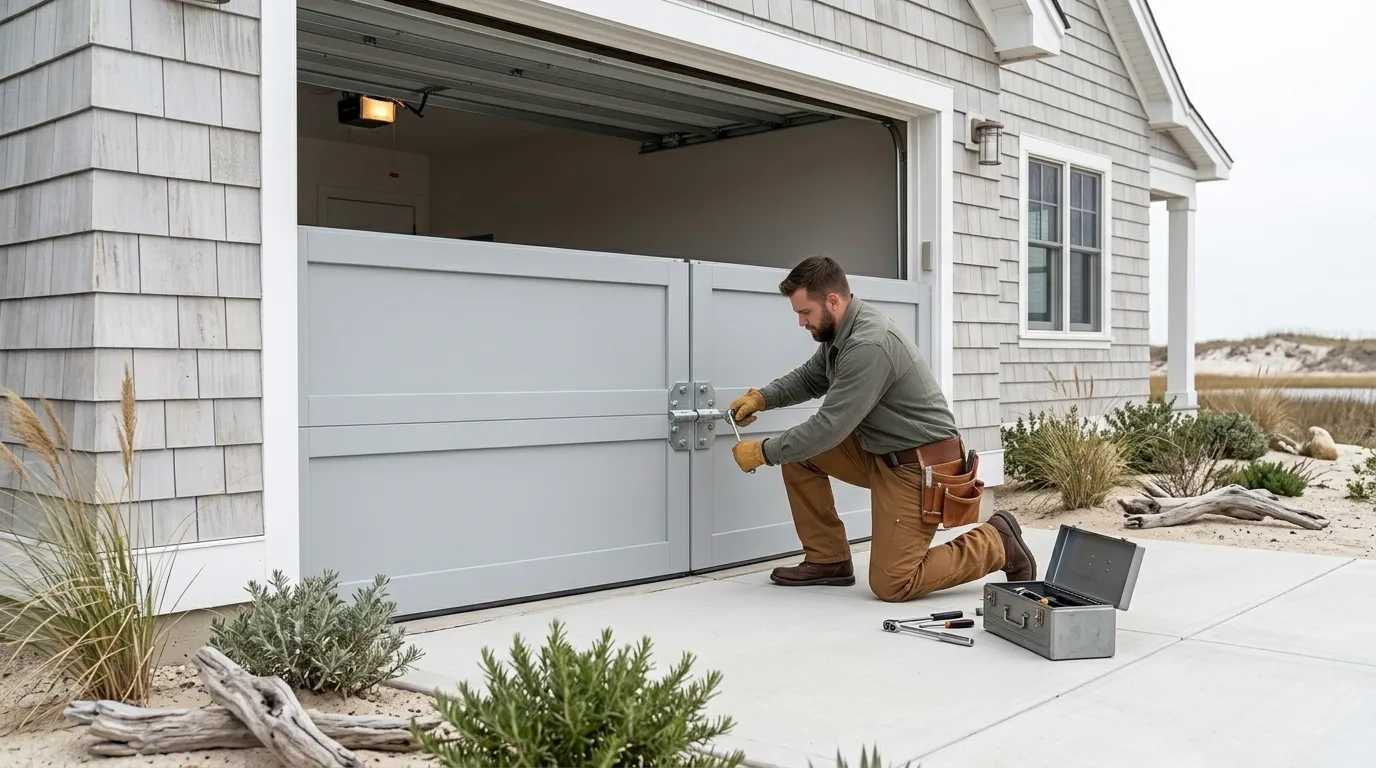
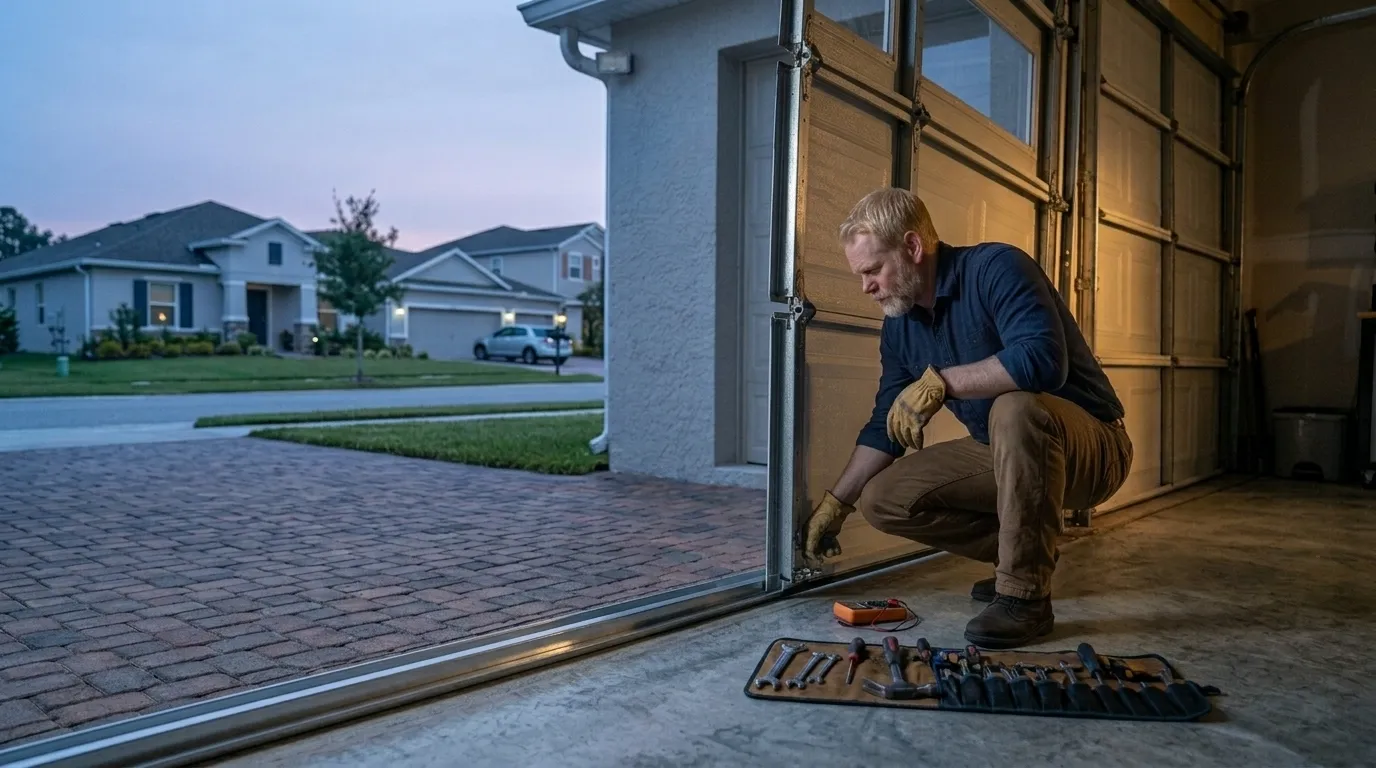
If you're comfortable with a socket set and you've done panel work before, swapping a single bottom panel that isn't load-bearing hardware is within reach for a patient homeowner. What isn't: doors where the damaged panel carries a hinge for the opener arm, or where the track has bowed from the impact - pull that panel wrong and the whole section can come off the rollers while you're holding it. Torsion spring tension stays locked in the shaft regardless of which panel you're touching, so panel swaps don't usually require touching the spring, but on older doors from the 1960s-70s stock common out here, the hinge bolts are often rusted enough that stripping them is the real risk, not the panel itself. Our honest limitation: we don't stock every panel profile for every manufacturer that built doors in this era, and matching an exact discontinued panel sometimes means a lead time we can't shorten. If your panel is a common width, we usually have it or can get it fast. If it's an oddball import from a builder that closed decades ago, we'll tell you that up front instead of promising a match we can't deliver.
The Cost of This Job
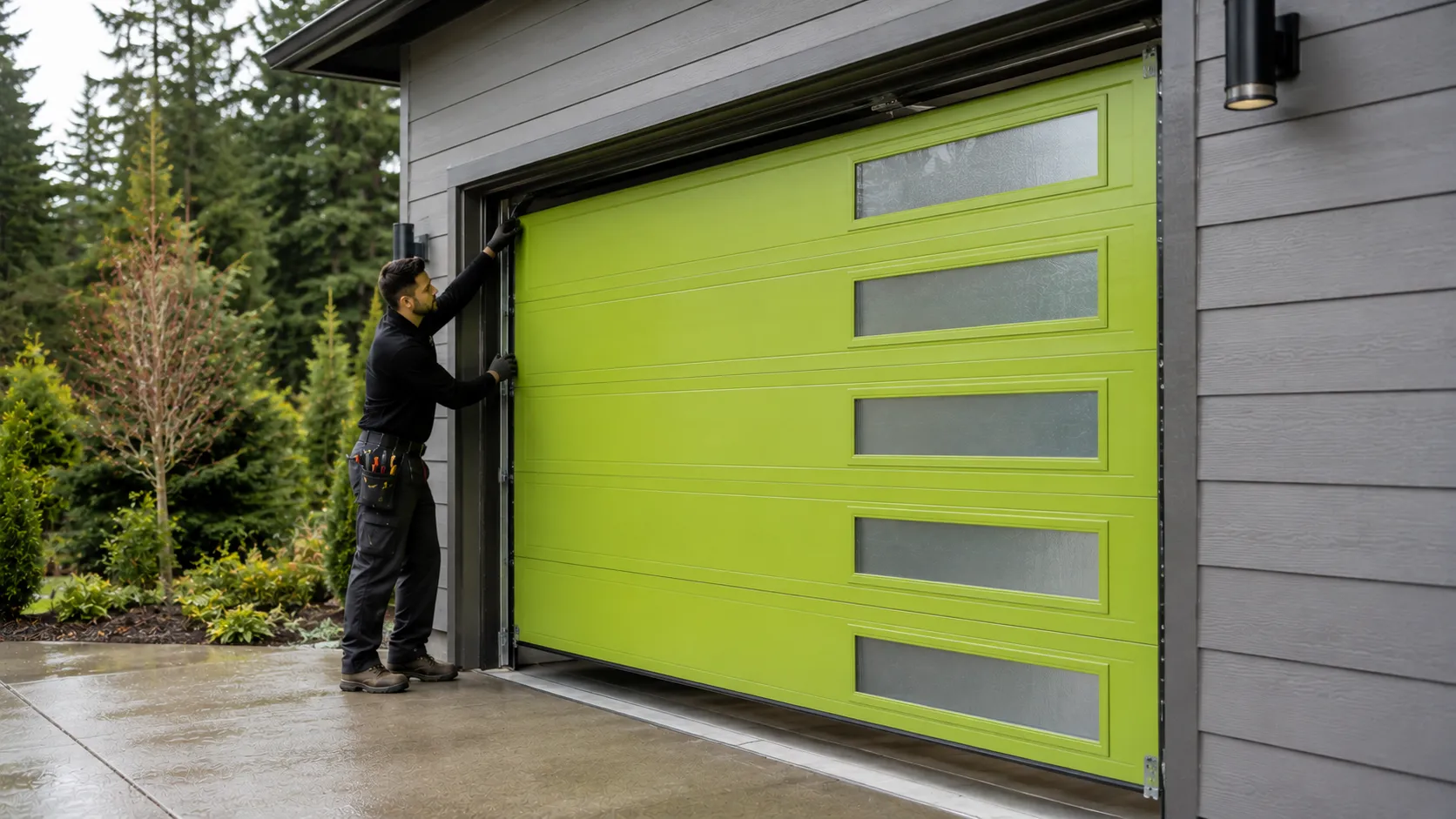
We don't quote panel replacement over the phone sight unseen, because the price swings on how many panels are damaged, whether the track or hinge hardware went with it, and whether the door still carries any insulation worth matching. What we can tell you is that median household income in Westfield runs $82,847, a bit under the wider service area's $93,808, and we price the job the same regardless of which town it's in - the travel from Springfield doesn't change what a panel costs, it just means we schedule the visit rather than showing up same-day from around the corner. A single panel swap on a common sectional door is a smaller job than most homeowners expect; a full multi-panel replacement starts creeping toward the cost of just replacing the door. We'll tell you which side of that line your job falls on before we start, not after.