Can You Do This Yourself
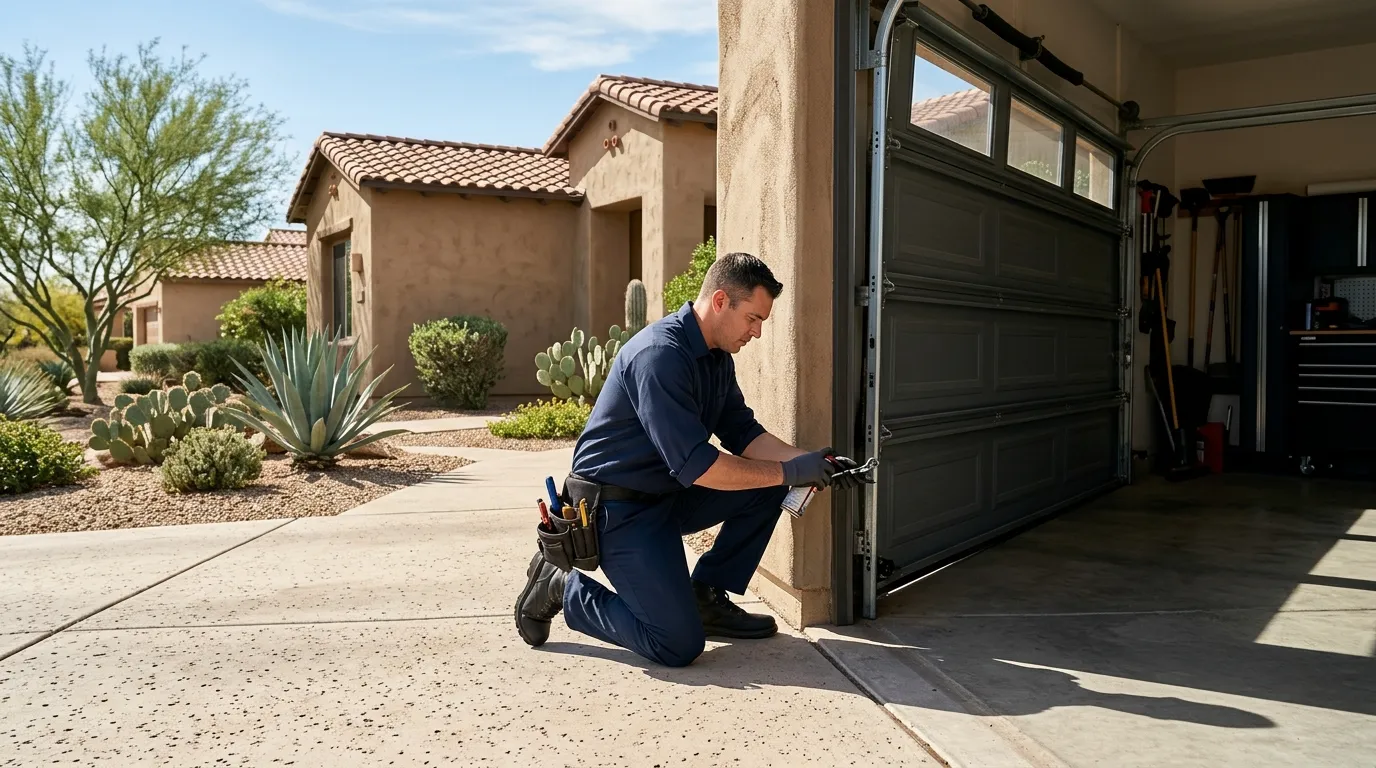
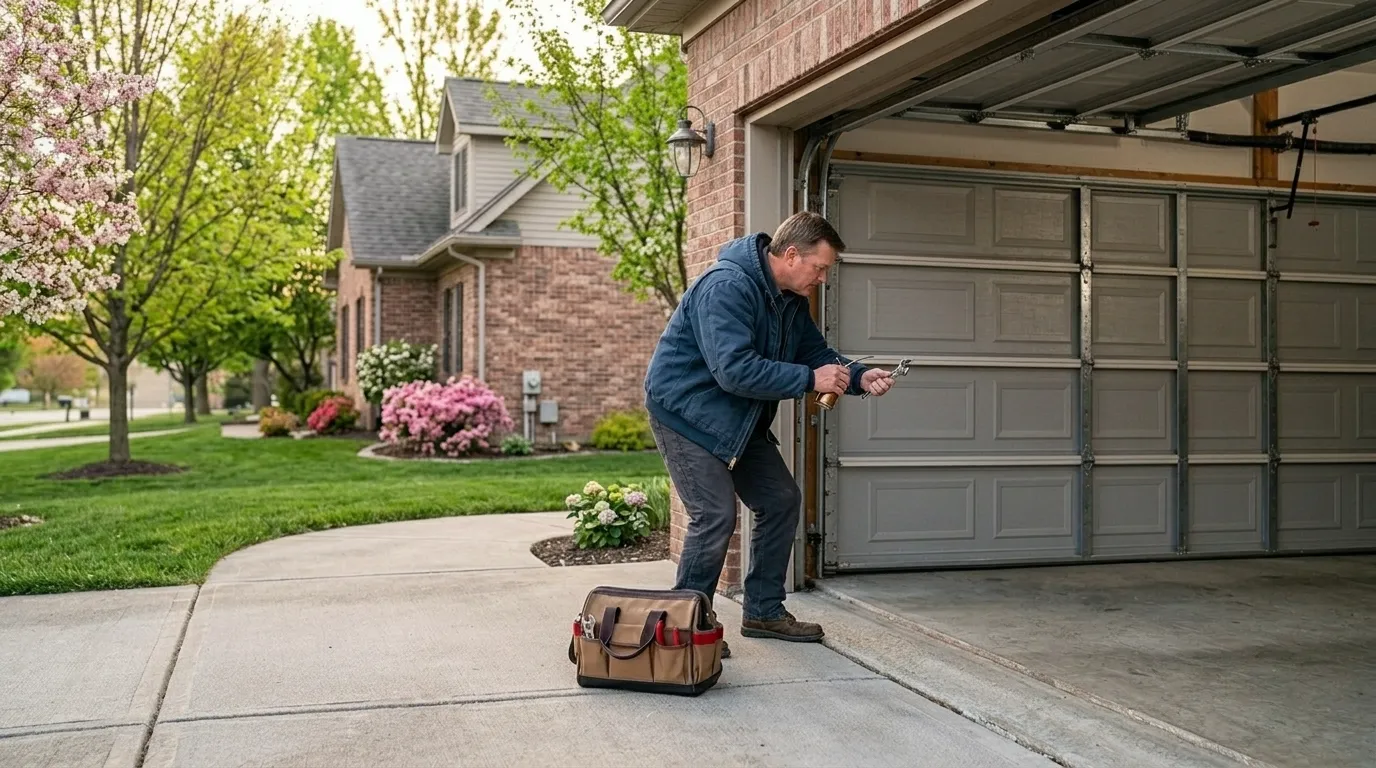
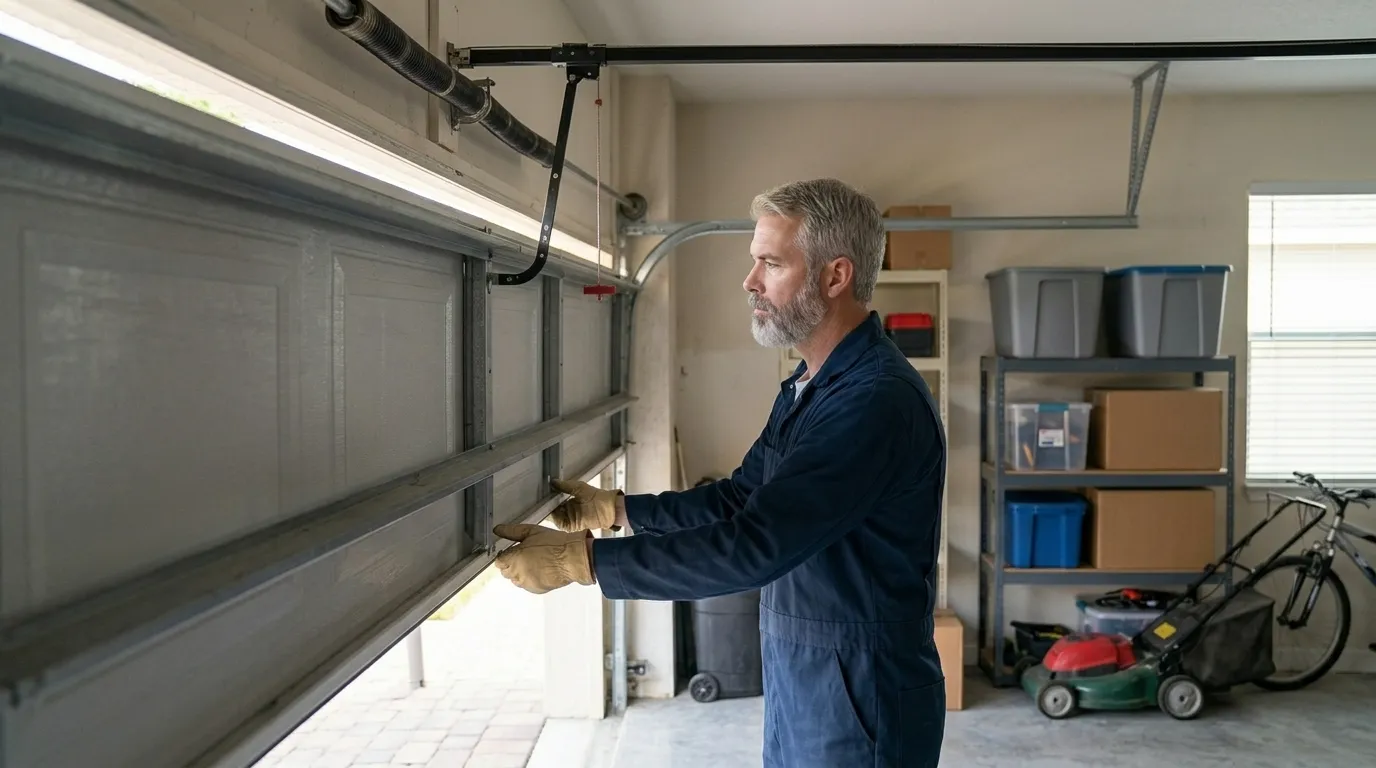
If the door is only a few inches off and still sitting square in the opening, some homeowners can walk it back into the track by hand - with the opener disconnected and the door supported, not hanging on a spring. That's about the limit of what's safe without the right tools.
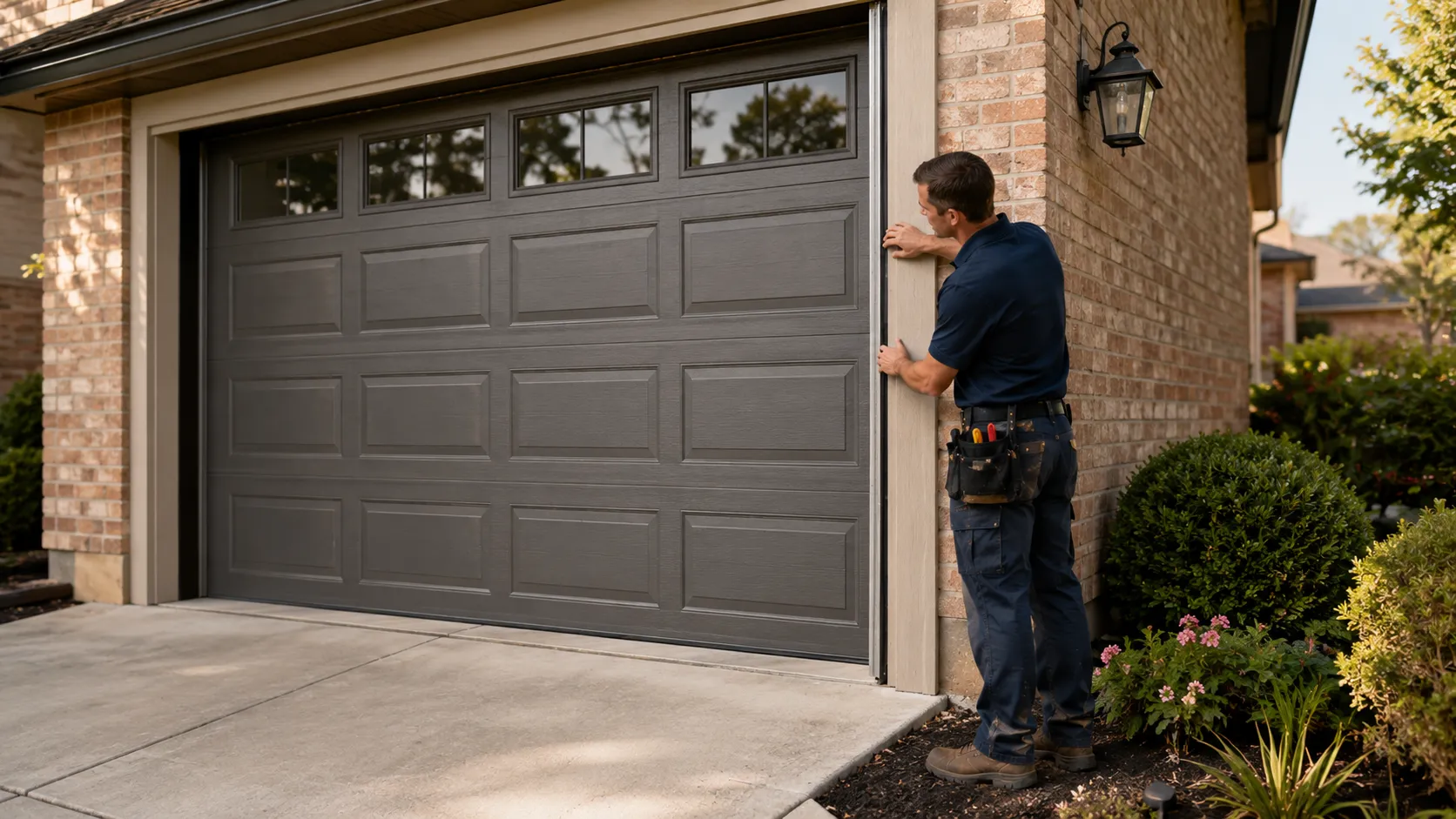
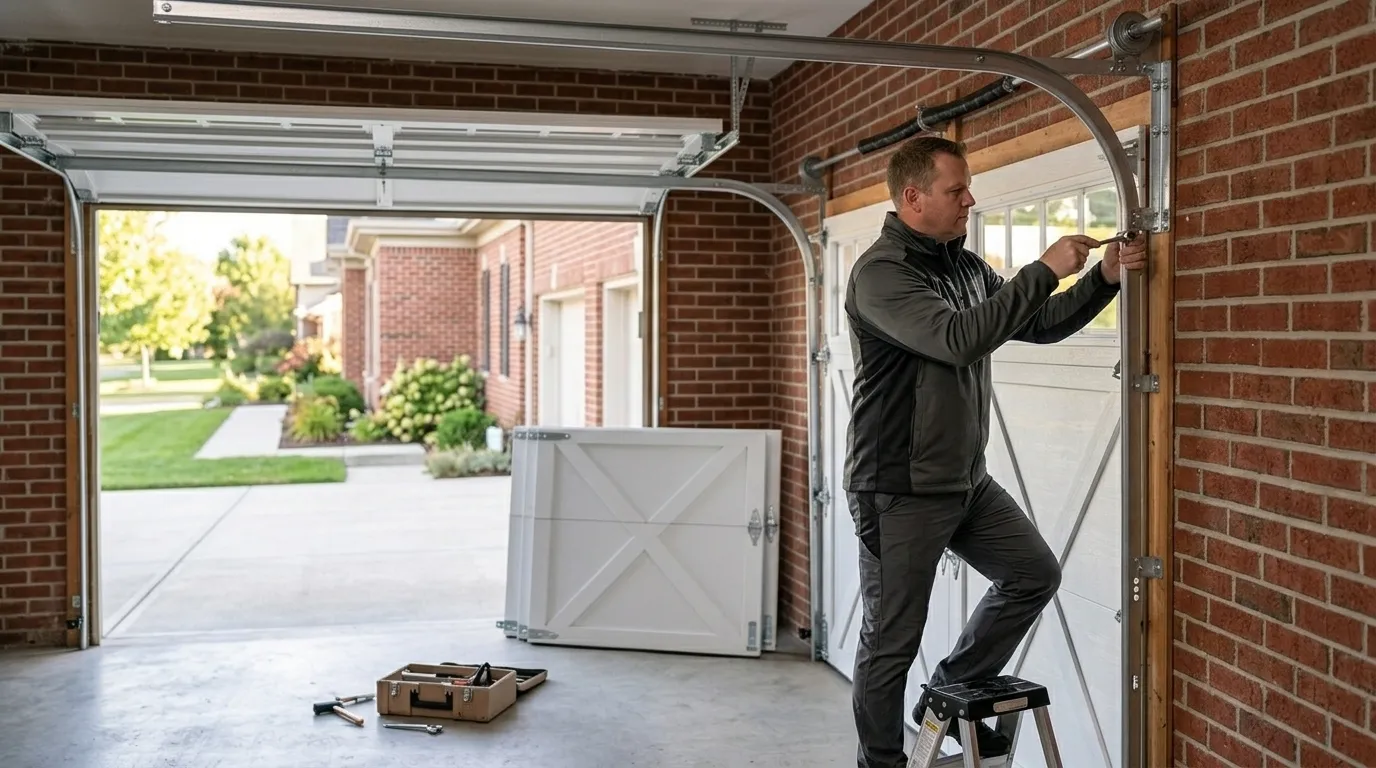
What you shouldn't try: forcing a door back onto the track while it's under spring tension, or while one side has dropped and the other hasn't. On the older torsion and extension setups common in houses from Westfield's 1965 median build year, a spring under load can put out enough force to break a finger or worse if the door shifts while you're working near it. If the track itself has pulled away from the jamb, or a cable has come off the drum, that's a job for someone who's done it enough times to know which way the door will move before it moves.
One honest limitation: we can't diagnose an off-track door over the phone with any real accuracy. What sounds like a simple roller pop can turn out to be a bent track or a broken cable once we're standing in front of it, and that changes both the fix and the cost. We give our best guess up front, but the real number comes after we look at the hardware.
The Cost of This Job
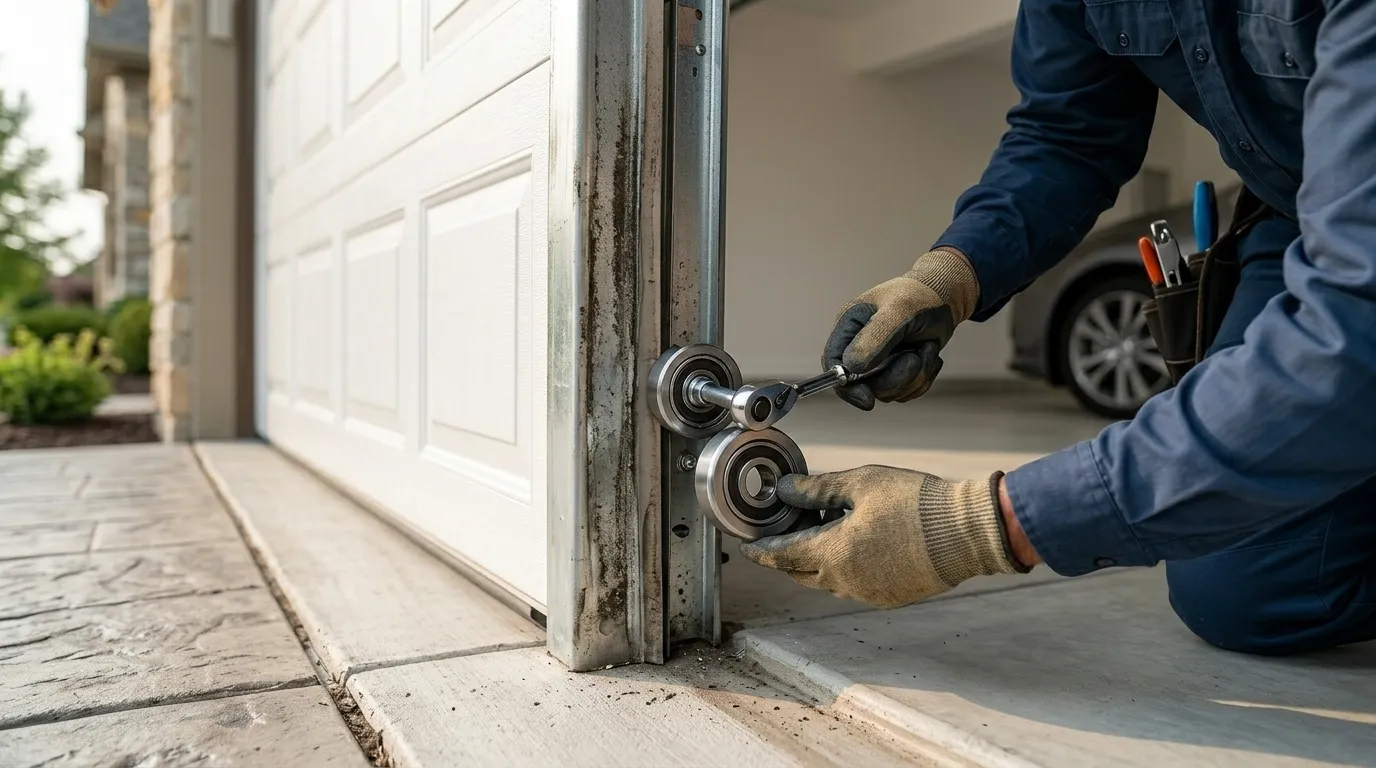
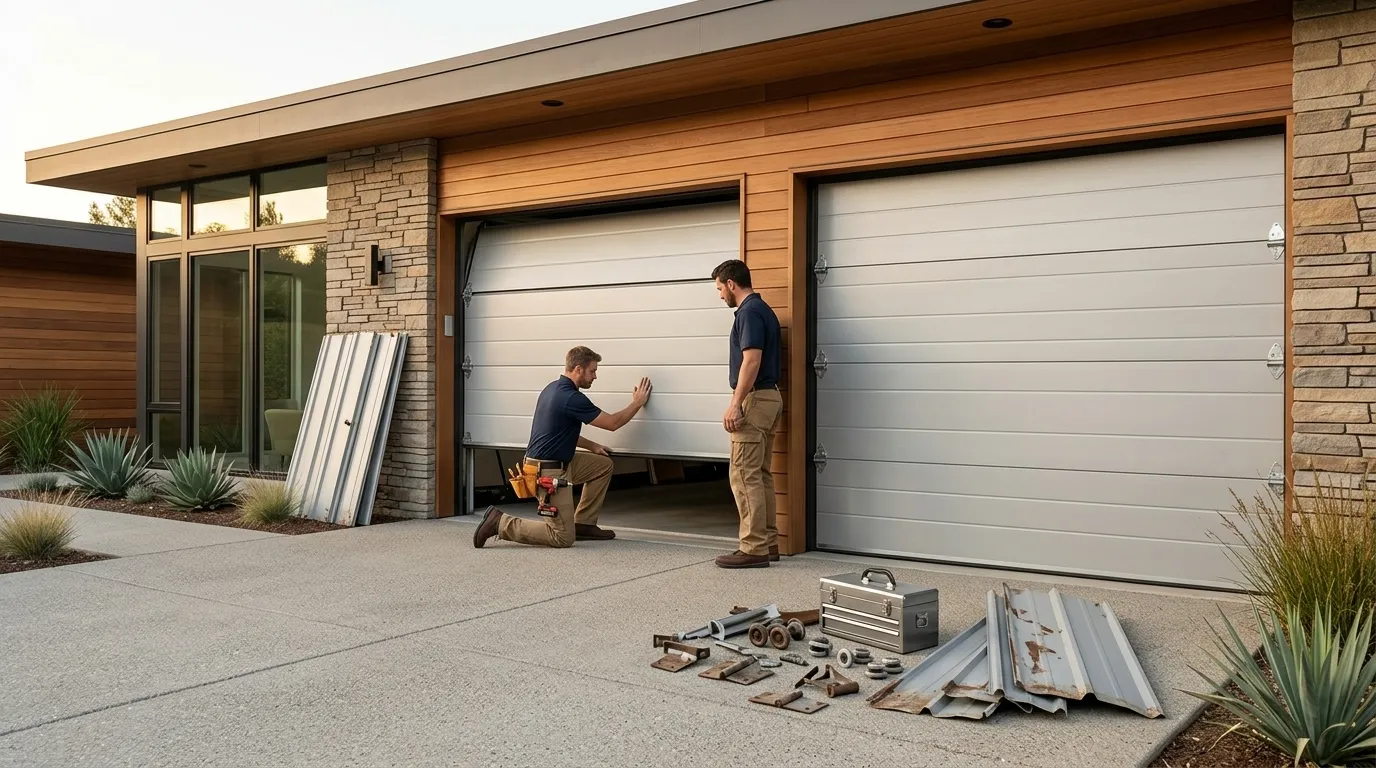
We don't publish a flat price for off-track repair because the fix ranges from a five-minute roller reseat to a track replacement, and those two jobs cost very different amounts. What we can tell you is what tends to drive the number up in a town like Westfield: houses built around 1965 often still have the original track brackets, and if those brackets have rusted or the wood jamb behind them has softened, we're replacing hardware, not just resetting a roller.
Westfield's median household income sits at $82,847, a bit under the wider service area's $93,808, and we mention that only because it's part of why we try to give a straight answer on whether a repair is worth doing versus letting a homeowner know the door and track are near the end of their working life. A cheap reset on hardware that's about to fail again isn't doing anyone a favor.
The region sits in a cold, severe winter climate band, and cold makes steel brittle and lubricant stiff - a marginal roller or cable that survives October can fail in January. That's not a Westfield-specific quirk, but it does mean winter calls here often turn into a slightly bigger job than the same fault would be in July.