Can You Do This Yourself
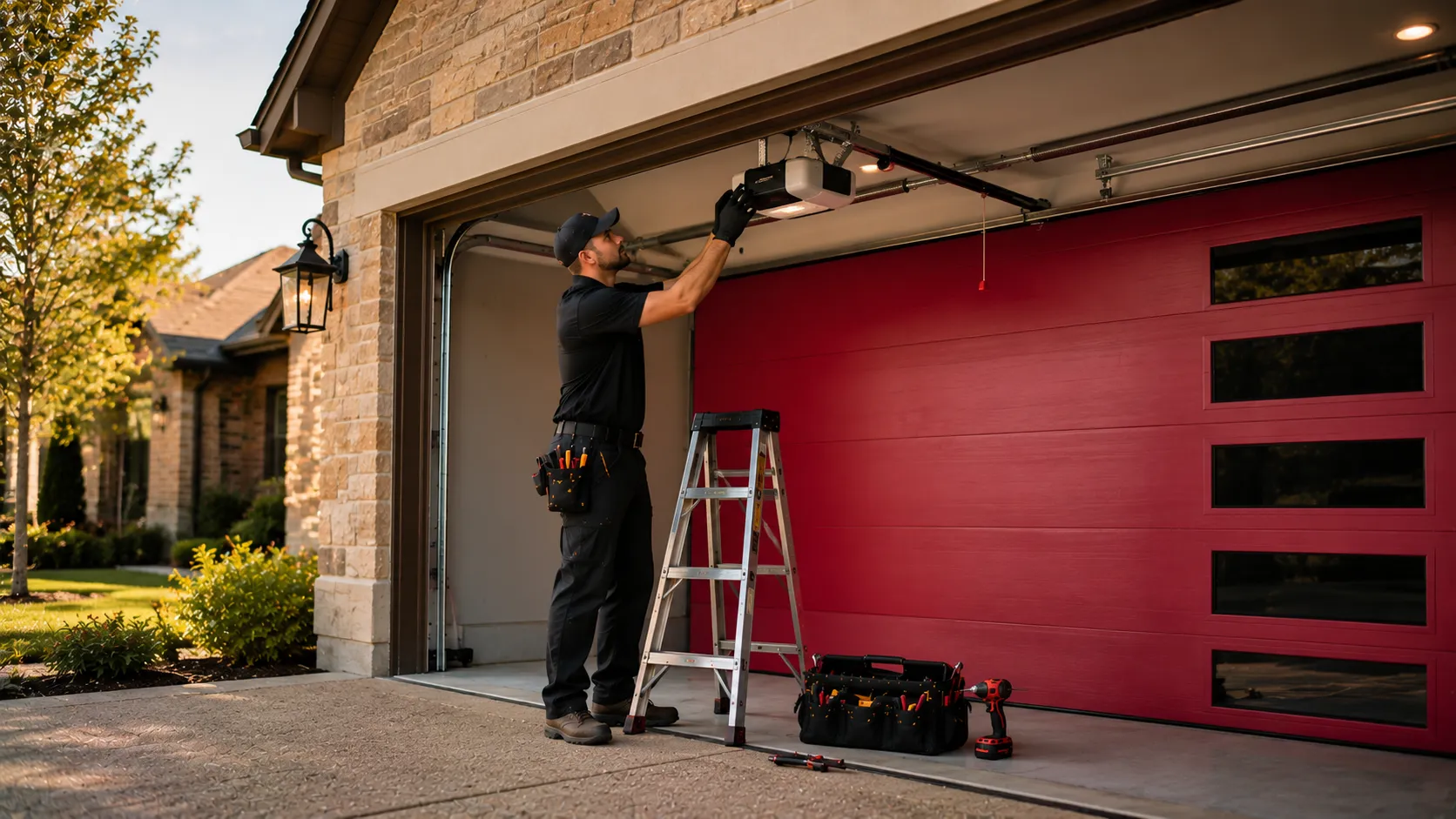
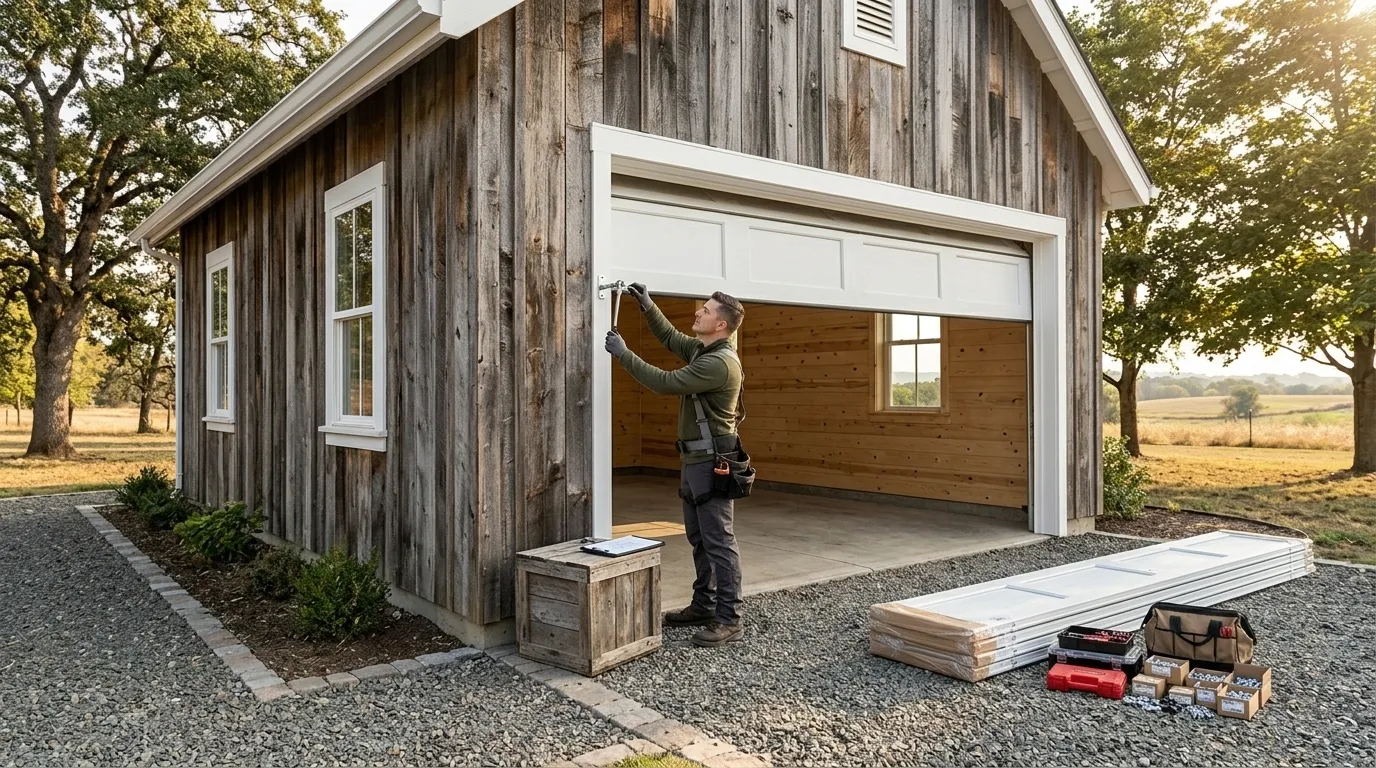
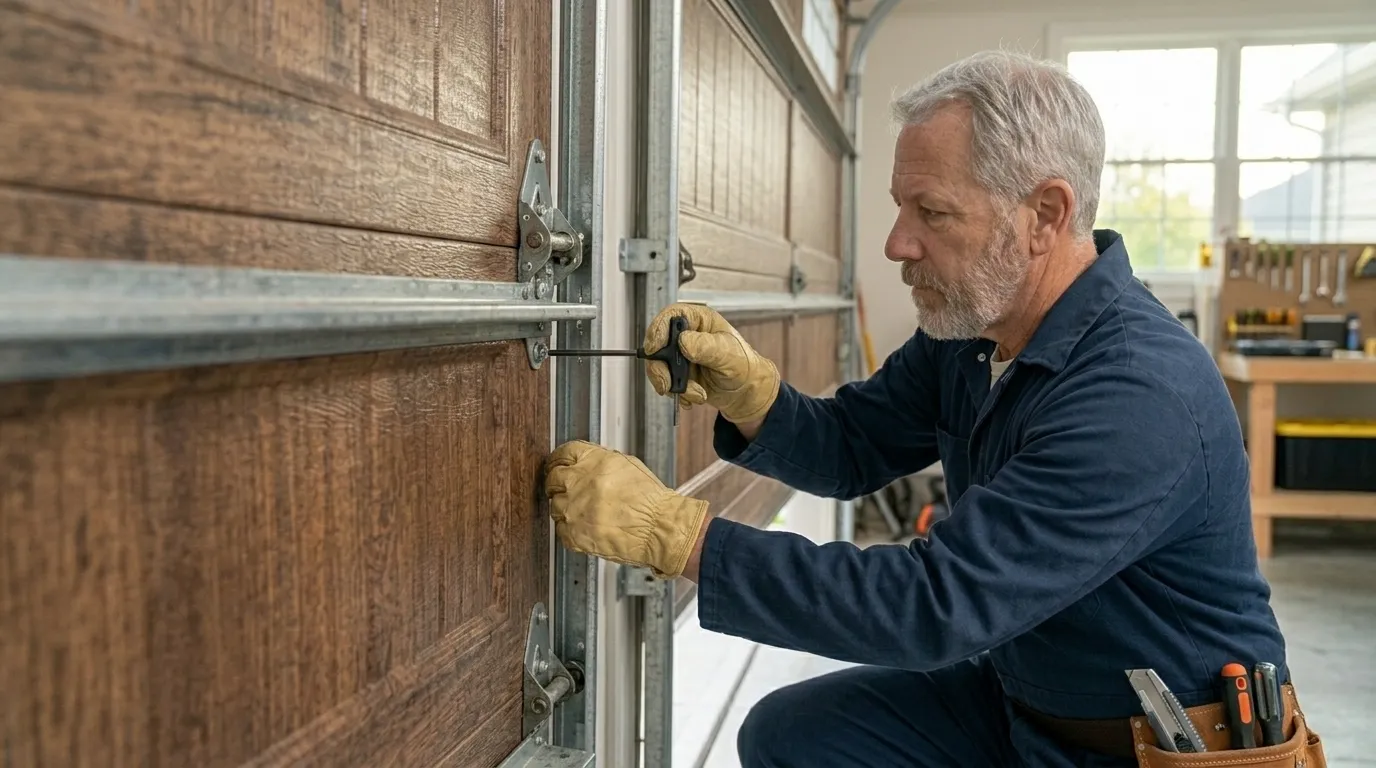
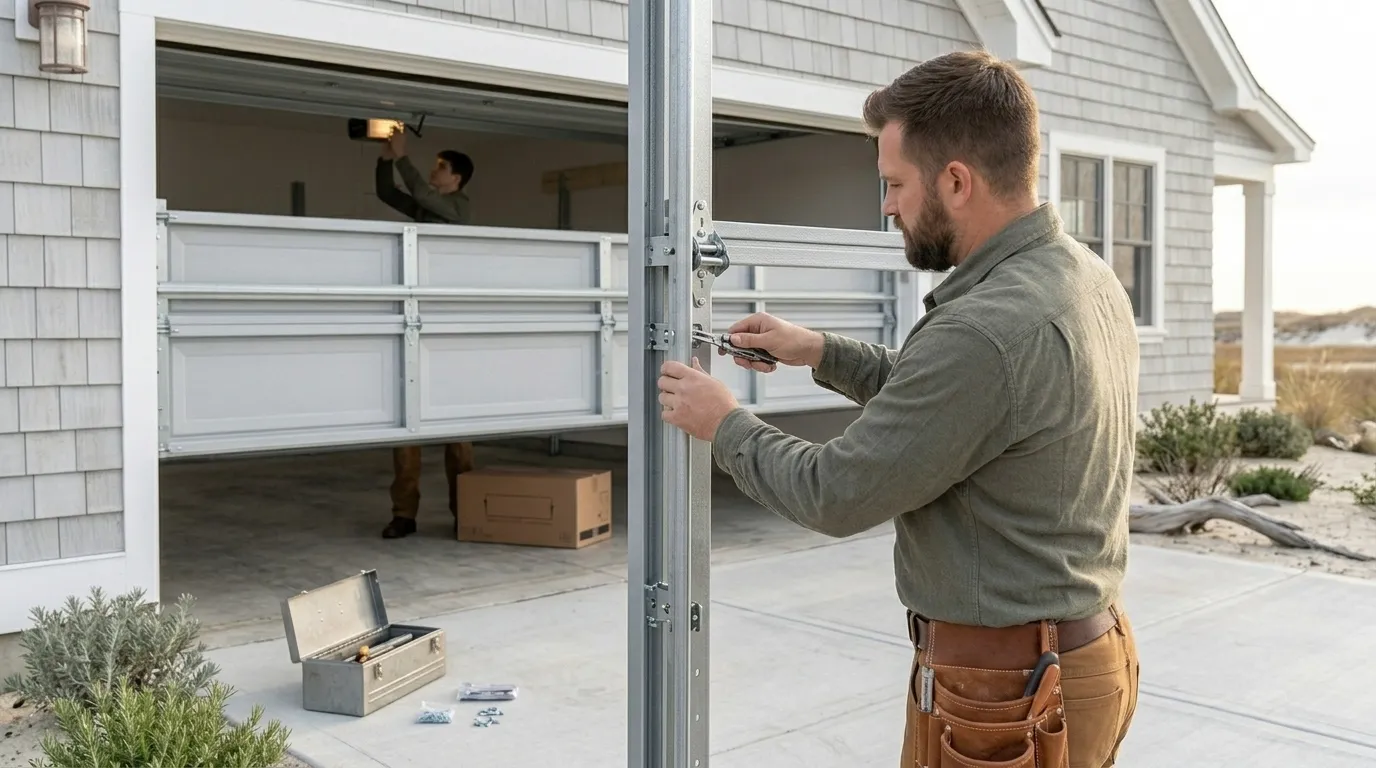
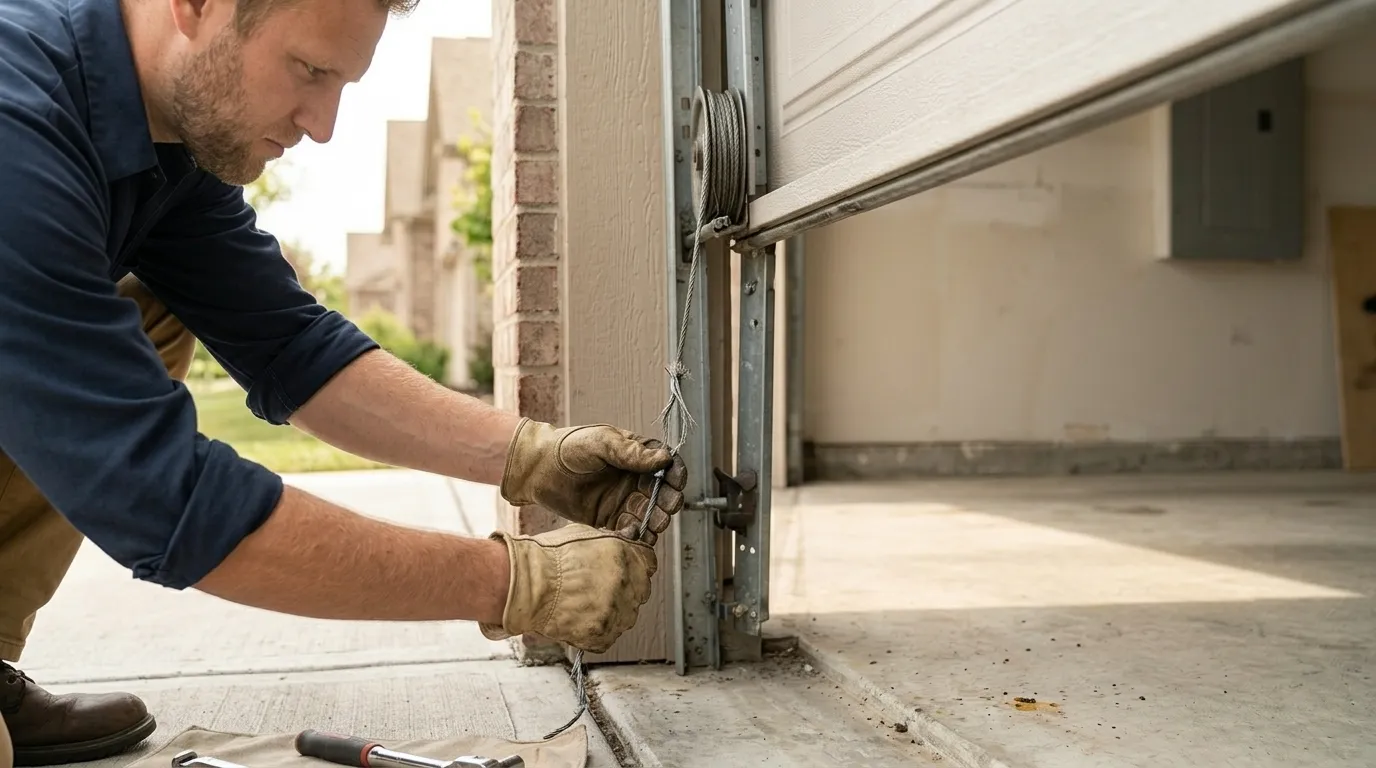
Some of this you can do. Swapping weatherstripping, adjusting travel limits, oiling hinges - fine on your own. A full door replacement is not a good DIY project, and I'll say that straight: you're working with a door that can weigh 150 to 200 pounds once it's insulated, torsion springs wound under enough force to break a wrist if the winding bar slips, and cable that can snap back under load.
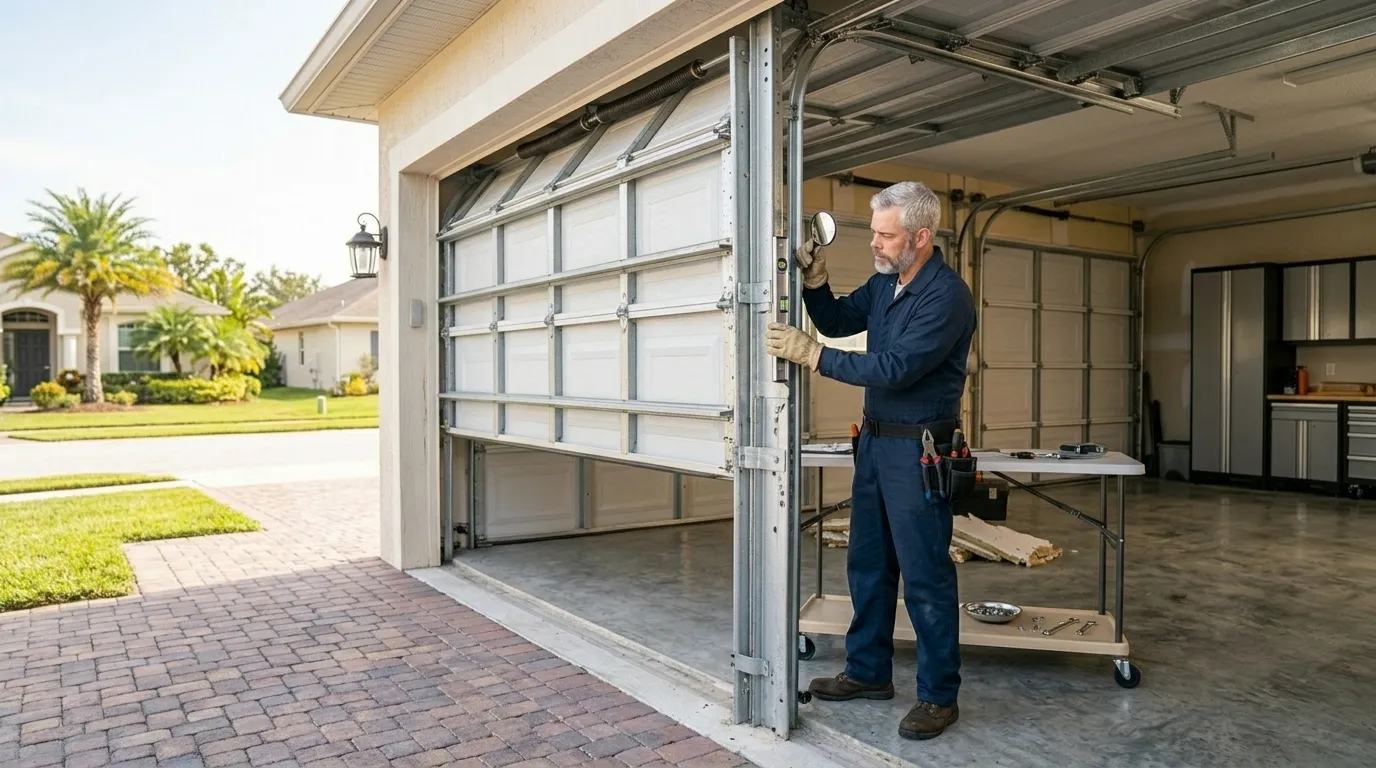
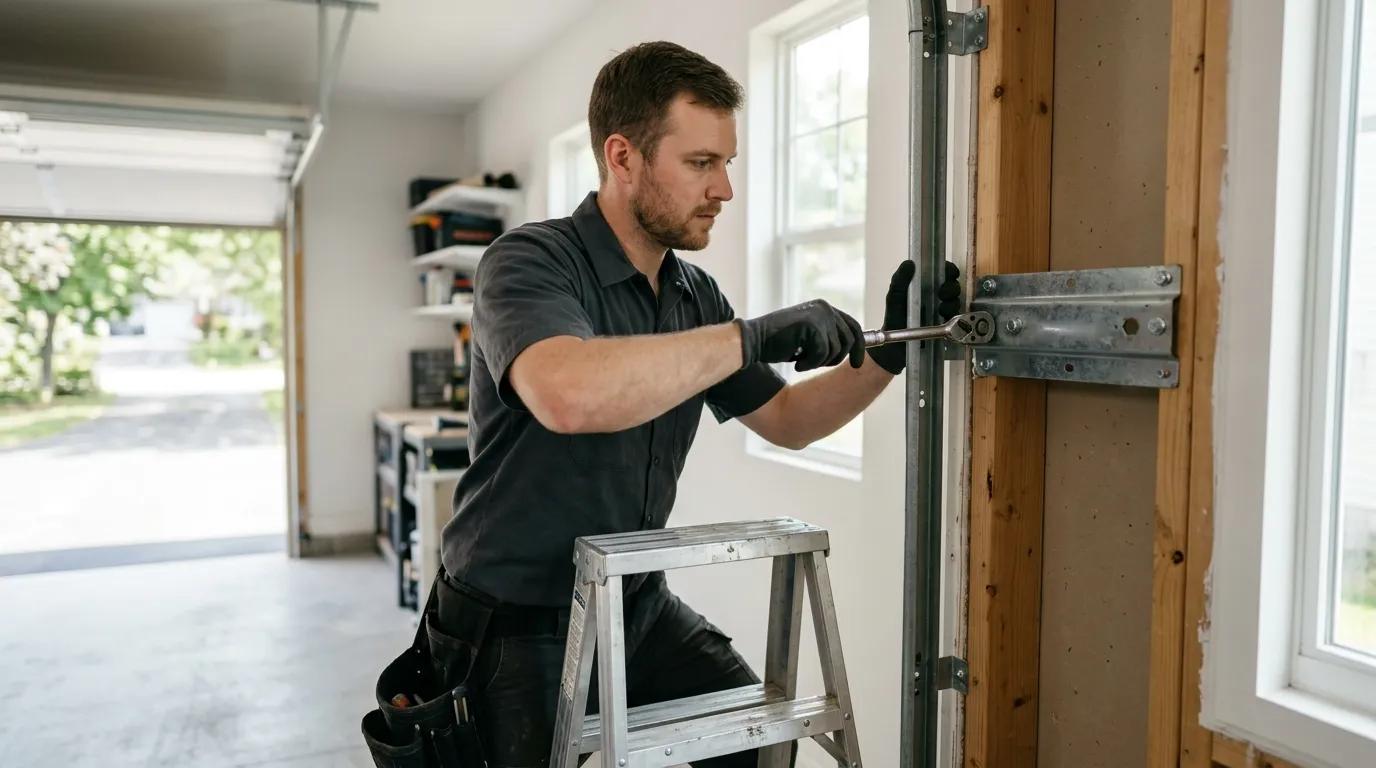
On a house from this era, there's a second problem: the track and jamb hardware were sized for the old lightweight door. Bolt a new heavy door onto old brackets and you've got a door that works for a few months and then starts binding or dropping. Getting the hardware matched to the new door's weight is the part that actually takes experience, not the panel install itself. If you've done this kind of work before, more power to you. If not, this is one job where the labor cost buys you something real.
The Cost of This Job
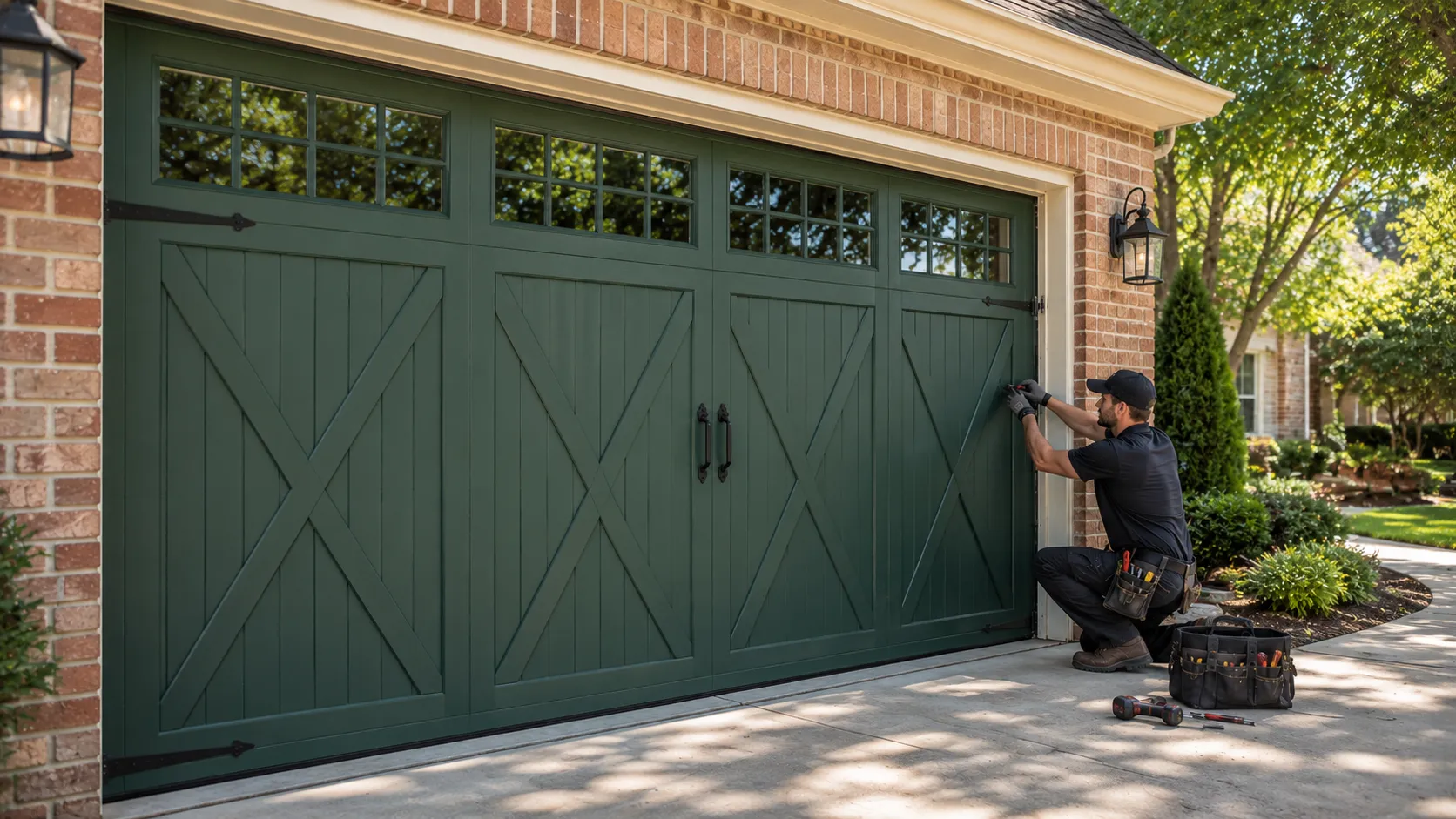
I can't quote a number here without seeing the opening, the door style you want, and what the existing framing needs. What I can tell you is what drives the price on a house like the ones common in Westfield: whether the jamb needs reinforcing to take a heavier insulated door, whether the opener has to be replaced along with the door (older chain-drive units often aren't rated for the new door's weight), and which door material and insulation level you pick.
Households in this part of the service area report a median income around $82,847, and I mention that only because it shapes what most people here actually choose - mid-range insulated steel doors rather than top-tier custom wood, which is the realistic range for most quotes on a house from the 1960s stock. Get the exact number from a walk-through, not a guess over the phone.